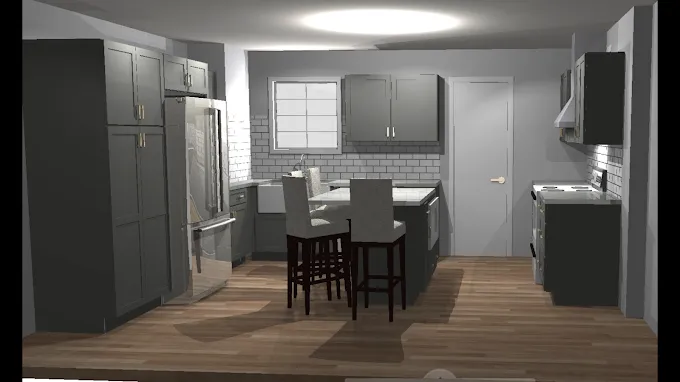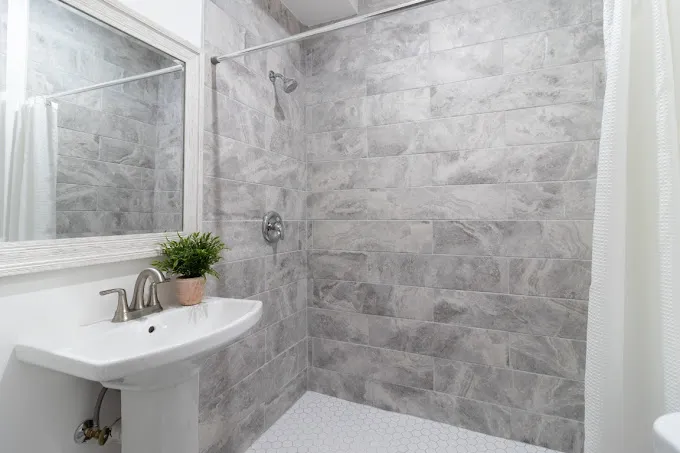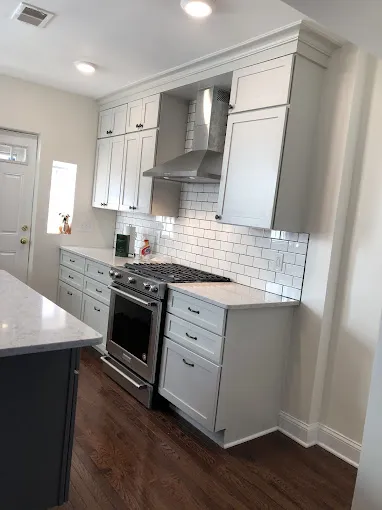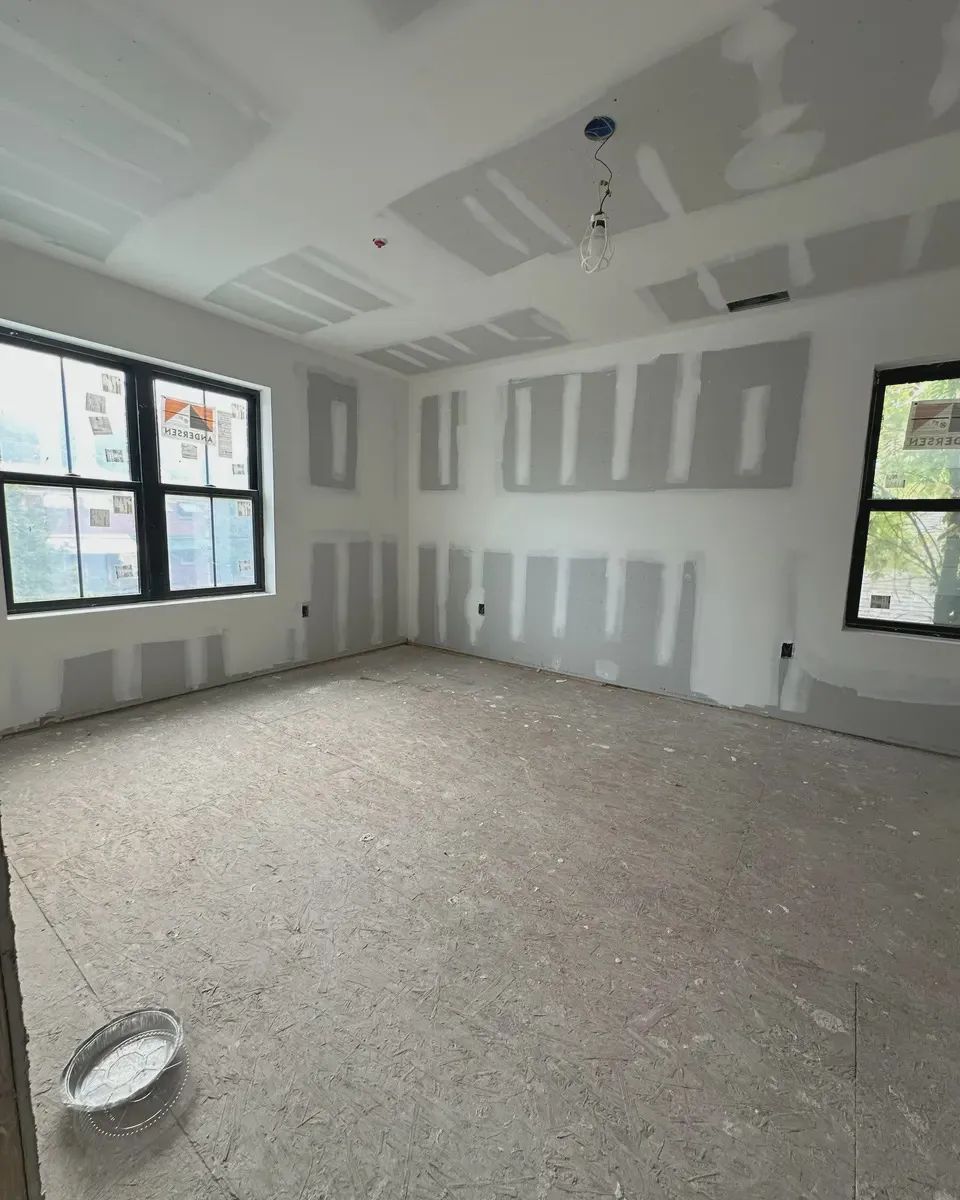
12x12 Kitchen Remodel Cost: A Budgeting Guide
A kitchen remodel is more than just an expense; it’s an investment in your home’s value and your daily life. Before you start picking out tile and paint colors, it’s essential to establish a realistic budget. Understanding the typical 12x12 kitchen remodel cost provides the financial framework you need to plan effectively and avoid surprises down the road. This article will guide you through the entire budgeting process. We’ll cover everything from setting a practical spending limit to prioritizing your must-haves, ensuring you can create a beautiful, functional kitchen that you’ll love for years without any financial regrets.
Key Takeaways
Understand the Cost Tiers and Plan for Surprises: A 12x12 kitchen remodel can cost anywhere from $12,000 to over $75,000, depending on the scope. No matter your budget, set aside a contingency fund of 15-20% to handle unexpected issues like hidden plumbing or electrical problems.
Prioritize Your Spending on Key Features: Cabinets, countertops, and appliances make up the bulk of your expenses. To get the most for your money, invest in durable, high-impact items and save on others, like pairing a quality countertop with a classic, affordable backsplash.
Avoid Unnecessary Layout Changes and Get Everything in Writing: The most effective way to control costs is to keep your kitchen's current footprint, avoiding expensive plumbing or electrical work. Always get multiple itemized quotes and a detailed contract to ensure full transparency and prevent budget overruns.
How Much Does a 12x12 Kitchen Remodel Cost?
Figuring out the budget is the first step in any kitchen remodeling project. For a standard 12x12 kitchen, the costs can vary dramatically depending on your vision. Are you looking for a simple cosmetic refresh or a complete floor-to-ceiling transformation? The final price tag is shaped by the quality of materials you choose, the appliances you install, and the complexity of the work involved. It’s not just about the size of the room, but the scale of your ambition for it.
To give you a clearer picture, we can break down the typical costs into three main categories: budget-friendly, mid-range, and high-end. Each tier offers a different level of customization and finishes, allowing you to find a plan that aligns with your financial comfort zone and your goals for the space. Understanding these ranges will help you set realistic expectations and make informed decisions as you start planning the kitchen you’ve always wanted. Whether you’re updating a few key features or starting from scratch, there’s a solution that fits your needs. This guide will walk you through what you can generally expect to get for your money in each bracket, helping you create a solid foundation for your project.
The Budget-Friendly Remodel: $12,000–$25,000
If you want to give your kitchen a fresh look without a major overhaul, a budget-friendly remodel is a fantastic option. This price range focuses on making high-impact changes that improve both the look and feel of your space. Typically, this includes keeping your existing kitchen layout to avoid the cost of moving plumbing or electrical lines. You can expect to get new stock cabinets, durable laminate countertops, a simple tile backsplash, and new, energy-efficient standard appliances. A fresh coat of paint and updated hardware can also make a world of difference. This approach provides a functional refresh that modernizes your kitchen effectively.
The Mid-Range Remodel: $25,000–$45,000
For homeowners wanting a more significant transformation, a mid-range budget offers greater flexibility and quality. This is often the sweet spot for a full remodeling project, allowing for more personalization and higher-grade materials. In this range, you can upgrade to semi-custom cabinets that offer better storage solutions and more style options. You can also install beautiful and durable countertops made from quartz or granite, lay down new flooring, and incorporate better lighting, like under-cabinet LEDs. This budget generally covers new, mid-range appliances that provide better features and a more streamlined look. It’s an investment that truly changes how you use and enjoy your kitchen every day.
The High-End Remodel: $45,000–$75,000+
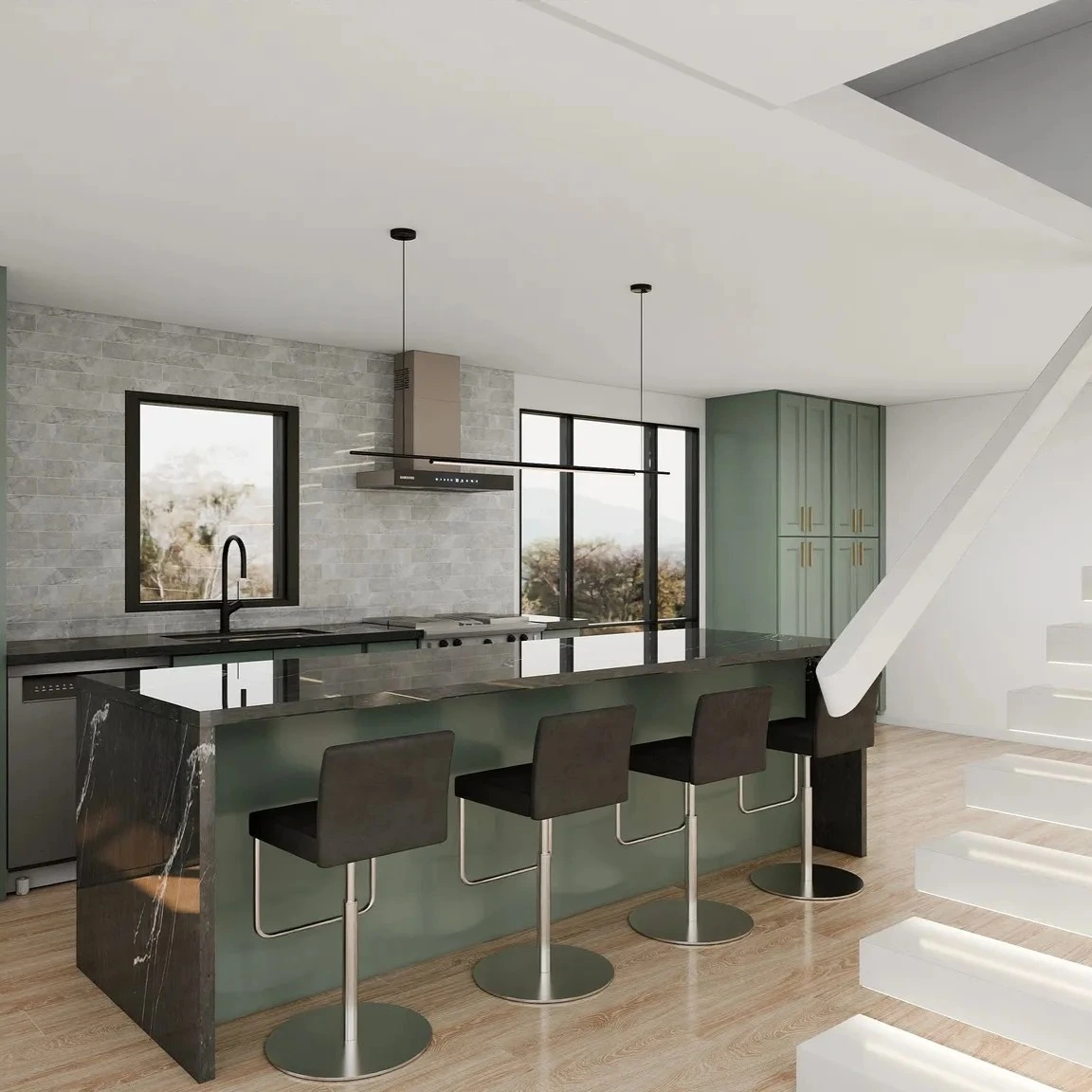
When you’re ready to create your ultimate dream kitchen with no compromises, a high-end remodel is the way to go. This budget opens the door to complete customization, premium materials, and luxury features. You can work with a designer to install fully custom cabinetry tailored to your exact needs, select professional-grade appliances, and choose high-end finishes like marble countertops or a custom-designed backsplash. This tier also accommodates structural changes, such as removing a wall to create an open-concept space or adding a large kitchen island. A project of this scale requires careful oversight, which is why having a dedicated project manager is key to ensuring every detail is executed perfectly.
What Factors Influence Your Kitchen Remodel Cost?
When you start planning a kitchen remodeling project, it helps to know where your money is going. The total cost isn't just one big number; it's a combination of materials, labor, and design choices. Understanding these key factors will help you create a realistic budget and make smart decisions about what to prioritize. From the cabinets that define the room's style to the labor required to bring it all together, each element plays a role in the final price tag. Let's break down the main components that will shape your kitchen remodel budget.
Cabinets and Hardware
Cabinets are often the single largest expense in a kitchen remodel, and for good reason. They set the tone for the entire space, provide essential storage, and endure daily use. The cost can vary dramatically based on whether you choose stock, semi-custom, or fully custom cabinets. Materials, finishes, and construction quality also play a huge part in the price. Don't forget about the hardware. Knobs, pulls, and handles are the finishing touches that complete the look, and while they're a smaller part of the budget, their cost can add up, especially for high-end or designer options.
Countertops and Backsplash
Your countertops are a major focal point and a workhorse surface, so this is an important investment. They typically account for about 10-15% of the total budget. Materials like laminate are very budget-friendly, while natural stones like granite or engineered quartz sit at a higher price point. The backsplash is your chance to add a pop of personality, whether you opt for classic subway tile or a more intricate mosaic. While it’s a smaller portion of the cost, your material choice and the complexity of the installation will influence the final price.
Appliances and Fixtures
The appliances you choose can have a huge impact on your budget. A suite of standard, reliable appliances will cost significantly less than professional-grade, high-end models with all the latest features. Think about how you use your kitchen and what features are truly important to you. This category also includes your sink and faucet, which come in a wide range of styles and price points. Investing in quality appliances and fixtures not only improves your kitchen's functionality but can also add to your home's long-term value.
Flooring
Flooring is the foundation of your kitchen's design and can make up a surprising portion of your budget. The material you select is the biggest cost driver. Classic hardwood is a beautiful but often more expensive option, while durable choices like luxury vinyl tile or ceramic tile offer a wide range of styles at different price points. Beyond the material itself, you also need to account for the cost of removing the old flooring and professionally installing the new one, which requires careful preparation and skilled labor to get just right.
Labor and Installation
Don't underestimate the cost of labor. Professional installation can account for a significant portion of your total budget, especially for complex projects. This cost covers everything from demolition and preparation to the precise installation of cabinets, countertops, flooring, and appliances. It also includes the specialized work of licensed plumbers and electricians. While it might be tempting to cut corners here, hiring a skilled team with an experienced project manager ensures your kitchen is beautiful, functional, and built to last.
Layout Changes and Structural Work
If your remodel involves more than just cosmetic updates, be prepared for higher costs. Changing the kitchen's layout by moving plumbing for a sink or gas lines for a stove requires specialized labor and adds complexity. The biggest expense comes from structural changes, like removing a wall to create an open-concept space. This often requires engineering plans, permits, and significant construction work to ensure your home remains structurally sound. These types of changes can completely transform your home but are a major factor in your overall remodeling budget.
How to Save Money Without Sacrificing Quality
A beautiful kitchen remodel doesn’t have to drain your savings. With smart planning and a few strategic choices, you can create a high-end look that fits your budget. The key is to focus your spending on the elements that matter most to you and find clever ways to save elsewhere. A successful kitchen remodeling project is all about balancing your dreams with your budget, and these tips will help you do just that. It’s not about cutting corners on quality but about making informed decisions that give you the most impact for every dollar spent. From working with your existing layout to mixing materials like a pro, you can create a space you’ll love for years to come. We'll walk through some of the most effective strategies for keeping costs in check, so you can feel confident and in control of your renovation from start to finish. Think of it as a creative challenge: how can you get the function and style you want while being resourceful? The following ideas will show you exactly how to make smart trade-offs, find affordable alternatives, and decide where to splurge and where to save.
Keep Your Current Layout
One of the most effective ways to control costs is to work with your kitchen’s existing footprint. Moving plumbing for a sink or dishwasher, relocating electrical outlets, or tearing down walls will dramatically increase your expenses. These changes require more labor, additional materials for demolition and reconstruction, and often involve complex permits. By keeping your appliances and fixtures in their current spots, you can allocate more of your budget toward the finishes that make a real visual impact, like new countertops, cabinets, and a stylish backsplash. It's a simple decision that can save you thousands.
Opt for Semi-Custom Cabinets
Cabinets are a major part of any kitchen budget, but you don’t have to choose between basic stock options and a fully custom price tag. Semi-custom cabinets offer the perfect middle ground. They provide a significant upgrade in quality over builder-grade boxes, often featuring stronger construction, soft-close hinges, and more style and finish options. You get a more personalized look and better functionality without the expense of a completely custom build. This is a smart investment that gives you a durable, high-end feel for a more manageable cost.
Mix High-End and Budget-Friendly Materials
You can achieve a luxurious look by splurging on a few key features and saving on others. For example, invest in a stunning quartz countertop as your kitchen’s centerpiece but pair it with an affordable, classic subway tile backsplash. Another great strategy is to mix open shelving with traditional cabinets. This not only reduces the number of expensive cabinets you need to buy but also adds a modern, airy feel to the space. A skilled project manager can help you find the right balance to create a cohesive design that looks expensive without costing a fortune.
Tackle Simple DIY Tasks
If you’re handy, taking on a few tasks yourself can trim labor costs. Simple jobs like painting the walls, swapping out cabinet hardware, or assembling flat-pack furniture are great weekend projects for a confident DIYer. However, it’s important to be realistic about your skill set. Mistakes with plumbing, electrical work, or complex tile installation can lead to costly repairs that end up being more expensive than hiring a professional from the start. Leave the technical jobs to the experts and focus your efforts on the finishing touches you can handle with confidence.
Shop Sales and Explore Material Alternatives
Being a savvy shopper can lead to significant savings. Keep an eye out for holiday sales on appliances and fixtures. You can also find high-quality materials that mimic more expensive ones. For instance, luxury vinyl tile can provide the warm look of hardwood flooring at a lower price point and with greater durability. Instead of splurging on a full slab of marble, consider quartz or granite, which offer similar beauty with better resistance to stains and scratches. Exploring these alternatives allows you to get the aesthetic you want while staying firmly within your budget for your remodeling project.
Common Budgeting Mistakes to Avoid
Creating a budget is the first step, but sticking to it is where the real challenge lies. A successful kitchen remodeling project depends on smart financial planning and avoiding a few common pitfalls. Even with a clear budget in mind, unexpected costs can appear if you’re not prepared. Let’s walk through the most frequent budgeting mistakes homeowners make and how you can steer clear of them to keep your project on track and stress-free.
Underestimating Labor Costs
It’s easy to get excited about picking out beautiful cabinets and countertops, but one of the biggest budgeting mistakes is focusing only on materials while overlooking labor. Professional labor isn't just another line item; it's the investment that brings your vision to life correctly and safely. Skilled craftsmanship from experienced carpenters, plumbers, and electricians ensures your kitchen is not only beautiful but also functional and built to last. When you budget for your remodel, remember that labor can account for a significant portion of the total cost. Factoring this in from the start prevents sticker shock later and ensures you have the funds for a high-quality installation.
Forgetting Permits and Hidden Problems
Some of the most significant expenses in a remodel are the ones you can't see. Depending on where you live in the D.C. area, your project will likely require building permits to ensure it meets local codes. Beyond permits, opening up walls can sometimes reveal surprises like outdated wiring, hidden plumbing issues, or unexpected structural problems that need immediate attention. An experienced construction manager can often anticipate potential issues based on your home's age and style, but it’s wise to budget for the unknown. Forgetting these potential costs can quickly derail your finances and your project timeline.
Skipping a Contingency Fund
No matter how carefully you plan, remodeling projects can come with surprises. That’s why a contingency fund is your budget’s best friend. This is a separate pool of money, typically 15% to 20% of your total project cost, set aside specifically for unexpected expenses. Think of it as a financial safety net. If you discover that old pipe needs replacing or you decide to make a last-minute upgrade, your contingency fund covers it without causing financial stress or forcing you to compromise on other parts of your project. If you don’t end up needing it, you’ll have extra cash at the end of your remodel.
Failing to Get Detailed Contractor Quotes
Accepting a vague, one-page estimate from a contractor is a recipe for budget overruns. You need a detailed, itemized quote that breaks down every aspect of the project, from demolition and materials to labor and finishing touches. This transparency is crucial. It allows you to see exactly where your money is going and helps you make informed decisions if you need to adjust your plans. A clear contract protects you by outlining the full scope of work, payment schedules, and procedures for handling any changes. It ensures everyone is on the same page before the first hammer swings.
Ignoring the Long-Term Costs of Materials
Choosing materials based on the lowest price tag can feel like a smart move, but it can cost you more in the long run. Inexpensive materials may not withstand the daily wear and tear of a busy kitchen, leading to premature repairs or replacements. Similarly, jumping on a fleeting trend might leave you with a dated kitchen in just a few years, a phenomenon known as "style regret." When selecting finishes, consider both durability and timelessness. Investing in quality materials for your new custom home or remodel ensures you’ll love your kitchen for years to come, saving you money and hassle down the road.
How to Create a Realistic Kitchen Remodel Budget
Creating a budget for your kitchen remodel can feel like the least exciting part of the process, but it’s the single most important step for a smooth and successful project. A well-planned budget acts as your roadmap, guiding every decision from material selection to hiring the right team. It helps you stay on track, avoid stressful surprises, and ensure the final result is a kitchen you love without any financial regrets. By taking a structured approach, you can build a realistic budget that aligns with your vision and your wallet.
Set a Budget Based on Your Home's Value
A great starting point for your budget is your home's overall value. Many experts suggest allocating about 15% of your home's value for a complete kitchen remodeling project. For example, if your home is worth $500,000, a reasonable budget would be around $75,000. This guideline helps ensure your investment matches the scale of your property, which is important for resale value. It’s not a strict rule, but it provides a solid baseline to work from. You can adjust this figure up or down based on your personal finances, the scope of your project, and how long you plan to stay in your home.
Get Multiple Detailed Quotes
Don’t settle for the first quote you receive. It’s essential to get at least three detailed estimates from reputable contractors. A quote should be more than just a final number; it should be an itemized breakdown of all costs, including labor, materials, permits, and other fees. This transparency gives you better control and helps you make informed decisions as your project progresses. Comparing itemized quotes allows you to see exactly what you’re paying for and identify where one contractor might offer better value than another. A dedicated project manager will ensure this process is clear and that all costs are accounted for upfront.
Prioritize Your Must-Haves
Before you start falling in love with high-end finishes, take a moment to separate your needs from your wants. Make two lists: one for the absolute must-haves and another for the "nice-to-have" features. Do you need a more functional layout and new appliances, but you want a marble waterfall island? Figuring this out first helps you allocate your budget effectively. This ensures all the essential elements of your remodeling project are covered before you spend on luxury upgrades. If there’s money left over, you can start pulling from your "wants" list. This simple exercise keeps your priorities straight and prevents budget overruns.
Plan for a 15-20% Contingency Fund
Even with the most meticulous planning, unexpected issues can pop up during a remodel. When walls are opened up, you might discover outdated wiring, hidden leaks, or structural problems that need to be addressed. That’s why a contingency fund is non-negotiable. Set aside an extra 15% to 20% of your total budget to cover these unforeseen expenses. If your remodel budget is $40,000, your contingency fund should be between $6,000 and $8,000. This financial cushion ensures that surprises don’t derail your project or force you to make compromises on your vision. A professional construction manager will help you anticipate potential issues, but having this fund is your best safety net.
Request an Itemized Contract
Once you’ve chosen a contractor, make sure you get a detailed, itemized contract before any work begins. This document is your most important form of protection. It should clearly outline the entire scope of the project, including a full list of materials and products with model numbers, a breakdown of labor costs, a payment schedule, and an estimated timeline. Having no contract, or a vague one, is one of the biggest mistakes a homeowner can make. A clear contract prevents misunderstandings, protects both you and the contractor, and ensures everyone is on the same page throughout the residential construction process.
Related Articles
Frequently Asked Questions
What's the biggest factor that drives up the cost of a kitchen remodel? While high-end appliances and custom cabinets are significant expenses, the single biggest cost driver is changing the kitchen's layout. Moving walls, relocating plumbing for a sink, or shifting gas lines for a stove requires extensive labor from multiple specialized trades. These structural and mechanical changes add a layer of complexity, often require new permits, and can quickly inflate your budget. If you want to keep costs manageable, working within your kitchen's existing footprint is the most effective strategy.
How long should I expect a 12x12 kitchen remodel to take? The timeline really depends on the scope of your project. A straightforward cosmetic update, like painting cabinets and replacing countertops, might only take a couple of weeks. A more involved mid-range remodel with new cabinets, flooring, and appliances typically takes four to eight weeks. For a high-end, custom renovation that includes changing the layout or moving walls, you should plan for a timeline of three months or more, factoring in design, permits, and construction.
Is a 15-20% contingency fund really necessary if I have a detailed quote? Yes, absolutely. A detailed quote is based on what your contractor can see, but a contingency fund is for the unexpected issues they can't. Once walls are opened, you might find outdated electrical wiring that isn't up to code, hidden water damage, or pests. These problems must be fixed before the remodel can continue. Think of the contingency fund as your project's insurance policy; it ensures these surprises don't force you to cut corners on your must-haves or halt the project altogether.
Can I save money by supplying my own materials? While it might seem like a good way to save, sourcing your own materials can sometimes create more problems than it solves. Contractors often have established relationships with suppliers and can get trade discounts that aren't available to the public. More importantly, when a contractor supplies the materials, they are responsible for ensuring everything is correct, undamaged, and arrives on time. If you provide the wrong size sink or a box of cracked tile, the resulting project delays and reordering costs will fall on you.
Besides the cost, what should I look for in a contractor's quote? A good quote is about more than just the final number; it’s about transparency and professionalism. Look for a detailed, itemized breakdown that lists specific materials, including brand names and model numbers, so you know exactly what you're getting. The quote should also clearly outline the scope of work, a proposed payment schedule, and an estimated project timeline. This level of detail shows that the contractor is organized and thorough, which is a great indicator of how they'll manage your project.