
Best Ways to Prevent Kitchen Mold | Expert Tips & Solutions
Why Is Preventing Kitchen Mold Essential for Your Home's Health?
Kitchen mold is more than just an unsightly nuisance—it poses serious health risks and can compromise your home’s structural integrity. Mold thrives in damp, poorly ventilated environments, making the kitchen a prime location for its growth. Left unchecked, it can lead to respiratory issues, allergies, and even damage to your cabinetry and walls.
Understanding the best ways to prevent kitchen mold is critical not only for maintaining a beautiful space but also for safeguarding your family’s health. By adopting proactive habits and incorporating smart renovation strategies, you can create a resilient, mold-resistant kitchen environment.
What Are the Key Factors That Contribute to Kitchen Mold Growth?
Before diving into prevention techniques, it’s essential to recognize the main contributors to mold proliferation:
- High moisture levels: Leaking pipes, spills, and humidity.
- Poor ventilation: Lack of air circulation leads to damp spots.
- Warm temperatures: Ideal for mold spores to thrive.
- Organic materials: Wood, paper, and fabric items provide nourishment for mold.
Once you identify these factors, you can implement precise strategies tailored to eliminate or mitigate each one effectively.
How Can Proper Ventilation Help in Preventing Kitchen Mold?
Proper ventilation is arguably the most straightforward method to combat mold growth. Installing exhaust fans, range hoods, and ensuring good airflow removes excess moisture and reduces humidity levels that foster mold.
Regularly opening windows during cooking or cleaning also promotes natural circulation. Additionally, considering a comprehensive home remodeling can incorporate advanced ventilation systems, optimizing air quality throughout your kitchen space.
Are your exhaust systems working efficiently? Frequent maintenance and timely upgrades ensure that these vital components continue to serve their purpose effectively.
What Maintenance Practices Help Keep Kitchen Surfaces Dry and Mold-Free?
Consistent cleaning and drying routines are essential in preventing mold spores from settling and multiplying:
- Wipe down countertops, sinks, and appliances regularly to remove moisture.
- Dry dishes and utensils thoroughly before storing.
- Address leaks immediately to stop persistent dampness.
- Use absorbent materials like paper towels or microfiber cloths to lack moisture lingering after spills.
Using mold-inhibiting cleaning agents can further bolster your defenses, making surfaces inhospitable for mold spores to establish roots.
How Does Proper Kitchen Design Contribute to Mold Prevention?
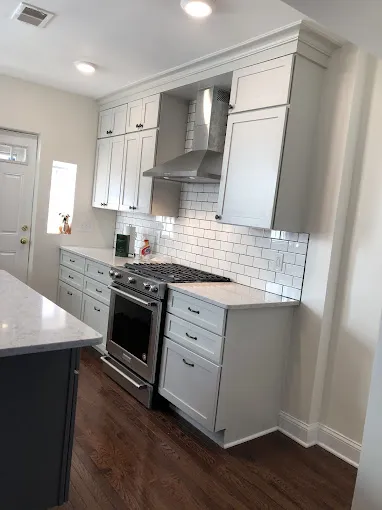
Effective kitchen design integrates mold prevention principles at the core. Choices like mold-resistant paints, waterproof cabinetry, and seamless countertops reduce water infiltration and easy spore removal.
If you're considering a renovation, exploring innovative ideas can significantly enhance mold resistance. For example, latest kitchen remodeling ideas focus heavily on moisture control, smart storage, and durable materials.
Considering a professional kitchen renovation service ensures that your space aligns with best practices and modern standards for mold prevention.
What Role Do Inspections Play in Preventing Mold Growth?
Periodic inspections by qualified professionals help identify hidden or emerging mold issues. Skilled inspectors can detect moisture intrusion points, hidden leaks, or ventilation inadequacies that might go unnoticed otherwise.
Investing in such inspections ensures prompt remediation and prevents small problems from escalating into major health and structural challenges.
Can Renovating the Kitchen Help Prevent Future Mold Problems?
Absolutely. Strategic renovations not only enhance aesthetics but also fortify your home against mold growth. Upgrading ventilation, choosing mold-resistant materials, and sealing potential water entry points are crucial aspects of a proactive approach.
For a seamless upgrade experience, consult with experts who specialize in professional kitchen renovation services. They’ll guide you through transforming your space into one that resists mold and promotes healthy living.
What Are the Best Practices for Managing Humidity Levels?
Maintaining ideal humidity levels—generally between 30-50%—creates an inhospitable environment for mold. Use dehumidifiers, especially during humid seasons, to control excess moisture. Humidity monitors help you stay vigilant and make adjustments as needed.
Ventilation fans combined with dehumidifiers can work hand-in-hand to create an optimal environment where mold struggles to survive.
Should I Consider Special Paints or Sealants for My Kitchen?
Yes, choosing mold-resistant paints and sealants adds an extra layer of protection against moisture penetration. These products are specially formulated to prevent mold spores from embedding into walls and ceilings, making cleanup easier and reducing long-term risks.
Incorporate such finishes during your kitchen remodeling projects. For expert guidance, explore innovative remodeling ideas that champion both aesthetics and durability.
How Can Regular Deep Cleaning Elevate Mold Prevention Efforts?
Routine deep cleaning sessions focusing on hidden spots— beneath appliances, inside drawers, and behind cabinets—remove mold spores before they gain footing. Use cleaning agents specifically formulated to eliminate mold and prevent its return.
For an intensive cleaning regimen, consider professional services specialized in kitchen maintenance to ensure no area is overlooked.
FAQs: Your Top Questions About Kitchen Mold Prevention
Look for visible discoloration, musty odors, water stains, or peeling paint and wallpaper. Hidden mold may also cause allergic reactions or respiratory symptoms.
Perform visual checks monthly, especially in high-moisture areas, and schedule professional inspections at least once a year to catch issues early.
Opt for stainless steel, quartz, or mold-resistant paints and sealants. These materials provide durability while resisting mold growth.
Definitely. Remodeling enables you to incorporate modern mold-resistant materials, improved ventilation, and better layouts that reduce moisture buildup.
In Conclusion: Elevate Your Kitchen’s Health with the Best Prevention Strategies
Preventing kitchen mold requires a multifaceted approach combining vigilant maintenance, smart design, and professional guidance. By understanding the root causes of mold growth and actively implementing the best ways to prevent kitchen mold, you ensure a cleaner, healthier, and safer living environment for you and your loved ones.
At Pinkney Services, we specialize in creating homes that are not only beautiful but resilient against moisture and mold challenges. Whether you're upgrading your existing kitchen or planning a full renovation, our experts are here to help guide your journey towards a mold-free space.
Interested in transforming your kitchen with state-of-the-art solutions? Explore our latest remodeling ideas or contact us today for a consultation.