Cost of a Whole House Remodel: A Budgeting Guide
Remodeling a home in the Washington, D.C. area comes with its own unique set of challenges, from working with historic properties to managing logistics in tight neighborhoods. These local factors can directly influence your project’s bottom line. To plan effectively, you need more than just national averages; you need insights that apply to your specific market. This article is designed to help you navigate the financial side of your project by providing a detailed look at thecost of a whole house remodelright here in the DMV, ensuring you’re prepared for the realities of renovating in our region.
Key Takeaways
Plan for Surprises with a Contingency Fund: Every remodel has unknowns, especially in older homes. Setting aside 20-30% of your total budget for unexpected issues like structural repairs or code updates provides a crucial safety net and prevents financial stress.
Focus Your Funds on What Matters Most: Get the best return on your investment by prioritizing kitchen and bathroom updates and enhancing curb appeal. You can achieve a high-end look by choosing quality mid-range materials and saving on cosmetic items you can easily change later.
Choose Your Contractor as a Trusted Partner: Your project's success depends on the team you hire. Vet contractors thoroughly by checking licenses and portfolios, and ensure you receive a detailed, itemized contract. Clear, consistent communication is the foundation of a smooth process from start to finish.
What's the Average Cost of a Whole House Remodel?
Figuring out the budget for a whole house remodel can feel like trying to hit a moving target. The truth is, costs vary widely based on your home's size, location, and the scope of your vision. Generally, you can expect renovation costs to fall somewhere between$100 and $400 per square foot. For a complete overhaul—think moving walls, reconfiguring the floor plan, and updating major systems like plumbing and electrical—the total project cost often starts around$150,000and can easily climb past$300,000for larger homes or more luxurious finishes.
Think of these numbers as a broad framework. A basic cosmetic update focusing on paint, flooring, and fixtures will land on the lower end of the scale. In contrast, a project that involves structural changes, custom millwork, and high-end materials will naturally push you toward the higher end. The best way to get a clear picture is to first define your goals for theremodelingproject. Are you updating an older D.C. home to fit a modern lifestyle, or are you preparing a property for the market? Your answer will shape every financial decision you make from start to finish.
How Home Size Impacts Your Budget
It’s no surprise that the bigger your house, the more your remodel will cost. When you’re planning a budget, using square footage is a great way to get a ballpark estimate. For a typical2,000-square-foot house, a standard remodel can range from$15 to $60 per square foot. This might include things like new paint, flooring, and updated fixtures. If you’re aiming for a high-end transformation with custom cabinetry, premium materials, and significant layout changes, you could be looking at$100 to $250 per square foot. This is why a project for a smaller Capitol Hill rowhouse will have a very different budget than one for a larger single-family home in the suburbs.
Budget vs. Mid-Range vs. High-End: What to Expect
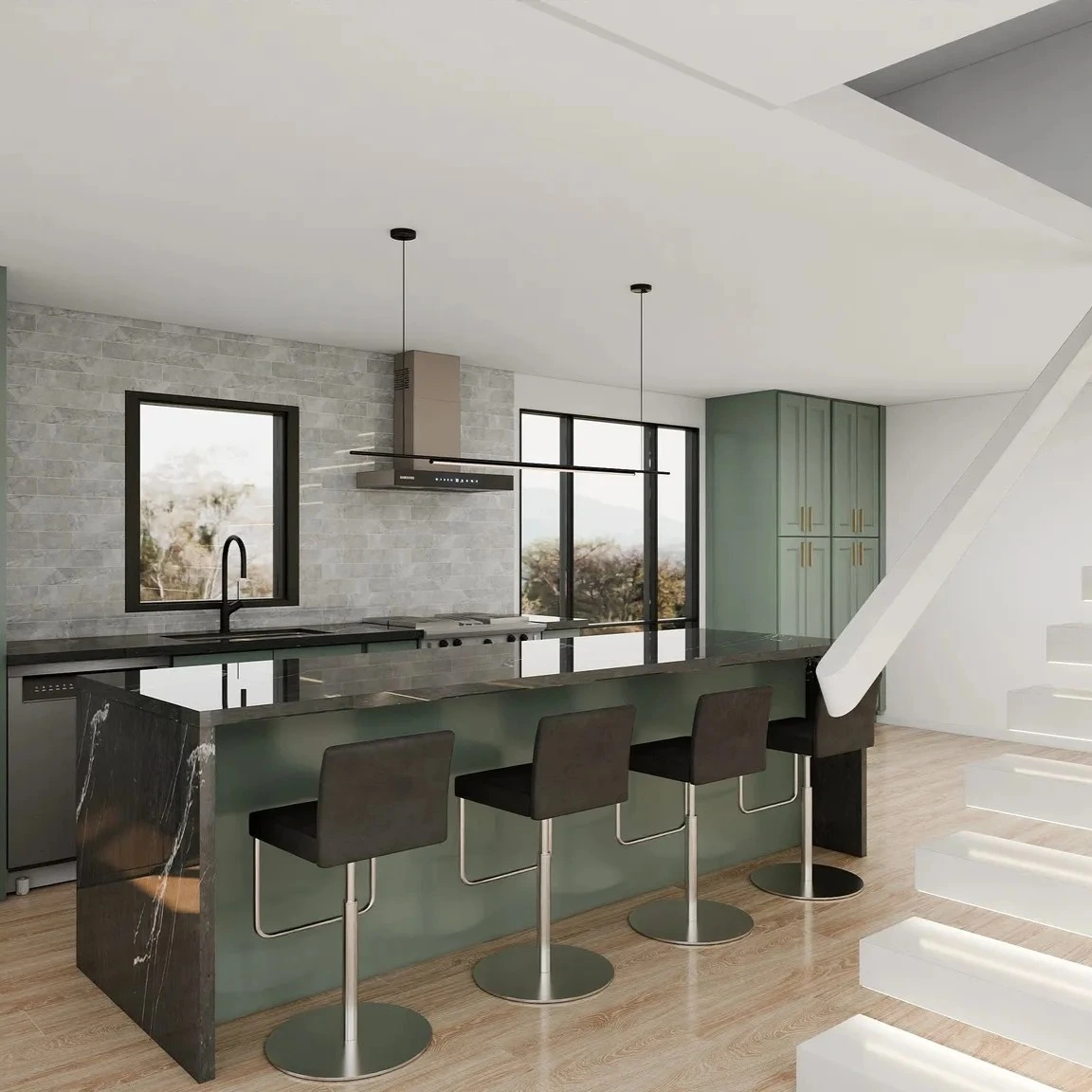
Defining what "budget," "mid-range," and "high-end" mean to you is a critical first step. Amid-range whole-home remodeltypically lands between$100,000 and $200,000. This level usually includes quality materials from well-known brands, some layout adjustments, and a full cosmetic overhaul. High-end projects, which can easily top$250,000, involve luxury materials, custom-built features, and often require the expertise of architects and designers. For example, a mid-rangekitchen remodelingproject might use semi-custom cabinets and quartz countertops, while a high-end one would feature fully custom cabinetry and a marble island.
A Quick Guide to Per-Square-Foot Costs
To make budgeting a little less intimidating, let's break down the per-square-foot costs again. For standard renovations, a good rule of thumb is$15 to $60 per square foot. This is a realistic range for projects focused on cosmetic updates without major structural changes. For high-end remodels involving significant alterations and premium materials, the cost can jump to$100 to $250 per square foot. Using these figures can help you create an initial estimate, but remember that every home is unique. To get a truly accurate quote, you’ll need a detailed assessment from an experiencedconstruction managerwho can account for the specific conditions of your property.
What Factors Drive Up Remodel Costs?
When you start planning a home remodel, it’s easy to get caught up in the exciting parts, like picking out new countertops or dreaming about an open-concept living space. But understanding the key factors that influence your total budget is the first step to a successful project. The final price tag isn't just about the materials you choose; it's a combination of your home's size, its current condition, your location, and the team you hire to bring your vision to life.
Several core elements consistently drive costs. The sheer scale of the project, measured in square footage, is a primary driver. The quality of finishes and materials you select can also cause your budget to swing dramatically. Labor, which often accounts for a huge chunk of the total expense, is another major factor, as is your home's age—older homes in areas like Georgetown or Capitol Hill can hide expensive surprises behind their walls. A clear understanding of these variables will help you set realistic expectations and make smarter decisions throughout theremodelingprocess.
Why Square Footage is a Key Factor
It’s a simple rule of thumb: the larger the space you’re renovating, the more it will cost. Every additional square foot adds to the amount of materials needed, from flooring and drywall to paint and trim. It also increases the hours of labor required to get the job done. Home renovations typically cost between $100 and $400 per square foot, so the size of your project is a foundational element of your budget. For example, a small powder room update will have a vastly different price point than a full primarybathroom remodelingproject that involves reconfiguring the layout and expanding the footprint. Thinking in terms of square footage helps you create a baseline for your initial cost estimates.
How Material Choices Affect Your Bottom Line
Your taste in materials and finishes has a major impact on your final bill. This is one area where you have the most control over your spending. Opting for high-end materials like marble countertops, custom cabinetry, and imported tile can quickly escalate project costs. On the other hand, choosing quality mid-range options like quartz, semi-custom cabinets, or durable luxury vinyl plank flooring can give you a beautiful result without breaking the bank. A successfulkitchen remodelingproject, for instance, hinges on finding the right balance between the materials you love and the budget you can afford. Thoughtful selections here can make all the difference.
Understanding Labor Costs and Contractor Expertise
Never underestimate the cost of skilled labor. The team of professionals you hire—including your general contractor, plumbers, electricians, and painters—can account for 30% to 50% of your total renovation budget. While it might be tempting to cut corners by hiring a less experienced crew, this often leads to costly mistakes and repairs down the road. Investing in a reputable company with a skilledconstruction managerensures the job is done right the first time. Expert craftsmanship, efficient project management, and a deep understanding of building codes are worth the price, providing peace of mind and a high-quality finish that lasts.
The Impact of Your Home's Location
Where you live plays a significant role in how much your remodel will cost. Labor rates, permit fees, and even the cost of materials can vary widely from one city to another. In a metropolitan area like Washington, D.C., you can expect to pay more for labor and services than you would in a more rural location. The logistics of working in dense neighborhoods like Dupont Circle or Adams Morgan, such as parking and material delivery, can also add to the overall expense. Your location is a fixed factor, but being aware of its impact helps you build a more accurate and realistic budget from the start.
Why Your Home's Age and Condition Matter
Older homes have a certain charm, but they can also come with hidden issues that drive up renovation costs. A house built decades ago may have outdated electrical wiring, old plumbing, or hazardous materials like asbestos that need to be addressed to meet current building codes. During demolition, it’s not uncommon to discover unexpected problems like water damage, pest infestations, or structural weaknesses. These surprises can be expensive to fix and must be resolved before any cosmetic work can begin. That’s why it’s crucial to work with aproject managerwho has experience with older homes and to build a healthy contingency fund into your budget.
A Room-by-Room Cost Breakdown
Thinking about a whole-house remodel can feel overwhelming, especially when it comes to the budget. The best way to get a handle on the numbers is to break the project down into smaller, more manageable pieces. The cost to renovate one room can be completely different from another, depending on the complexity, materials, and labor involved. For example, kitchens and bathrooms are typically the most expensive rooms to update because they require specialized trades like plumbing and electrical work, along with costly items like cabinetry and appliances.
On the other hand, bedrooms and living rooms are often more straightforward and budget-friendly. To give you a clearer picture, let's walk through the typical cost ranges for different areas of your home. This breakdown will help you understand where your money is going and allow you to prioritize which projects to tackle first. Remember, these are just estimates, and the final cost will depend on your specific choices and the unique conditions of your home. A detailed quote from a trustedproject manageris the best way to get an accurate figure for your vision.
Estimating Your Kitchen Remodel
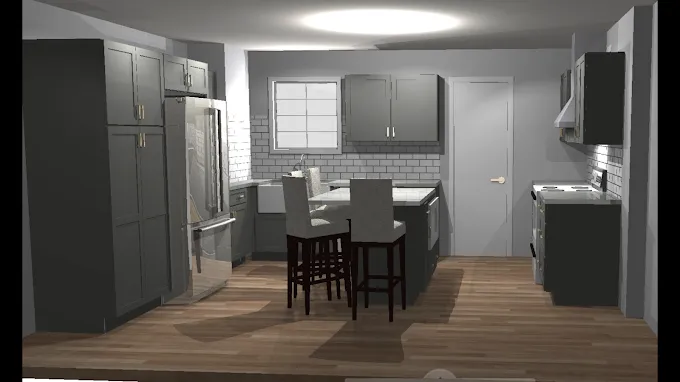
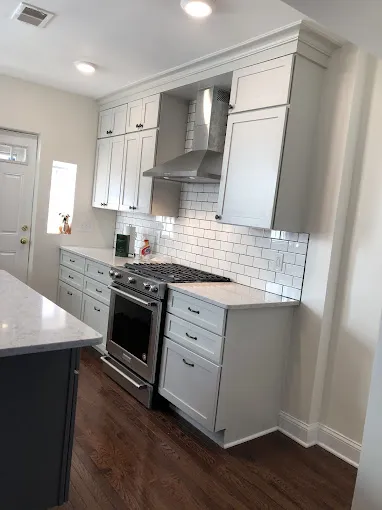
The kitchen is often called the heart of the home, and it’s also one of the most popular—and expensive—rooms to renovate. A basic refresh might cost around $10,000, but a high-end, customkitchen remodelingproject can easily exceed $100,000. For a solid mid-range remodel, homeowners typically spend around $30,000. This price range usually covers new semi-custom cabinets, quality countertops like quartz, a new sink and faucet, energy-efficient appliances, and updated flooring. The final price tag is heavily influenced by the quality of materials you choose and whether you decide to change the room's layout, which can involve moving plumbing and electrical lines.
Budgeting for a Bathroom Renovation
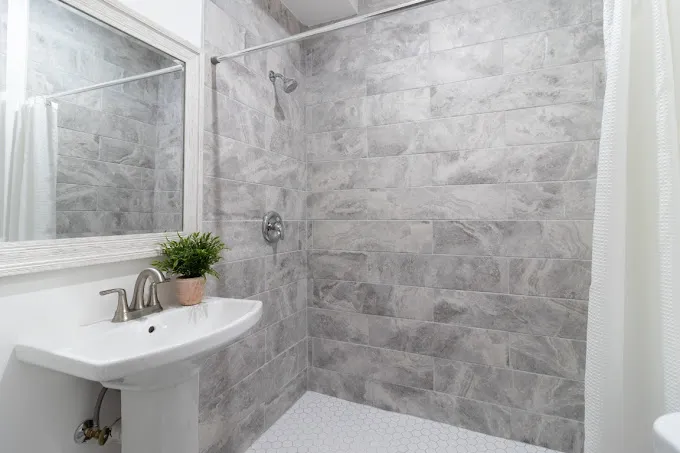
A bathroom renovation is another project with a wide cost spectrum. A simple powder room update could be as little as $5,000, while a luxury primary suite overhaul can climb to $50,000 or more. On average, a standard fullbathroom remodelingproject falls between $12,000 and $25,000. This typically includes a new vanity, toilet, and tub or shower, along with new tile, fixtures, and lighting. Costs can increase quickly if you opt for high-end materials like natural stone, add custom features like a steam shower, or need to reconfigure the plumbing to create a more functional layout.
Pricing Out Living Area and Bedroom Updates
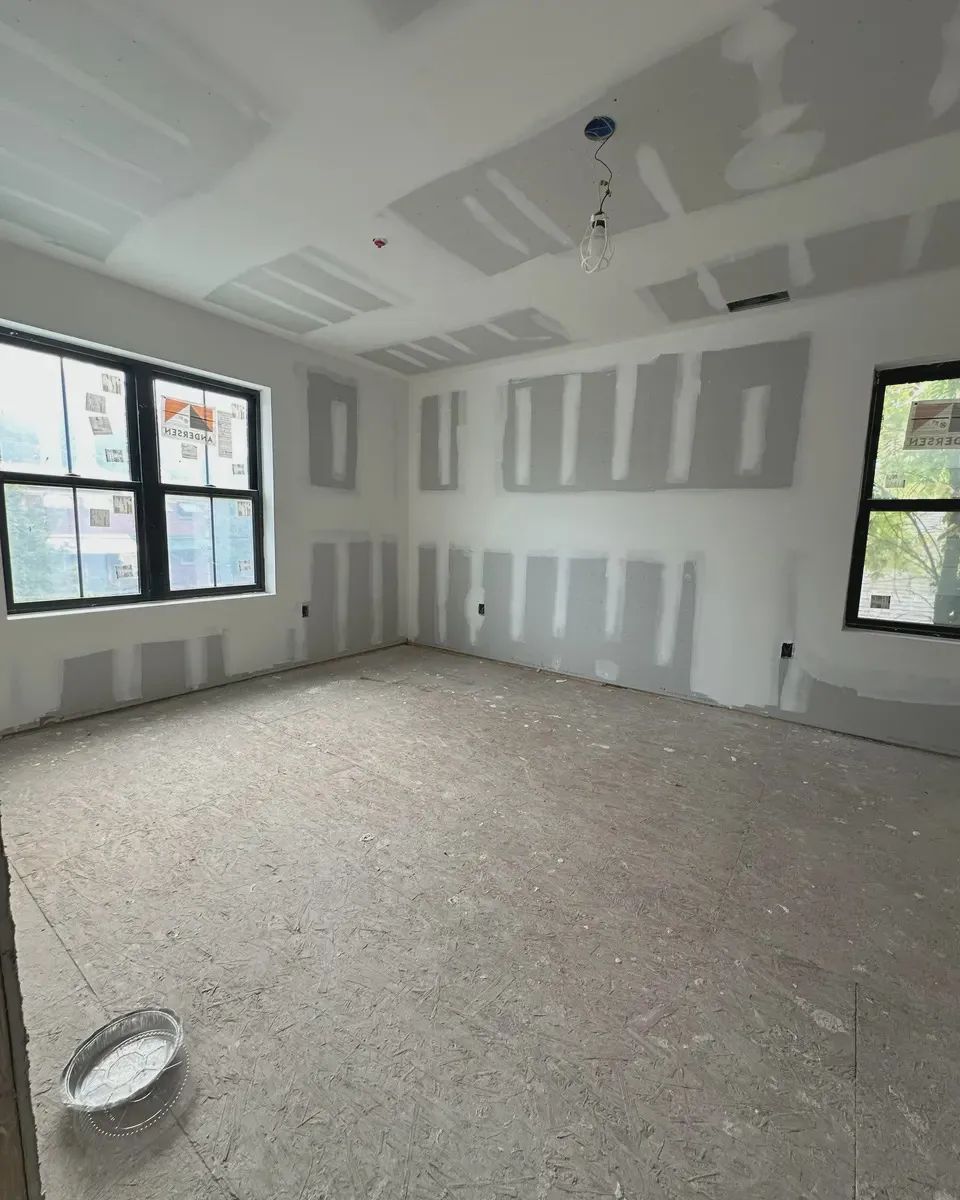
Updating living rooms and bedrooms is generally less expensive than kitchens and bathrooms because these spaces don't require extensive plumbing or major appliances. A living room refresh can cost anywhere from $2,000 to $10,000, while bedroom renovations usually range from $1,500 to $7,500. The main cost drivers in these rooms are flooring, paint, lighting fixtures, and any custom work like built-in shelving or cabinetry. These updates are a fantastic way to improve the daily comfort and aesthetic of your home without the complexity of a full-scaleremodelingproject in a utility-heavy space.
Factoring in Exterior and Structural Work
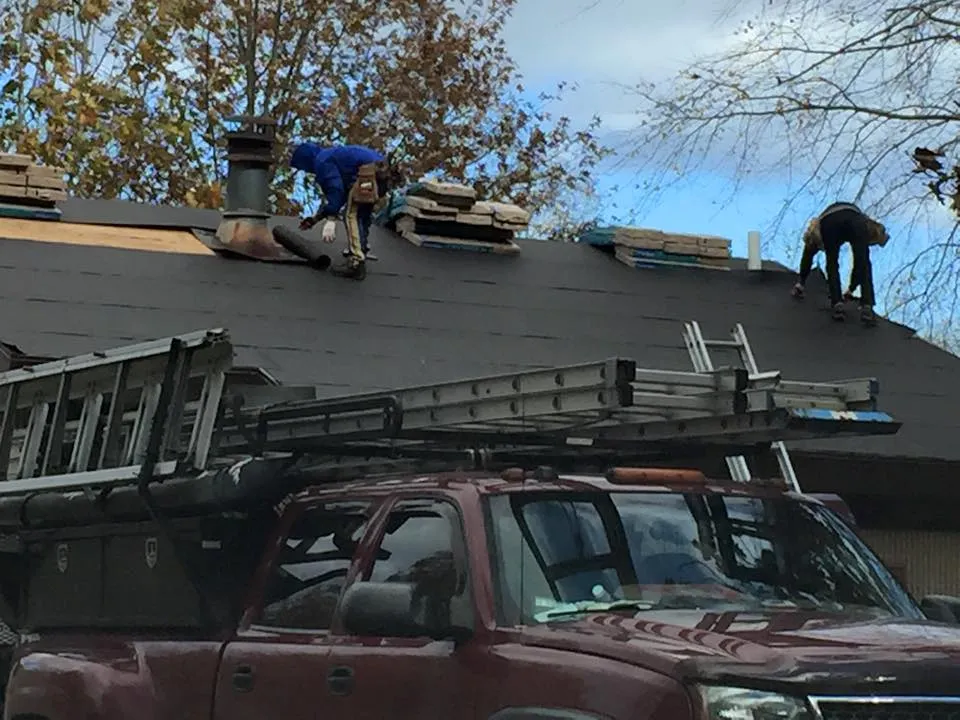
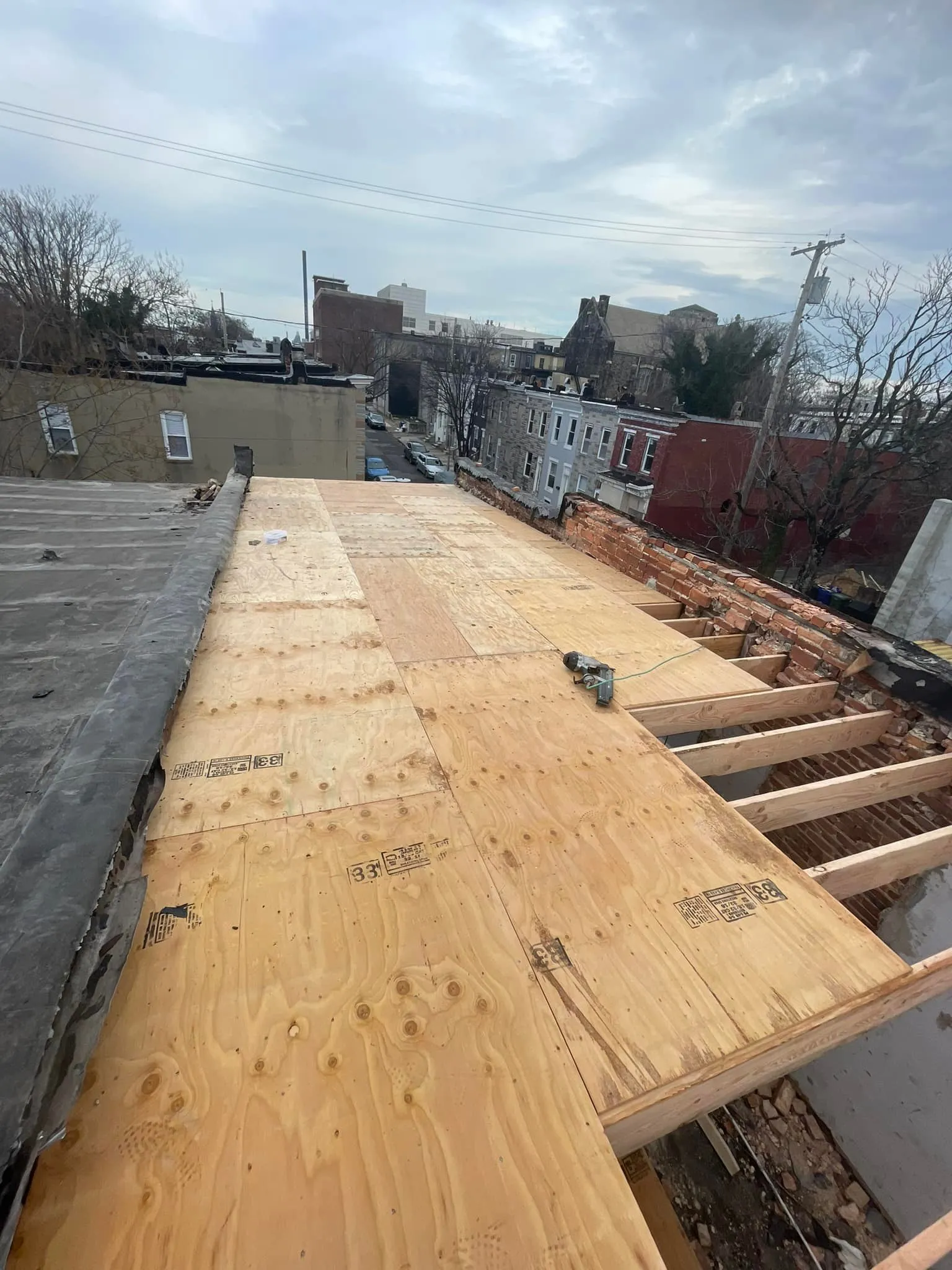
Don't forget about the outside of your house—it’s the first impression people have and your home's primary defense against the elements. Exterior renovations can be a significant investment. For instance, installing newsidingcan cost between $8,000 and $20,000, while a full roof replacement typically ranges from $10,000 to $25,000. If you're dreaming of a new outdoor living space, buildingdecks and patiosis another cost to consider. More serious structural work, like foundation repairs, can add tens of thousands of dollars to your budget, so it's crucial to have a thorough inspection before you begin.
What Are the Hidden Costs of Remodeling?
Even the most carefully planned budget can have a few surprises. When you start a whole house remodel, you’re dealing with many variables, and some costs just don’t show up until work is underway. Thinking about these potential expenses ahead of time is the best way to protect your budget and your peace of mind. From city permits to the surprises lurking behind your drywall, being prepared for the unexpected is a key part of a successful renovation. Let's walk through the most common hidden costs so you can factor them into your financial plan from day one.
Don't Forget Permits and Inspection Fees
Before a single wall comes down, you’ll likely need to account for permits. In the Washington, D.C. area, most significantremodelingprojects—especially those involving structural changes, plumbing, or electrical work—require official permits and inspections. These aren't just bureaucratic hoops to jump through; they ensure the work is done safely and meets local building codes. The cost can range from a few hundred to several thousand dollars, depending on your project's scope. A professional contractor will manage the application process for you, but it’s important to remember that the fees themselves are a separate line item you’ll need to budget for.
Addressing Structural Repairs and Code Updates
The real unknowns of a remodel often appear after demolition begins. Once the walls are open, you might find unwelcome surprises, especially in older homes. Common issues include rotted wood from a past leak, termite damage, or even foundation problems that need immediate attention. Beyond repairs, you may also be required to bring parts of your home up to current building codes. For example, akitchen remodelingproject might trigger a requirement to update the room's electrical wiring. These fixes are non-negotiable for the safety and integrity of your home, so it's wise to anticipate the possibility of these costs.
Upgrading Essential Systems: Electrical and Plumbing
Outdated systems are one of the most common sources of unexpected remodeling expenses. A home built decades ago simply wasn't designed for the demands of modern life. You might discover old knob-and-tube wiring that can't safely power your new appliances or aging galvanized pipes that are corroded and affecting water pressure. While it can be frustrating to spend money on things you can't see, upgrading your electrical and plumbing systems is a critical investment. It not only ensures your home functions properly but also protects its long-term value and, most importantly, your family’s safety.
Planning for Unexpected Issues
Beyond structural and system-related problems, other issues can pop up during a renovation. Your team could uncover hazardous materials like asbestos or lead paint, which require specialized and costly removal. Sometimes, a product you selected becomes unavailable due to supply chain issues, forcing you to find a new option that might be more expensive. This is where having a contingency fund becomes essential. It’s also why working with an experiencedproject manageris so valuable. They can anticipate potential problems, manage solutions efficiently, and keep your project moving forward with minimal disruption.
How to Create a Realistic Remodel Budget
Creating a budget for a whole house remodel can feel like the most daunting part of the project, but it doesn’t have to be. Think of it as your roadmap—a tool that gives you control and clarity from start to finish. A realistic budget isn't just about picking a number out of thin air; it's about understanding your home's needs, defining your priorities, and planning for the unexpected. When you know where your money is going, you can make confident decisions and avoid those stressful, last-minute financial scrambles.
The key is to break the process down into manageable steps. By starting with a clear picture of your home's current condition and getting detailed information from professionals, you can build a budget that aligns with your vision and your wallet. This isn't about limiting your dreams, but about making them happen smartly. With a solid plan, you can focus on the exciting part: watching your home transform.
Start with a Thorough Home Inspection
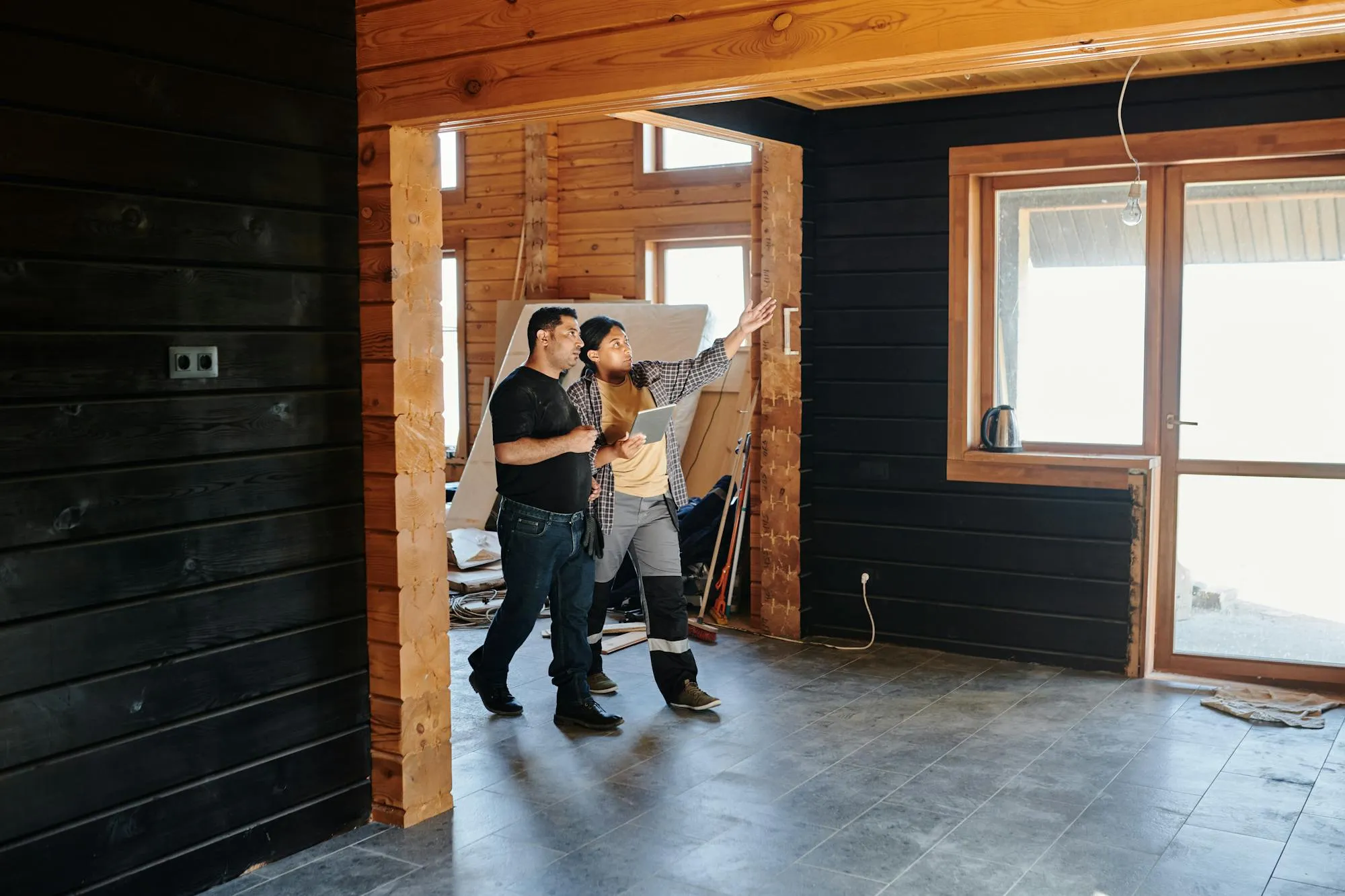
Before you even think about paint colors or new countertops, you need to know what’s going on behind your walls. A thorough home inspection is the single most important first step in budgeting, especially for the beautiful but often unpredictable older homes in the D.C. area. An inspector will assess the "bones" of your house—the foundation, roofing, plumbing, and electrical systems.
This isn't about finding flaws; it's about uncovering potential surprisesbeforethey derail your budget. Discovering foundation problems or outdated wiring mid-project can lead to costly delays. An upfront inspection gives you a complete picture, allowing you to factor any necessary structural or systems-basedremodelinginto your initial budget, not as a costly afterthought.
Build a 20-30% Contingency Fund
Here’s a rule every seasoned homeowner and contractor lives by: expect the unexpected. A contingency fund is a portion of your budget—ideally 20% to 30% of your total project cost—set aside exclusively for unforeseen issues. This isn't a "nice-to-have"; it's a non-negotiable part of a realistic budget, especially with old homes. During a remodel, it’s common to find things like hidden water damage, pest infestations, or structural issues that weren't visible during the initial inspection.
Without a contingency fund, these discoveries can force you to make tough choices, like scaling back on finishes or pausing the project altogether. Think of this fund as your project’s safety net. It provides peace of mind and ensures that a surprise problem doesn’t turn into a financial crisis.
Get Detailed Quotes from Contractors
Once you have a clear scope of work, it’s time to get quotes from professional contractors. A vague estimate on the back of a napkin won’t cut it. You need a detailed, itemized quote that breaks down the costs for every single component of the project, from labor and materials to permits and cleanup. Ask contractors to list every item so you know exactly where your money is going.
Getting multiple detailed quotes allows you to compare apples to apples and understand any variations in pricing. A dedicatedproject managercan help you sort through these details to find the right fit. This transparency not only helps you finalize your budget but also serves as a critical reference point throughout the renovation, preventing misunderstandings down the line.
Prioritize Projects by Need and Impact
It’s easy to get swept up in the excitement of a remodel, but it’s important to distinguish between your "wants" and your "needs." Start by asking yourself what the primary goal of your remodel is. Are you fixing functional issues, updating an old look, or improving your home's resale value? Your answer will help guide your decisions.
A great way to do this is to create three lists: Must-Haves, Nice-to-Haves, and Dream Items. Must-haves are the non-negotiables, like fixing a leaky roof or akitchen remodelingproject to improve workflow. This exercise forces you to think critically about where your money will have the most impact, ensuring your budget is allocated to the things that matter most to you.
Which Remodels Offer the Best ROI?
When you invest in your home, you want to know you’re putting your money where it counts. Return on investment, or ROI, isn’t just about the resale value—it’s also about improving your daily life and preventing future headaches. Some projects simply deliver more value than others. If you’re looking to make smart, impactful updates, focusing on a few key areas can give you the most bang for your buck, both now and when it’s time to sell.
Kitchen and Bathroom Renovations
It’s no secret that kitchens and bathrooms sell houses. These are the functional heart of a home, and buyers pay close attention to them. While they can be some of the more expensive rooms to update due to plumbing, fixtures, and cabinetry, a thoughtfulkitchen remodelingproject consistently offers one of the highest returns. The same goes for abathroom refresh. You don’t necessarily need a full gut job; even minor updates like new countertops, modern fixtures, and fresh tile can make a huge difference. These upgrades not only add significant resale value but also make your home more enjoyable and efficient for you and your family.
Curb Appeal and Exterior Improvements
First impressions are everything. What a potential buyer sees from the street sets the tone for their entire viewing. That’s why exterior upgrades that enhance curb appeal provide such a fantastic ROI, often recouping 70% to 90% of their cost. Investing in newsidingcan completely transform your home’s appearance while also improving insulation. A new roof is another high-value project that offers peace of mind and protection. Don’t forget about outdoor living spaces, either. Adding or updatingdecks and patiosextends your living area and is a highly desirable feature for many homeowners in the D.C. area.
Energy-Efficient Upgrades
Practical upgrades that save money are always a smart move. Swapping out old windows for new, energy-efficient models or updating your HVAC system might not be as glamorous as a new kitchen, but the benefits are twofold. First, you’ll see an immediate reduction in your monthly utility bills. Second, these features are a major selling point for modern buyers who are increasingly eco-conscious and budget-savvy. Highlighting energy-efficient upgrades can make your home stand out and justify a higher asking price, making them a solid long-term investment.
Major System Updates
Some of the most important investments are the ones you can’t see. Updating major systems like your electrical and plumbing is crucial for your home’s safety and longevity. While these projects don’t offer the same visual wow factor, they prevent costly emergency repairs down the road. A qualityremodelingproject that includes these foundational updates adds lasting value. Knowing that the home’s core systems are modern and up to code gives both you and future buyers incredible peace of mind, making it a worthwhile and responsible investment in your property.
How Can Design Choices Control Costs?
Your design choices are one of the most powerful tools you have for keeping a remodeling budget in check. While it’s easy to get swept up in high-end finishes and dream layouts, making strategic decisions from the start can save you thousands without sacrificing the final look. It’s not about cutting corners; it’s about being smart with your resources. Thinking through how you use your space and what truly matters to you will help you allocate funds effectively.
The key is to balance aesthetics, function, and cost. For example, keeping your home’s existing layout is one of the biggest ways to save money, as moving walls or plumbing lines adds significant labor and material costs. A skilledproject managercan be an invaluable partner in this process, helping you identify cost-effective alternatives that still achieve your vision. By planning carefully and making informed choices about materials, appliances, and priorities, you can create a beautiful, functional home that respects your budget.
Choose Mid-Range Materials Over High-End Finishes
You can achieve a luxurious look without the premium price tag. While materials like marble countertops and fully custom cabinets are beautiful, they can quickly inflate your project costs. Instead, explore high-quality, mid-range alternatives that offer similar style and durability. For instance, quartz and granite are excellent, hard-wearing countertop options that often cost less than high-end marble.
For cabinetry, semi-custom or even stock options with upgraded hardware can provide a high-end feel for a fraction of the price. The same principle applies to flooring, where luxury vinyl plank offers the look of hardwood with greater durability and a lower cost. Choosing these materials allows you to create a stunning space while keeping more money in your pocket for other priorities.
Optimize Your Space with Smart Storage
An organized and efficient layout can make a home feel more spacious and functional, sometimes even eliminating the need for a costly addition. Instead of focusing on adding square footage, think about maximizing the space you already have. Smart storage solutions are a fantastic way to do this, adding long-term value and daily convenience.
During akitchen remodelingproject, consider features like pull-out pantry shelves, drawer dividers, or a corner cabinet carousel to make every inch accessible. In bedrooms and hallways, custom-designed closets can double your storage capacity. By investing in good-quality cabinets and well-designed storage, you create a home that works better for you without the expense of a major structural change.
Select Energy-Efficient Appliances and Fixtures
Choosing energy-efficient products is an investment that pays you back over time. While these appliances and fixtures might have a slightly higher upfront cost, they can lead to significant savings on your monthly utility bills. When you’re planning abathroom remodelingproject, look for WaterSense-labeled toilets, faucets, and showerheads, which use less water without sacrificing performance.
For your kitchen, select appliances with the ENERGY STAR rating to reduce electricity consumption. The same goes for windows, insulation, and your HVAC system. These upgrades not only lower your living expenses but also make your home more attractive to future buyers, adding to its overall value. It’s a practical choice that benefits both your wallet and the environment.
Know Where to Splurge and Where to Save
A successful remodel budget is all about priorities. Before you begin, take time to decide what you really need versus what you just want. It’s wise to splurge on the elements you interact with every day or that have a major structural impact. This includes durable flooring in high-traffic areas, quality kitchen countertops, and foundational work like roofing or siding. These are items that are difficult and expensive to change later.
On the other hand, you can save on things that are easier to update down the road. Think decorative light fixtures, cabinet hardware, paint colors, and window treatments. By making these design decisions early and sticking to them, you can avoid expensive, last-minute changes and focus your spending on the features that matter most.
How to Handle Unexpected Expenses
Even with the most meticulous plan, a whole house remodel can reveal a few surprises. It’s the nature of tearing down walls and pulling up floors—you never know exactly what you’ll find underneath. Instead of letting the fear of the unknown derail your project, the best approach is to plan for it. Unexpected expenses don’t have to be a crisis if you’ve prepared for them from the start.
Think of it as building a financial cushion. Issues like hidden water damage, outdated electrical wiring that isn’t up to code, or structural problems can pop up, especially in the beautiful older homes found throughout the D.C. area. A greatremodelingpartner will help you anticipate potential issues based on your home’s age and condition, but some problems are impossible to predict. By taking a few proactive steps, you can ensure that when a surprise does arise, you have the resources and the plan to handle it without stress.
Get a Pre-Renovation Home Inspection
Before you finalize your budget or start demolition, invest in a thorough home inspection. This is different from the inspection you get when buying a house; this one is specifically focused on identifying potential roadblocks for your remodel. An experienced inspector can spot red flags that might not be obvious, like subtle signs of foundation issues, aging plumbing, or an electrical panel that can’t handle modern demands. For older homes, this step is critical. Discovering a major foundation problem after the project has started can be a budget-breaking disaster, so it’s far better to know what you’re up against from day one.
Use Your Contingency Fund Wisely
A contingency fund is a non-negotiable part of your remodeling budget. This is a pot of money, typically 10% to 20% of your total project cost, set aside exclusively for unexpected expenses. For older homes or more complex renovations, you might even consider a 25% cushion. This isn’t “extra” money; it’s a realistic buffer that protects your project. When your contractor discovers knob-and-tube wiring that needs a complete overhaul, you can approve the work without derailing your finances or sacrificing the finishes you love. A dedicatedproject managerwill help you track these expenses and make informed decisions about how to use your fund.
Understand Permit Requirements Upfront
Permits are an often-overlooked expense that can add up. Any project that involves changing your home’s structure, electrical, or plumbing systems will likely require permits from your local D.C. or county jurisdiction. These fees need to be factored into your initial budget. Working with an experienced contractor is a huge advantage here, as they understand the local codes and the permitting process. They can handle the paperwork and ensure all work is inspected and approved, saving you from potential fines and the headache of having to redo work that wasn't up to code. This is especially important for large-scalenew custom homesand additions.
Plan for Potential Delays
Time is money, and project delays can lead to increased costs. A delay could be caused by anything from a special-order item being backordered to discovering asbestos that requires professional abatement. These interruptions can extend labor costs and, if you’re living elsewhere during the renovation, add to your temporary housing expenses. While a skilledconstruction managerwill build a realistic timeline with some buffer, it’s wise to be mentally and financially prepared for the project to take a bit longer than the initial estimate. Open communication with your contractor is key to managing delays and adjusting the plan as needed.
How to Finance Your Whole House Remodel
A whole-house remodel is a major investment, and figuring out how to pay for it is just as important as choosing your new countertops. While paying with cash is an option for some, most homeowners use financing to bring their vision to life without draining their savings. The good news is you have several solid options for funding your project. The key is to find the one that aligns with your financial situation and the scope of your renovation. From leveraging your home's value to exploring specialized loans, let's walk through the most common ways to finance your dream home transformation.
This process can feel overwhelming, but breaking it down makes it much more manageable. Think of it as the first foundational step in your project—getting your finances in order ensures everything else, from demolition to the final coat of paint, goes smoothly. We'll cover the most popular routes, from using the equity you've already built in your home to securing loans designed specifically for renovations. Understanding these options ahead of time helps you have more productive conversations with both your lender and your contractor. It empowers you to make confident decisions, ensuring your budget is realistic and your financial plan is sound before the first hammer swings.
Explore Home Equity Loans and Lines of Credit (HELOCs)
If you’ve been in your home for a few years, you’ve likely built up some equity—the difference between what your home is worth and what you owe on your mortgage. You can borrow against this value with a home equity loan or a Home Equity Line of Credit (HELOC). A home equity loan gives you a lump sum of cash with a fixed interest rate, which is great for projects with a clear, upfront cost. A HELOC, on the other hand, works more like a credit card. It gives you a revolving line of credit you can draw from as needed, which offers flexibility for ongoing projects like a fullbathroom remodelingproject where costs might change.
Consider Personal or Renovation Loans
Don't have enough equity, or prefer not to use it? Personal loans and renovation loans are excellent alternatives. A personal loan is typically unsecured, meaning you don’t have to use your home as collateral. The approval process is often faster, though interest rates might be a bit higher. There are also specific renovation loans, like the FHA 203(k) loan, designed to roll the cost of yourremodelingproject into your mortgage. These are fantastic options if you’re buying a fixer-upper or want to tackle a major overhaul right away. They allow you to finance the home and the renovation costs in one convenient package.
Weigh the Pros and Cons: Cash vs. Financing
Paying for your remodel with cash is tempting because it means no monthly payments or interest charges. It’s a straightforward approach if you have substantial savings. However, it’s crucial not to wipe out your emergency fund. Unexpected life events happen, and you don’t want your renovation to leave you financially vulnerable. This is where financing options really shine. Securing a loan allows you to keep your savings intact for a rainy day while still moving forward with your project. It lets you complete your entire vision now instead of piecing it together over several years as you save up. The right choice really comes down to your personal financial comfort level.
Understand Your Loan Terms and Requirements
Once you decide to finance, it’s time to do your homework. Don’t just go with the first lender you find. Shop around to compare interest rates, closing costs, and repayment terms. Read the fine print carefully to make sure you understand all the details. Lenders will also want to see a detailed project plan and budget. This includes accounting for things like city permits, which are necessary for any structural work. Working with a professionalconstruction managercan help ensure your quotes are accurate and your plans are solid, which can make the loan approval process much smoother.
How to Work with a Professional Contractor
Choosing the right contractor is one of the most critical decisions you'll make for your whole house remodel. This partnership will shape your experience for weeks or even months, and the right team can make the difference between a stressful ordeal and a smooth, exciting transformation. A great contractor does more than just build—they act as your guide, problem-solver, and the primary steward of your budget and timeline. They bring the expertise needed to anticipate challenges, source quality materials, manage subcontractors, and turn your vision into a functional, beautiful reality.
The key to a successful project lies in establishing a solid working relationship built on trust and transparency from the very beginning. This involves three main steps: finding a qualified team you trust, making sure you understand every detail of the contract, and maintaining open lines of communication throughout the entire process. When you invest time in these areas upfront, you set the stage for a successfulremodelingproject that meets your expectations and stays on budget. Think of your contractor as your most important collaborator; finding the right one is the first step toward building the home you’ve always wanted.
Find the Right Remodeling Company
Your search for a contractor should start with the essentials: make sure any company you consider is licensed, insured, and has a strong portfolio of completed projects. Once you’ve narrowed down your list, it’s time to ask some direct questions. Inquire about their experience with projects similar to yours, whether it’s a complexkitchen remodelingproject or a full-scale residential build. Ask how they create and manage project timelines and, just as importantly, how they handle unexpected changes or challenges. A reputable contractor will have clear, confident answers and a transparent process they’re happy to share. This initial conversation is your best tool for gauging their professionalism and seeing if their working style is a good fit for you.
Understand Your Contract and Estimate
Once you’ve chosen a contractor, the next step is to review the contract and estimate with a fine-tooth comb. Don’t just skim the total cost. A professional estimate should provide a detailed breakdown of every line item, from materials and labor to permits and fees. This transparency is crucial because it shows you exactly where your money is going and helps you manage your budget effectively. Before signing, make sure you understand the payment schedule, the defined scope of work, and the process for approving any changes. A dedicatedproject managerwill walk you through these documents, ensuring everything is clear and agreed upon before any work begins. This document is your roadmap for the entire project, so take the time to understand it completely.
Manage Project Timelines and Communication
Clear and consistent communication is the glue that holds aremodelingproject together. A reliable contractor will be upfront about the schedule, potential disruptions, and what you can expect at each phase of the project. To keep things running smoothly, establish a communication plan from the start. Decide how and when you’ll have check-ins—whether it’s a quick daily text or a more detailed weekly meeting. Having a designatedconstruction manageras your point of contact can streamline this process immensely. Open dialogue ensures that you’re always informed, questions are answered quickly, and any potential issues are addressed before they become major problems. This collaborative approach helps keep your project on track and your stress levels low.
Related Articles
Frequently Asked Questions
How long does a whole house remodel typically take?The timeline can vary quite a bit, but for a complete renovation, it's best to plan for several months. A smaller home with mostly cosmetic updates might take 3 to 4 months, while a larger project involving structural changes or additions could easily last from 6 months to a year. Things like permit approvals, the availability of your chosen materials, and any unexpected repairs all influence the schedule. Your contractor should give you a detailed timeline upfront so you have a clear roadmap.
Is it better toremodel the whole house at once or do it in phases?This really depends on your budget and how much disruption you can manage. Completing the entire project at once is often more efficient and can be more cost-effective in the long run since you're consolidating labor and material orders. However, renovating in phases is a great way to spread out the cost and continue living in your home during the work. If you choose to phase the project, it's smart to plan everything from the beginning to ensure each stage flows logically into the next.
What's the first step I should take if I'm just starting to think about a remodel?Your very first step should be to define your goals. Before you look at a single tile sample or call a contractor, sit down and get clear on what you want to achieve. Ask yourself why you want to remodel—are you fixing functional problems, updating the style, or preparing to sell? Once you have a clear vision and a list of your must-haves, you'll be in a much better position to create a realistic budget and have productive conversations with professionals.
How can I be sure I'm getting a fair price from a contractor?The best way to ensure a fair price is to do your homework. You should always get detailed, itemized quotes from at least three different licensed and insured contractors. A vague, one-page estimate isn't enough. A professional quote will break down the costs for labor, materials, and permits, allowing you to compare the specifics. Also, be sure to check references and look at their past work to confirm you're not just getting a good price, but also high-quality craftsmanship.
Do I really need a 20-30% contingency fund? That seems like a lot.It might sound like a lot, but that contingency fund is your project's most important safety net. In an older home, it's almost a guarantee that you'll uncover something unexpected once the walls are opened up, like outdated wiring or a hidden leak. This fund ensures that a surprise doesn't force you to compromise on the parts of the remodel you care about most. It's better to have it and not need it than to need it and not have it.