Cost to Install Hardwood Floors: A Full Breakdown
When planning for new hardwood floors, it’s easy to focus on the exciting parts, like choosing between oak and maple. But a successful project starts with a realistic budget. The sticker price of the wood is just one piece of the puzzle. To truly understand thecost to install hardwood floors, you have to look at the whole picture, including labor, subfloor repairs, and material disposal. We see homeowners get caught off guard by these "hidden" expenses all the time. This guide will shine a light on every potential cost, helping you avoid common budgeting mistakes and ensuring a smooth process from start to finish.
Key Takeaways
Understand the Full Cost Picture: The per-square-foot price is a helpful baseline, but your final cost is influenced by your choice of wood, the complexity of the room's layout, and necessary prep work like subfloor repairs.
Budget for More Than Just the Wood: A realistic budget accounts for often-overlooked expenses. Remember to include costs for removing old flooring, installing new trim and molding, and any necessary underlayment or moisture barriers.
Prioritize a Quality Installation: Investing in a professional installer prevents expensive mistakes down the line. Always get detailed, itemized quotes and plan to order 5-10% extra material to account for cuts and future repairs.
How Much Do Hardwood Floors Really Cost?
Let's talk numbers. You've been dreaming of beautiful, timeless hardwood floors, but the big question is always: what's it going to cost? It's one of the most common questions we get, and for good reason. Installing newflooringis a significant investment in your home, but it's one that pays off in both beauty and value. The final price tag can vary quite a bit based on the wood you choose, the size of your space, and a few other key details. Let's break it all down so you can budget with confidence.
Breaking Down the Price Per Square Foot
The best way to start budgeting is to look at the cost per square foot. Generally, you can expect the price to install hardwood floors to fall somewhere between $6 and $18 per square foot. This range is a helpful baseline because it typically includes both the materials and the professional labor needed for the job. Think of it as your all-in starting point. While every project is unique, understanding this average gives you a solid foundation to begin planning yourremodelingproject and comparing quotes from contractors.
Estimating Your Total Project Cost
So, what does that per-square-foot price look like for an actual room? For a standard 200-square-foot space—think a living room or primary bedroom—homeowners often spend between $1,200 and $3,600. Some sources note that for solid hardwood specifically, the totalinstallation costcan range from $11 to $25 per square foot. This wider range accounts for more premium materials and complex installation patterns. It’s a great example of how your specific choices can shift the numbers, but it helps you see a realistic total for a single room before you get started.
How Your Choice of Wood Affects the Price
This is where your personal style really comes into play—and where the budget can see the biggest swings. The type of wood you select is a major cost driver. Common domestic woods like oak and maple are beautiful, durable, and more affordable, often landing in the $8 to $15 per square foot range. If you have your heart set on exotic species like mahogany or teak, expect to be at the higher end, closer to $25 per square foot. You'll also choose between solid and engineered wood. While their costs can overlap, a detailedhardwood flooring cost guideshows that engineered wood can sometimes be a more budget-friendly option and offers better resistance to humidity—a big plus here in the D.C. area.
What Factors Drive Up Your Installation Cost?
When you start budgeting for new hardwood floors, the price of the wood itself is just one piece of the puzzle. Several other factors can significantly influence your total project cost, from the condition of your subfloor to the complexity of the room's layout. Understanding these variables ahead of time helps you create a more realistic budget and avoid surprises down the road. A professional quote from aremodeling expertwill break these down for you, but it’s smart to know what to look for. Let's walk through the key elements that shape the final price tag for your beautiful new floors.
Hardwood Material and Quality Grade
The type of wood you choose is the biggest driver of your material costs. You’ll generally choose between solid hardwood and engineered hardwood. Solid wood is a timeless choice that can be sanded and refinished multiple times, but it can be more susceptible to humidity changes. Engineered wood, on the other hand, offers more stability in moisture-prone areas like basements. Thecost of hardwood flooringvaries widely based on species, with domestic woods like oak and maple being more affordable than exotic species like Brazilian cherry or tigerwood. The grade of the wood, which describes its appearance in terms of knots and color variations, will also affect the price.
Room Size, Layout, and Design Pattern
It makes sense that the larger the room, the more you'll pay for materials and labor. But the room's shape is just as important. A simple, square room is straightforward to install, while a room with curves, multiple corners, or built-in features requires more intricate cuts and fitting, which increases labor time and cost. If you’re dreaming of a more complex design, like a herringbone or chevron pattern, be prepared for a higher installation fee. These patterns require meticulous work and generate more material waste, which is why a standard straight-lay pattern is the most budget-friendlyflooring installationoption.
Subfloor Condition and Prep Work
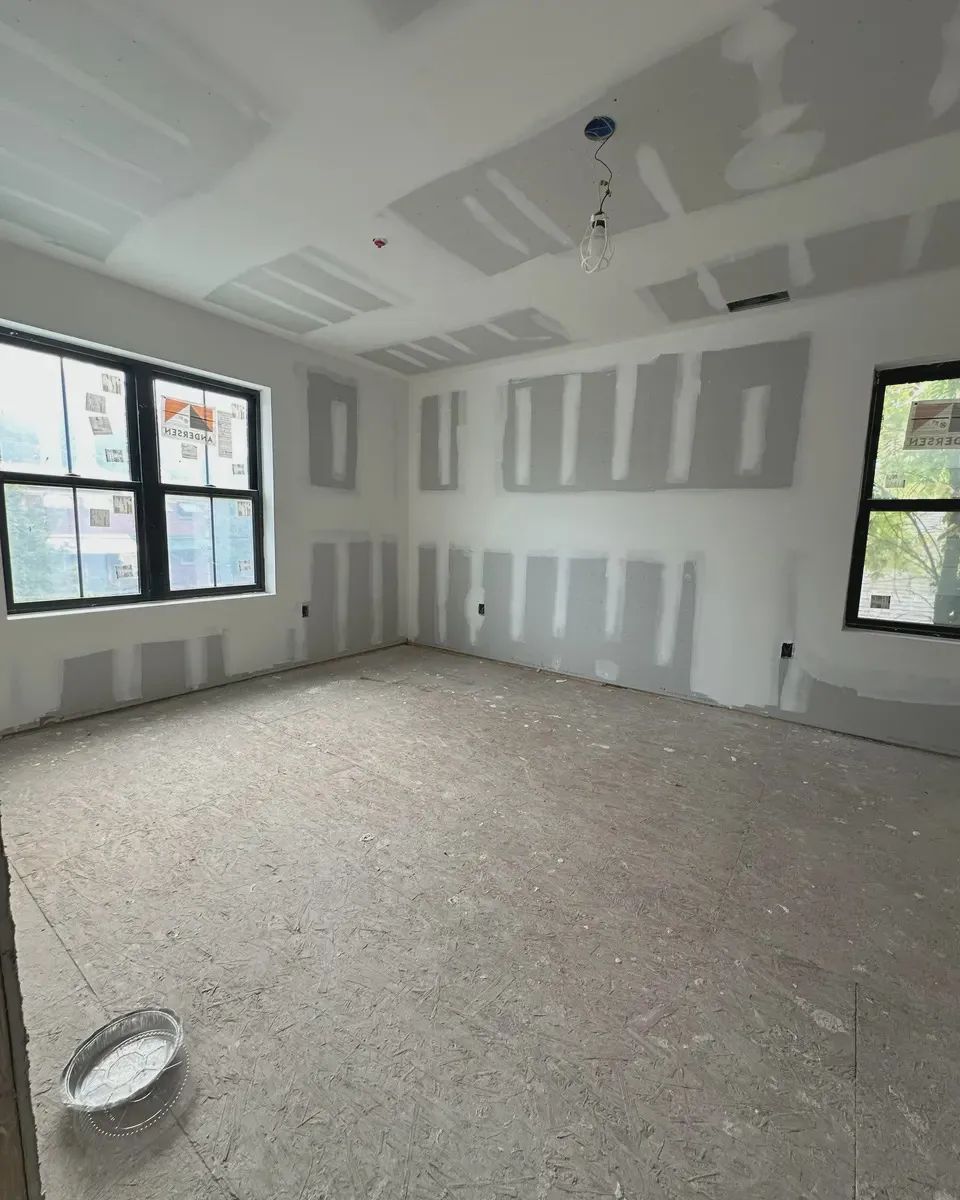
What lies beneath your new floors is critical. A successful hardwood installation requires a subfloor that is clean, dry, and perfectly level. If your existing subfloor is damaged, uneven, or needs to be replaced, that prep work will add to your overall cost. This might involve removing old flooring, securing loose panels, or pouring a self-leveling compound to create a smooth surface. While it’s an extra expense, proper subfloor preparation is non-negotiable. Skipping this step can lead to squeaky, uneven floors and long-term damage, so it’s an investment in the quality and longevity of your new hardwood.
Your Location and Local Labor Rates
Where you live plays a significant role in your total installation cost. Labor rates can vary dramatically from one region to another, and they are typically higher in major metropolitan areas like Washington, D.C., compared to more rural locations. The cost of living, demand for skilled labor, and local business expenses all factor into what contractors charge. This is why getting multiple quotes from local, reputable installers is so important. It gives you a clear picture of the going rate in your specific area and helps you find a fair price for high-quality work from a trustedconstruction manager.
The Installation Method You Choose
The way your hardwood planks are installed also impacts the final cost. The three primary methods are nail-down, glue-down, and floating. The nail-down method is a traditional technique used for solid hardwood over a wooden subfloor. The glue-down method can be more labor-intensive and requires a significant amount of strong adhesive, which can increase the price. A floating installation, where planks click together and rest on top of an underlayment, is often the fastest and most affordable method, commonly used for engineered wood. The rightinstallation methoddepends on your chosen flooring and subfloor type.
Don't Forget These Hidden Costs
When you get a quote for new hardwood floors, it’s easy to focus on the price of the wood and the basic installation. But a successful project budget accounts for the whole picture. Several additional costs can pop up along the way, and being prepared for them is the key to a stress-free renovation. Think of these as the behind-the-scenes tasks that ensure your new floors not only look beautiful but also last for decades. Let's walk through the common expenses that are easy to overlook.
Removing and Disposing of Old Flooring
Before your beautiful new hardwood can be installed, the old flooring has to go. Whether it’s worn-out carpet, cracked tile, or dated laminate, the removal process is a job in itself. This step involves labor costs for the tear-out and fees for properly disposing of the old materials. Sometimes, this stage can reveal surprises, like the need to test for hazardous materials such as asbestos or lead in older homes, which would be an additional, necessary expense. A professionalremodelingteam will handle this safely and efficiently, clearing the way for your new installation without any hassle on your part.
Subfloor Repairs and Leveling
The subfloor is the foundation for your hardwood, and it needs to be in great shape—structurally sound, clean, and perfectly level. Once the old flooring is removed, it’s common to find issues like water damage, cracks, or uneven spots. These problems must be addressed before any new wood is laid down, or you risk squeaks, gaps, and warping later on. The cost of subfloor repairs can vary depending on the extent of the damage, but it’s a crucial investment in the longevity of your new floors. This is a non-negotiable step for a high-quality, lasting finish.
Underlayment, Moisture Barriers, and Other Materials
The final cost of your project includes more than just the wood planks. You’ll also need to budget for essential materials like underlayment, which provides cushioning, sound absorption, and a smoother surface. In areas prone to humidity, like many D.C. homes, a moisture barrier is also critical to protect your hardwood from water damage coming up from the subfloor. Don’t forget about fasteners, adhesives, and other supplies needed for the installation itself. A greatproject managerwill make sure all these necessary components are included in your plan from the start, so there are no last-minute surprises.
New Trim, Molding, and Transitions
Finishing touches are what make a project look truly complete. When you install new flooring, you’ll almost always need new baseboards, shoe molding, or quarter-round trim to cover the expansion gaps along the walls. Your old trim might get damaged during removal or may not match the height and style of your new floors. You’ll also need transition strips to create a seamless look between your hardwood and other flooring types, like tile in a bathroom or kitchen. Factoring these materials and the labor to install them into your budget ensures a polished, professional result.
Staining, Finishing, and Sealing
If you opt for unfinished hardwood, the installation is just the first step. After the planks are in place, they need to be sanded smooth, stained to your desired color, and sealed with multiple coats of protective finish. This process requires skill and precision to achieve an even, durable surface that can stand up to daily life. The cost for these finishing services includes both specialized labor and the materials themselves. Even pre-finished flooring may require some touch-ups, so it’s wise to discuss all the finishing requirements for your specificflooringchoice with your contractor beforehand.
Permits and Potential Inspection Fees
For most straightforward flooring replacements, you likely won’t need a permit. However, if your project is part of a larger renovation or involves structural changes to the subfloor, you might need to get a permit from your local D.C. building department. This process comes with its own set of fees and may require an inspection to ensure the work is up to code. While it might seem like a hassle, securing the right permits protects your investment and ensures your home is safe. An experiencedconstruction managercan determine what’s needed and handle the entire permitting process for you.
How to Budget for Professional Installation
Once you have a handle on material costs and other factors, it’s time to think about the budget for professional installation. Bringing in an expert team not only saves you from a major DIY headache but also guarantees the job is done right the first time. A flawless installation protects your investment and ensures your new floors look beautiful for years. Let’s break down what you can expect to pay and how to plan for it.
Understanding Labor Rates and Complexity
When you hire a professional, you’re paying for their expertise, time, and the quality of their work. Labor and material costs for hardwood floor installation typically run from$6 to $18 per square foot. Why the wide range? The final price often comes down to the complexity of the job. A simple, square room will cost less than a space with multiple angles, closets, and stairs. The type of hardwood you choose and the specific installation pattern—like herringbone or diagonal—also influence the labor required, which is reflected in the final cost.
DIY vs. Hiring a Pro: A Cost Comparison
It’s tempting to think about installing floors yourself to save some money, but it’s a project where small mistakes can become very expensive. Many homeowners find the process more challenging than they anticipated, leading to issues like gapping, buckling, or an uneven finish. Hiring a professional for yourflooringproject helps you avoid these common installation mistakes. While the upfront cost might be higher, you’re paying for peace of mind and a durable, beautiful result that lasts. A pro handles everything from subfloor prep to the final finishing touches, ensuring every detail is perfect.
How Your Project Timeline Impacts the Price
Your project timeline can play a bigger role in your budget than you might think. If you need the installation completed on a tight deadline, you may have to pay a premium for expedited service. The availability of skilled installers in your area can also affect rates, especially during busy seasons. Opting for a master craftsman or highly specialized services will naturally increase the cost as well. Working with a dedicatedproject managercan help you create a realistic timeline that aligns with your budget and keeps the project running smoothly from start to finish.
What to Look for in a Contractor's Quote
Getting clear, detailed quotes is the key to budgeting accurately. Always get written estimates from a few different qualified contractors to compare. A good quote will break down all the costs, including labor, materials, and any additional services like removing old flooring or subfloor repairs. This transparency helps you understand exactly what you’re paying for. One pro tip: plan to order5% to 10% more flooringthan your room’s square footage. This extra material accounts for cuts, waste, and any potential mistakes, ensuring you don’t run out of material mid-project.
Avoid These Common Budgeting Mistakes
A beautiful hardwood floor is an investment in your home, but a poorly planned budget can turn an exciting project into a stressful one. Even with a clear idea of material and labor costs, unexpected expenses can pop up. The key to a smooth process is anticipating these potential pitfalls. By thinking through the entire scope of the project from start to finish, you can protect your budget and ensure you get the stunning results you want without any last-minute financial surprises. Let’s walk through some of the most common budgeting mistakes we see and how you can sidestep them.
Order the Right Amount of Material (Plus Extra)
It might feel counterintuitive to buy more flooring than you need, but this is one of the smartest moves you can make. Always order about 5% to 10% more material than your room’s exact square footage. This extra amount, often called a "waste factor," isn't really for waste. It accounts for the cuts and angles needed to fit the planks perfectly, especially in rooms with unique layouts. It also gives you a safety net for any planks that might be damaged during installation. Having extra material on hand for future repairs is a lifesaver if a plank gets scratched or damaged years from now.
Get Detailed Quotes and Compare Them Carefully
When you start collecting quotes, you’ll quickly see that not all estimates are created equal. A common mistake is to budget only for the cost of the wood itself, forgetting to factor in professional installation. When you receive a quote, make sure it’s itemized. It should clearly separate the cost of materials from the cost of labor. A trustworthy contractor will provide a detailed breakdown that includes every step of the process. This allows you to compare different offers accurately and understand exactly what you’re paying for. A dedicatedproject managercan be invaluable in helping you vet these quotes to ensure there are no hidden fees.
Know What Your Estimate Includes (and Excludes)
A low bid can be tempting, but it’s crucial to understand what’s covered. Before you sign any contracts, ask what isnotincluded in the price. Does the estimate cover the removal and disposal of your old flooring? What about subfloor preparation or the cost of new baseboards and trim? Some installation mistakes, like not leaving enough room for the wood to expand and contract with humidity changes, can lead to costly future repairs that won't be covered. Clarifying these details upfront prevents surprise charges and ensures yourremodelingproject stays on budget.
Factor in Long-Term Maintenance Costs
Your budget shouldn't end the day the installation is complete. Hardwood floors are durable, but they require care to stay beautiful. Neglecting to plan for long-term maintenance can lead to unexpected expenses down the road. Think about the cost of proper cleaning supplies, protective pads for furniture, and the eventual need for refinishing, which is typically done every 7 to 10 years. Factoring these future costs into your overall budget from the beginning gives you a more realistic picture of the total investment and helps you protect the value of your new floors for years to come.
Invest in Quality to Save Money Later
When you're trying to stick to a budget, it can be tempting to choose cheaper materials or go with the lowest installation bid. However, this approach often costs more in the long run. Low-quality wood is more prone to warping, scratching, and fading, while improper installation can lead to gaps, squeaks, and buckling. These issues can be expensive to fix and may even require a complete replacement. Investing in quality materials and expert craftsmanship from a team experienced inresidential constructionensures your floors will not only look better but will also stand the test of time, saving you from costly headaches later.
Related Articles
Frequently Asked Questions
Why is there such a wide price range for hardwood floor installation?The final cost per square foot is a mix of several key factors. The biggest variable is the wood itself—an exotic species like teak will cost significantly more than a classic domestic oak. The complexity of the job also plays a huge role. A simple, square room is more straightforward and less expensive to install than a room with tricky angles, stairs, or a custom design pattern like herringbone, which requires more time and skill.
Is hiring a professional installer really worth the extra cost?Absolutely. While it's tempting to save on labor costs, a professional installation is an investment in getting the job done right the first time. Experts have the tools and experience to handle subfloor issues, make precise cuts, and ensure the wood has proper room to expand and contract. This prevents common DIY mistakes like gapping, buckling, and squeaking, which are often far more expensive to fix down the road.
My subfloor seems fine. Can I skip repairing it to save money?Skipping subfloor prep is one of the biggest mistakes you can make. Your new hardwood is only as good as the foundation it rests on. Even minor imperfections, uneven spots, or moisture issues in the subfloor can cause your beautiful new planks to warp, squeak, or separate over time. Addressing these issues upfront is a non-negotiable step for a quality installation that will actually last.
Should I choose solid or engineered hardwood for my D.C. home?Both are excellent choices, but they have different strengths. Solid hardwood is a timeless classic that can be refinished many times. However, engineered hardwood is constructed in layers, which makes it more stable and resistant to the humidity swings we often experience in the D.C. area. This makes it a particularly smart choice for basements or any area where moisture could be a concern.
What should I look for in an installation quote to avoid surprise fees?A trustworthy quote should be completely transparent and itemized. Look for a clear breakdown that separates the cost of the wood from the cost of labor. It should also explicitly state what is included, such as the removal of old flooring, subfloor preparation, new trim installation, and material disposal. If these details aren't listed, be sure to ask about them directly so you have a full picture of the total project cost.