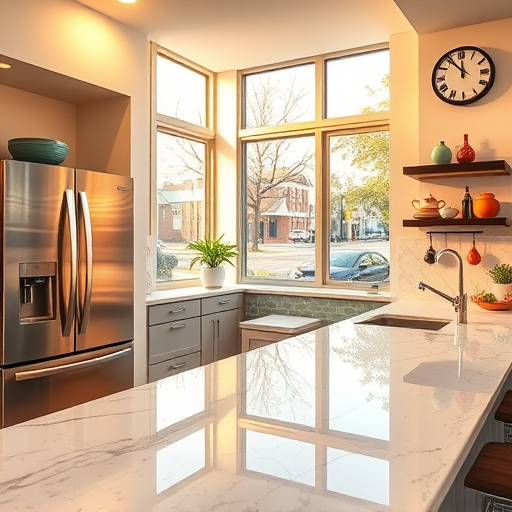
Ergonomic Kitchen Designs for All Abilities | Comfortable & Accessible
What Is the Philosophical Foundation of Ergonomic Kitchen Designs for All Abilities?
At the core of ergonomic kitchen designs for all abilities lies a profound philosophical ideology—one that champions harmony, inclusivity, and the intrinsic dignity of every individual. This approach challenges us to rethink the very essence of spatial creation, emphasizing that a kitchen should not merely be a functional space but a harmonious environment that recognizes diverse needs and abilities. It’s about aligning human capability with environment—creating a space that adapts, supports, and elevates the everyday experiences of its users.
How Does Philosophy Inform the Principles of Accessible Kitchen Design?
Philosophy teaches us to value interconnectedness, empathy, and adaptability—principles that underpin efficient and compassionate kitchen design. When designing for all abilities, architects and designers adopt a holistic perspective, considering not only physical accessibility but also emotional and psychological comfort. This intentional focus enables the creation of kitchens that foster a sense of ownership and empowerment, echoing the philosophical idea that space should serve as a reflection of human dignity and unity.
Why Is Accessibility Essential in Modern Kitchen Design?
Accessibility transcends mere compliance with standards; it embodies a belief in the inherent equality of all persons. By integrating accessible features into kitchen designs, we acknowledge that ability varies and that environments should accommodate this diversity. This inclusive approach ensures that everyone—regardless of age, mobility, or ability—can participate fully in culinary pursuits, transforming the kitchen from a potentially exclusive space into a communal sanctuary.
What Are the Key Elements of Ergonomic Kitchen Designs for All Abilities?
- Universal Design Principles: Creating spaces that are usable by everyone without adaptation or specialized design.
- Adjustable and Flexible Solutions: Incorporating elements like adjustable countertops, pull-out shelves, and adaptable lighting.
- Ergonomic Tools and Appliances: Selecting tools that reduce strain and effort, such as easy-grip handles and low-effort faucets.
- Thoughtful Spatial Planning: Ensuring clear pathways and optimal reach zones to facilitate ease of movement and accessibility.
To explore innovative kitchen layout options tailored to complex needs, visit kitchen layout optimization.
How Do We Cultivate a Sense of Unity and Respect in Kitchen Spaces?
Creating an ergonomic kitchen for all abilities isn’t solely about installing devices; it’s about fostering a space that celebrates human diversity. Philosophically, this involves designing environments that promote interaction, respect, and shared experience. Thoughtful lighting, open layouts, and accessible storage exemplify efforts to reduce barriers and encourage communal participation. The goal is to imbue each kitchen with a sense of harmony—where every action is a reflection of compassion and understanding.
In What Ways Do Technological Innovations Enhance Accessibility and User Experience?
Today’s technological advancements, such as voice-activated appliances, are reshaping the landscape of inclusive kitchen design. These innovations serve as bridges between physical limitations and practical functionality, echoing the philosophical pursuit of harmony between human needs and technological progress. Learn more about these advancements at voice-activated kitchen appliances, and discover how technology can foster independence and empowerment in the kitchen environment.
How Can Custom Kitchen Design Services Elevate Accessibility and Personalization?
Every individual’s journey and needs are unique, underscoring the importance of personalized design approaches. Custom kitchen design services embrace this philosophy by tailoring spatial configurations and features to specific requirements, ensuring optimal functionality and aesthetic harmony. Integrating a bespoke approach not only respects individual abilities but also accentuates the beauty of a space that is both functional and philosophically aligned with the ideals of inclusivity. Explore more about this at custom kitchen design services.
How Can Sustainability and Ergonomics Be Harmoniously Integrated?
True philosophical harmony recognizes the interconnectedness between human well-being and environmental responsibility. Sustainable materials, energy-efficient appliances, and eco-friendly practices are woven into ergonomic kitchen designs for all abilities to create spaces that nourish both the individual and the planet. In doing so, designers foster a deeper connection—one rooted in respect for natural resources and the pursuit of wellness for generations to come.
What Are the Practical Benefits of Embracing an Inclusive Kitchen Philosophy?
Beyond the aesthetic and functional advantages, embracing this philosophy cultivates a community-centered environment where everyone feels valued. Practically, these designs reduce accidents, increase independence, and promote mental well-being. By intentionally crafting spaces that acknowledge varied needs, we craft kitchens where accessibility becomes a facet of beauty and social cohesion.
Which Contemporary Trends Support the Philosophy of Harmony and Accessibility?
Contemporary design trends such as open-concept layouts, smart technology integration, and minimalist aesthetics align seamlessly with the philosophical ideals of harmony and accessibility. These approaches prioritize user-centricity, promote movement and flow, and emphasize simplicity—ensuring that the space is welcoming and adaptable to all users.
How Do I Begin the Journey Toward an Ergonomic Kitchen for All Abilities?
Start by assessing your current space and identifying barriers that hinder usability. Engage with professionals who understand the philosophical importance of inclusivity and ergonomic design. Consider personalized solutions that reflect your lifestyle and preferences. Remember, this journey is about cultivating a space that respects and elevates the human experience—making your kitchen a testament to harmony.
Frequently Asked Questions
Essential features include adjustable countertops, accessible storage solutions, ergonomic appliances, and clear pathways that accommodate mobility aids and reduce strain.
Technologies like voice-activated appliances and automated lighting facilitate independence and make complex tasks easier for individuals with various abilities.
Absolutely. Custom modifications such as adjustable fixtures, lever-style handles, and widened doorways can significantly enhance accessibility without a complete overhaul.
Sustainable materials and energy-efficient appliances not only support environmental health but also promote long-term comfort and well-being for users.
Designs that facilitate shared participation and interaction create welcoming environments where all individuals feel valued and connected.
By embracing the philosophical principles of empathy, harmony, and inclusivity, Pinkney Services is committed to transforming your kitchen into a space that celebrates diversity and fosters well-being—making every meal preparation a meaningful experience. For more insights and tailored solutions, explore our contemporary kitchen upgrade.