5 Steps to Hire a General Contractor for a Home Addition
A home addition involves more than just hammers and nails. It’s a complex performance with a cast of characters: architects, plumbers, electricians, and painters. Each one has a critical role, but without a director, the project can quickly fall into chaos. This is where a professional comes in. The right general contractor for your home addition acts as that director, orchestrating every detail from the first blueprint to the final walkthrough. They are the single point of contact who ensures the entire team works in harmony, keeping your project on schedule and on budget, turning a potentially stressful process into a streamlined success.
Key Takeaways
Hire a Project Manager, Not Just a Builder: A great general contractor orchestrates your entire home addition, handling everything from permits and budgets to hiring specialized crews. You're investing in their expertise to ensure a smooth process and a high-quality result.
Due Diligence Protects Your Investment: Choosing the right contractor is crucial. Always verify their license and insurance, check references from past projects, and insist on a detailed, itemized bid to understand exactly what you're paying for before signing anything.
A Strong Plan Prevents Major Headaches: A successful project is built on a clear, written contract and open communication. Establish a communication plan from the start and include a contingency fund of 10-15% in your budget to handle unexpected issues without derailing your project.
What Does a General Contractor Do for a Home Addition?
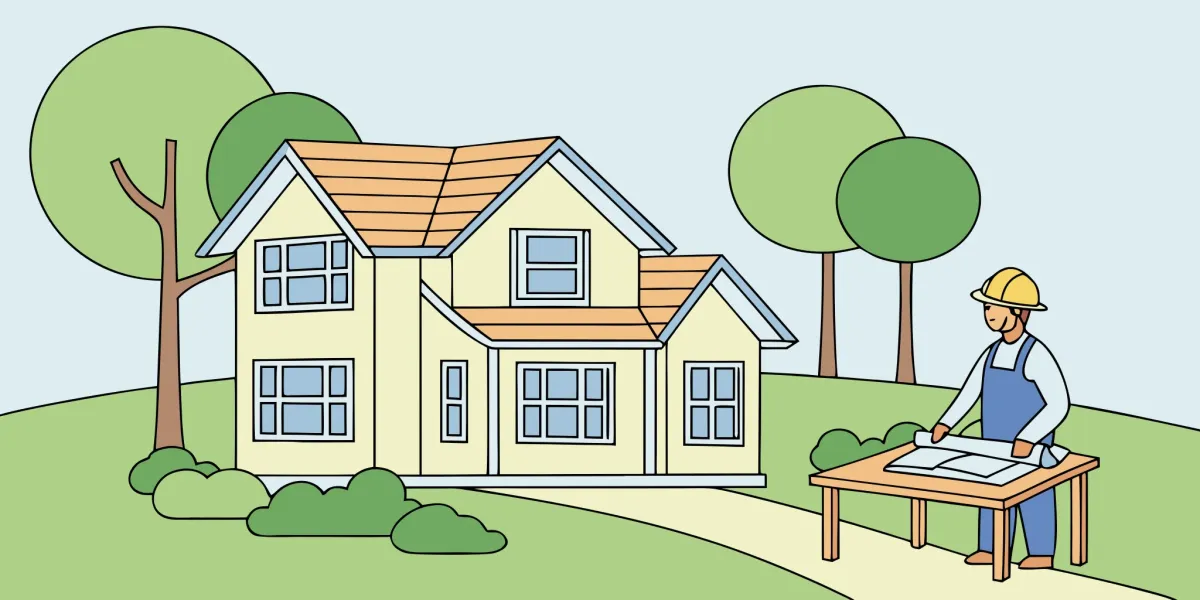
Thinking about adding a new room, a second story, or expanding your kitchen? A home addition is a huge undertaking, and a general contractor (GC) is the person who makes it all happen. Think of them as the director of your project. They take your vision and manage every single detail—from the first sketch to the final coat of paint—to bring it to life. A great GC doesn't just build; they orchestrate the entire process, ensuring everything runs smoothly, on time, and within budget. Their role is to handle the complexities so you can focus on the exciting parts of your home's transformation.
Managing the Entire Project
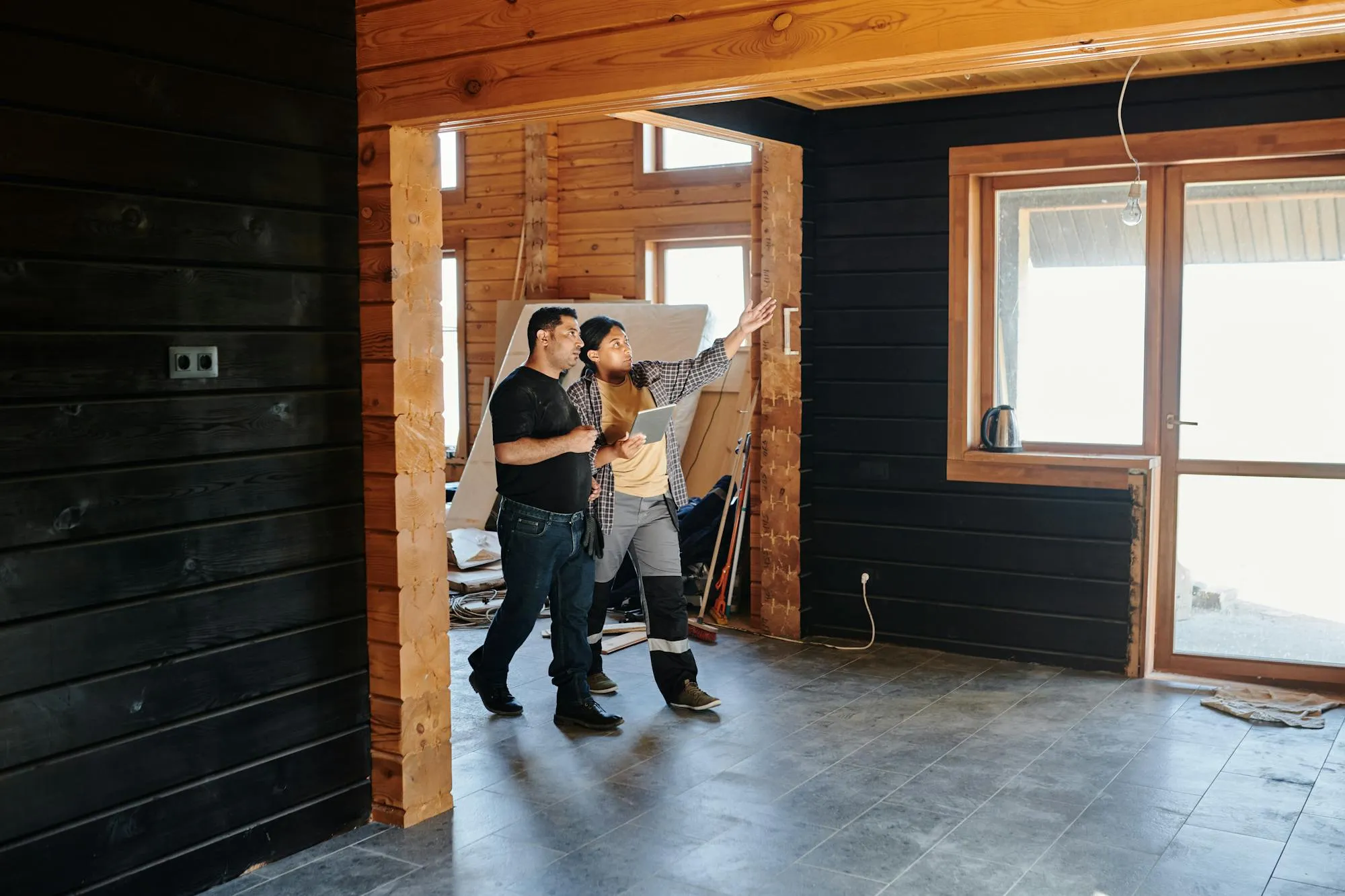
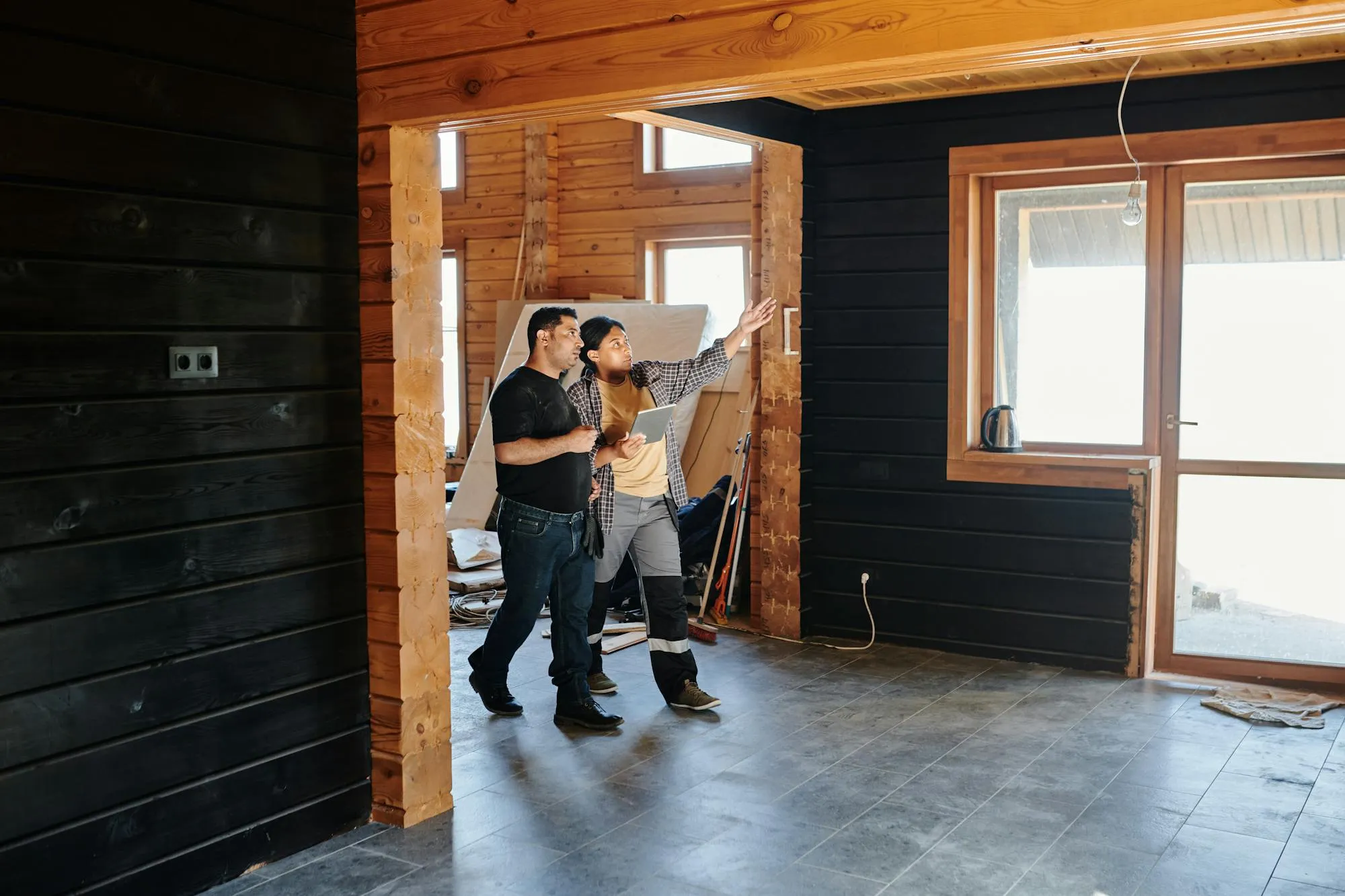
From day one, your general contractor is your main point of contact. They are the ultimate project manager, responsible for creating a realistic budget and a detailed timeline for your home addition. They coordinate all the moving pieces, from ordering materials to scheduling when the plumbers, electricians, and painters show up. This comprehensive oversight is what keeps the project on track and prevents costly delays or miscommunications. Instead of you juggling a dozen different contacts and worrying about logistics, your contractor handles it all. They are the ones who make sure the right people are in the right place at the right time, turning a potentially chaotic process into a streamlined one.
Helping You Plan the Design
While you might have a clear vision for your home addition, a general contractor helps make that vision a reality. They work alongside you, your architect, or your designer during the planning phase to ensure the design is not only beautiful but also practical and buildable. They can offer valuable input on material choices, structural requirements, and how to best integrate the new space with your existing home. This early collaboration is key to avoiding issues down the road. By providing expert guidance on everything from a simple room addition to a complex whole-home renovation, they help refine your ideas into a concrete, actionable plan that fits your budget and lifestyle.
Handling Permits and Paperwork
One of the most daunting parts of any construction project is the paperwork. Every locality, including neighborhoods throughout the Washington, D.C. area, has specific zoning laws and building codes that must be followed. A professional general contractor is an expert in these local regulations. They handle the entire permitting process for you, from filling out the applications to scheduling inspections with city officials. This saves you from the headache of trying to figure out complex requirements on your own. By ensuring all the necessary permits are secured and every aspect of the build is up to code, they protect you from potential fines and legal issues, giving you peace of mind.
Hiring and Overseeing the Crew
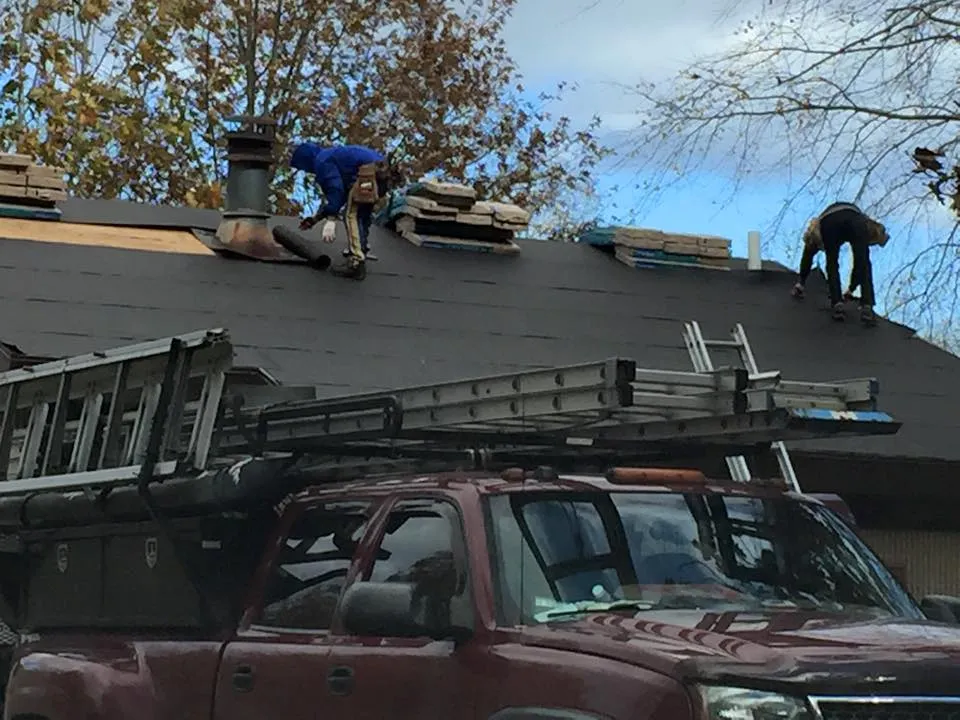
A general contractor doesn't build your home addition alone. They bring in a team of trusted and vetted subcontractors—plumbers, electricians, roofers, and other skilled tradespeople—to get the job done right. Your GC manages this entire crew, overseeing their work to ensure it meets high-quality standards and aligns with the project timeline. They handle all the contracts and payment schedules with these specialists, often tying payments to specific project milestones. This means you don't have to worry about finding, hiring, or managing individual workers. Your contractor takes full responsibility for the quality of the craftsmanship, making sure your residential construction project is built to last.
How to Choose the Right General Contractor
Finding the right general contractor is the single most important decision you'll make for your home addition. This is the person or team you'll partner with for months, trusting them to turn your vision into a physical part of your home. A great contractor does more than just manage the construction; they act as your primary guide, handling complex logistics, securing permits, and ensuring every detail aligns with the plan. Think of them as the dedicated project manager for your dream space.
Choosing a contractor can feel overwhelming, but it doesn't have to be. By breaking it down into a few key steps, you can confidently find a professional who is skilled, trustworthy, and the right fit for you and your project. Taking your time with this process is an investment that pays off by preventing miscommunications, budget surprises, and delays down the road. Let’s walk through how to vet your candidates and make a choice you feel great about.
Check Their Credentials and Insurance
Before you get into the details of your project, cover the basics. Any contractor you consider must be properly licensed and insured. This is non-negotiable. A valid license shows they meet local and state requirements for competency and professionalism. Just as important is their insurance. Ask for proof of two key policies: general liability, which covers any damage to your property, and workers' compensation, which protects you from liability if a crew member gets injured on the job. A reputable contractor will have this documentation ready and will be happy to provide it.
Look at Past Projects and Talk to References
You wouldn't buy a car without a test drive, and you shouldn't hire a contractor without seeing their work. Start by reviewing their portfolio of past projects, paying close attention to home additions or builds similar in scope to yours. Then, ask for a list of recent references—and actually call them. Ask past clients about their experience. Were they happy with the quality? Did the project stay on schedule and within budget? How did the contractor handle unexpected issues? Seeing a company's history of successful remodeling projects gives you a clear picture of the quality you can expect.
Get Detailed Bids (and How to Compare Them)
When you request bids from your top candidates, don't settle for a single number on a piece of paper. Ask for a detailed, itemized bid that breaks down the costs for materials, labor, permits, and the contractor's profit margin. This transparency helps you understand exactly what you're paying for and allows for a true side-by-side comparison. Be wary of any bid that is significantly lower than the others. While it might seem tempting, it can be a red flag for cutting corners, using subpar materials, or a sign of inexperience. A thorough bid shows a contractor has carefully considered every aspect of your project.
Gauge Their Communication Style
You and your contractor will be in constant communication for the duration of your project, so finding someone you can talk to is essential. During your initial conversations, pay attention to their communication style. Are they responsive to your calls and emails? Do they listen to your ideas and answer your questions clearly? A good construction manager will establish a clear plan for communication from the start, whether it's through weekly meetings, daily check-ins, or a shared project management app. This working relationship is key to a smooth and low-stress project.
Confirm They Have Relevant Experience
Not all contractors are created equal. A team that specializes in small-scale bathroom updates may not have the structural knowledge required for a large, two-story addition. Ask potential contractors about their experience with projects of your size and complexity. You want to find someone who has successfully completed similar residential construction before. It's also fair to ask how many other projects they will be managing at the same time as yours. This helps ensure your home addition will get the focus and attention it deserves from start to finish.
Breaking Down the Costs of a Home Addition
Figuring out the budget is one of the biggest steps in planning a home addition. While the total price can vary widely based on your project's size and complexity, the costs generally fall into a few key categories. Understanding what you’re paying for helps you create a realistic budget and feel confident in your investment. From the contractor’s management fee to the price of lumber and the cost of city permits, let’s look at the main expenses you can expect.
Understanding the Contractor's Fee
When you hire a general contractor, their fee is a central part of the budget. This fee typically ranges from 10% to 20% of the total construction cost and covers the immense task of managing your entire project. Think of it as paying for a professional project manager who orchestrates everything—from scheduling subcontractors and ordering materials to ensuring the project stays on schedule and meets quality standards. This fee isn't just an add-on; it's what ensures your home addition is built correctly, efficiently, and with less stress on your part. It’s the cost of expertise and peace of mind.
Materials and Labor Costs
The bulk of your budget will go toward materials and labor. Materials, which include everything from framing lumber and drywall to flooring and fixtures, usually make up about 40% of the total cost of a residential construction project. Labor costs cover the skilled tradespeople who bring your vision to life. Contractor hourly rates can range from $50 to $150, depending on the specific trade and the complexity of the work. A detailed bid from your contractor will break down these expenses, giving you a clear picture of where your money is going and the quality of the materials being used in your home.
Permits and Inspection Fees
Before any construction can begin, you’ll need the proper permits from your local government. Every city, including Washington, D.C., has specific zoning laws and building codes that dictate what and where you can build. Obtaining these permits involves submitting plans for approval and paying associated fees. Throughout the project, a city inspector will visit at key stages to ensure the work is up to code. While it might seem like a hassle, this process is in place to ensure your new addition is safe and structurally sound. A great contractor will handle the paperwork and inspections for you.
Why You Need a Contingency Fund
Even the most perfectly planned project can have surprises. You might open up a wall and discover unexpected plumbing or electrical issues that need to be addressed. That’s where a contingency fund comes in. This is a portion of your budget—typically 10% to 15% of the total construction cost—set aside specifically for unforeseen expenses. Having this financial cushion prevents unexpected problems from derailing your project or forcing you to make compromises on your vision. It’s a smart way to prepare for the unexpected and keep your project moving forward smoothly, no matter what comes up.
What to Expect During Your Home Addition Project
Once you’ve chosen your general contractor, the real journey begins. A home addition is a marathon, not a sprint, and knowing what’s ahead can make the entire process feel much more manageable. From the first design sketches to the final coat of paint, a clear roadmap helps you stay informed and confident. A professional contractor will guide you through every phase, but understanding the key stages yourself is the best way to ensure a smooth and successful project. This process is a partnership, and knowing your part in it is just as important as the contractor’s.
The First Meeting and Project Timeline
Your first official meeting with your contractor is all about aligning your vision with a practical plan. This is where you’ll discuss your goals, budget, and desired timeline in detail. A great contractor will listen carefully and offer expert advice on what’s feasible. They’ll also outline a preliminary project timeline, giving you a bird's-eye view of the major phases, from demolition to finishing touches. This initial conversation sets the tone for the entire project. It’s the perfect time to establish a strong working relationship with your project manager, ensuring you feel comfortable and heard from day one.
Finalizing the Design and Getting Permits
With a shared vision in place, the next step is to finalize the architectural designs and blueprints. Your contractor will work with you and an architect or designer to translate your ideas into a detailed plan that meets all structural and safety requirements. Once the design is approved, your contractor will handle the often-tricky process of securing the necessary building permits from your local D.C. municipality. They understand the local zoning laws and building codes, which saves you from tackling the complex paperwork on your own. This phase ensures your new custom home addition is not only beautiful but also fully compliant.
From Groundbreaking to Major Milestones
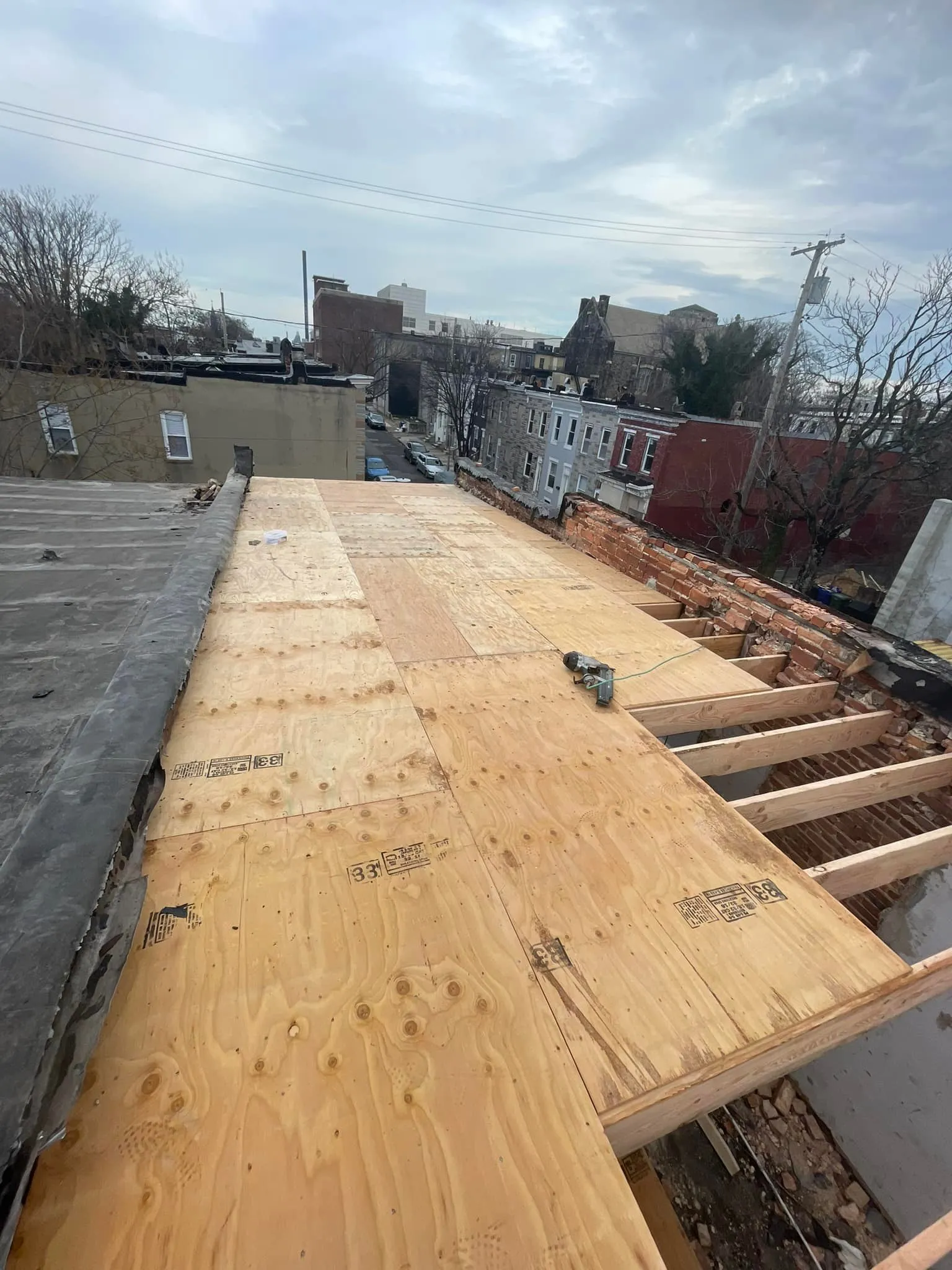
This is when you see your vision start to take physical form. The process typically begins with site preparation, followed by laying the foundation, framing the structure, and then moving on to roofing, siding, and installing windows. Your contract should outline a payment schedule tied to specific project milestones, such as the completion of framing or the installation of drywall. This approach ensures you only pay for work as it’s completed. Your contractor will manage the entire residential construction process, coordinating all the moving parts to keep the project on track and moving forward efficiently.
Living Through Construction: Communication is Key
Living in a construction zone can be disruptive, but clear communication can make all the difference. Before the work begins, establish a communication plan with your contractor. Decide on a regular time for check-ins—whether it’s a weekly call or an on-site meeting—to discuss progress, address questions, and make decisions. A dedicated construction manager will be your main point of contact, providing updates and ensuring you’re always in the loop. Responding promptly to their questions helps prevent delays and keeps the project running smoothly. Remember, open dialogue is the foundation of a successful project.
The Final Walkthrough and Sign-Off
As the project nears completion, it’s time for the final walkthrough. You and your contractor will go through the new space together with a fine-tooth comb to create a "punch list"—a list of any small items that need final adjustments, like a paint touch-up or a sticky drawer. Your contractor will address every item on the list to ensure the work meets your expectations. Once you are completely satisfied with the finished space and sign off on the project, the final payment is made. This last step is your assurance that every detail of your remodeling project is perfect.
Common Mistakes to Avoid When Hiring a Contractor
Hiring a contractor is one of the biggest decisions you'll make for your home addition. It’s exciting, but it can also be a little nerve-wracking. The right partner can make the process smooth and rewarding, while the wrong one can lead to headaches and budget overruns. The good news is that you can sidestep most major issues by being aware of a few common pitfalls from the start. By knowing what to look out for, you can confidently choose a professional who will bring your vision to life without the drama. Let’s walk through some of the most frequent mistakes homeowners make and how you can easily avoid them.
Don't Just Pick the Cheapest Bid
It’s completely understandable to want the best deal, but when it comes to construction, the lowest price isn't always the best value. A bid that comes in significantly lower than others can be a red flag. It might mean the contractor is using subpar materials, cutting corners on safety, or underestimating the true scope of the work, which could lead to surprise costs later. Instead of focusing solely on the bottom line, compare what each bid includes. A quality contractor provides a detailed proposal that justifies their costs, showing you exactly where your money is going. Think of it as an investment in a smooth remodeling process and a final product you’ll love for years.
Never Skip the Detailed Contract
A handshake and a promise might feel friendly, but they won’t protect you if things go wrong. A detailed, written contract is non-negotiable. This document is your project’s roadmap and your safety net. It should clearly outline the full scope of work, specify the types of materials being used, and include a payment schedule that’s tied to completing project milestones—not arbitrary dates. This ensures you only pay for work as it’s finished. A thorough contract managed by a dedicated project manager prevents misunderstandings and makes sure everyone is on the same page from day one, creating a foundation of trust and clarity for the entire project.
Avoid Poor Communication
A successful home addition relies on a strong partnership between you and your contractor, and the key to any good partnership is communication. Before you even sign a contract, make sure you and your potential contractor are a good fit communication-wise. Establish how you’ll stay in touch, whether it’s through weekly meetings, daily texts, or regular phone calls. A professional construction manager will be proactive about providing updates and be available to answer your questions promptly. If you feel like you’re being ignored or your concerns are dismissed during the hiring process, it’s a sign that communication will likely be a problem down the road.
Set Realistic Plans and Timelines
Everyone wants their project done yesterday, but quality construction takes time. One of the most common sources of frustration for homeowners is an unrealistic timeline. Have an honest conversation with your contractor about how long the project will actually take. Ask about their current workload and what potential delays could pop up—things like weather, permit approvals, or supply chain issues. A trustworthy contractor will be transparent about the schedule and help you set achievable goals. Building new custom homes or additions involves many moving parts, and a realistic plan helps manage expectations and keeps stress levels low while you watch your vision come to life.
Related Articles
Frequently Asked Questions
How long should I expect my home addition to take? The timeline for a home addition can vary quite a bit depending on the project's size and complexity. A simple room addition might take a few months, while a second-story addition could take much longer. Your contractor will provide a detailed schedule that accounts for design, permitting, construction, and inspections. Remember that things like weather or delays in material shipments can impact the timeline, but a professional contractor will keep you updated every step of the way.
What is my role as the homeowner once construction starts? Your main job is to be a great communication partner. While your contractor manages the day-to-day work, they will need your input on decisions like paint colors, fixtures, and finishes. Being responsive to their questions and available for scheduled check-ins is the best way to keep the project moving forward smoothly. Your timely decisions are what prevent delays and ensure the final space is exactly what you envisioned.
Why can't I just hire the subcontractors myself and save on the contractor's fee? While it might seem like a way to cut costs, acting as your own general contractor is a massive undertaking. A GC's fee covers much more than just hiring people; it pays for their expertise in project management, scheduling, quality control, and problem-solving. They coordinate the complex dance of getting the right crews on-site at the right time and are responsible for the quality of the work. Taking this on yourself means you are fully responsible for every detail, delay, and mistake.
What happens if we discover an unexpected issue during the project? This is exactly why a contingency fund is so important. Even with careful planning, surprises like old wiring or hidden plumbing can pop up when you open up walls. When this happens, a good contractor will immediately stop and inform you of the issue. They will explain the problem, present you with clear options and costs for fixing it, and wait for your approval before moving forward.
How can I verify a contractor's license and insurance? This is a crucial step you should never skip. You can typically verify a contractor's license by checking your local or state licensing board's website. For insurance, don't just take their word for it. Ask the contractor to provide a certificate of insurance for both general liability and workers' compensation. This document should come directly from their insurance provider and confirms their coverage is active.