How Much Does a New Roof Cost? A Full Breakdown
If you're a homeowner in the Washington, D.C. area, you know that national averages don't always tell the whole story. Our local building codes, specific climate challenges, and regional labor rates all play a significant role in the final answer to, "How much does a new roof cost?" A quote for a rowhouse on Capitol Hill will look different from one for a single-family home in Georgetown. This article is tailored for D.C. homeowners, breaking down the costs you can realistically expect in our market and helping you understand the local factors that will shape your project's budget from start to finish.
Key Takeaways
Understand What's in Your Quote: The final price of a new roof goes beyond the materials. It includes labor, your roof's size and complexity, permit fees, and the cost of removing the old roof, so be prepared for these variables.
Balance Upfront Cost with Long-Term Value: Your choice of material is the biggest factor in your budget. While asphalt shingles are an affordable and popular option, materials like metal or slate cost more initially but offer a much longer lifespan and greater durability.
Plan Strategically to Manage Costs: You can save money without sacrificing quality by getting at least three detailed quotes, discussing cost-effective material options with your contractor, and scheduling your project during a less busy season like late spring or fall.
How Much Does a New Roof Actually Cost?
Let's talk numbers. Deciding to replace yourroofis a big step, and one of the first questions on your mind is probably, "What's this going to cost me?" While there's no single price tag that fits every home, understanding the typical cost range is a great starting point for planning your budget. A newroofis one of the most important investments you can make in your home's safety and value, so getting a clear picture of the expenses involved is key. It’s more than just shingles; a full replacement involves materials, labor, removing the old roof, and ensuring the underlying structure is sound. This investment protects everything underneath it, from your family to your belongings, and plays a huge role in your home's curb appeal and energy efficiency. The final price can vary significantly based on the materials you select, the complexity of your roof's design, and even the specific building codes in the D.C. area. Because it's such a critical part of your home's structure, you want to make sure the job is done right, with quality materials and expert craftsmanship. We'll break down the national averages and then look at how costs are calculated per square foot to give you a solid foundation for your project planning.
The National Average
So, what does the average American homeowner pay for a new roof? According to industry data, the national average cost hovers around $9,476. For a standard 2,000-square-foot house, you can generally expect the price to fall somewhere between $7,283 and $24,121. Of course, this is a wide range because so many factors come into play, from the materials you choose to local labor rates right here in the D.C. area. Think of this national average as a helpful benchmark to get the conversation started, not the final word on your specific project. It gives you a realistic ballpark figure before you start gathering quotes.
Breaking Down the Cost Per Square Foot
To get a more tailored estimate, it helps to think in terms of cost per square foot. On average, a roof replacement can run anywhere from $6.30 to $12.30 per square foot. For a popular choice like asphalt shingles, the cost is often between $3.50 and $6.00 per square foot. This breakdown is useful because it helps you see exactly how the size of your roof impacts the bottom line. It's a crucial part of anyresidential constructionproject budget, allowing you to compare materials and quotes with more confidence and make an informed decision for your home.
What Factors Into Your Roofing Quote?
When you get a quote for a new roof, you’re looking at more than just the price of shingles. Several key elements come together to form that final number. Understanding these factors will help you see exactly where your money is going and why one quote might differ from another. From the sheer size of your roof to hidden issues lurking underneath, each detail plays a role in the total investment. A professional contractor will walk you through these variables, but knowing them ahead of time gives you a great head start.
Roof Size and Complexity
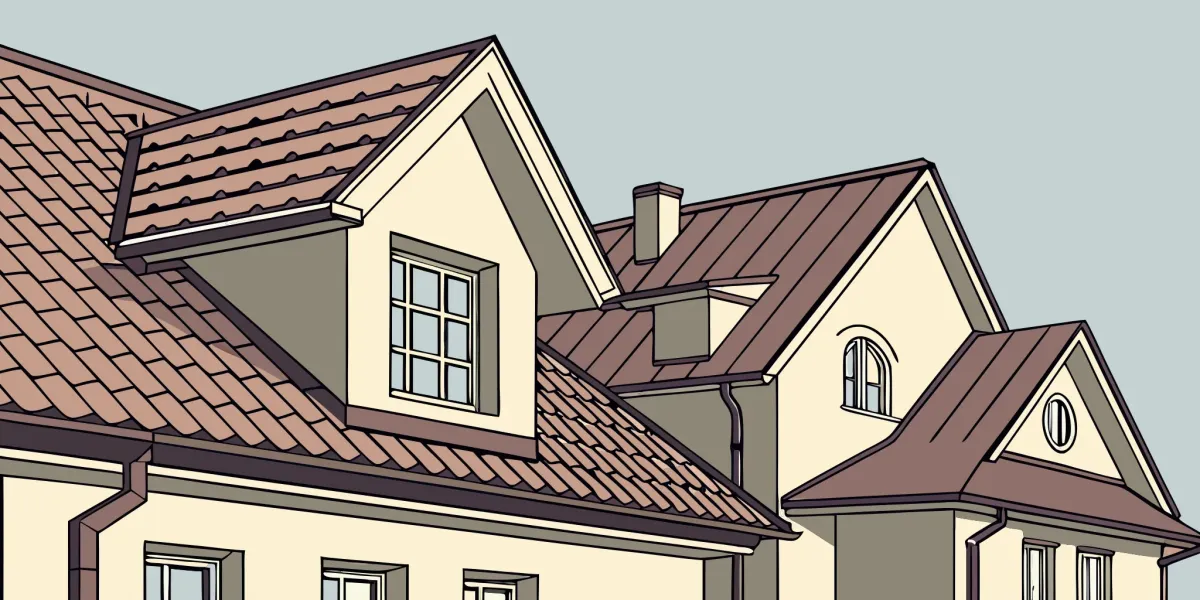
It makes sense that the bigger your roof, the more it will cost. Roofers measure in "squares," where one square is a 100-square-foot area. A larger roof requires more materials and more time from the installation crew, which directly impacts the price. But it’s not just about the footprint of your house. The complexity matters, too. A roof with a steep pitch, multiple valleys, dormers, or skylights has a larger surface area and requires more detailed, time-consuming work than a simple, flat roof. These architectural features add character to your home but also add to the bottom line of yourroofingproject.
Your Location and Local Labor Rates
Where you live has a surprising impact onroofingcosts. Labor rates, permit fees, and local building codes vary significantly from one city to the next. Here in the Washington, D.C. area, costs will naturally be different than in a more rural part of the country. Labor is a huge piece of the puzzle, often making up more than half of the total project cost. This is why getting a quote from a local, reputable company is so important. They’ll have a firm grasp on regional material costs and what it takes to build a roof that meets all local standards and can handle our specific climate.
Roof Pitch and Accessibility
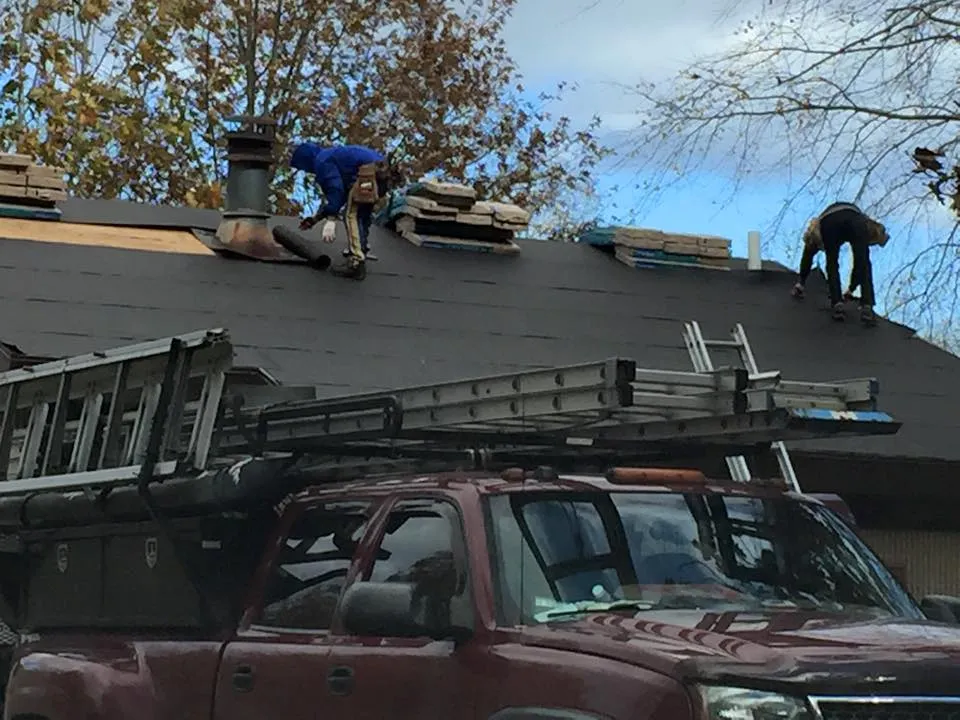
How easy is it for a crew to work on your roof? The answer to that question influences the cost. A steeply pitched roof is more dangerous and difficult to work on than a roof with a gentle slope. It requires extra safety equipment and a more methodical approach, which increases labor hours. The same goes for accessibility. If your home is multiple stories tall or surrounded by delicate landscaping and hard-to-reach areas, the crew will need more time and potentially specialized equipment to get the job done safely and efficiently. These logistical challenges are always factored into a professional quote.
Necessary Structural Repairs
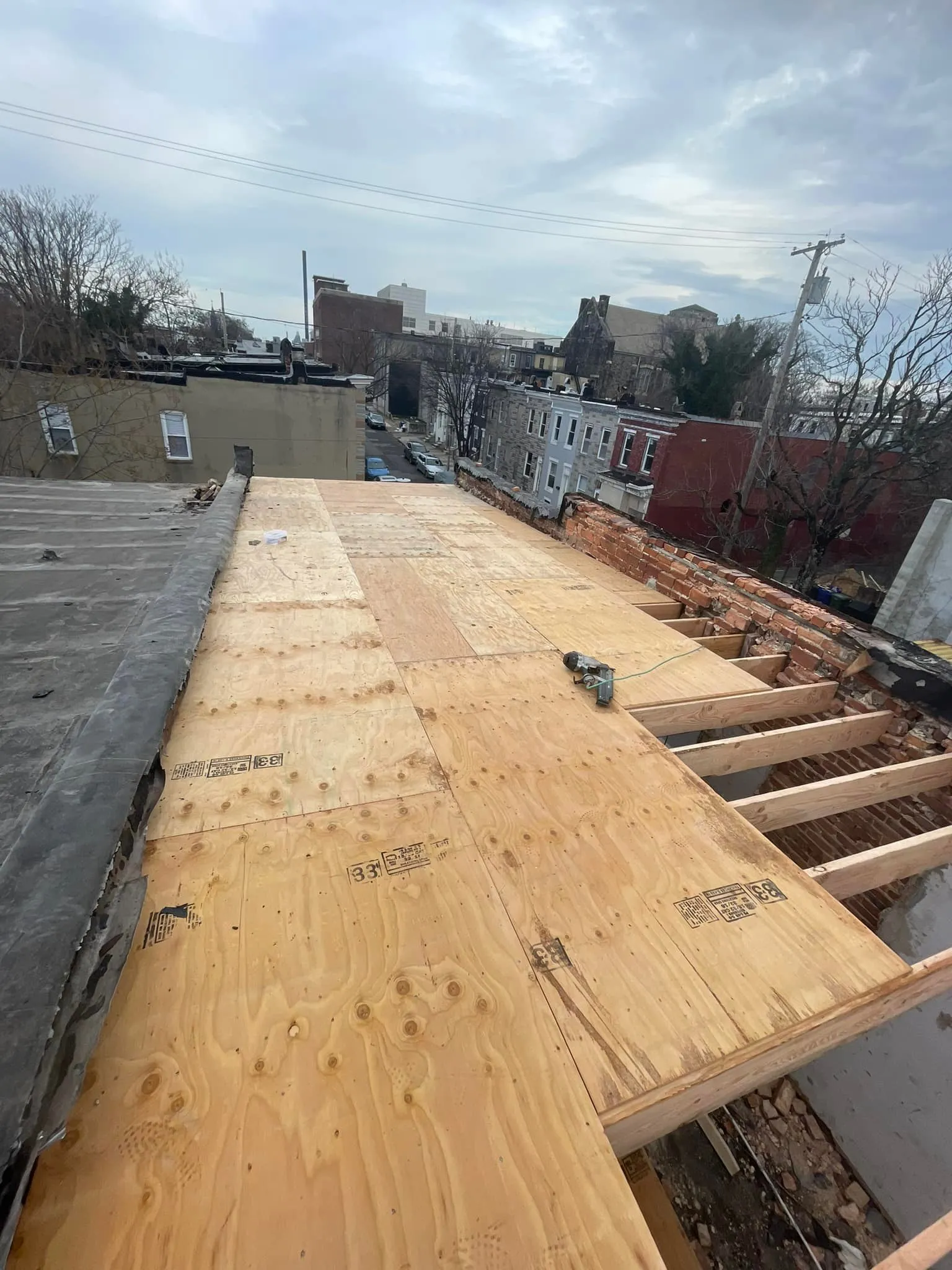
Sometimes, the real work begins after the old shingles come off. Once the roofing deck is exposed, a contractor might find underlying issues like soft, spongy wood from water damage or dry rot. These problems have to be fixed before any new materials can be installed to ensure your new roof has a solid foundation. While the cost of tearing off the old roof is usually included in the initial quote, repairing the decking underneath is an additional expense. A thoroughconstruction managerwill inspect for these issues and communicate any necessary repairs and costs to you clearly, so there are no surprises.
How Roofing Materials Affect the Price
The material you choose for your roof is one of the biggest factors determining the final price tag. It’s not just about the upfront cost of the materials themselves; your choice impacts everything from labor costs and installation time to the roof's lifespan and future maintenance needs. Think of it as the foundation of your home's protection against the elements. From classic asphalt shingles that offer great value to elegant slate tiles that can last a century, each option comes with its own set of benefits and budget considerations. Making the right choice means balancing aesthetics, durability, and cost. A professionalroofingcontractor can walk you through the best options for your home’s specific architecture, your budget, and the unique weather patterns of the D.C. area. They'll help you understand the long-term value of each material, not just the initial quote. This ensures you find a solution that not only looks great but also protects your investment for years to come. Let's break down some of the most common choices to give you a clearer picture of what to expect for your project.
Asphalt Shingles
Asphalt shingles are the most popularroofingmaterial in the country, and for good reason. They offer a fantastic balance of performance, affordability, and ease of installation. For a standard-sized home, you can expect an asphalt shingle roof replacement to cost between $6,000 and $9,000. This makes them an accessible option for many homeowners. They come in a wide variety of colors and styles, so you don’t have to sacrifice aesthetics for your budget. While they don't last as long as premium materials, modern architectural shingles are durable and can easily handle the weather we see in the D.C. area.
Metal Roofing
If longevity is your top priority, a metal roof is an excellent investment. While the initial cost is higher—ranging from about $10,200 to over $41,000—metal roofs can last 50 years or more with minimal maintenance. The price varies widely depending on the type you choose. For example, corrugated aluminum is a more budget-friendly metal option, while a standing seam metal roof offers a sleek, modern look at a premium price. Metal roofing is also incredibly durable, energy-efficient, and resistant to fire, making it a smart choice for homeowners looking for a long-term solution that adds both value and peace of mind.
Wood Shakes and Shingles
For a home with rustic or historic charm, nothing beats the natural beauty of wood shakes or shingles. This material gives your home a warm, timeless look that stands out in any neighborhood. The cost for a wood roof typically falls between $10,200 and $15,500. It’s important to remember that wood requires more regular maintenance than other materials to prevent rot, moss, and insect damage. However, for those who love the aesthetic and are prepared for the upkeep, a well-maintained wood roof is a stunning feature that adds significant character and curb appeal to a home.
Clay and Concrete Tiles
Tile roofing offers exceptional durability and a distinct, elegant appearance, often seen on Mediterranean or Spanish-style homes. These tiles are incredibly resilient, standing up to harsh weather with ease. The cost for a tile roof can range from around $10,600 to $20,900. Concrete tiles are generally the more affordable option, while classic clay tiles come in at a higher price point. A tile roof is a heavy-duty solution that can complement a high-endremodelingproject perfectly, providing decades of protection and a premium look that truly elevates a property's exterior.
Slate Roofing
Slate is the pinnacle of roofing materials, offering unparalleled beauty and a lifespan that can exceed 100 years. This natural stone is the most expensive option, with costs ranging from $39,900 to over $54,000, but it’s a true "forever" roof. Each slate tile is unique, creating a beautiful, textured look that adds immense value and prestige to a property. It requires minimal maintenance and is completely fireproof. For homeowners building their dreamNew Custom Homesor restoring a historic property, a slate roof is the ultimate long-term investment in quality and style.
What Other Costs Should You Expect?
When you get a quote for a new roof, the big number usually covers materials and labor. But a full roof replacement is a complex project, and several other costs can pop up along the way. Thinking about these potential expenses ahead of time helps you create a realistic budget and avoid surprises once the work begins. A trustworthy contractor will be transparent about these items, but it’s always smart to know what to ask about. From removing the old materials to ensuring your new roof is up to code, these additional steps are crucial for a safe, durable, and long-lasting installation.
Removing the Old Roof
Before the new materials can go on, the old, worn-out roof has to come off. This tear-off process is a critical first step that involves stripping away the old shingles, underlayment, and nails. The cost for this service typically covers both the labor to remove the materials and the fees for their proper disposal. While most contractors bundle this into their total project price, it’s always a good idea to confirm. A clean slate is essential for a properroofinginstallation, as it allows your team to inspect the underlying structure for any hidden damage before proceeding.
Underlayment and Decking Repairs
Once the old shingles are gone, you get a clear look at the roof’s decking—the wooden foundation that supports the entire system. Sometimes, years of slow leaks or moisture buildup can cause sections of this wood to rot or soften. If your contractor finds any damage, these areas will need to be repaired or replaced to ensure a solid base for your new roof. This is one of the most common "surprise" costs in aroofingproject, but it's absolutely non-negotiable. Installing a beautiful new roof over a weak foundation is a recipe for future problems, so consider this an investment in your home’s long-termresidential constructionintegrity.
Permits and Inspections
Major home improvement projects, including a full roof replacement, almost always require a permit from your local building department. This is true for homeowners throughout the Washington, D.C. area. The permit ensures that the work is done according to local building codes, which are in place for your safety. The cost of the permit varies by jurisdiction, but your contractor will handle the entire application process. A dedicatedproject managerwill make sure all the paperwork is filed correctly and that any required inspections are scheduled, giving you one less thing to worry about.
Flashing and Vents
Flashing is the thin metal material installed around chimneys, skylights, and in the valleys of your roof to direct water away from vulnerable areas. Vents are equally important for allowing your attic to breathe, preventing heat and moisture buildup that can damage your roof structure over time. It’s standard practice to replace old flashing and vents during a roof replacement to ensure a perfect, watertight seal with the new materials. While it may seem like a small detail, fresh flashing and proper ventilation are your roof’s best defense against leaks and premature aging.
How Roof Size Impacts the Final Bill
It’s no surprise that the bigger the roof, the bigger the price tag. But how contractors measure your roof and calculate costs isn't always as straightforward as measuring your home's square footage. The total surface area, the complexity of the design, and even the amount of material that gets thrown away all play a significant role in your final quote. Understanding these factors will help you read any estimate with confidence and see exactly where your money is going.
When you work with a professionalroofingcontractor, they’ll take precise measurements to account for every peak, valley, and overhang. This detailed approach ensures you get an accurate quote for both the materials needed and the labor required to get the job done right. Let’s break down how size and its related factors translate into dollars and cents.
Measuring Your Roof in "Squares"
In theroofingworld, everything is measured in "squares." It’s a simple industry term, but one you’ll definitely hear. One square equals 100 square feet of roof area. This is where things can get a little confusing for homeowners. The square footage of your roof is almost always larger than the living space of your house. For example, a 2,000-square-foot home might have a roof that measures 25 or 26 squares (2,500–2,600 square feet). This is because the measurement includes overhangs and accounts for the roof's pitch, or slope. A steeper roof has more surface area than a flatter one, which is why this specific measurement is so crucial for an accurate estimate.
Calculating Labor Costs
Labor is one of the most significant expenses in a roof replacement, often making up more than half of the total cost. The final labor figure depends on the size, complexity, and pitch of your roof. A large, steep roof with multiple dormers and valleys requires more time, skill, and safety precautions than a simple, low-pitched roof on a rectangular home. Labor rates also vary based on your location. Here in the D.C. area, costs reflect local wages and building regulations. A goodconstruction managerensures the project is staffed with skilled professionals who work efficiently, providing value for every hour they’re on the job.
Factoring in Material Waste
When a contractor orders materials, they always account for waste. This isn't about being careless; it's a necessary part of the process. Shingles and other materials have to be cut to fit around vents, chimneys, and valleys, which inevitably creates unusable scraps. For a complex roof, a contractor might add a 15% waste factor to the material order to ensure they don't run out mid-project. This cost is built into your material estimate. Additionally, your quote will include the cost of tearing off and disposing of the old roofing materials. This is a labor-intensive step that is essential for a qualityremodelingproject and is typically included in the overall price per square foot.
Repair or Replace: Which Is Right for You?
Deciding whether to patch up a few problem spots or invest in a full roof replacement can feel like a huge decision. On one hand, a repair is a quick, less expensive fix. On the other, a new roof is a long-term solution that protects your home for decades. The right choice really comes down to a few key factors: your roof's current condition, your budget, and your long-term plans for the property. By looking at these three areas, you can make a confident decision that protects your home and your wallet.
Assess Your Roof's Age and Condition
First, take a close look at your roof's age and overall health. Most asphalt shingle roofs last between 15 and 30 years. If yours is approaching that age, replacement is likely on the horizon. Look for tell-tale signs of wear like cracked, curling, or missing shingles. You might also notice granules collecting in your gutters or see sagging spots on the roofline. A good rule of thumb is that if the cost of repairs is getting close to 30% of the price of a full replacement, it’s more economical to replace it. A professionalroofing inspectioncan give you a clear picture of what’s really going on up there.
Compare the Costs
Money is always a major factor, and it’s important to weigh the short-term savings of a repair against the long-term cost. While a simple patch job is cheaper upfront, frequent repairs on an aging roof can add up quickly. A full roof replacement is a significant investment, with thenational averagehovering around $9,500 for a typical home, but it provides peace of mind and prevents the cycle of costly emergency fixes. Think of it this way: investing in a new roof now can save you from a string of expensive repair bills down the road, especially if your current roof is nearing the end of its functional life.
Consider the Long-Term Value
Beyond the immediate cost, think about the long-term value a new roof brings to your home. Different materials offer different lifespans. For example, standard asphalt shingles are a great budget-friendly option, but metal or slate roofs can last 50 years or more, adding significant value and durability. A new roof is also a major selling point if you plan to move in the future, often allowing you to recoup a large portion of the cost. Choosing higher-quality, impact-resistant materials can be a smart move, providing better protection against severe weather and extending the life of your investment for years to come.
When Is the Best Time of Year for a New Roof?
Timing a major home project like a new roof replacement can feel like a strategic game. You’re trying to find that perfect window when the weather is cooperative, good contractors are available, and the price is right. In the Washington, D.C. area, our four distinct seasons play a huge role in this decision. The intense summer heat and humidity, followed by unpredictable winter cold and snow, create specific challenges and opportunities forroofingwork.
The ideal time for your project often comes down to a trade-off between cost and convenience. The busiest seasons for roofers are typically late spring through early fall, when the weather is most predictable. However, planning your project during a slower period could have its own advantages. Let’s break down how the time of year affects pricing and a contractor’s schedule so you can make the best choice for your home and budget.
How Seasons Affect Pricing
The cost of a new roof can fluctuate with the seasons, largely due to supply and demand. During the peak months of spring and summer, when the weather is ideal for outdoor work, more homeowners are scheduling replacements. This high demand can sometimes lead to higher prices. Conversely, the off-season—late fall and winter—often sees a dip in demand. With fewer projects in the pipeline, some contractors may offer more competitive pricing to keep their crews busy.
However, a lower price in winter comes with a caveat: the weather. Cold temperatures can affect how well asphalt shingles seal, and snow or ice can cause significant delays. For the D.C. area, fall is often considered the sweet spot. The summer rush has passed, and the weather is typically mild and stable, creating perfect conditions for a smooth and efficientroofinginstallation before winter arrives.
Contractor Availability and Scheduling
Just as pricing is tied to the season, so is a contractor's availability. If you wait until a sunny week in May to start calling for quotes, you might find that the best local crews are booked solid for months. The high demand during spring and summer means you’ll need to plan well in advance to secure a spot on the calendar with a reputable company. Getting your quotes in late winter or early spring for a summer project is a smart move.
On the other hand, scheduling a project during the slower months of late fall or winter can be much easier. You’ll likely have more flexibility and find that your project can get started sooner. A dedicatedconstruction managercan help you work around potential weather delays, ensuring your project stays on track even in the off-season. Ultimately, the best time is when you can align your budget with a contractor’s schedule and favorable weather.
How to Save Money on Your Roof Replacement
A new roof is one of the most significant investments you’ll make in your home, but that doesn’t mean it has to break the bank. With some smart planning and strategic decisions, you can manage the costs effectively without compromising on quality. Think of it as being a savvy project manager for your own home. A high-quality roof protects your biggest asset, and getting it done right, on budget, is completely achievable. Let’s walk through a few practical ways you can keep costs down during your roof replacement project.
Get Multiple Quotes from Reputable Contractors
This might sound like obvious advice, but its importance can't be overstated. Don't just jump on the first offer you receive. You should always get at least three detailed quotes from different, well-regarded companies. This process isn't just about finding the lowest price; it's about understanding the market rate and finding the best value. A thorough quote will itemize costs for materials, labor, permits, and cleanup. Comparing these helps you see exactly what you’re paying for and spot any red flags. This is your chance to assess a contractor’s professionalism and ensure you’re working with a reliableroofingteam that communicates clearly from the start.
Choose Your Materials Wisely
The material you choose for your roof is the single biggest factor influencing the final price. While premium materials like slate or clay tiles look stunning and can last a lifetime, they come with a hefty price tag. On the other hand, architectural asphalt shingles offer a fantastic balance of durability, style, and affordability, making them the most popular choice for a reason. As publications likeThis Old Houseoften point out, selecting a cost-effective material that suits your home's style and climate is a key way toreduce the overall cost. Talk with your contractor about the pros and cons of each option to find the sweet spot between your budget and your long-term goals.
Time Your Project Strategically
Did you know that the time of year you replace your roof can affect the price? Roofers are often busiest in the late summer and early fall, as homeowners rush to get projects done before winter. They’re also in high demand after major storm seasons. If you can, try to schedule your roof replacement during a slower period, like late spring. During these "shoulder seasons," contractors may have more availability in their schedules, which can sometimes lead to more competitive pricing. Planning ahead gives you more flexibility and control, ensuring your project is handled by an expertconstruction managerwithout the frantic rush.
Watch Out for These Hidden Costs
A detailed quote is a great start, but a roof replacement project can sometimes uncover issues that weren't visible at first glance. Being prepared for these potential surprises helps you create a realistic budget and ensures there are no last-minute shocks. A trustworthy contractor will always discuss these possibilities with you upfront, but it’s smart to have them on your radar from the beginning. These aren't necessarily signs of a bad quote; they're just the realities of a major home renovation. Let's walk through a few common "hidden" costs that can pop up.
Uncovering Structural Damage
Think of your old roof as a protective layer. Until it’s peeled away, you can’t be 100% sure what’s happening underneath. The process of removing old shingles can reveal issues like soft, rotted, or water-damaged decking. While some contractors might suggest installing new shingles over the existing layer to save a little money, this is a risky shortcut. It prevents a proper inspection of the underlying structure and can trap moisture, leading to much bigger problems down the road. A professionalroofingproject should always start with a clean slate. This ensures your new roof is built on a solid, secure foundation, protecting your home for decades.
Meeting Current Building Codes
If you live in an older home, the building codes in place when your original roof was installed have likely changed. Building codes are updated regularly to improve safety and durability, especially concerning weather resistance. Depending on your home's location in the D.C. area, there may be specific requirements for wind uplift, snow load capacity, or fire resistance. Bringing your roof up to these standards is not optional—it’s required by law and is essential for your family’s safety. This might involve using different materials or installation techniques than your old roof had. Your contractor will also need to pull permits, which is another cost to factor into your budget, but it ensures the work is done right and passes inspection. You can learn more about local requirements by checking your area's currentbuilding codes.
Improving Attic Ventilation
Proper attic ventilation is one of the most overlooked but critical components of a healthy roofing system. Your attic needs to breathe. Without adequate airflow, heat and moisture get trapped, which can lead to a host of problems. In the summer, a hot attic can bake your shingles from below, drastically shortening their lifespan. In the winter, warm, moist air can cause condensation, leading to mold, mildew, and wood rot. A good contractor will assess your attic’s ventilation and may recommend adding or upgrading vents as part of your roof replacement. While it adds to the initial cost, think of it as a long-term investment that protects your entire roofing structure and even helps with your home's energy efficiency.
Related Articles
Frequently Asked Questions
How long does a typical roof replacement take from start to finish?For an average-sized home, the actual hands-on work of tearing off the old roof and installing the new one usually takes about one to three days. Of course, this can change based on the size and complexity of your roof, the type of materials being installed, and the weather. A larger, steeper roof or unexpected structural repairs can extend the timeline. Your contractor will give you a clear project schedule before any work begins so you know exactly what to expect.
Can I just install a new layer of shingles over my old ones to save money?While it might seem like a tempting shortcut, putting new shingles over an old layer is a bad idea. This practice adds a tremendous amount of weight to your home's structure and can void the manufacturer's warranty on your new shingles. Most importantly, it prevents your crew from inspecting the underlying roof deck for rot or damage. A complete tear-off is the only way to ensure your new roof has a solid, secure foundation to rest on.
Besides the price, what should I look for in a roofing quote?A good quote is a detailed one. You want to see a clear breakdown of all the costs, including the specific materials being used, labor, the price for tearing off and disposing of the old roof, permit fees, and any warranties. Be cautious of quotes that are just a single lump sum or seem significantly lower than others. A professional contractor will provide a transparent, itemized estimate that shows you exactly what you're paying for, leaving no room for surprise charges later on.
Will a new roof actually help lower my energy bills?Yes, it absolutely can. Many modern roofing materials, especially lighter-colored shingles or metal roofing, are designed to reflect more sunlight, which helps keep your attic from overheating in the summer. A replacement is also the perfect time to address attic ventilation. Proper airflow prevents heat buildup, which means your air conditioning system doesn't have to work as hard to keep your home comfortable, leading to real savings on your monthly bills.
What kind of warranty should I expect with my new roof?You should expect two separate warranties. First is the manufacturer's warranty, which covers the roofing materials themselves against defects for a set period. The second, and arguably more important, is the contractor's workmanship warranty. This covers the installation itself and protects you from any issues caused by errors during the process, like leaks. Make sure you get the details of the workmanship warranty in writing, as proper installation is the most critical factor in your roof's long-term performance.