
What Is Commercial Real Estate Property Management?
Your commercial property is more than just a building; it's a significant financial asset that deserves expert attention to grow in value. Simply owning the property isn't enough to guarantee a strong return. Strategic oversight is required to keep it leased, well-maintained, and financially healthy. A professional partner incommercial real estate property managementacts as the CEO of your investment, making informed decisions to increase its performance and protect its long-term value. They handle the complexities of tenant relations, proactive maintenance, and financial reporting, turning your property from a passive holding into a high-performing, stress-free asset in your portfolio.
Key Takeaways
Think of Your Manager as Your Asset's CEO: A great property manager goes beyond daily operations to strategically protect and grow your investment's value through smart financial planning, proactive maintenance, and strong tenant retention.
PrioritizeProven Expertise and Solid Systems: The right partner must have deep knowledge of the D.C. market, use modern technology for transparent communication, and hold the proper certifications and insurance to safeguard your investment.
Address Modern Challenges with a Proactive Partner: A skilled management company helps you overcome hurdles like rising costs and evolving tenant demands by recommending targeted, high-ROI improvements that keep your property competitive and profitable.
What is Commercial Property Management?
Think of commercialproperty managementas having a dedicated expert to handle all the day-to-day operations of your real estate investment. If you own a commercial building—whether it's an office, a retail space, or an apartment complex—a property manager takes on the responsibilities of running it, so you don’t have to. Their job is to ensure the property is safe, well-maintained, and profitable, acting as the crucial link between you (the owner) and your tenants.
This isn't just about collecting rent checks and calling a plumber when a pipe bursts. Trueproperty managementis a comprehensive service designed to protect your asset and maximize its value over the long term. A great manager handles everything from marketing vacant spaces and screening potential tenants to managing budgets and overseeing major repairs. They bring industry knowledge and a network of trusted vendors to the table, saving you time, reducing stress, and ultimately helping your investment perform at its best. It’s about turning a property into a smoothly running business that generates consistent returns, allowing you to enjoy the benefits of ownership without the headaches of daily management.
Key Responsibilities
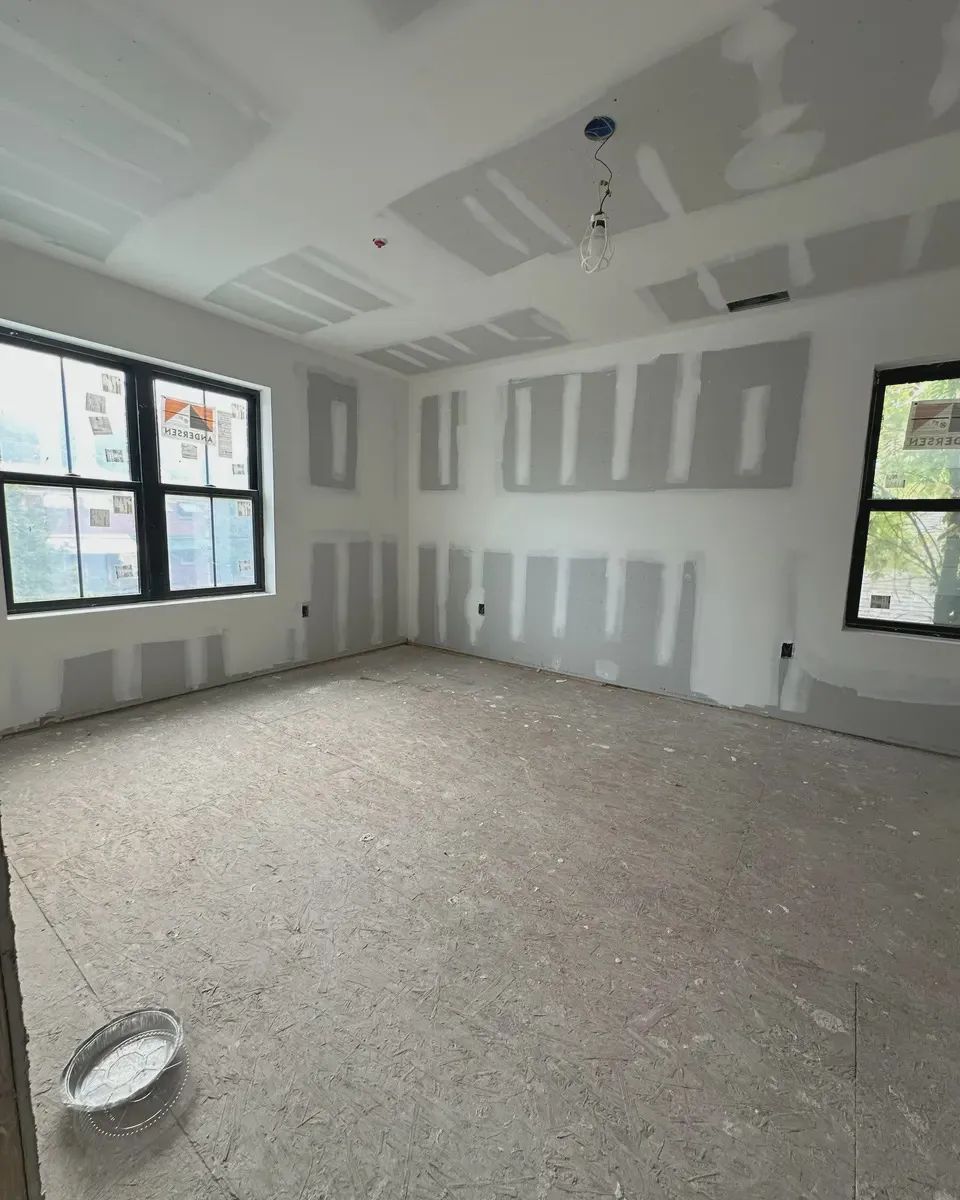
A commercial property manager’s to-do list is long and varied, covering every aspect of the building's operations. A key part of their role is developing proactive maintenance plans to keep the property in top shape, which prevents small issues from becoming costly problems. They also schedule and oversee any necessaryremodelingor refurbishment projects to keep the space modern and appealing.
Beyond the physical building, they are masters of tenant relations. This includes everything from marketing units and screening applicants to handling lease agreements, addressing tenant concerns, and managing move-outs. They are the first point of contact, ensuring your tenants are happy and your property remains occupied. Essentially, they take on the daily grind so you can focus on the bigger picture of your investment portfolio.
Types of Properties They Manage
Commercial property managers work with a wide range of buildings. Their expertise isn't limited to just one type of space; it often spans across various sectors of the market. You'll find them managing everything from bustling office buildings and retail storefronts to large industrial warehouses and multi-family apartment complexes. Each property type comes with its own unique set of challenges and requirements.
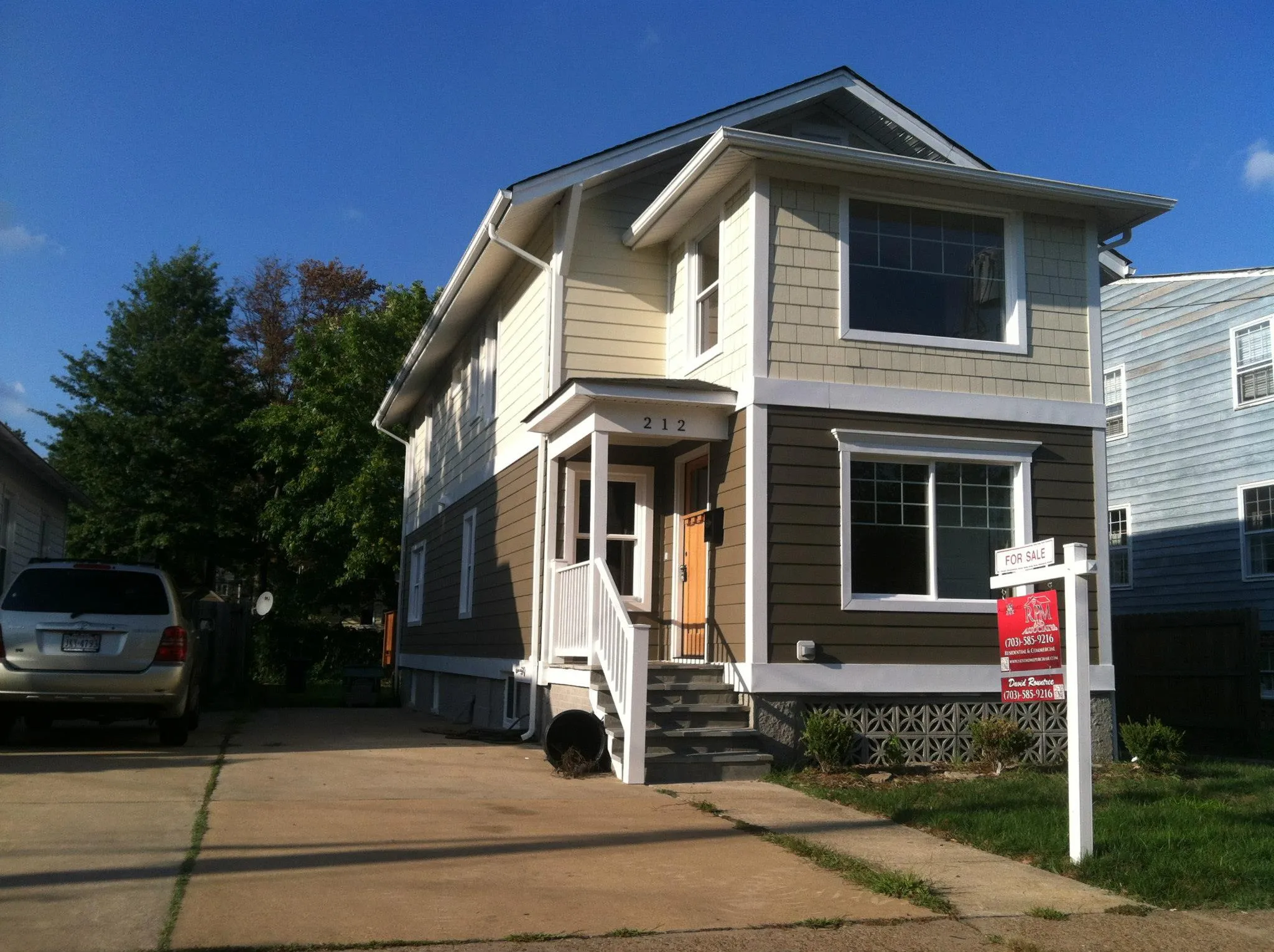
For example, managing anoffice spaceinvolves understanding the needs of professional tenants, while managing a retail center requires a focus on foot traffic and visibility. Experienced firms can handle a diverse portfolio, applying their skills to different kinds of commercial and evenresidential constructionproperties. This versatility is a sign of a knowledgeable team that can adapt its strategies to fit the specific needs of your investment.
How Management Companies Work
A property management company operates as your strategic partner, aiming to be a complete solution for your real estate needs. They work on your behalf to ensure your property is not only safe and compliant with all regulations but is also generating the highest possible return. By handling all the operational details, they free you from the complexities of day-to-day oversight.
Their primary goal is to maximize the value of your asset. This is achieved by keeping tenants satisfied, minimizing vacancies, and controlling operating costs through smart maintenance and efficient management. They provide regular financial reports, giving you a clear picture of your property's performance without getting bogged down in the details. By hiring a professionalmanagement team, you’re entrusting your investment to experts dedicated to its long-term health and profitability.
How a Property Manager Maximizes Your Investment
A great property manager does much more than just collect rent and handle tenant calls. They act as a strategic partner, actively working to protect and grow the value of your real estate asset. Think of them as the CEO of your property; their job is to manage day-to-day operations while keeping an eye on the long-term financial health of your investment. This involves a careful balance of keeping tenants happy, maintaining the property efficiently, managing finances with transparency, and ensuring everything is legally sound. A skilled manager anticipates market shifts, suggests strategic improvements, and helps you plan for future capital expenditures, turning a passive asset into a high-performing investment.
Hiring a professionalproperty managementteam means you’re bringing in experts who live and breathe real estate. They understand the nuances of the local market, from setting the right rental rates in Georgetown to knowing the best vendors for a quick repair in Columbia Heights. By handling the complexities of ownership, they free you up to focus on your broader investment goals, secure in the knowledge that your property is in capable hands. Ultimately, their work translates directly to a healthier bottom line, reduced stress, and a more valuable asset over time.
Keeping Your Property Leased and Profitable
An empty property doesn't generate income, so a manager's top priority is keeping it leased to reliable tenants. This starts with marketing your space effectively to attract a strong pool of applicants. From there, they conduct thorough tenant screening—including background and credit checks—to find occupants who will pay on time and take care of the property. A good manager also focuses on tenant retention. By building strong relationships and responding to needs promptly, they encourage lease renewals, which minimizes costly turnover and vacancy periods. Their deep knowledge of the D.C. market ensures your rental rates are competitive, maximizing your income without pricing out potential tenants.
Smart Maintenance to Control Costs
Effective maintenance is all about being proactive, not reactive. A skilled property manager implements a regular maintenance schedule to catch small issues before they become expensive problems. This includes routine inspections of everything from HVAC systems to roofing, ensuring the building remains in top condition. When urgent repairs are needed, they have a network of trusted and vetted contractors ready to respond quickly. This approach not only controls costs but also protects the long-term value of your property. For a company with a background incommercial construction, managing maintenance is a core strength, ensuring all work is done to a high standard.
Clear Financial Reporting and Insights
Understanding the financial performance of your investment is critical. A professional property manager provides clear, detailed, and regular financial reports. These monthly statements typically break down all income and expenses, giving you a transparent view of your property's cash flow. You’ll see exactly where your money is going, from rent collected to maintenance costs and management fees. This level of financial oversight is essential for budgeting, tax preparation, and making informed decisions about your property’s future. It builds trust and ensures you always have a precise understanding of how your asset is performing.
Staying Compliant and Reducing Risk
Navigating the web of local, state, and federal regulations is one of the most challenging aspects of property ownership. A property manager’s job is to stay current on all landlord-tenant laws, fair housing regulations, and building codes to ensure your property remains compliant. This protects you from potential lawsuits, fines, and other legal headaches. From handling security deposits correctly to managing evictions lawfully, they manage risk on your behalf. By ensuring the property is safe and up to code, a dedicatedconstruction managerhelps maximize its value while minimizing your liability.
What to Look For in a Management Company
Choosing aproperty managementcompany is a big decision. You’re not just hiring someone to collect rent; you’re entrusting them with a significant asset. The right partner will feel like an extension of your team, protecting your investment and helping it grow. But with so many options out there, how do you find the right fit? It comes down to vetting a few key areas. A great management company will have a solid foundation of professional credentials, deep local knowledge, efficient systems, and the right protections in place. Let's break down what that looks like.
Key Industry Certifications
When you’re vetting a company, look for professional certifications. These aren't just fancy acronyms; they're a sign that the team is committed to their craft and held to a higher professional standard. Certifications like the CPM (Certified Property Manager) show that a manager has extensive experience and has passed rigorous courses on ethics and asset management. Seeing these credentials means you’re working with professionals who have invested in their expertise. Forward-thinkingproperty managementcompanies recognize the value of having certified experts on their team because it demonstrates a commitment to solving real-world problems and achieving better outcomes for your building.
Proven Local Market Experience
A property management company can have all the certifications in the world, but if they don’t understand the local D.C. market, they won’t be effective. You need a team that knows the difference between renting in Dupont Circle versus Anacostia. This local insight affects everything from setting competitive rental rates to marketing your property to the right tenants. To gauge a company's reputation, check out their online reviews and ask for client references. A well-regarded company with a stronglocal presencecan provide invaluable insights, connect you with reliable local vendors, and anticipate market shifts before they happen.
The Right Technology and Systems
In today’s world, efficiency is everything. A top-tier property management company uses technology to streamline operations and provide you with complete transparency. Look for a company that offers an online portal where you can view financial statements, track maintenance requests, and access important documents anytime. For tenants, this means easy online rent payments and a simple way to report issues. These systems aren't just for convenience; they are a sign of an organized, professional operation that values clear communication and keeps detailed records, which is essential for your peace of mind.
Proper Insurance and Bonding
This might not be the most exciting topic, but it’s one of the most important. A reputable property management company must be properly insured and bonded. This includes carrying general liability insurance, as well as errors and omissions (E&O) insurance, which protects you from financial loss due to a mistake or negligence on their part. Don’t be afraid to ask for proof of their coverage. This is a non-negotiable. Having the rightqualifications and certificationsis a baseline indicator of trustworthiness and ensures that your investment is protected from unforeseen circumstances.
Current Challenges for Property Owners
Owning and managing property in the D.C. area has always come with its own set of hurdles, but today’s landscape presents some unique pressures. From financial strains to evolving tenant demands, staying ahead requires a proactive approach. Understanding these challenges is the first step toward creating a strategy that not only protects your investment but helps it grow. Let's walk through some of the biggest issues property owners are facing right now.
The Challenge of Rising Costs
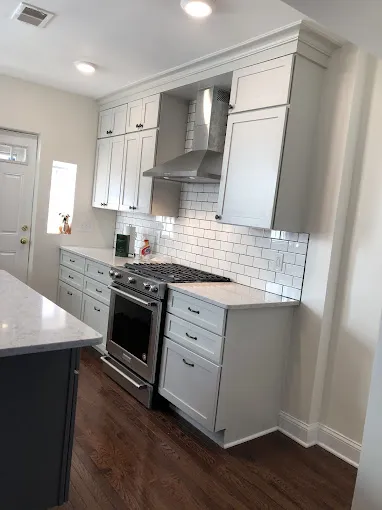
It’s no secret that it has become moreexpensive to borrow money. Higher interest rates directly impact your ability to finance new projects, from ground-up construction to essential renovations. This financial pressure can make it tempting to delay capital improvements, but that can lead to bigger problems down the road. The key is to be strategic. Focusing on high-ROI projects, like akitchen remodelingthat attracts premium tenants or an office update that reduces vacancy, ensures your money is working as hard as possible for you. It’s about making smart, targeted investments that improve your property’s value and appeal, even in a tough economic climate.
Handling Higher Insurance Premiums
If you’ve recently reviewed your insurance policy, you’ve likely noticed a significant jump in your premiums. It’s a widespread issue, asinsurance prices are rising fastdue to a combination of inflation and higher property values. While you can’t control the market, you can take steps to make your property a lower risk in the eyes of insurers. Proactive maintenance is crucial. Investing in a newroofingsystem or updated siding not only protects your building from the elements but can also demonstrate to your insurance provider that the property is well-maintained. By addressing potential issues before they become costly claims, you can better manage your operational budget and safeguard your asset.
Meeting Modern Tenant Expectations
Today’s tenants, whether they’re renting an apartment in Dupont Circle or leasing an office downtown, expect more than just four walls and a roof. They’re looking for modern amenities, functional design, and a high-quality living or working environment. An outdated space can lead to longer vacancies and lower rental income. As manyforward-thinking property managementcompanies know, keeping your property competitive means investing in updates. This could be a fullbathroom remodelingproject to create a spa-like feel or a commercial build-out that supports a flexible, collaborative work style. Meeting these expectations is essential for attracting and retaining the best tenants.
Keeping Up with New Regulations
Building codes and environmental regulations are constantly evolving. For property owners, this means staying on top of new requirements for energy efficiency, accessibility, and safety. These changes often require you toinvest more in green technologyor make structural updates to ensure your building is compliant. Falling behind can result in fines and legal headaches. When planning anycommercial constructionor residential project, working with a team that understands local D.C. regulations is non-negotiable. An experienced partner can guide you through the complexities, ensuring your project is not only beautifully designed but also fully up to code from day one.
How to Choose the Right Property Management Partner
Finding the rightproperty managementpartner is one of the most important decisions you’ll make for your investment. This isn't just about hiring someone to collect rent; it's about entrusting a key asset to a team that will protect and grow its value. The right partner acts as your eyes and ears on the ground, handling everything from tenant relations to emergency maintenance, all while keeping your financial goals in focus. A great partnership is built on trust, transparency, and shared objectives.
To find a company that fits your needs, you’ll want to do some homework. This means looking beyond the sales pitch and digging into the specifics of their services, reputation, and operational style. Think of it like an interview process where you’re the hiring manager. By asking the right questions and carefully reviewing what each candidate offers, you can find a reliable partner who will make property ownership less stressful and more profitable. This due diligence is the foundation of a successful long-term relationship with yourproperty managementteam.
Compare Service Packages and Fees
First, you need to understand exactly what you’re paying for. When you start comparing companies, you’ll find that service packages and fee structures can vary quite a bit. It’s essential to assess the range of services they offer and their associated costs to find a company that aligns with your needs and budget. Ask for a detailed breakdown of what’s included in their standard management fee. Does it cover marketing vacant units, screening tenants, handling maintenance requests, and conducting inspections? Also, be sure to inquire about any additional charges for services like lease renewals, eviction processing, or overseeing major repairs. A transparent company will be upfront about all potential costs.
Check Their Reputation and Reviews
A property management company’s reputation is a powerful indicator of the service you can expect. Before signing any contracts, take time to see what others are saying. To gauge a company's reliability, check their reputation through testimonials, online reviews, and by asking for client references. Look at reviews on Google, Yelp, and other third-party sites. While a single negative review isn’t necessarily a dealbreaker, watch for recurring complaints about communication, maintenance, or financial transparency. A company with a strong track record and positive feedback from othercommercial propertyowners provides peace of mind and shows they are committed to client satisfaction.
Evaluate Their Communication Style
Clear and consistent communication is the backbone of a good owner-manager relationship. You need a partner who keeps you informed and is easy to reach when you have questions. Pay attention to how a company communicates from your very first interaction. Are they responsive to your calls and emails? Do they answer your questions clearly and thoroughly? Effective communication is vital, so ask about their process. Find out how often you’ll receive financial statements and property updates, who your primary point of contact will be, and what their protocol is for handling after-hours emergencies. A proactive communicator will make you feel confident that your property is in good hands.
Review the Contract and Performance Goals
The management agreement is a legally binding document, so it’s critical to review it carefully before you sign. Understanding the terms of the contract and the performance goals set by the company ensures that both parties have aligned expectations from the start. Look closely at key clauses, including the contract term, termination policies, and the manager’s scope of authority. The agreement should clearly outline all fees and responsibilities. It’s also a good idea to discuss performance metrics. Does the contract specify goals for things like vacancy rates or maintenance response times? This helps hold the company accountable and ensures you’re both working toward the same objectives.
Related Articles
Comprehensive Property Management Services for Your Investments
Comprehensive Remodeling Solutions and Services Offered Here
Professional Construction Management for Your Building Projects
Expert Commercial Construction Solutions for Your Business Needs
Frequently Asked Questions
I've been managing my own property for a while. When is it time to hire a professional?Many owners reach a point where self-management starts to feel like a second full-time job. If you find yourself spending more time dealing with tenant calls and maintenance issues than on your own priorities, it's a good time to consider a change. Other signs include owning multiple properties, living far from your investment, or facing complex challenges like legal disputes or major repairs. Hiring a manager is a strategic decision to get professional results and reclaim your time.
My commercial space needs a major update. Is that something a management company handles?Absolutely. A greatproperty management companydoes more than just handle daily operations; they act as a strategic partner in maximizing your asset's value. For a company with a strong background in construction and remodeling, overseeing capital improvements is a core part of their service. They can manage the entire project, from planning and budgeting to hiring contractors and ensuring the work is done right, saving you the headache of acting as your own project manager.
How are property management fees typically structured?Most commonly, you'll see a fee that is a percentage of the monthly rent collected. This model keeps the manager motivated to ensure your property is always leased to a reliable tenant. Some companies may also have separate fees for specific services, such as leasing a vacant unit or overseeing a large renovation project. A transparent company will provide a clear and detailed breakdown of all costs upfront so you know exactly what to expect.
What's the real benefit of hiring a manager with local D.C. market experience?Local expertise goes far beyond just knowing what rent to charge. A manager who is deeply familiar with the D.C. area understands the unique character and regulations of each neighborhood. They have an established network of trusted local vendors, which means repairs get done faster and more reliably. This insider knowledge is invaluable for marketing your property effectively, navigating city-specific codes, and ultimately making your investment more successful.
How will I know what's happening with my property once I hire a manager?A professional management company prioritizes clear and consistent communication. You should expect regular financial statements that give you a transparent look at your property's income and expenses. Many modern firms also provide a secure online portal where you can access reports, view maintenance updates, and communicate with your management team at any time. The goal is to keep you fully informed without overwhelming you with every minor detail.