Patio Stone Paver Installation: A Step-by-Step Guide
If you’re looking at your backyard and thinking it has more potential, you’re probably right. A paver patio is the perfect way to create a dedicated space for relaxing and entertaining. While the idea of doing it yourself can be exciting, it’s important to know what you’re getting into. A successfulpatio stone paver installationis a major undertaking that involves heavy lifting and precise work. This guide is designed to empower you with the knowledge you need to decide if this is the right DIY project for you. We’ll cover the essential tools, materials, and techniques required to build a beautiful and long-lasting patio from the ground up.
Key Takeaways
A successful patio starts from the ground up: The most critical work happens before you lay a single paver. A deep, well-compacted gravel base with a proper slope for drainage is essential to prevent sinking, shifting, and water damage down the road.
Precision at every step creates a lasting result: From installing edge restraints to keep the perimeter secure to sweeping joint sand into every gap, each step works to lock the pavers into a single, strong surface. Patience and attention to detail are key to a professional finish.
Understand the true scope of the project: Installing a paver patio is a physically demanding job that requires specific tools and a significant time commitment. Honestly assess the project's complexity and your own limits to decide if a DIY approach is right for you or if professional help is the smarter investment.
Choosing Your Pavers: What Are the Options?
Choosing the right pavers is one of the most exciting parts of planning your new patio. The material you select sets the tone for your entire outdoor space, influencing everything from the color palette to the overall vibe. Your decision will likely come down to three key factors: your budget, the style of your home, and how you plan to use the area. Whether you're dreaming of a classic brick look for your Capitol Hill home or a sleek, modern design, there’s a paver out there for you. Let's walk through the most popular options to help you find the perfect fit for your project.
Concrete Pavers
If you’re looking for versatility and value, concrete pavers are an excellent choice. They are one of the most budget-friendly options available, but that doesn't mean you have to sacrifice style. Concrete pavers come in a massive range of shapes, colors, and textures, allowing for truly creative and unique designs. You can find options that mimic the look of natural stone or classic brick without the higher price tag. This flexibility makes them a go-to for many homeowners who want a custom look that perfectly matches their vision for theirdecks and patios.
Brick Pavers
For a timeless and classic look, nothing beats brick. Brick pavers bring a sense of warmth, charm, and history to any outdoor space, making them a perfect match for many of D.C.'s historic neighborhoods. They are known for their durability and ability to hold their color for decades, even with constant exposure to the elements. While they tend to cost a bit more than concrete, their rich color and traditional appeal create an inviting atmosphere that never goes out of style. According to onecost analysis, installing brick pavers can range from $10 to $20 per square foot.
Natural Stone Pavers
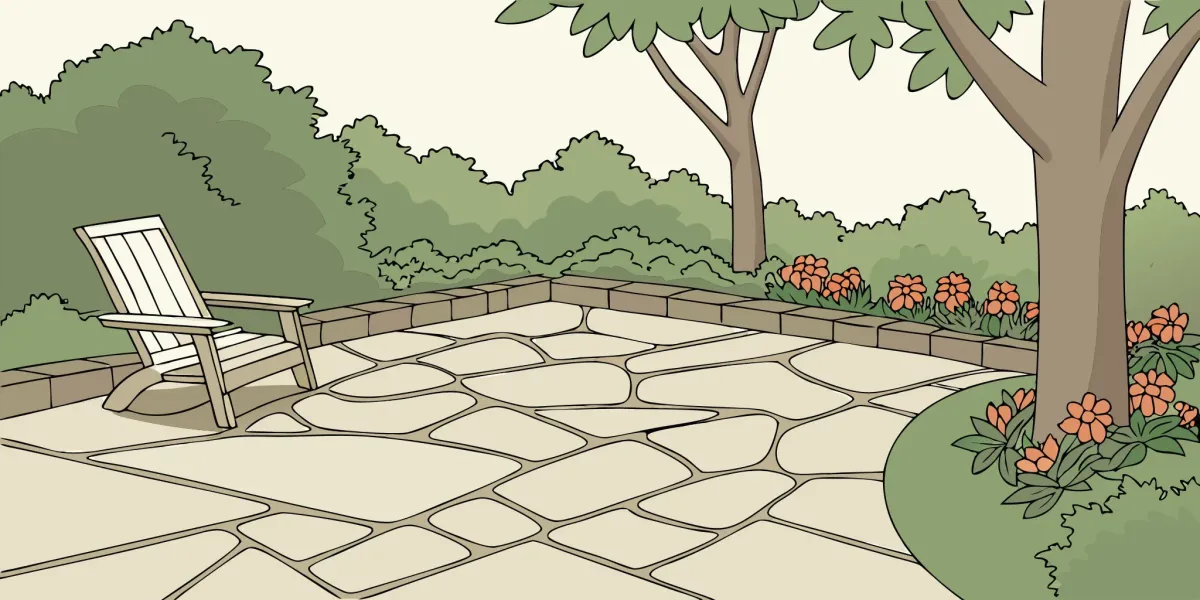
If you want to create a truly luxurious and elegant patio, natural stone pavers are the way to go. Materials like flagstone, slate, and travertine offer a high-end finish with unique, organic beauty, as no two stones are exactly alike. Natural stone is incredibly durable and strong; some types can withstand thousands of pounds of pressure, making them a fantastic long-term investment. While they are the most expensive option, their unmatched elegance and durability deliver a premium look that can completely transform your backyard into a sophisticated retreat.
Permeable Pavers
Permeable pavers are an innovative and eco-friendly option designed with water management in mind. Unlike traditional solid surfaces, these pavers are installed in a way that allows rainwater to pass through the joints and into the ground below. This system helps reduce stormwater runoff, prevents puddles from forming on your patio, and replenishes groundwater. They look very similar to standard concrete pavers and come in various styles, so you don’t have to compromise on aesthetics to make an environmentally conscious choice. They are an excellent solution for managing D.C.'s heavy rainfall.
How to Choose the Right Paver
With so many great options, how do you pick the right one? Start by thinking about your patio's primary function. Will it be a high-traffic area for entertaining, or a quiet garden path? For busy spaces, you’ll want a material that canwithstand heavy usewhile maintaining its appearance. Next, consider your home's architectural style. A modern home might look best with large-format concrete pavers, while a colonial home is a natural fit for brick. Finally, be realistic about your budget. A good plan, a strong base, and quality materials are essential for a long-lasting project, no matter which paver you choose.
What Materials and Tools Do You Need?
Before you can start building beautifuldecks and patios, you need to gather your supplies. Think of it like prepping ingredients before you start cooking—having everything measured, organized, and within reach makes the entire process smoother and far less stressful. A well-planned shopping list ensures you won’t have to make last-minute trips to the hardware store, which can throw off your whole project timeline. Getting your materials and tools in order is the first real step toward bringing your dream patio to life. It’s all about setting yourself up for success from the very beginning.
Your Materials Checklist
First things first, let's talk materials. Getting these right is crucial for a patio that not only looks great but also lasts for years. Here’s a simple checklist of what you’ll need to pick up:
Pavers:This is the fun part! You can choose fromvarious materials like concrete, brick, or natural stone, depending on the style you want.
Gravel or Crushed Stone:This forms the sturdy base of your patio, providing a solid foundation that won’t shift over time.
Bedding Sand:You'll spread a layer of this over the gravel to create a smooth, level surface for setting your pavers.
Joint Sand:Once the pavers are in place, this sand is swept into the gaps to lock them together and prevent wiggling.
Edging:These restraints are installed along the perimeter to keep your pavers from spreading or shifting outward.
The Tools for the Job
Having the right tools can make the difference between a frustrating weekend and a successful DIY project. While you might own some of these already, others, like the plate compactor, can typically be rented. Here’s what you should have on hand:
Shovels and Rakes:Essential for digging out the area and spreading your base materials.
Level and String Lines:To make sure your patio is perfectly flat and has the correct slope for drainage.
Plate Compactor:This is a must-have for packing down the gravel base. A solid, compacted base prevents sinking and shifting later on.
Paver Saw:You'll need this to make precise cuts for edges and fitting pavers around obstacles.
Rubber Mallet:For gently tapping pavers into the sand bed without cracking them.
Screed Rails:These help you get the bedding sand perfectly level before you start laying pavers.
How to Estimate Quantities
Figuring out how much material to buy can feel like a tricky math problem, but it’s manageable with a little planning. Start by calculating the square footage of your patio (length x width). For the gravel base, a depth of six inches is a good rule of thumb, especially in areas like D.C. where we see freezing temperatures. Keep in mind that your gravel will compact by about 15-20% after you use the plate compactor, so you’ll need to buy a bit extra to account for that. It’s always better to have a little leftover than to run out mid-project. If you’re feeling unsure about the calculations, aproject managercan help ensure you get exactly what you need.
How to Prepare the Site for Your Paver Patio
Before you even think about laying that first beautiful paver, you have to get your hands dirty with site prep. I know it’s not the most glamorous part of the project, but trust me, this is where the magic really happens. A solid, well-prepared foundation is the difference between a patio that looks great for decades and one that becomes a lumpy, uneven mess after a few seasons. Getting this part right ensures your new outdoor space can handle everything from summer barbecues to D.C.’s winter freezes. We’ll walk through exactly how to do it, step by step.
Measure and Mark the Area
First things first, let’s define your space. Grab some wooden stakes and string to outline the exact shape and size of your future patio. This simple step helps you visualize the final result and ensures your lines are straight. Use a tape measure to get the dimensions just right. For square or rectangular patios, check that your corners are true 90-degree angles using the 3-4-5 rule: measure 3 feet along one side and 4 feet along the adjacent side—the diagonal between those two points should be exactly 5 feet. Once you’re happy with the layout, you can use marking paint to create a clear guide on the grass for when you start digging.
Dig Out the Foundation
Now it’s time to excavate. For a standard walking patio, you’ll need to dig down about 7 to 9 inches. This depth allows for a 4-to-6-inch gravel base, a 1-inch layer of sand, and the height of the pavers themselves. If your patio will need to support heavier loads, you’ll need to dig deeper. Before you start, it’s incredibly important tocall 811to have any underground utility lines marked. This is a free service and a non-negotiable safety step. Once you’re cleared, start digging, making sure to remove all grass, roots, and large rocks to create a clean slate for your foundation.
Build a Stable Base
Your patio is only as strong as the base beneath it. After excavating, you’ll add a layer of crushed stone or paver base. Don’t just dump it all in at once. The key to a rock-solid foundation is to add the material in 2-inch layers, compacting each one thoroughly with a plate compactor (you can rent one from a local hardware store). This process locks the stones together, creating a stable base that prevents shifting and settling. Continue adding and compacting layers until you’ve built up a base that’s 4 to 6 inches deep. This is the most physically demanding part of the prep work, but it’s absolutely essential for beautiful, long-lastingdecks and patios.
Create the Right Slope for Drainage
Proper drainage is crucial for protecting your patio and your home’s foundation. You need to build a slight slope into your base that directs water away from any structures. A good rule of thumb is to create a drop of about one-quarter inch for every foot of distance. For example, a 12-foot patio should be about 3 inches lower on the far end than it is near the house. You can use your string lines and a line level to set this grade as you build and level your gravel base. Getting this slope right prevents pooling water, which can cause pavers to shift or crack during freeze-thaw cycles. It’s a detail a professionalproject managernever overlooks.
How to Lay Pavers: A Step-by-Step Guide
With the heavy lifting of site prep behind you, it’s time for the part where your vision truly comes to life: laying the pavers. This is where you’ll see your new patio or walkway take shape, piece by piece. The secret to a professional-looking result isn't brute force—it's patience and attention to detail. Working methodically and checking your work as you go will ensure you create a beautiful, durable surface that you can enjoy for years. Let's walk through the steps to get those pavers perfectly placed.
Plan Your Layout and Starting Point
Before you place a single paver, a clear plan is essential. Start by sketching your design on paper, even if it’s simple. This helps you visualize the final layout and decide on the best starting point—usually a 90-degree corner or a straight edge like your home’s foundation. Most importantly, you need to account for drainage. A slight slope, about a quarter-inch drop for every foot, will direct rainwater away from your house and prevent pooling. This is crucial for any outdoor project, from simple walkways to elaboratedecks and patios. Taking the time to plan this now saves you from major headaches later.
Set Your Edge Restraints
Edge restraints are the unsung heroes of a long-lasting paver installation. They act as a permanent frame, locking the pavers in and preventing them from shifting or separating over time. You can choose from various materials like heavy-duty plastic, aluminum, or concrete, depending on your budget and aesthetic. Install the restraints along the entire perimeter of your prepared base, securing them firmly with long metal stakes hammered into the ground every foot or so. This step is absolutely critical for maintaining the integrity of your patio. A strong border is what separates a DIY project that lasts from one that needs repairs in a year.
Lay the Bedding Sand
Next, you’ll create a smooth, level bed for the pavers to rest on. Spread a one-inch layer of coarse sand evenly across the compacted base. This sand layer is what allows you to set each paver at the perfect height and make tiny adjustments. To get it perfectly flat, use a technique called screeding. Lay two pipes or flat bars on either side of the area and drag a straight 2x4 board across them to level the sand. It’s important not to walk on or compact this sand—it needs to stay loose so you can nestle each paver into place securely. This step ensures a uniform, stable surface for your finished patio.
Place the Pavers and Keep Them Aligned
Now for the most rewarding step! Start laying pavers from your chosen corner or straight edge. Place each paver gently onto the sand—don’t slide it, as this will displace the sand underneath. Set it straight down and tap it lightly with a rubber mallet to settle it into place, snug against its neighbors. To keep your lines perfectly straight, run a string line along the edge of each row as a guide. Check your work with a level every few feet to ensure the surface is even. Working methodically and maintaining consistent spacing is key to achieving that clean, professional look you’re aiming for. Take your time here; precision pays off.
Design an Eye-Catching Pattern
While a standard running bond pattern is a great choice, don't miss the opportunity to add some personality to your project. A creative pattern can elevate your patio from simply functional to a true design feature. Consider classic looks like herringbone or basketweave for a touch of elegance. You can also create a defined border using a different color or type of paver to frame the space and add visual interest. This is a simple way to make the area feel more intentional and polished. Exploring different paver pattern ideas can spark inspiration and help you create a truly custom look for your outdoor living area.
How to Cut Pavers and Work Around Obstacles
Unless your patio is a perfect, uninterrupted square, you’re going to need to cut some pavers. This is the part of the project that can feel a little intimidating, but it’s also what creates that polished, professional look. Cutting pavers allows you to create clean edges, fit your patio snugly against your house, and work around obstacles like drainpipes or support posts. With the right tools and a bit of patience, you can make precise cuts that fit together like a puzzle. Whether you’re aiming for straight lines, gentle curves, or custom shapes, mastering a few basic cutting techniques will make all the difference in your final result.
Techniques for Cutting Edge Pieces
For those crisp, straight edges that define the border of your patio, a power saw is the way to go. A circular saw or a wet tile saw equipped with a diamond blade will give you the cleanest, most precise cuts. Start by using a pencil or chalk to mark a clear cut line on the paver. Make sure the paver is on a stable surface and secured so it won’t move while you’re cutting. Then, slowly guide the saw along your marked line. Don’t force it; let the blade do the work. Always remember to wear safety glasses and a dust mask, as cutting pavers creates a lot of fine dust. This simple process ensures your patio’s perimeter looks sharp and well-defined.
Fitting Pavers Around Existing Structures
When you’re working around a permanent fixture like a fence post, a downspout, or the columns of a deck, here’s a pro tip: lay all the full-sized pavers first. This approach lets you establish your pattern and see exactly what size and shape your final custom-cut pieces need to be. Once the main field is laid, you can measure the gaps and cut pavers to fit perfectly. This method saves time and reduces waste. As you fit these custom pieces, use your level to ensure they sit flush with the surrounding pavers and gently tap them into place with a rubber mallet. This ensures your new patio integrates seamlessly with your existingdecks and patios.
Creating Curves and Custom Shapes
Adding curves is a fantastic way to soften the edges of your patio and create a more organic, flowing design. To create a perfect arc, drive a stake into the center point of your curve, tie a string to it, and use a pencil on the other end to draw your curve right onto the pavers. Once you have your line, you can use a saw to make a series of small, straight cuts (called kerf cuts) up to the line, then use a hammer and chisel to carefully knock out the small pieces. This technique allows you to create smooth, rounded edges that can transform a standard patio into a unique and eye-catching feature for your home.
How to Add the Finishing Touches
You’ve laid all the pavers, and your new patio is finally taking shape. It’s an exciting moment, but don't put your tools away just yet. Now it’s time for the final steps that will lock everything together, ensuring your hard work lasts for years to come. These finishing touches are what separate a good DIY project from a great one. They secure the pavers, prevent weeds from creeping in, and give the entire surface a clean, professional look that truly completes your outdoor living space. While it might be tempting to rush through this part, taking your time here is crucial for the durability and appearance of your patio. This stage is all about creating a strong, interlocked system where each paver supports its neighbors. Without proper compaction and joint sand, pavers can shift, become uneven, or allow weeds to take over, undoing all your careful work. Getting these details right is key to building beautiful and lastingdecks and patiosthat you can enjoy season after season. Think of it as the final polish that makes all your effort shine. Let's walk through exactly how to compact the surface, fill the joints, and clean up for a flawless finish.
Compact the Paver Surface
Once all your pavers are in place, the next step is to compact them. This process settles the pavers firmly into the sand bed, creating a level, interlocked surface that won't shift underfoot. You’ll want to rent a plate compactor for this job. Before you start, make sure to place a protective rubber mat on the bottom of the compactor to prevent it from scuffing or cracking your new pavers. Run the machine over the entire patio surface a couple of times. You’ll see the pavers settle slightly as they lock into place, creating a solid and stable foundation for your outdoor space. This step is non-negotiable for a patio that stays flat and even for the long haul.
Add and Sweep in the Joint Sand
With your pavers compacted, it’s time to fill the gaps. The sand you sweep into the joints is essential for locking the pavers together and preventing weed growth. For the best results, use polymeric sand, which contains additives that harden when mixed with water, creating a durable, flexible bond. Pour the sand directly onto the dry paver surface and use a push broom to sweep it across the patio. Your goal is to fill every joint completely. Keep sweeping from different angles until the gaps are full from top to bottom, ensuring a tight, secure fit for every paver in your new patio. Don’t skimp on this step—well-filled joints are your best defense against shifting and weeds.
Final Cleanup and Prep
Before you can call the job done, you need to handle the final cleanup. First, use a leaf blower or your broom to carefully remove every bit of excess sand from thetopof the pavers. This is especially important if you used polymeric sand, as any leftover grains can create a hazy film on the surface once wet. After the surface is clean, gently mist the patio with a garden hose on a light shower setting. This activates the polymers in the sand, causing it to harden and lock the pavers in place. Avoid using a strong jet of water, which can wash the sand out of the joints. Let it cure according to the product's instructions, and then you're ready to enjoy your new patio.
Common DIY Paver Installation Challenges
A DIY paver project is a fantastic way to transform your outdoor space, but it comes with its share of potential pitfalls. From underestimating the physical work to making small errors in preparation, several common issues can trip up even the most ambitious homeowner. Understanding these challenges ahead of time is the best way to prepare for a smooth installation and a beautiful, long-lasting patio. Let's look at the most common hurdles you might face.
The Physical Demands
First things first: installing a paver patio is serious physical labor. You’ll be moving tons of material—literally. Think about hauling heavy bags of gravel and sand, digging out several inches of soil and grass, and lifting and placing each paver precisely. It’s a full-body workout that requires strength and endurance. Many people are surprised by just how demanding the work is and find themselves exhausted before the project is even halfway done. Be realistic about your physical limits and consider recruiting help or renting machinery to handle the heaviest lifting.
Base and Compaction Problems
Your patio is only as good as the foundation it’s built on. A solid base is non-negotiable, yet it’s where many DIY projects go wrong. Common mistakes include not digging deep enough, using the wrong backfill material, or failing to compact the gravel base properly. Remember that your gravel base will compact by about 15-20%, so you need to add it in layers and use a plate compactor on each one for stability. Skipping this step will almost certainly lead to sunken spots and uneven pavers down the road. Getting this foundation perfect is a key part of creating professional-gradedecks and patios.
Drainage and Slope Mistakes
Water is a patio’s worst enemy if not managed correctly. One of the most critical—and often overlooked—steps is creating a gentle slope to ensure proper drainage. Without it, rainwater will pool on the surface, seep into the joints, and erode the base material over time. This can cause pavers to shift and can even lead to water issues near your home’s foundation. A good rule of thumb is to create a slope with a one-inch drop for every eight to ten feet of patio, directing water away from any structures.
Pattern and Spacing Issues
After all the hard work of preparation, the last thing you want is a crooked or inconsistent pattern. Achieving those clean, straight lines and uniform spacing requires patience and a good plan. A frequent mistake is cutting pavers for the edges too early. Instead, it’s best to lay all the full-sized pavers first to establish your pattern and alignment. This helps you maintain consistent spacing and ensures the final look is polished and professional. Rushing the layout can compromise both the visual appeal and the structural integrity of your new patio.
How to Maintain Your Paver Patio
Once your paver patio is complete, a little routine maintenance will keep it looking its best for years. Staying on top of a few key tasks prevents small issues like weeds or a wobbly stone from turning into bigger headaches. This simple care protects your investment and ensures your outdoor space is always ready for you to enjoy.
Regular Cleaning and Upkeep
The easiest way to maintain your patio is to keep it clean. Make it a habit to sweep away leaves, dirt, and other debris weekly. This simple action prevents organic materials from staining the surface and stops grime from settling into the joints. For a deeper clean, a gentle wash with a garden hose can remove any stubborn dirt. This small, consistent effort is the first line of defense in preserving the beauty of your patio and keeping it ready for guests at a moment's notice.
Replace Joint Sand and Prevent Weeds
Over time, rain and foot traffic can cause the sand between your pavers to wash away. It’s important to periodically check these joints and replace the sand to prevent weeds from growing through the cracks. This also helps keep the pavers locked securely in place. For extra staying power, consider using polymeric sand. This type of sand includes a special polymer that hardens when wet, creating a firm bond that is excellent at reducing weed growth and resisting erosion from the elements.
Fix Pavers That Settle or Shift
It’s normal for a few pavers to settle or shift slightly over time. If you notice a paver that’s become uneven, address it promptly to avoid a tripping hazard. The fix is usually easier than you might think. Carefully lift the affected pavers, add more bedding sand to level the area, and then reset them so they are flush with the surrounding surface. A few gentle taps with a rubber mallet will help them settle back into place securely, making your patio safe and even again.
Seal and Protect Your Patio
For an extra layer of defense, sealing your paver patio is a great idea. Applying a quality sealant every few years provides powerful protection against stains, fading from UV rays, and weather damage. A good sealant makes the surface less porous, so spills are easier to clean up. It can also enhance the color of your pavers, giving them a rich look. While sealing is a bigger job than sweeping, it’s a worthwhile step to maintain the integrity of your beautifuldecks and patiosfor the long haul.
When Should You Call a Professional?
The satisfaction of completing a big DIY project is undeniable, but a paver patio is a serious undertaking. It involves much more than just arranging stones in a pattern; it requires significant excavation, heavy lifting, and a level of precision that can be tough to achieve without experience. Deciding to hire a professional isn’t about admitting defeat—it’s about making a smart investment in your home’s value and your own time.
Before you start digging, take an honest look at the scope of your project, your physical abilities, and whether you have the right tools and time to do the job properly. Sometimes, the smartest DIY move is knowing when to call for backup. A professional ensures your patio is built correctly from the ground up, saving you from the headache of fixing costly mistakes later on. A well-built patio will last for decades, so getting it right the first time is key.
For Complex or Large-Scale Projects
Let’s be clear: installing a paver patio is extremely hard physical labor. You will be moving literal tons of material by hand, from gravel and sand to the pavers themselves. If you’re planning a large patio, a multi-level design, or a space that requires significant grading for proper drainage, the physical demand can quickly become overwhelming. Projects that include intricate patterns, built-in seating walls, or fire pits also add layers of complexity. For these ambitious jobs, a professional team with a dedicatedproject managerand access to heavy machinery isn’t just a convenience—it’s a necessity for a safe and successful installation.
If You're Short on Time or Tools
A paver patio installation is not a quick weekend project. Properly excavating and preparing the base can take several days of focused work, and that’s all before you lay the first stone. If your schedule is already full, a DIY project can easily stretch over weeks or even months, turning your backyard into a long-term construction zone. You’ll also need specialized tools like a plate compactor for the base and a wet saw for clean cuts, which can be expensive to buy or a hassle to rent. While you can save on labor costs by doing it yourself, you have to weigh those savings against the value of your time and the cost of equipment.
The Benefits of Working with Pinkney Services
The most critical part of a paver patio is the foundation you’ll never see. A solid, perfectly compacted base with proper drainage is what prevents pavers from shifting, sinking, or becoming a wobbly mess over time. This is where professional expertise makes all the difference. At Pinkney Services, we build beautifuldecks and patiosdesigned to withstand D.C.’s weather because we are meticulous about site preparation. We ensure the base is deep, the materials are high-quality, and the slope is perfect for drainage. This focus on fundamentals creates a durable, stunning surface that provides a fantastic long-term return on your investment, giving you a perfect outdoor space without the back-breaking labor.
Related Articles
Frequently Asked Questions
How deep do I really need to dig for the base?For a standard walking patio in the D.C. area, you should plan to excavate about 7 to 9 inches. This depth accounts for a solid 4-to-6-inch layer of compacted gravel, a 1-inch sand bed, and the height of your pavers. It might seem like a lot, but this deep, stable foundation is what prevents your patio from shifting and heaving during our winter freeze-thaw cycles.
Is renting a plate compactor really necessary?Yes, it absolutely is. While it might be tempting to save a few dollars and try to compact the gravel base by hand, you simply can't achieve the same density. A plate compactor locks the gravel particles together, creating a rock-solid foundation that prevents sinking and uneven spots later on. Think of it as the single most important step for ensuring your hard work lasts for decades.
What's the difference between regular sand and polymeric sand for the joints?Regular sand is just a filler that can easily wash out in the rain and become a welcome home for weeds and ants. Polymeric sand, on the other hand, contains special additives that harden when you wet them. This creates a firm, flexible bond that locks your pavers together, resists erosion, and makes it much harder for weeds to sprout. It’s a small upgrade that makes a huge difference in long-term maintenance.
How long should a properly installed paver patio last?A paver patio that’s built on a well-prepared, properly compacted base can easily last for 20 to 30 years or even longer. The longevity isn't really about the pavers themselves—which are incredibly durable—but about the quality of the foundation underneath. When the base is solid and drainage is handled correctly, your patio will remain a stable, beautiful feature of your home for a very long time.
My patio will have a curve. Is that too difficult for a DIY project?Creating curves is definitely achievable, but it adds a significant layer of complexity to the project. It requires many more precise cuts and careful planning to get a smooth, professional-looking arc. While a simple rectangular patio is a great DIY project, intricate patterns or curved designs are often where homeowners find the most value in calling a professional to ensure the final result is flawless.