Replacement House Siding: What to Know Before You Start
Thinking about a major home improvement project often brings the budget to the forefront. It’s easy to see a big project as just an expense, but some upgrades are true investments that pay you back. A fullreplacement house sidingproject is one of the smartest moves you can make for your property. It’s not just about aesthetics; it’s a strategic upgrade that can significantly increase your home's market value, with homeowners often recouping a large portion of the cost at resale. Beyond the financial return, new siding improves energy efficiency, lowering your monthly utility bills and enhancing your home’s overall comfort. It’s an investment in your home’s health, value, and your own enjoyment for years to come.
Key Takeaways
Look beyond surface-level damage: While cracks and warping are clear signs, don't overlook subtle clues like higher energy bills or interior drafts. These often indicate yoursidingis no longer insulating your home effectively.
Match your material to your lifestyle: Your siding choice should balance aesthetics with your budget and willingness to perform upkeep. Options range from low-maintenance vinyl and durable fiber cement to classic wood that requires more care.
Understand it's an investment, not just an expense: New siding is one of the smartest home improvements, offering a high return by increasing your property's value, improving energy efficiency, and dramatically enhancing curb appeal.
When Should You Replace Your Siding?
Knowing when to replace your home'ssidingcan feel like a guessing game. It does more than just make your house look good—it’s your home's first line of defense against the elements. Think of it as a protective shield that keeps your interior comfortable and safe. But like any part of your home, it doesn't last forever. Over time, weather, age, and wear can take their toll, leading to issues that go beyond surface-level aesthetics. If you're starting to wonder whether your
Look for These Telltale Signs of Damage
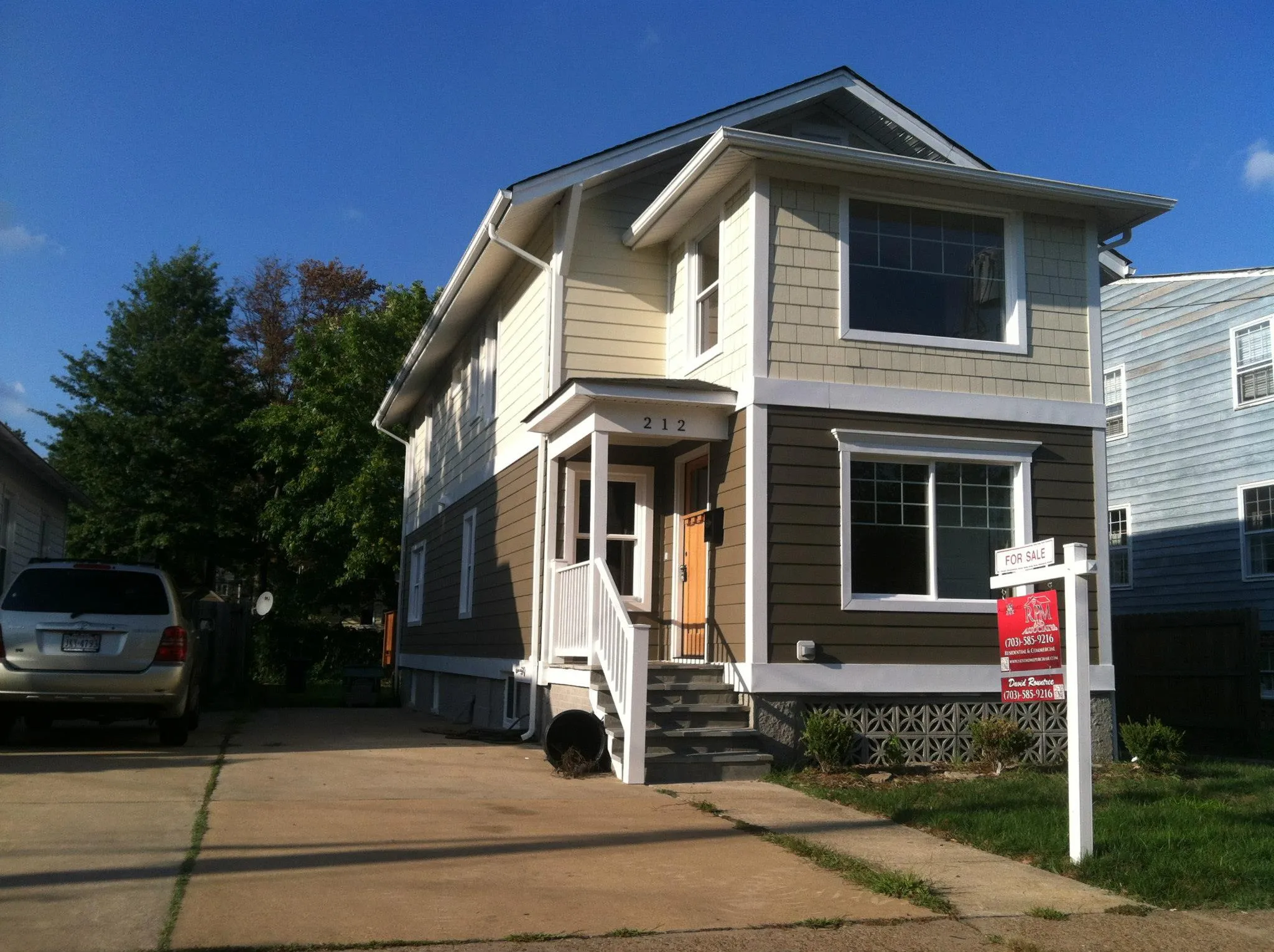
The most obvious clues that your siding needs attention are the ones you can see. Take a walk around your property and look closely at the exterior walls. Do you see any cracking, chipping, or warping? If you notice cracks or gaps in your siding, it may be a sign of aging, weather damage, or even structural shifts in your home. For wood siding, look for soft spots or signs of rot. For vinyl, check for brittleness or panels that have pulled away from the house. Even significant color fading can be a red flag, as it often means the siding’s protective outer layer has worn away, leaving it vulnerable to moisture.
Notice Higher Energy Bills or Drafts
Sometimes, the biggest signs aren't on the outside of your house, but in your utility bills. Your home’s siding is an essential component that protects against weather and contributes to energy efficiency. When it’s compromised, it can’t insulate your home properly. This allows air from the outside to seep in, creating drafts and forcing your heating and cooling systems to work overtime just to maintain a comfortable temperature. If you've noticed a sudden and unexplained spike in your energy costs, or if certain rooms feel draftier than they used to, your aging siding could be the culprit. It’s a subtle sign, but one that can have a big impact on your wallet.
Consider Your Siding's Age and Upkeep
Every type of siding has a general lifespan. If you know your siding is decades old, it’s probably time to start planning for a replacement, even if it looks okay from a distance. Think about how much maintenance it requires, too. Are you constantly repainting, caulking, or patching up problem areas? Sometimes, a full replacement is a smarter long-term investment than endless repairs. Plus, if your home's siding is showing signs of physical wear and tear, your exterior style could likely use an update, too. A fresh look can completely transform your home's curb appeal. Exploring new, modernsidingoptions can give you better performance and a style you love.
How Do You Choose the Right Siding Material?
Choosing the rightsidingis about balancing aesthetics, budget, and long-term maintenance. The material you pick will define your home's character for years, so it’s worth taking the time to understand your options. Your home's architectural style, the D.C. climate, and how much upkeep you're willing to do are all key factors. Let's walk through some of the most popular choices to help you find the perfect fit for your home.
The Practicality of Vinyl Siding
If you're looking for a budget-friendly and low-maintenance option, vinyl is tough to beat. It’s one of the most popularsidingchoices for a reason: it's affordable, durable, and comes in a huge variety of colors and styles that can mimic more expensive materials. Vinyl siding is a fantastic home improvement project that can improve your home's curb appeal and value without requiring constant upkeep. It won't rot or flake, and cleaning it is as simple as using a garden hose. For busy homeowners in the D.C. area, vinyl offers a practical "set it and forget it" solution that keeps your home looking fresh.
The Durability of Fiber Cement
For homeowners who want the look of wood without the demanding maintenance, fiber cement is an excellent choice. It's a composite material made from sand, cement, and cellulose fibers, making it incredibly strong and long-lasting. Fiber cement siding is a great option because it's strong, lasts a long time, and doesn't need much upkeep. It’s resistant to fire, rot, and pests, holding up beautifully against the humid summers and chilly winters we experience. While the initial investment is higher than vinyl, its durability and performance make it a smart choice for a long-termresidential constructionproject.
The Timeless Look of Wood Siding
There's no denying the classic, beautiful look of natural wood siding. It offers a warm, timeless appeal that can complement any architectural style, from historic Capitol Hill rowhouses to modern custom homes. However, this beauty comes with a commitment. Natural materials like wood need a lot of upkeep, such as frequent painting, fixing rot, and dealing with pests. If you love the aesthetic and are prepared for the maintenance, wood can be a stunning choice. But it's important to be realistic about the time and cost involved in keeping it looking its best.
Exploring Metal and Other Modern Options
If you're aiming for a more contemporary or industrial look, metal siding is a unique and durable alternative. It's stronger than vinyl and offers a sleek, eye-catching, and long-lasting choice for your home's exterior. Steel and aluminum are common options, each with its own price point and benefits. Metal is a fantastic, low-maintenance material that stands up to harsh weather with ease. It's also a popular choice forcommercial constructionprojects, valued for its longevity and modern aesthetic. Beyond metal, you can also find engineered wood and other composite materials that offer innovative solutions for durability and style.
How Much Does New Siding Cost?
Let's talk numbers. Budgeting for a big home project can feel like the hardest part, but getting a clear picture of the costs is the first step toward making a smart decision. Replacing your home'ssidingis a significant investment, but it’s one that pays off in curb appeal, protection, and even energy efficiency. The final price tag depends on a few key things: the size of your home, the material you choose, and the complexity of the job.
Think of your total cost as three main puzzle pieces: materials, labor, and the smaller (but still important) expenses like permits. A good contractor will give you a detailed quote that breaks down each of these areas, so you know exactly where your money is going. While it’s tempting to focus only on the material cost, remember that expert installation is what ensures your newsidingwill look great and perform well for decades. We’ll walk through each part of the budget so you can plan with confidence.
Break Down Material Costs
The material you choose will be one of the biggest factors in your overall budget. Each option comes with a different price point and its own set of benefits. For a typical 2,000-square-foot home, vinyl siding is often the most budget-friendly choice, costing around $12,000 for materials and installation. If you’re looking for something more durable and fire-resistant, fiber cement is a fantastic mid-range option, averaging about $18,000. For those who love a classic, natural aesthetic, wood siding might be the perfect fit, though it comes at a higher price of around $23,000 and requires more upkeep.
Factor in Labor and Installation
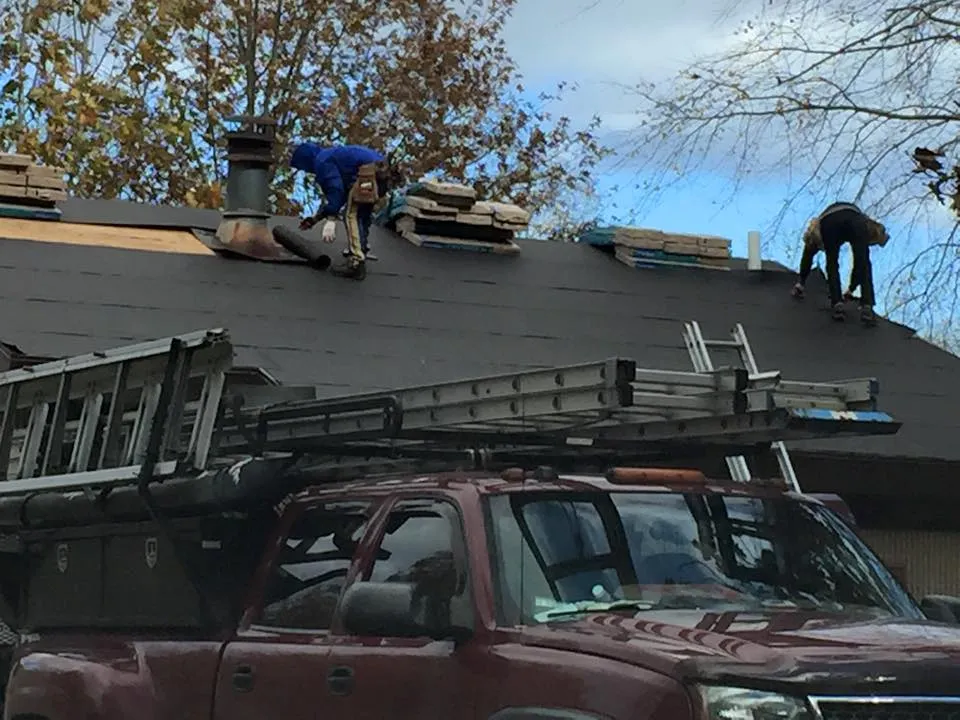
Don't underestimate the cost of labor—it often makes up about half of the total project price. This isn't just for the physical work of removing old siding and installing the new; it also covers the expertise, precision, and efficiency of a professional crew. A typical siding replacement takes one to two weeks, and paying for skilled labor ensures the job is done right. A dedicatedproject managerwill coordinate the entire process, from scheduling deliveries to managing the team on-site, making sure your project runs smoothly and stays on track without causing you unnecessary stress.
Plan for Permits and Other Expenses
Beyond materials and labor, there are a few other costs to keep in your budget. Most municipalities, including those in the D.C. area, require a building permit for a siding replacement, which can run anywhere from $100 to $500. It’s also smart to set aside a contingency fund—about 10% to 20% of your total budget—for any surprises. Sometimes, removing old siding reveals hidden issues like rotted sheathing or pest damage that need to be addressed before the new siding can go on. Planning for these potential expenses ahead of time prevents budget-related headaches down the road.
Explore Financing and Ways to Save
Making a large homeremodelingproject more affordable is always a plus. One of the best ways to ensure you’re getting a fair price is to get quotes from at least three different contractors. This allows you to compare not just the cost, but also the scope of work, timelines, and materials included. You might also find some savings by scheduling your project during the off-season, like in late fall or winter, when contractors may be less busy. Discussing your budget openly with your contractor can also reveal options or materials that give you the look you want at a price that works for you.
What's the Siding Replacement Process Like?
Knowing what to expect can make a big home improvement project feel much more manageable. Replacing yoursidinginvolves several key stages, from finding the right team to the final walkthrough. Understanding this process helps you prepare your home and your schedule, ensuring everything goes smoothly from start to finish. Here’s a look at the typical steps involved in giving your home a brand-new exterior.
Find the Right Contractor for the Job
Choosing the right contractor is the most important decision you'll make. You're not just hiring a crew; you're partnering with a team that will bring your vision to life. Look for a company with a strong local reputation and clear, consistent communication. A good relationship with your contractor ensures a great experience. A professionalsidingexpert will manage the entire process, from providing a detailed estimate to handling the final cleanup, giving you peace of mind that the job will be done right and on schedule.
Prepare Your Home for Installation
A little prep work goes a long way in making the installation process seamless. Before the crew arrives, it’s a good idea to clear the perimeter of your home by moving patio furniture, grills, and potted plants. You should also trim back any bushes or tree branches that are touching the house. Inside, take a moment to remove pictures and fragile items from your walls, as the work can cause vibrations. This simple preparation helps the team work safely and efficiently while protecting your belongings.
Understand the Project Timeline
A typical siding replacement takes about one to two weeks, but the exact timeline can vary. Factors like the size of your home, the weather, and any necessary repairs to the underlying structure can affect the schedule. Your contractor should give you a clear timeline that outlines each phase of the project. A dedicatedconstruction managerwill keep you updated on the progress and any adjustments, so you always know what’s happening and what to expect next.
Why Professional Installation is Key
While it might be tempting to cut costs, siding installation is a job best left to the pros. Proper installation is crucial for protecting your home from moisture, pests, and drafts for years to come. An experienced team has the right tools and expertise to handle critical details like flashing and sealing to prevent leaks. They can also identify and fix hidden issues, like rotted sheathing, before the new siding goes on. Investing in professionalremodelingservices ensures your siding not only looks beautiful but also provides lasting protection.
Is New Siding a Good Investment?
Replacing your home'ssidingis a major project, so it’s natural to ask if the cost is truly worth it. The simple answer is yes. New
Calculate Your Return on Investment
When it comes to home improvements, new siding offers one of the best financial returns you can make. While you might not recoup every single dollar, you can get very close. According to industry reports, homeowners can expect to get back about80% to 88%of what they spend on new vinyl or fiber-cement siding when they eventually sell their house. This high return on investment makes newsidinga smart financial decision, not just an expense. It adds tangible value that is reflected in your home’s final sale price, making it a secure and worthwhile upgrade for any property owner.
Add to Your Home's Value and Curb Appeal
Your home's exterior is the first thing anyone sees, and old, worn-out siding can leave a poor impression. As experts at James Hardie note, "Replacing old or damaged siding can significantly boost your home's market value and curb appeal." A fresh, modern exterior makes your home stand out in the neighborhood and can be a major selling point for potential buyers. Even if you aren't planning to sell anytime soon, great curb appeal creates a welcoming atmosphere you can enjoy every time you pull into the driveway. It’s a key part of any major homeremodelingproject that delivers both immediate satisfaction and long-term value.
Enjoy Long-Term Energy Savings
Did you know that new siding can help lower your heating and cooling costs? Old siding often has cracks, gaps, or warping that allows air to leak in and out of your home. This forces your HVAC system to work harder to maintain a comfortable temperature. Modern siding, especially when paired with an insulated underlayment, creates a protective barrier that seals your home from the elements. This improved insulation keeps your home warmer in the winter and cooler in the summer, leading to noticeable savings on your monthly energy bills. A professionalconstruction managerensures the installation is done right for maximum efficiency.
Appreciate Low-Maintenance Durability
Tired of scraping, painting, and patching your old siding? Investing in quality materials means you can spend less time on upkeep and more time enjoying your home. Modern siding options like vinyl and fiber cement are designed for durability and require very little maintenance. They resist rot, pests, and fading, standing up to harsh weather year after year. This means you get better protection for your home with far less work. This focus on durable, high-quality materials is a core principle of all ourresidential constructionprojects, giving you peace of mind and a beautiful, long-lasting exterior.
Related Articles
Frequently Asked Questions
How long should mysidingactually last?The lifespan of your siding really depends on the material you choose and how well it's maintained. As a general guide, vinyl siding can last for 20 to 40 years, while more durable options like fiber cement can protect your home for 50 years or even longer. Wood siding has a variable lifespan that heavily relies on consistent upkeep, like painting and sealing, to prevent rot and pest damage.
Can I just repair a few damaged spots instead of replacing everything?Sometimes, a simple repair is all you need. If you have a single cracked panel from a stray baseball or minor damage in one specific area, a patch job can work perfectly. However, if you're seeing widespread issues like brittleness, significant fading across the whole house, or warping on multiple walls, a full replacement is usually the smarter long-term solution. It ensures your home is uniformly protected and looks cohesive.
What's the best time of year to replace siding?Siding can technically be installed in any season, but most homeowners find that spring and fall offer the best conditions. The moderate temperatures are ideal for both the materials and the installation crew. That said, a skilled team can work through the heat of summer or the cold of winter. Scheduling your project during a less busy season might even offer a bit more flexibility in the project timeline.
How much disruption should I expect during the installation?A siding replacement is a major construction project, so you should expect some noise during the day. There will be sounds from saws, hammers, and the crew working around your home's perimeter. However, a professional team works hard to minimize the impact on your daily life. They'll keep the job site tidy, communicate their schedule clearly, and work as efficiently as possible to get the job done without unnecessary delays.
What happens if you find rot or other damage under my old siding?It’s not uncommon to uncover hidden issues like soft wood or moisture damage once the old siding comes off. If this happens, our process is straightforward. We immediately stop work in that area, show you exactly what we've found, and explain the best course of action to fix the underlying problem. We'll provide a clear plan and cost for the repair before we move forward, ensuring there are no surprises.