How to Hire Restaurant Remodeling Contractors
Remodeling your restaurant is about more than fresh paint and new tables; it’s a strategic move to grow your business. A well-executed renovation can attract new customers, improve your team’s workflow, and strengthen your brand identity. But to get that return on your investment, you need a partner who understands both construction and the business of hospitality. The most successful projects are led by experienced restaurant remodeling contractors who know how to create spaces that are not only stunning but also highly functional and profitable. They help you make smart decisions that will benefit your bottom line for years to come.
Key Takeaways
Partner with a restaurant remodeling expert: Your project needs a contractor who specializes in the food service industry. They bring essential knowledge of kitchen efficiency, health code compliance, and operational flow that a general contractor simply won't have.
Establish a solid plan before you start: A successful remodel depends on a realistic budget and timeline. Define the full scope of your project with your contractor and set aside a contingency fund (10-20%) to handle any surprises without derailing your finances.
Design for function, not just looks: An inefficient layout can hurt your business, no matter how beautiful the dining room is. Prioritize a design that supports your staff's workflow and ensures a smooth guest experience to create a space that is both practical and profitable.
What Does a Restaurant Remodeling Contractor Do?
A restaurant remodeling contractor does much more than swing a hammer. Think of them as the director of your renovation project, overseeing every detail from the initial sketch to the final inspection. Unlike a general contractor who might work on a variety of projects, a specialist in restaurant remodeling understands the unique demands of the food service industry. They know that a successful restaurant is a delicate balance of an inviting atmosphere for your guests and seamless operational efficiency for your staff. This expertise is crucial because restaurants have specific needs related to health codes, workflow, and customer experience that you won't find in other commercial spaces.
Their job is to manage the entire complex process. This means coordinating a team of architects, designers, plumbers, electricians, and equipment suppliers to ensure everyone is working toward the same goal. They translate your vision into a concrete plan, making sure every aspect of the remodel, from the kitchen layout to the dining room lighting, is designed to support your business. A great contractor brings industry-specific knowledge to the table, helping you avoid common pitfalls like poor workflow or code violations. They are your essential partner in turning your concept into a thriving, functional, and beautiful reality.
Design and Space Planning
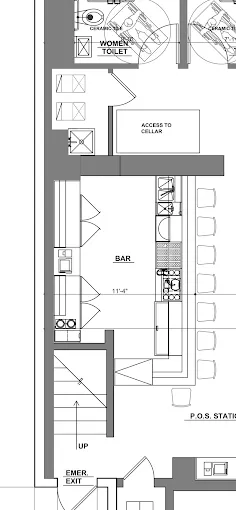
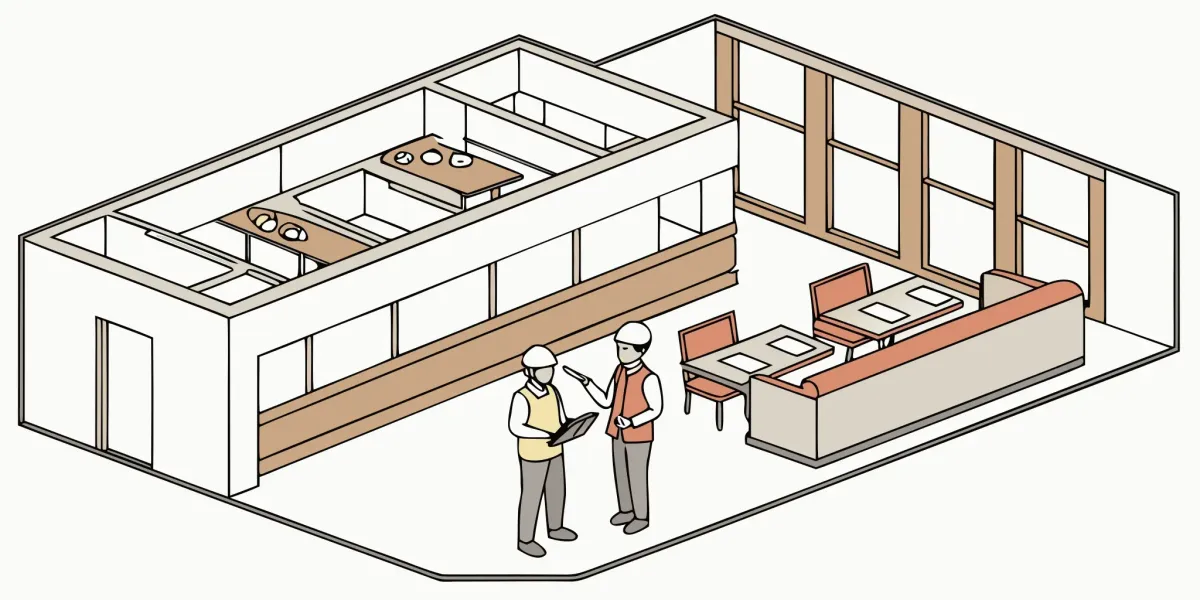
A great restaurant remodel starts with a smart design. Your contractor will work with you to create a floor plan that balances aesthetics with operations, ensuring your space is both beautiful and efficient. They help you think through the customer journey, from the moment they walk in the door to how they move through the space. This includes optimizing table layouts for maximum seating without feeling cramped and designing a service area that allows staff to work smoothly. A seasoned contractor understands the business side of restaurants, not just the construction side, and helps translate your brand’s vibe into a physical, functional layout.
Kitchen and Equipment Installation
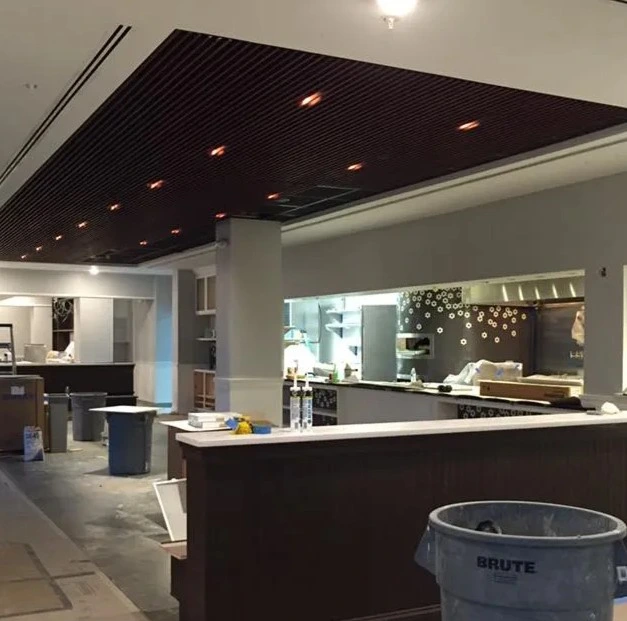
The kitchen is the heart of your restaurant and often the most complex and expensive part of a renovation. A specialized contractor manages the intricate installation of commercial-grade equipment, ensuring everything meets code. This goes far beyond just placing appliances. They oversee the critical "behind the scenes" infrastructure, like high-capacity electrical wiring, specialized plumbing for grease traps, and commercial-grade HVAC and ventilation systems. Their expertise in commercial construction is essential for building a safe, efficient, and durable kitchen that can handle the pressures of a busy service.
Dining Area Construction
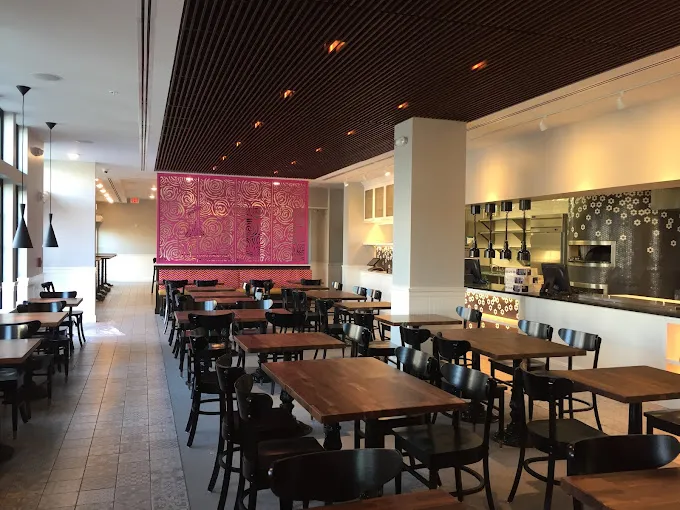
Building a dining area is completely different from updating a living room. A restaurant contractor knows how to handle the unique challenges of food service construction. They focus on creating an environment that enhances the guest experience while supporting your staff. This involves everything from selecting durable flooring that can withstand heavy foot traffic and spills to installing lighting that sets the right mood. They also ensure proper traffic flow for servers during a lunch rush and that your space is compliant with accessibility standards, creating a welcoming atmosphere for every guest.
Permits and Code Compliance
One of the most critical roles a contractor plays is managing the web of permits and regulations. They are responsible for ensuring your remodel meets all local building codes, fire safety standards, and health department rules. This process starts with meticulous planning to anticipate potential regulatory hurdles that could cause delays. A dedicated project manager will handle all the paperwork, schedule necessary inspections, and communicate with officials on your behalf. This expertise saves you from costly fines and ensures your restaurant can open on time without any legal headaches.
How to Choose the Right Restaurant Remodeling Contractor
Finding the right contractor is the most critical decision you'll make for your restaurant remodel. This is the partner who will bring your vision to life, so it’s essential to choose a team that is experienced, reliable, and easy to work with. Taking the time to properly vet your options will save you from headaches, budget overruns, and costly delays down the line. Think of it as hiring a key member of your team. Here’s how to make sure you find the perfect fit.
Vet Their Commercial Experience
A restaurant remodel isn’t like updating your living room. It requires a specialized skill set that goes far beyond aesthetics. You need a contractor who understands the unique demands of a commercial kitchen, the flow of a busy dining room, and the specific building codes for food service establishments. A seasoned restaurant remodeling expert will know how to balance design with operations, helping you create a space that’s both beautiful and efficient. Ask potential contractors about their experience with projects similar to yours. They should be able to speak confidently about ventilation requirements, grease traps, and creating a layout that supports your staff during a busy service.
Review Their Portfolio
A picture is worth a thousand words, and a portfolio is your window into a contractor's quality and style. Before you commit, take a deep dive into their past work. Look for examples of commercial construction that align with your vision. Do they have experience with the type of restaurant you’re building, whether it’s a cozy cafe or a high-end dining room? Pay attention to the details in their photos, from the tile work to the light fixtures. A strong portfolio not only showcases their craftsmanship but also proves they can deliver on their promises. Don’t hesitate to ask for references you can speak with about their experience.
Verify Licenses and Insurance
This step is non-negotiable. Any legitimate contractor will be properly licensed and insured, and they should be able to provide documentation without hesitation. This protects you, your business, and your property from liability in case of an accident or damage during the project. Make sure their general liability insurance and workers' compensation are up to date. Verifying these credentials ensures you’re working with a professional who follows regulations and takes safety seriously. It’s a simple check that provides essential peace of mind and keeps your project compliant from day one.
Assess Their Communication Style
Clear and consistent communication is the backbone of a successful remodeling project. From the initial consultation, pay attention to how a contractor interacts with you. Are they responsive to your calls and emails? Do they listen to your ideas and answer your questions thoroughly? A great contractor will have a dedicated project manager and a clear system for providing regular updates. You want a partner who is transparent about the timeline, budget, and any challenges that arise. This collaborative relationship is key to ensuring the final result matches your vision and that the process is as smooth as possible.
Spot the Red Flags
Trust your intuition during the hiring process. If something feels off, it probably is. Be wary of contractors who offer a bid that is significantly lower than all the others, as this could signal cut corners or hidden costs later on. High-pressure sales tactics or an unwillingness to provide a detailed, written contract are also major red flags. Other warning signs include vague answers to your questions, a lack of recent references, or poor communication from the very beginning. A professional contractor will be transparent and patient, guiding you through the process without making you feel rushed or uncertain.
What to Expect for Restaurant Remodeling Costs
Budgeting for a restaurant remodel can feel like a huge puzzle, but understanding the key pieces makes it much more manageable. While every project is unique, knowing the typical costs and what drives them will help you plan effectively. A clear budget is your roadmap, ensuring your vision for a new dining experience comes to life without unexpected financial stress. It’s all about knowing where your money is going and planning for a smooth, successful transformation.
Breaking Down Project Costs
When you start looking at numbers, you’ll often see costs broken down per square foot. For a restaurant, this can range anywhere from $175 to over $700. Most full-scale renovations, however, tend to land in the $250 to $400 per square foot range. This covers a comprehensive overhaul of your space. Thinking in these terms helps you create a baseline budget. For example, a 2,000-square-foot space could have a starting budget of around $500,000 for a complete restaurant remodeling project. This figure gives you a realistic starting point for discussions with your contractor.
Factors That Influence Price
Several key factors will shape your final project cost. The overall scope of work is the biggest driver; a simple cosmetic update will cost far less than a full gut renovation. Your location in the D.C. area also plays a role due to local labor and material costs. The quality of finishes and materials you choose, from flooring to light fixtures, will also have a significant impact. Keep in mind that the kitchen is almost always the most expensive area to renovate because of specialized equipment, complex plumbing, and electrical needs that require expert installation.
Managing Your Budget and Hidden Fees
No matter how well you plan, surprises can happen. That’s why it’s smart to set aside a contingency fund, typically 10% to 20% of your total budget, to cover unforeseen issues like hidden structural problems. Working with an experienced project manager is your best defense against budget overruns. They anticipate potential risks, create detailed plans, and maintain clear communication, which helps keep those unexpected costs from derailing your project. This proactive approach ensures everyone is aligned and the project stays on track financially, giving you peace of mind.
Understanding Contracts and Payments
Your contract is the most important document in your remodeling project, so never proceed without a detailed, written agreement. It should clearly outline the start and finish dates, a full description of the work, and an itemized list of all materials and their costs. It also needs to include a clear payment schedule that specifies when payments are due at different project milestones. This document protects both you and your contractor, ensuring there are no misunderstandings. A transparent contract is the foundation of a successful commercial construction project.
Common Restaurant Remodeling Mistakes to Avoid
A restaurant remodeling project is exciting, but it’s also full of potential pitfalls that can derail your plans and inflate your costs. Knowing what to watch out for ahead of time can save you from major headaches down the road. From miscalculating your budget to prioritizing the wrong things, even small oversights can have a big impact on your timeline and your bottom line.
The most successful remodels are the ones that are planned with care, avoiding common traps that many business owners fall into. This means thinking through not just the look of your new space, but also its functionality, compliance with local codes, and the practical realities of construction. A great contractor will help you sidestep these issues, but it’s always best to be an informed client. Let’s walk through some of the most frequent mistakes so you can be prepared to handle them.
Underestimating the Timeline and Budget
It’s easy to get swept up in the vision for your new restaurant, but a dream without a realistic plan can quickly turn into a financial nightmare. One of the biggest mistakes is not setting a practical budget and timeline from the start. Construction projects that don’t begin with a realistic budget will almost certainly run into trouble. Unexpected issues like hidden structural problems or delays in material delivery can pop up. A detailed budget with a contingency fund (usually 10-15% of the total cost) is your best defense. A dedicated project manager can help you create a solid plan and keep everything on track.
Failing to Communicate Clearly
Clear and consistent communication is the foundation of a successful remodeling project. You and your contractor need to be on the same page about every detail, from the overall vision to the daily progress. Misunderstandings can lead to costly rework and frustrating delays. Don’t be afraid to ask questions, voice concerns, and request regular updates. A professional contractor will welcome this dialogue and have a system in place for keeping you informed. Maintaining open communication ensures that your vision is executed exactly as you imagined, without any unwelcome surprises along the way.
Ignoring Health Department Rules
When it comes to restaurants, health and safety regulations are non-negotiable. Overlooking health department codes for kitchen layouts, plumbing, ventilation, and food storage can shut your project down before it even gets started. These rules are complex and vary by location, so it’s critical to work with a contractor who has specific experience in the food service industry. They will know how to design a space that is not only beautiful but also fully compliant. Ensuring your remodel meets all health and safety standards from day one will prevent failed inspections and costly changes later.
Choosing Aesthetics Over Function
A stunning dining room is important, but it won’t matter if your kitchen is inefficient or your staff can’t move freely. A common mistake is prioritizing aesthetics at the expense of operational flow. Your restaurant’s layout needs to support your team’s workflow, from the moment ingredients arrive to when a finished dish is placed in front of a customer. A seasoned restaurant remodeler knows how to strike the perfect balance, creating a space that looks incredible while maximizing efficiency behind the scenes. This focus on function is a hallmark of professional commercial construction.
Skipping Professional Design
Trying to save money by skipping a professional designer or architect often costs more in the long run. These experts do more than just pick out colors and finishes. They create detailed blueprints that optimize your space, ensure everything is up to code, and help you visualize the final product before construction begins. Professional designers and architects are essential for developing functional layouts and making sure your project complies with all building regulations. Their expertise helps prevent design flaws that could impact your operations and lead to expensive revisions, making them a crucial part of any successful remodeling team.
How to Ensure Your Restaurant Remodel is a Success
Hiring a great contractor is a huge step, but your involvement is what truly steers the project toward a successful opening day. A smooth restaurant remodeling project depends on clear planning, open communication, and smart financial foresight from start to finish. By staying organized and proactive, you can avoid common pitfalls and ensure the final space not only looks incredible but also functions perfectly for your staff and guests. Think of yourself as the project's co-pilot; your contractor handles the technical execution, but you provide the destination and the roadmap. Let’s walk through the key steps to keep your project on track and bring your vision to life.
Define Your Timeline and Scope
Before a single wall comes down, you and your contractor need a rock-solid plan. A successful project begins with meticulous planning, which means defining the project scope, setting clear objectives, and establishing a realistic timeline. Work with your team to create a detailed document that outlines every task, from demolition and framing to installing the final light fixtures. This scope should be your single source of truth. It helps prevent "scope creep," where small additions gradually inflate your budget and push back your completion date. A skilled project manager will help you build a buffer into your timeline for those inevitable surprises, ensuring a small delay doesn’t derail your entire schedule.
Communicate Your Vision
You have a clear vision for your restaurant, but can your contractor see it too? Maintaining clear and open communication is one of the keys to a successful remodel. Don't rely on assumptions. Use visual aids like mood boards, architectural sketches, and photos to show exactly what you want. Schedule regular check-ins with your construction manager to review progress, ask questions, and address concerns before they become bigger issues. Establishing these communication protocols early on ensures everyone, from the electricians to the painters, shares a common understanding of your goals. This alignment is crucial for transforming your ideas into a tangible, functional space.
Plan for Business Downtime
One of the toughest realities of a remodel is that your doors will be closed, and revenue will stop. It’s essential to plan for this lost income from the very beginning. Before the project starts, calculate your average daily or weekly earnings and build a financial cushion to cover your operating expenses during the closure. Discuss the project timeline with your contractor to get an accurate estimate of how long you'll be shut down. Some restaurants can execute a phased renovation to keep a portion of the business open, but this isn't always possible. Planning for this downtime financially will reduce stress and allow you to focus on the project without worrying about cash flow.
Manage Permits and Inspections
Navigating the world of building permits and city inspections can be one of the most challenging parts of a remodel, especially in areas like Washington, D.C. Your contractor should take the lead in securing all necessary permits and scheduling inspections, but you should stay informed throughout the process. Delays in this area are common and can halt all work on site. An experienced commercial construction firm will have established relationships with local building departments, which can help streamline the process. Make sure you understand the inspection schedule and what’s needed to pass at each stage to keep your project moving forward smoothly.
Conduct a Final Walkthrough
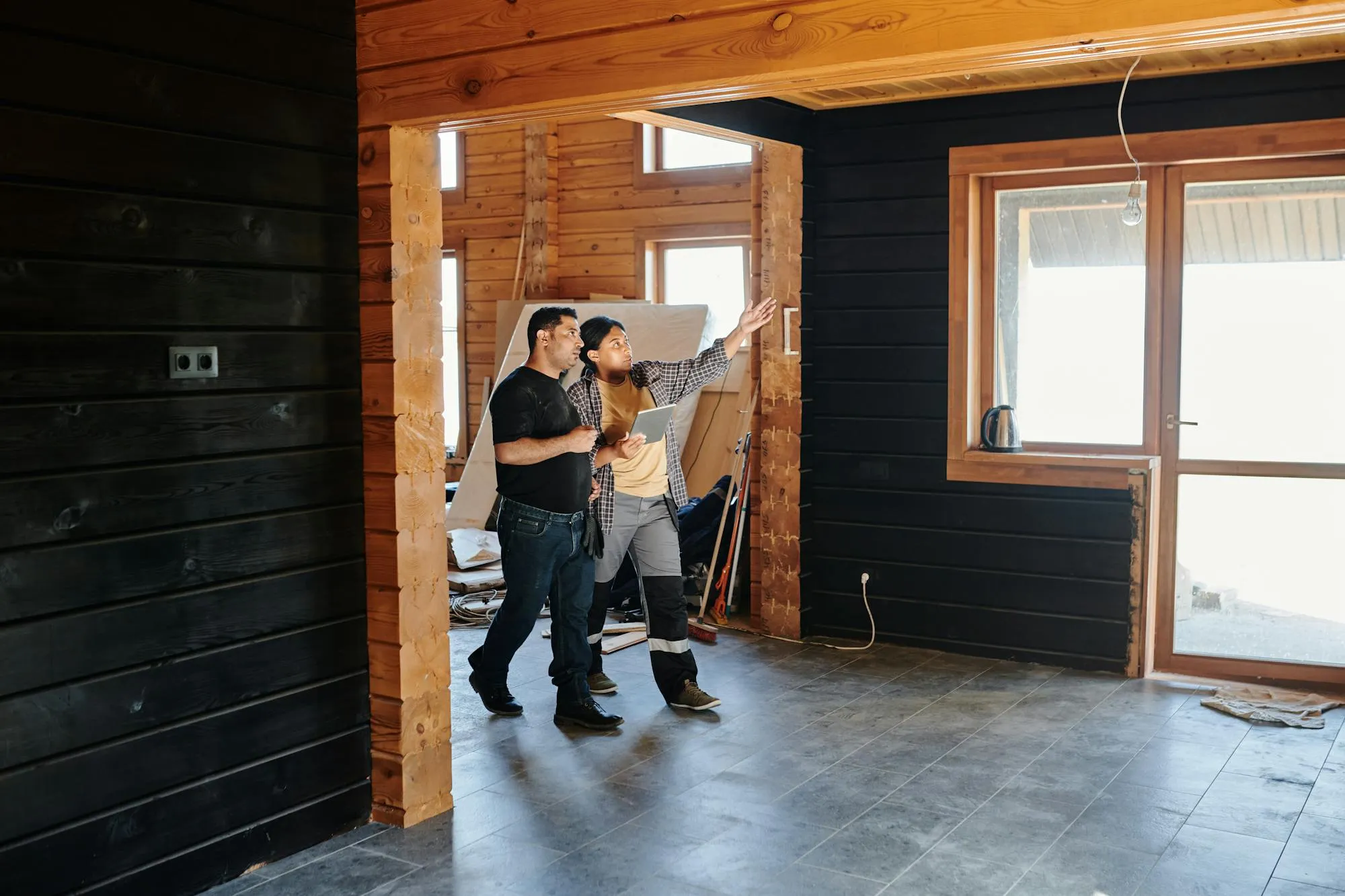
Once the dust has settled and the tools are packed away, it’s time for the final walkthrough. This isn't just a quick glance; it's your opportunity to meticulously inspect every detail of the finished space with your contractor. Create a "punch list" of any items that need correction, whether it's a paint scuff, a misaligned cabinet door, or a faulty outlet. A seasoned restaurant remodeler knows how to balance aesthetics with operations, and this is your chance to confirm they’ve built a space that is both beautiful and efficient. Don't sign off and make the final payment until you are completely satisfied that every item on your list has been addressed.
Related Articles
Frequently Asked Questions
Why can't I just hire a general residential contractor for my restaurant? While a general contractor is skilled in many areas, a restaurant is a highly specialized commercial space. It requires deep knowledge of specific health codes, commercial-grade kitchen ventilation, complex plumbing for things like grease traps, and designing for operational workflow. A contractor who specializes in restaurants understands how to build a space that is not only beautiful but also compliant and efficient, which helps you avoid costly fines and operational headaches later on.
How long does a typical restaurant remodel actually take? The timeline for a remodel can vary dramatically depending on the scope of your project. A simple cosmetic refresh might only take a few weeks, but a full gut renovation that involves moving walls and installing a new kitchen could take several months. A professional contractor will provide a detailed project schedule before any work begins, outlining each phase and building in time for permits and inspections.
What's the best way to keep my remodeling costs from getting out of control? The best defense against budget overruns is thorough planning. Start with a detailed, itemized contract that leaves no room for ambiguity. From there, you should always set aside a contingency fund, usually about 10% to 20% of the total project cost, to cover any unexpected issues that might arise. Maintaining open and regular communication with your project manager is also key to tracking expenses and making informed decisions along the way.
Besides their portfolio, what is the most important thing to evaluate in a contractor? After you've confirmed a contractor has the right experience and credentials, pay close attention to their communication style. A successful project depends on a strong partnership, and that requires a contractor who listens to your vision, answers questions clearly, and provides regular, transparent updates. This collaborative spirit is just as important as their technical skill and ensures the final result truly matches your goals.
What is the most common mistake restaurant owners make during a remodel? One of the most frequent mistakes is prioritizing aesthetics over function. It's easy to get focused on creating a stunning dining room, but if the kitchen layout is inefficient or the service stations are poorly placed, your business operations will suffer every single day. A great remodel successfully balances a welcoming atmosphere for guests with a practical, streamlined workflow for your staff.