A Homeowner's Guide to Roof Replacement Companies
We’ve all heard stories about home renovation projects gone wrong. When it comes to something as critical as your roof, you can’t afford to take chances. The challenge is that many contractors can talk a good game, making it difficult to tell the experts from the opportunists. Vettingroof replacement companiesrequires knowing exactly what to look for—and what to avoid. This guide is your cheat sheet for spotting the warning signs. We’ll cover the high-pressure sales tactics, vague contracts, and unusually low bids that should make you pause, empowering you to protect your home and your wallet from a bad decision.
Key Takeaways
Verify the non-negotiables before signing: Always ask for and confirm a contractor's current license, general liability insurance, and worker's compensation to protect your property and finances from any accidents.
Know what goes into your new roof: A detailed quote should clearly break down costs for materials, labor, and your roof's specific complexity, helping you make an informed choice on everything from asphalt shingles to metal panels.
Understand your long-term protection: A quality project is backed by two distinct safety nets—the manufacturer's warranty covering the materials and the contractor's workmanship guarantee covering the installation itself.
What Do Roofing Companies Actually Do?
When you think of a roofer, you probably picture someone fixing a leak after a storm. While that’s certainly part of the job, a professionalroofingcompany offers a much wider range of services designed to protect your home from the top down. From routine check-ups to complete overhauls, their work is essential for maintaining your property's safety, value, and curb appeal. Understanding the full scope of what they do can help you know when to call and what to expect. A good contractor acts as your partner, ensuring the structure that shields you and your family is sound, secure, and built to last.
Complete Roof Replacement
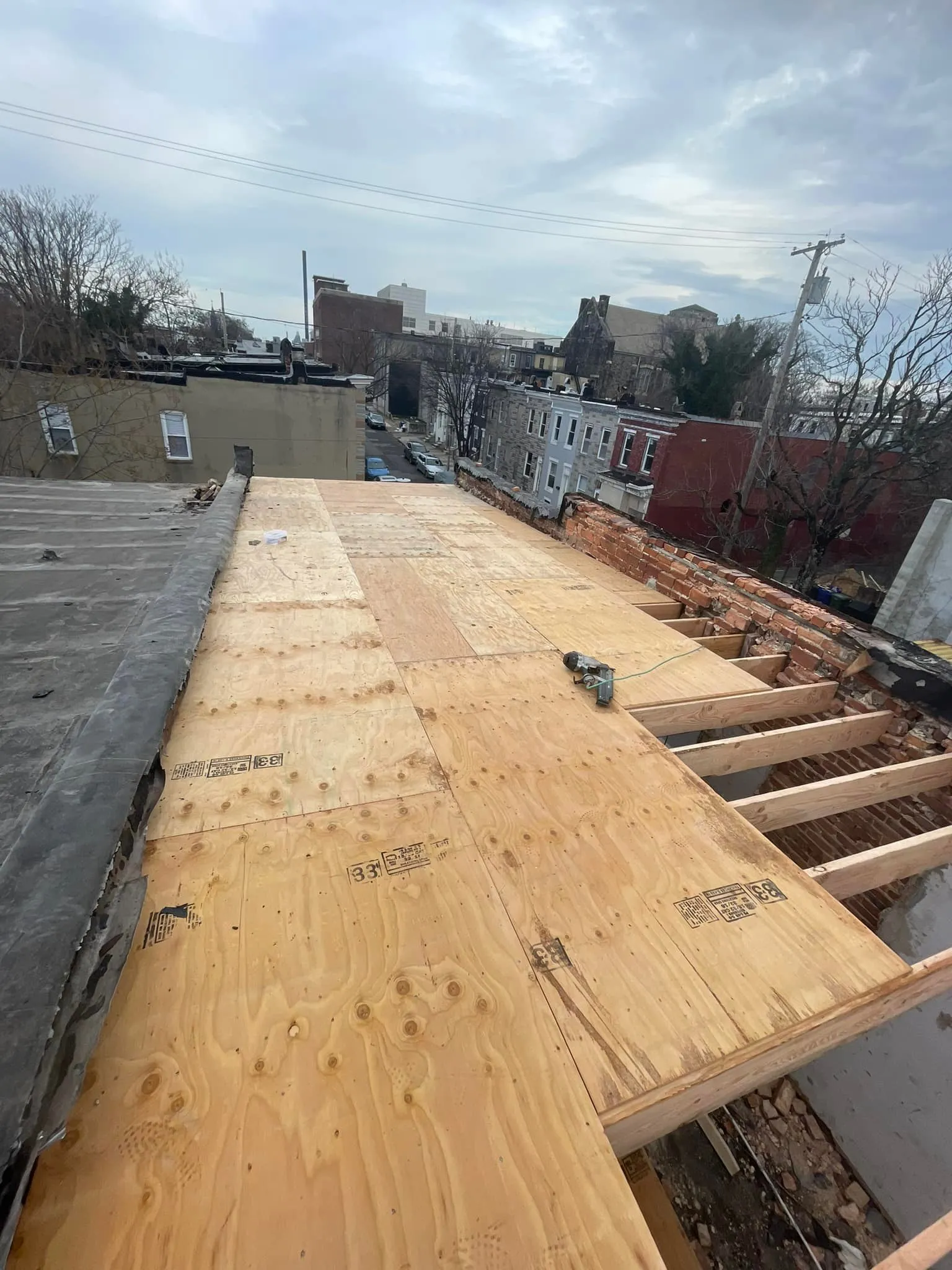
A full roof replacement is one of the biggest projects a homeowner can undertake. It’s more than just laying down new shingles; it involves completely tearing off your old roof down to the sheathing and installing an entirely new system. This process requires a skilled team to ensure every layer—from the underlayment to the flashing and finalroofingmaterial—is installed correctly. A proper replacement protects your home from the elements for decades to come. It’s a significant investment in your property’s health and longevity, and it’s crucial that the job is handled with expert craftsmanship from start to finish.
Roof Repair and Maintenance
Not every roofing issue calls for a total replacement. Often, targeted repairs and consistent maintenance are all you need to extend the life of your current roof. Neglecting small problems like a few loose shingles or a minor leak can lead to much bigger, costlier issues like water damage and structural rot. Professional roofing companies offer repair services to fix specific problems and provide routine maintenance checks to catch potential issues early. Think of it as a health check-up for your home—a little preventative care can save you a lot of headaches and money down the road.
Material Options and Installation
Choosing the right materials is a critical part of any roofing project, and a good contractor will guide you through the options. They can explain the pros and cons of different materials, from the affordability and popularity of asphalt shingles to the durability of metal or the classic look of slate. Your roofer’s expertise helps you select the best fit for your home’s style, the D.C. climate, and your budget. Once you’ve made a decision, their team handles the expertinstallation, ensuring every component is placed correctly for maximum performance and longevity.
Inspections and Assessments
Every roofing project should start with a thorough inspection. This is where a professional contractor carefully examines your entire roofing system to identify the root cause and full extent of any issues. They’ll check for damaged shingles, signs of water intrusion in the attic, compromised flashing, and overall wear and tear. This detailed assessment allows them to determine whether a simple repair will suffice or if a full replacement is necessary. A comprehensive inspection is the foundation of an accurate quote and a successful project, ensuring no problem goes unnoticed.
How to Find a Roofer You Can Trust
Choosing a roofer is one of the most important decisions you’ll make as a homeowner. Your roof is your home's first line of defense, and the quality of its installation directly impacts your property's safety and value for decades. Finding a contractor you can trust is about more than just getting a fair price; it’s about ensuring the job is done right with high-quality materials and expert craftsmanship. A great roofer will be transparent, communicative, and patient, guiding you through the process without pressure and making sure you understand every option available to you.
Think of your search as a hiring process. You’re looking for a partner who is not only skilled but also reliable and professional. This means doing a little homework upfront to avoid major headaches later. You’ll want to verify their credentials, check their reputation in the community, assess their communication style, and confirm their local expertise. Taking these steps will help you filter out the unreliable operators and connect with a company that will protect your investment. A trustworthy contractor will welcome your questions and provide clear, detailed answers, giving you the confidence you need to move forward with one of your home's most critical projects.
Check for Licenses, Insurance, and Certifications
This is the absolute first step in vetting any contractor. A professionalroofingcompany must be licensed to operate in your area and carry comprehensive insurance. Specifically, you’re looking for two types: general liability and worker’s compensation. Liability insurance protects your home and property in case of accidental damage, while worker’s comp covers the contractor’s employees if they get injured on the job. Without this coverage, you could be held financially responsible. Don’t just take their word for it—ask to see copies of their license and insurance certificates. Any reputable roofer will provide this documentation without hesitation. If they can’t or won’t, walk away immediately.
Read Online Reviews and Testimonials
Once you’ve confirmed a roofer is properly licensed and insured, it’s time to see what past clients think. While the testimonials on a company’s website are a good starting point, you’ll find more candid feedback on third-party review sites like Google, Yelp, or Nextdoor. Look for recent reviews and read both the glowing and the critical ones to get a balanced picture. Pay attention to patterns. Is the company consistently praised for its punctuality, clean job sites, and clear communication? Or are there recurring complaints about delays, hidden fees, or poor workmanship? How a company responds to negative feedback can also be very telling about their commitment to customer service.
Evaluate Their Communication and Professionalism
From your very first phone call, you can start to gauge a company’s professionalism. Do they answer the phone in a friendly manner? Do they return your messages promptly? When they come to your home for an inspection, are they on time, respectful of your property, and prepared to answer your questions? A trustworthy contractor will provide a detailed, written estimate that clearly outlines the scope of work, materials, and costs. They should be able to explain the process in a way you can understand. Having a dedicatedproject manageris often a sign of a well-run company that prioritizes keeping you informed every step of the way.
Confirm Their Experience with Local Permits
Roofing projects, especially in the Washington, D.C. area, almost always require permits to ensure the work complies with local building codes. An experienced local contractor will be well-versed in these requirements and should manage the entire permitting process for you. Ask them directly about their experience working in your specific neighborhood, whether it’s Capitol Hill or Georgetown. This confirms their local expertise and ensures your project will be completed legally. While you’re discussing logistics, be sure to ask about warranties. A reliable roofer will offer a strong warranty covering both the materials and their own workmanship, demonstrating that they stand behind the quality of their work.
What Goes Into a Roof Replacement Quote?
When you get a quote for a new roof, it can feel like you’re just looking at one big, intimidating number. But that final price is actually a combination of several distinct factors. Understanding what goes into your estimate helps you compare quotes fairly and see exactly where your money is going. A detailed quote is a sign of a transparent contractor who wants you to feel confident in your investment. It’s not just about the shingles; it’s about the materials, the skilled labor required for a safe installation, and the specific characteristics of your home.
A professionalroofingcompany will break down these costs for you, but it’s always smart to know what to look for. From the size and pitch of your roof to the type of materials you select, each element plays a role in the final calculation. Think of it less as a single price tag and more as a customized plan for protecting your home. Let’s walk through the key components that make up a typical roof replacement quote.
Your Roof's Size and Complexity
The most straightforward factor in your quote is the size of your roof, typically measured in square feet. A larger roof naturally requires more materials and more time to complete. But it’s not just about size; complexity matters, too. A simple, flat roof on a one-story home is much easier to work on than a steep, multi-gabled roof with dormers, chimneys, and skylights. Each of these features requires special attention, precise cuts, and careful sealing to prevent leaks, all of which adds to the labor involved in yourresidential constructionproject.
Your Choice of Materials
The cost of replacing your roof depends largely on the materials you choose. Asphalt shingles are a popular and budget-friendly option, but you might also consider durable metalroofing, classic slate, or elegant tile. Each material comes at a different price point, not just for the shingles or panels themselves but for all the necessary components like underlayment, flashing, and ventilation. Your contractor’s quote should specify the brand and type of materials they plan to use, as quality can vary significantly. This choice impacts both the upfront cost and the long-term performance of your new roof.
Labor Costs in Your Area
Labor is a major part of any roofing bill, often accounting for 40% to 60% of the total cost. This expense covers the team of skilled professionals who will tear off your old roof and install the new one safely and correctly. Labor rates are influenced by local pay standards, the crew's experience level, and the complexity of your roof we mentioned earlier. While it might be tempting to cut corners here, remember that quality installation is what ensures your new roof will last for decades. A dedicatedconstruction managerensures the project runs smoothly and that the team works efficiently.
Any Additional Services Required
Sometimes, a roof replacement uncovers other issues that need to be addressed. A thorough inspection might reveal that the underlying wood decking is rotted and needs to be replaced before new shingles can be installed. Your quote may also include the cost of replacing gutters and downspouts, which is often a good idea to do at the same time as your roof. Other potential services include installing new attic ventilation or updating the flashing around chimneys. A good contractor will identify these needs upfront and include them as separate line items in your estimate.
Choosing the Right Roofing Material
Selecting the right material for your roof is one of the biggest decisions you'll make during a replacement project. It's about more than just looks; your choice affects everything from your home's energy efficiency and weather resistance to your long-term budget. The right material can protect your home for decades, while the wrong one might lead to premature repairs. Think of it as choosing the perfect coat for your house—it needs to be durable, functional, and fit your personal style.
From the classic appeal of asphalt shingles to the modern durability of metal, each option comes with its own set of benefits and considerations. We'll walk through the most popular choices to help you find the perfect fit for your home, your budget, and the unique demands of the D.C. climate. Understanding these differences is the first step toward making a confident and informed decision for yourroofingproject.
Asphalt Shingles
Asphalt shingles are the most popularroofingmaterial in the country, and for good reason. They offer a fantastic balance of affordability, performance, and style, making them a go-to for many homeowners in the D.C. area. Thanks to their versatility, you can find them in a wide range of colors and designs, from simple, flat shingles to more dimensional architectural styles that mimic the look of slate or wood shake.
Their installation is straightforward for experienced roofers, which helps keep labor costs down. While they may not last as long as metal or slate, a well-maintained asphalt roof can reliably protect your home for 20 to 30 years. They are a dependable and cost-effective solution that delivers great curb appeal without breaking the bank.
Metal Roofing
If longevity and durability are at the top of your list, metal roofing is an excellent investment. Once associated mainly with commercial buildings, metal roofs are now a popular choice for residential properties due to their sleek look and incredible resilience. Made from materials like steel, aluminum, or copper, a metal roof can last 50 years or more with minimal maintenance.
Beyond its lifespan, metal roofing is highly resistant to fire, wind, and rot. It's also energy-efficient, as it reflects solar heat and can helplower your utility bills. While the upfront cost is higher than asphalt, the long-term savings on repairs and energy make it a smart financial decision for many homeowners looking for a permanent roofing solution.
Tile and Slate Options
For a timeless and elegant look, nothing compares to tile or slate. These premium materials offer unparalleled beauty and durability, often lasting for a century or more. Clay and concrete tiles can give your home a classic Mediterranean or Spanish style, while natural slate provides a sophisticated, traditional appearance that adds significant value to your property.
However, this premium quality comes at a higher price. Tile and slate are among the most expensiveroofing materials, and their weight often requires a structural assessment to ensure your home can support them. Installation is also a highly specialized skill, but for homeowners seeking a truly long-lasting and distinctive roof, the investment is often worth it.
What Works Best for the D.C. Climate
Here in the Washington, D.C. area, we get a little bit of everything: hot and humid summers, cold winters with occasional snow, and the potential for heavy rain and wind from seasonal storms. Choosing a roofing material that can handle these fluctuations is key. For our climate, it's crucial to select materials that areresistant to moistureand durable enough to withstand the elements year-round.
Asphalt shingles are a solid, reliable choice that performs well in our varied weather. For those seeking superior durability and energy efficiency during our hot summers, metal roofing is an outstanding option. A dedicatedproject managercan help you assess your home’s specific needs and recommend the best material to keep you protected and comfortable through every season.
Roofing Company Red Flags to Avoid
Choosing a roofer is a major decision for your home, and unfortunately, not all contractors operate with the same level of integrity. Knowing the warning signs of a less-than-reputable company is just as important as knowing what to look for in a great one. A trustworthy partner will be transparent, patient, and professional from the very first conversation. If you feel uneasy or pressured at any point, it’s a clear signal to pause and re-evaluate. Protecting your investment starts with avoiding contractors who use shady tactics to land a job.
High-Pressure Sales Tactics
A reputableroofingcompany understands that replacing a roof is a significant financial commitment. They will give you the time and information you need to make a confident decision. Be wary of any contractor who tries to rush you. This can look like a "today only" deal that seems too good to be true or a salesperson who uses scare tactics, exaggerating minor issues to create a false sense of urgency. You should never feel pressured to sign a contract on the spot. A true professional will encourage you to get multiple quotes and will stand by their pricing without resorting to high-pressure tricks.
Vague Estimates and Unclear Contracts
Your roofing estimate should be your project's blueprint, leaving no room for confusion. A major red flag is a quote that is vague or lacks detail, simply stating "roof replacement" without breaking down the costs. A thorough contract will clearly outline the full scope of work, including the specific materials being used, labor costs, a projected timeline, and payment schedule. If a contractor is hesitant to put everything in writing, walk away. A clear, detailed agreement protects both you and theconstruction managerand ensures everyone is on the same page from day one.
Unlicensed or Uninsured Contractors
This is a non-negotiable. Any professionalroofingcompany you consider must be able to provide proof of proper licensing and insurance. Licensing confirms that the contractor meets state and local requirements to perform the work. Insurance is even more critical, as it protects you from liability. A contractor should carry both general liability insurance, which covers any damage to your property, and worker's compensation, which covers their crew in case of an on-the-job injury. A legitimate company will have no problem providing you with copies of their certificates. If they can't or won't, it's a clear sign to find someone else.
Unusually Low Bids
While everyone loves a good deal, an unusually low bid for a roof replacement should be viewed with suspicion. If one quote is significantly lower than the others, you need to ask why. Often, a rock-bottom price is a sign that a contractor is cutting corners. This could mean they are using inferior materials, hiring an inexperienced crew, or are not properly insured. Some may even lure you in with a low price only to hit you with unexpected "hidden fees" once the project is underway. Always compare bids based on the value and scope of work offered, not just the final price tag.
Key Questions to Ask Your Roofer
Once you’ve narrowed down your list of potential roofers, it’s time to start the interview process. Think of it less like an interrogation and more like a conversation to find the right partner for your home. Asking smart, direct questions upfront helps you understand their process, protect your investment, and ensure there are no surprises down the road. A professional contractor will welcome these questions and provide clear, confident answers.
Can I See Your License and Insurance?
This should be the very first question you ask, and the answer is a dealbreaker. Roofing is a dangerous job, so you want to be sure you’re hiring a legitimate professional. Ask for a copy of their state license and proof of insurance—specifically, general liability and worker's compensation. Liability insurance protects your property from damage, while worker's comp covers their crew in case of an injury on your property. A reputableroofingcompany will have this documentation ready and won’t hesitate to share it. Don’t just take their word for it; verify that the policies are current.
How Do Payments and Financing Work?
Before you sign a contract, you need to be crystal clear on the financial arrangements. Ask about their payment schedule. Most contractors require a deposit to cover materials, with subsequent payments made at certain milestones and the final balance due upon completion. Be wary of any roofer who demands the full amount upfront—that’s a major red flag. You should also ask what forms of payment they accept and if they offer any financing options. Understanding how and when you’ll be expected to pay for yourremodelingproject helps prevent any awkward misunderstandings later on.
What Warranties Do You Offer on Materials and Labor?
A new roof is a significant investment, and warranties are your safety net. There are typically two types you need to ask about. First is the manufacturer's warranty, which covers defects in theroofingmaterials themselves. Second is the workmanship warranty, which is provided by the contractor and covers any errors during installation. It’s important to know what warranties are offered on both materials and labor. Ask for the details in writing, including the duration of the coverage and what actions might void the warranties. A dedicatedconstruction managerensures the work is done right, giving you peace of mind that your warranty will hold up.
How Will You Protect My Property During the Project?
A roof replacement can be a messy job, but a professional crew will take steps to minimize the impact on your home and yard. Ask your contractor how they plan to protect your property. This includes covering landscaping, siding, and windows with tarps to shield them from falling debris. Find out where they plan to place the dumpster and how they’ll handle daily cleanup, especially when it comes to stray nails. A contractor who has a clear plan for protecting yourdecks and patiosand cleaning the site shows a level of care and professionalism that extends to the entire project.
Breaking Down Roofing Warranties and Insurance
Understanding the difference between warranties and insurance can feel a bit like reading the fine print, but it’s one of the most important parts of anyroofingproject. These protections are your safety net, ensuring your investment is covered long after the crew has packed up. A trustworthyroofingcompany will be transparent about their coverage and what it means for you. In fact, a contractor’s willingness to provide clear documentation for their warranties and insurance is a huge indicator of their professionalism and reliability. If a company is hesitant to share these details, consider it a major red flag. Think of it this way: warranties protect the quality of the materials and the installation itself, while insurance protects against accidents that could happen during the job. Both are essential for your peace of mind, and a reputable contractor will never start a project without having them firmly in place. Getting this right means you won't be on the hook for faulty materials or unexpected property damage. Let’s walk through exactly what you need to look for in each type of coverage so you can feel confident in your hiring decision.
Manufacturer Warranties
A manufacturer’s warranty covers the physical roofing materials—the shingles, tiles, or metal panels—against defects. If the materials fail prematurely due to a manufacturing flaw, this warranty ensures you can get them replaced without paying for them all over again. The length and terms of these warranties can vary significantly depending on the brand and quality of the material you choose. A professional contractor will help you select high-quality materials that come with a solid warranty, giving you confidence that your new roof is built to last. Always ask to see the warranty details for the specific products being installed on your home.
Workmanship Guarantees
Separate from the manufacturer's warranty is the workmanship guarantee. This is your contractor's promise that they installed everything correctly. It covers any issues that arise from poor installation, like improperly fastened shingles or faulty flashing around chimneys. A roofer who is confident in their work will always offer a clear, written guarantee. Before any work begins, your contract should detail the scope of this guarantee, including what it covers and for how long. This is where having a dedicatedproject managerensures every detail is handled correctly from the start, minimizing the chance you'll ever need to use this guarantee.
Liability Insurance
Accidents can happen, even with the most careful crews. Liability insurance is there to protect your property from any damage that might occur during the roofing process. For example, if a ladder falls and breaks a window or a truck accidentally damages your driveway, the contractor's liability insurance covers the cost of repairs. It's crucial to verify that your roofer has adequate coverage before they set foot on your property. Don’t just take their word for it—ask for a copy of their insurance certificate. This simple step protects you from being responsible for unexpected repair bills.
Worker's Compensation Coverage
Roofing is a physically demanding and potentially dangerous job. Worker's compensation coverage is an absolute must-have for any contractor you hire. This insurance protects the roofing crew by covering their medical expenses and lost wages if they are injured on your property. More importantly, it protects you. Without it, you could be held financially liable for a worker's injuries. A professional company prioritizes the safety of its team and its clients, and a skilledconstruction managerwill ensure all safety protocols are followed. Always confirm your contractor has this coverage for their entire team.
The Roof Replacement Process, Step by Step
Knowing what to expect can make the roof replacement process feel much more manageable. While every project has its unique details, the general flow follows a clear, logical path from the first look to the final cleanup. A professional team will guide you through each stage, ensuring the work is done correctly and your property is protected. This step-by-step breakdown will give you a clear picture of what happens after you hire a trustedroofingcontractor.
The Initial Inspection and Plan
Everything starts with a thorough inspection. A project manager will visit your home to assess the condition of your current roof, checking for damage, wear, and potential issues with the underlying structure. This isn't just a quick glance; it's a detailed evaluation that informs the entire project. Based on this assessment, they will develop a comprehensive plan and provide you with a detailed estimate. This document should clearly outline the scope of work, the materials to be used, the projected timeline, and the total cost, so there are no surprises down the road.
Tearing Off the Old Roof
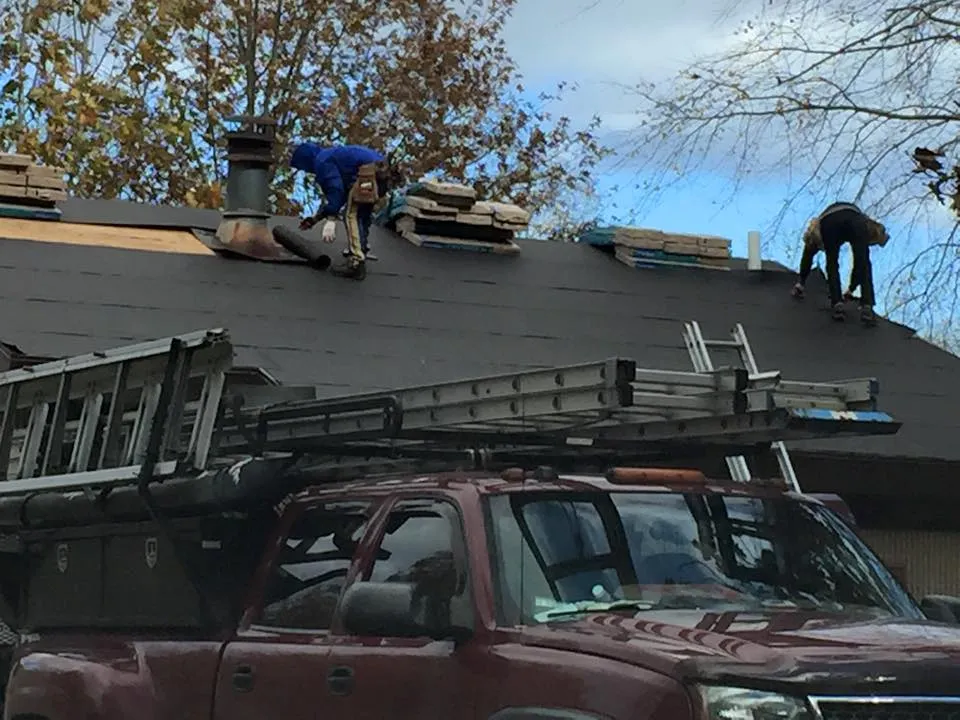
Once you approve the plan, the crew gets to work removing your old roof. This "tear-off" phase is about more than just making way for the new materials. It’s a critical step that exposes the roof deck—the wooden foundation of your roof. With the old shingles and underlayment gone, the team can inspect the deck for any rot, water damage, or structural problems that were hidden from view. Making these necessary repairs ensures your new roof is built on a solid, secure base, which is essential for its longevity and performance.
Installation and Final Inspection
With a clean and repaired deck, the installation begins. This is where your new roof really takes shape. The crew will start by laying down a protective underlayment, which acts as a secondary water barrier. Then, they’ll carefully install your chosen shingles orroofingmaterial, paying close attention to details like flashing around chimneys, vents, and skylights to create a watertight seal. Once the installation is complete, aconstruction managerwill conduct a final, meticulous inspection to ensure every element meets quality standards and your home is fully protected.
Site Cleanup and Project Wrap-Up
A professional roofing job isn't finished until your property is spotless. After the final inspection, the team will conduct a thorough cleanup of the entire work area. This involves removing all old roofing materials, stray nails, and any other debris from your lawn, driveway, and garden beds. They often use magnetic rollers to pick up any missed nails. This final step is a hallmark of a quality contractor, leaving you with nothing but a beautiful, durable new roof and a clean, safe yard for your family to enjoy.
Related Articles
Frequently Asked Questions
How long will the entire roof replacement process take?While the actual on-site work for an average-sized home often takes just a few days, the entire process from the initial inspection to the final cleanup can span a couple of weeks. Factors like the size and complexity of your roof, the weather, and scheduling for permits and material delivery all play a role. A good project manager will give you a clear and realistic timeline upfront so you know exactly what to expect.
Can I stay in my house while the work is being done?Yes, you can absolutely stay in your home during a roof replacement. However, you should be prepared for significant noise during the day, especially during the tear-off and installation phases. It's a good idea to secure any pictures or fragile items on your walls that could be affected by vibrations. A professional crew will work to keep the disruption to a minimum and ensure the site is safe and clean at the end of each day.
What happens if you find unexpected damage, like rotten wood, after tearing off the old roof?This is a common concern, and a professional contractor will have a clear plan for it. If the crew discovers issues like rotted decking after removing the old shingles, they should stop work, show you the damage, and explain the necessary repairs. This will typically be handled with a change order, which is a written document outlining the extra work and associated costs that you must approve before they proceed.
How often should I get my roof professionally inspected?A great rule of thumb is to have your roof inspected by a professional once every one to two years, and always after a major storm with high winds or hail. Regular check-ups allow a professional to catch small issues like loose flashing or a few damaged shingles before they turn into major, costly leaks. This small bit of preventative maintenance can significantly extend the life of your roof.
Will a new roof really improve my home's value?A new roof is one of the smartest investments you can make in your property. Not only does it protect your home from the elements, but it also greatly enhances its curb appeal. Potential buyers see a new roof as a huge plus because it means they won't have to worry about a major replacement for decades. While you may not recoup every single dollar, it consistently ranks as one of the home improvement projects with the highest return on investment.