Roof Replacement Cost: A Homeowner's Guide
If you’ve noticed curling shingles or a few mysterious water spots in the attic, you know a roof replacement is on the horizon. Getting ahead of the problem starts with planning your budget, but understanding the true roof replacement cost can feel like trying to hit a moving target. Your neighbor’s project might have a completely different price tag than yours, even if your homes look similar. That’s because size, materials, labor rates, and even the complexity of your roof’s design all play a major role. This article will walk you through each of these variables, helping you build a realistic budget for your D.C. area home.
Key Takeaways
Understand the Full Scope of Your Cost: A roof replacement quote is more than just materials and labor. Your final price is influenced by your roof's complexity, local permit fees, and the condition of the underlying structure, so it's smart to plan for potential repairs.
Compare Contractors Based on Value, Not Just Price: The lowest bid can signal risks like poor workmanship or a lack of insurance. A trustworthy contractor provides a detailed quote, proof of licensing, and a strong workmanship warranty, which are the true indicators of a quality job.
Choose Materials for Long-Term Protection: While affordable asphalt shingles are a great option, materials like metal or tile offer a longer lifespan and better durability. Balancing your upfront budget with the long-term benefits of performance and energy efficiency is key to a smart investment.
What's the Average Cost to Replace a Roof?
Figuring out the budget for a new roof can feel like a moving target. While every project is unique, we can break down the numbers by looking at typical home sizes and the cost per square foot. This will give you a clearer picture of what to expect as you start planning for this important home improvement project.
Typical Costs by Home Size
One of the biggest factors in your total cost is, unsurprisingly, the size of your home. For a standard 1,700-square-foot house, you can generally expect to pay between $6,000 and $9,000 for a new asphalt shingle roof. If your home is a bit larger, say around 2,000 square feet, the price range expands to about $7,000 to $15,000 or more, depending on the materials and complexity. It’s also helpful to remember that labor makes up a significant chunk of the bill—often 40% to 60% of the total. This is why getting a detailed quote for professionalroofingservices is so important for an accurate budget.
A Look at Cost Per Square Foot
Another way to estimate your budget is by looking at the cost per square foot, which varies widely based on the material you choose. For classic asphalt shingles, you’re typically looking at $3.40 to $5.95 per square foot. If you’re interested in the durability of metalroofing, the price can range from $6.00 to as high as $24.50 per square foot. Tile
What Factors Influence Your Roof Replacement Cost?
When you start looking at roof replacement quotes, you’ll quickly see that the final price is more than just a number—it’s a story told by several different factors. Understanding what goes into the cost will help you create a realistic budget and make informed decisions for your home. From the sheer size of your roof to the materials you pick, each element plays a significant role in shaping the final estimate. Let’s break down the key components that determine how much you’ll invest in a new roof.
Your Roof's Size and Complexity
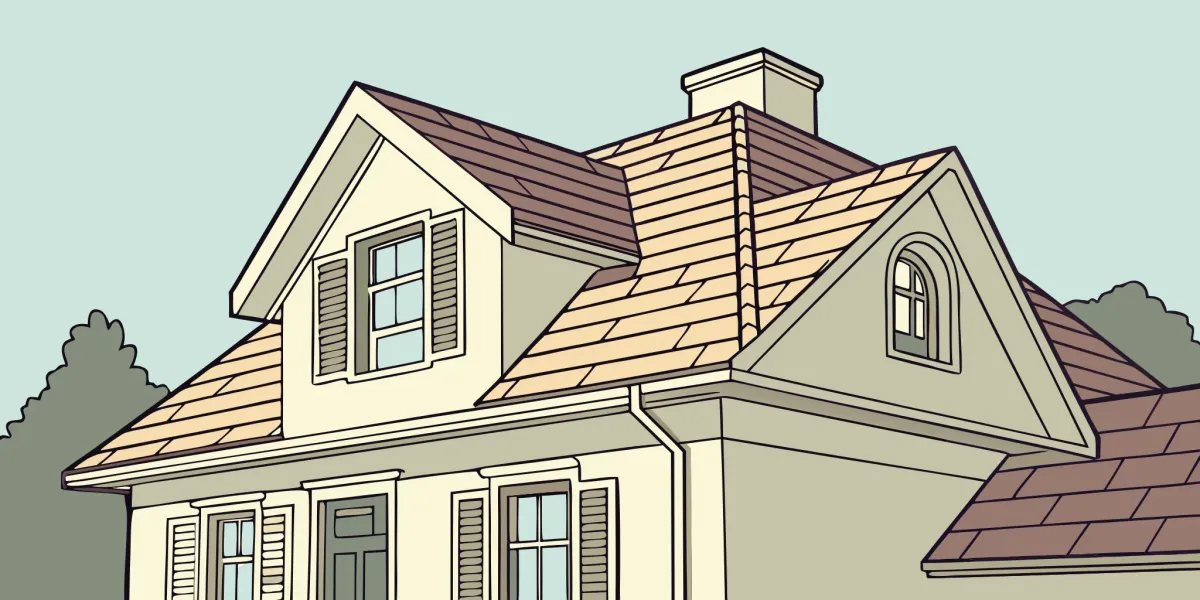
It makes sense that the bigger your roof, the more it will cost. A larger surface area requires more materials and more hours of labor to complete the job. But it’s not just about the simple square footage of your home’s footprint. The pitch, or steepness, of your roof is also a major factor. A steeply pitched roof has more surface area than a flatter one on a house of the same size. It’s also more difficult and time-consuming for crews to work on safely, which increases labor costs. Features like dormers, chimneys, and skylights add complexity, requiring precise cuts and flashing, which also contributes to the overall price of yourroofingproject.
The Materials You Choose
Your choice ofroofingmaterial is one of the biggest variables in your project's budget. The options range from affordable asphalt shingles to premium materials like metal, slate, or tile, and the price difference can be substantial. While it can be tempting to go with the least expensive option, it’s important to think about longevity and performance. Higher-end materials often come with a longer lifespan and better durability, which can save you money in the long run. A new roof is a significant investment, often falling between $10,000 and $20,000, so balancing your upfront cost with the long-term value is a key part of theremodelingprocess.
Your Location and Local Labor Rates
Where your home is located plays a surprisingly large role in your roof replacement cost. Labor rates can vary quite a bit from one city to another, and they typically make up more than half of the total project price. Here in the Washington, D.C. area, local building codes and permit fees will also be factored into your quote. The regional climate matters, too. Your roof might need specific features or materials to handle local weather conditions, which can influence the cost. A greatconstruction managerwill be familiar with all these local requirements and ensure your project is done right.
The Condition of Your Existing Roof
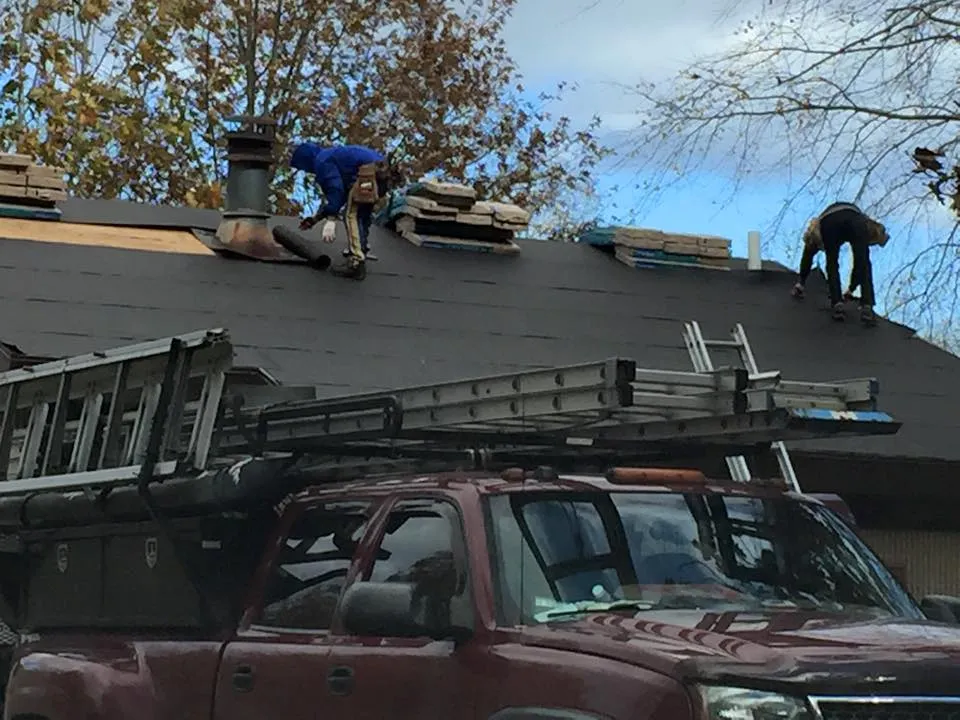
What’s happening underneath your current shingles can introduce some unexpected costs. The first step in most replacements is tearing off the old roof, and the labor for that removal and disposal is part of the initial estimate. However, you won’t know the true condition of the underlying roof deck until it’s exposed. If the crew finds soft spots, water damage, or rotted wood, those sections will need to be repaired or replaced before the new roof can be installed. It’s always a smart idea to set aside a small contingency fund—around 10% to 15% of the total cost—to cover any surprises that might come up during yourresidential constructionproject.
How Much Do Different Roofing Materials Cost?
The material you choose is one of the biggest factors in your total roof replacement cost. It influences not just the upfront price but also your home's curb appeal, energy efficiency, and how long the roof will last. Each option has its own unique benefits and price point, so it’s all about finding the right balance for your home’s style and your budget. Let's break down the most popularroofingmaterials to give you a clearer picture of the investment involved.
Asphalt Shingles
Asphalt shingles are the go-to choice for most homeowners in the D.C. area, and for good reason. They are the most affordable option, making them a practical and accessible choice for many budgets. For a standard-sized home, you can expect the cost to fall between $6,000 and $9,000. Beyond the attractive price, they come in a wide variety of colors and styles, making it easy to match your home’s aesthetic. While they don't have the longevity of some premium materials, modern architectural shingles offer great durability and value for the price, making them a solid, reliable choice for any home.
Metal Roofing
If durability and a modern look are high on your list, a metal roof is an excellent long-term investment. While the initial cost is higher—typically ranging from $10,245 to over $41,640—the benefits are significant. Metal roofs are incredibly resilient against harsh weather, fire-resistant, and can last for 50 years or more with minimal maintenance. They are also highly energy-efficient, reflecting solar heat to help keep your home cooler in the summer and potentially lower your energy bills. From standing seam to metal shingles that mimic other materials, there are plenty of styles to consider for a sleek, lasting finish.
Tile and Slate
For a timeless, high-end look, tile and slate are in a class of their own. These materials are known for their exceptional beauty and incredible lifespan. A tile roof can cost between $10,665 and $20,900, offering a classic Mediterranean or Spanish style that adds significant curb appeal. Slate is the ultimate premium choice, with costs ranging from $39,925 to $54,020, but it can last for over a century. Both are extremely durable and fireproof, but their weight is a key consideration—your home’s structure must be able to support them, which may require reinforcement.
Wood Shakes and Synthetics
Wood shakes offer a beautiful, rustic charm that complements many architectural styles. The natural look of cedar shakes is hard to beat, with costs typically running from $10,230 to $15,500. They provide good insulation but do require more regular maintenance to prevent moss, mold, or rot. If you love the look but want less upkeep, syntheticroofingis a fantastic alternative. These composite materials are engineered to mimic the appearance of slate, wood, or tile but are often lighter, more durable, and require far less maintenance, giving you the best of both worlds.
What Other Costs Should You Budget For?
When you get a quote for a new roof, the price for materials and labor is just the starting point. Several other factors can influence the final bill, and it’s smart to understand what they are so you can budget accordingly and avoid surprises. A thorough contractor will account for these in their estimate, but knowing the details helps you ask the right questions. These additional costs aren't just add-ons; they are essential for ensuring your new roof is safe, compliant with local codes, and built to last for decades. From permits to unexpected repairs, planning for these items from the beginning leads to a much smoother project.
Permits and Inspections
Before any work begins, your project will likely need a permit from your local municipality in the D.C. area. This ensures the replacement meets all current building codes for safety and structural integrity. The cost forpermits can run up to $500and is a necessary step to keep your project legal and above board. Inspections often happen during and after the installation to confirm the work was done correctly, giving you peace of mind that your investment is sound.
Structural Repairs and Decking
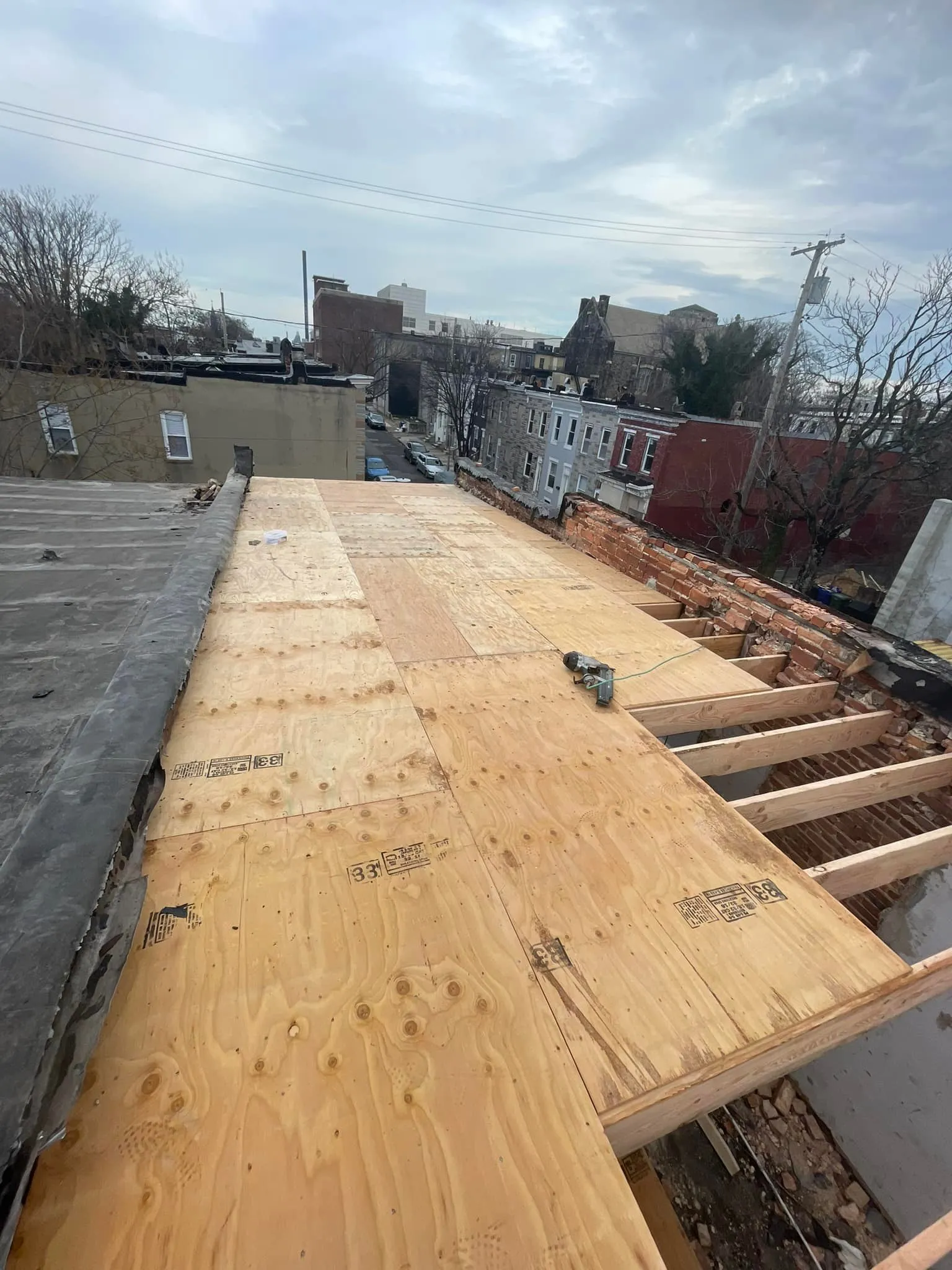
Sometimes, what lies beneath the old shingles is a mystery until the tear-off begins. Your contractor might uncover soft or rotten wood in the roof deck, which is the plywood layer your shingles are attached to. Replacing this decking is crucial for the stability and longevity of your newroofing. While minor repairs are common, extensive damage could add a significant amount to your project cost, so it’s wise to have a contingency fund set aside for potential structural fixes.
Debris Disposal and Cleanup
Removing an old roof creates a lot of waste, and that debris needs to go somewhere. Your estimate should include the cost of a dumpster and the fees for disposing of the old materials. This cancost between $0.40 and $2.00 per square foot, depending on the material and its weight. A professional crew will also perform a thorough cleanup at the end of each day and a final sweep when the job is done, including using magnetic rollers to pick up stray nails from your lawn and driveway.
Ventilation and Insulation Upgrades
A new roof is the perfect opportunity to address your attic’s ventilation and insulation. Proper airflow prevents heat and moisture buildup, which can damage your roof structure and lead to ice dams in the winter. Upgrading your ventilation can extend the life of your new roof and even lower your energy bills. While it’s an added upfront cost,neglecting underlying problemscan lead to much more expensive repairs down the road, making this a smart, proactive investment.
Unexpected Issues and Code Updates
Even with careful planning, unexpected issues can pop up. Your team might find problems with flashing, chimneys, or skylights once work is underway. Additionally, building codes are updated over time. Your new roof must comply with the latest regulations, which might require different materials or installation techniques than your old roof had. A skilledconstruction managerwill anticipate these potential changes and communicate clearly about any necessary adjustments to the plan and budget.
Is a New Roof a Smart Investment?
Thinking about a new roof often brings a big number to mind, and it’s true—it’s a significant project. But it’s more than just an expense; it’s a critical investment in your home’s health, safety, and value. A failing roof can lead to costly water damage, structural issues, and energy loss, turning a single problem into a cascade of repairs. A new, high-qualityroofingsystem, on the other hand, protects your biggest asset, improves your home's curb appeal, and can even lower your monthly energy bills.
When you weigh the cost against the long-term benefits, a roof replacement often proves to be one of the smartest home improvement decisions you can make. It provides peace of mind during the next big D.C. storm and adds tangible value that you’ll see for years to come. The key is knowing when to make the move and understanding the value it brings back to you.
Signs It's Time for a Replacement
Not sure if you need a few repairs or a full replacement? Your roof will usually give you some clear signals. Head outside and look up at your shingles. If you see widespread curling, cracking, or bald spots where granules have worn away, those are signs that your roof's materials are nearing the end of their life. Inside, any signs of leaks or water stains in your attic are an immediate red flag. Age is another major factor; a typical asphalt shingle roof lasts about 20-25 years. If yours is approaching that milestone, it’s time to start planning for a replacement before minor issues become major emergencies.
Deciding Between Repair and Replacement
For a single torn shingle or a small, isolated leak, a simple repair might be all you need. But when you’re facing recurring problems or widespread wear, you’re often better off with a full replacement. Patching an old roof can be a temporary fix that hides deeper issues, like moisture trapped in the underlying decking. By working with a professionalconstruction manager, you can get a thorough inspection. A full replacement addresses not only the visible surface but also any hidden damage, ensuring a secure, long-lasting solution that protects your entire home from the top down. It’s about choosing a permanent solution over a short-term patch.
Long-Term Value and Energy Savings
A new roof is a powerful way to protect and increase your home's value. While the initial cost can range from $10,000 to $20,000 or more depending on materials and complexity, it offers a strong return on investment. A new roof is a huge selling point for potential buyers and dramatically improves curb appeal. Beyond resale value, modernroofingmaterials offer better insulation and reflectivity, which can lead to real energy savings. Investing in better quality materials might cost more upfront, but it often means a longer lifespan, better performance, and lower heating and cooling bills over time, making it a financially savvy choice for your home.
How Do You Choose the Right Roofing Contractor?
Choosing the right contractor is arguably the most critical part of your roof replacement project. The best materials in the world won't protect your home if they're installed incorrectly. A great contractor not only ensures a high-quality installation but also provides peace of mind, clear communication, and a smooth process from start to finish. This is the partner who will be responsible for protecting your biggest asset, so it’s worth taking the time to find a true professional.
Think of it less as hiring a crew and more as selecting a project partner. You want someone who is transparent, reliable, and has a proven track record in the D.C. area. A qualifiedroofingcontractor will guide you through material selection, explain the process clearly, and stand behind their work. To find that perfect fit, focus on three key areas: their credentials, the quality of their quotes, and the strength of their warranties. Getting these right will help you avoid common pitfalls and ensure your new roof is built to last.
Verify Their License and Insurance
Before you even discuss materials or timelines, your first step is to confirm that any potential contractor is properly licensed and insured. This is non-negotiable. A license proves they’ve met local and state requirements to operate legally, while insurance protects you from liability. Some homeowners make the mistake of hiring based on the lowest bid without checking credentials, but that can be a costly error.
Ask for proof of two types of insurance: general liability, which covers any damage to your property during the project, and worker’s compensation, which covers injuries to the crew while on your property. Without it, you could be held financially responsible for accidents. A reputable contractor will have no problem providing you with copies of their license and insurance certificates.
Get Multiple, Detailed Quotes
Getting at least three quotes is standard advice for a reason. It helps you understand the fair market rate for your project and spot any bids that are suspiciously high or low. However, don't just compare the final numbers. A quality quote should be a detailed, itemized document that breaks down every aspect of the job.
To know if your quote is fair, you need to understand what affects the cost. A thorough estimate should clearly outline expenses for materials, labor, removal of the old roof, permits, and cleanup. If a quote is vague or just a single number on a piece of paper, consider it a red flag. Detailed quotes allow you to accuratelycompare bidsand understand exactly what you’re paying for.
Understand the Warranty and Guarantees
A new roof is a major investment, and a solid warranty is your protection for that investment. There are typically two types of warranties to consider. The first is the manufacturer’s warranty, which covers theroofingmaterials against defects. The second, and often more important, is the contractor’s workmanship warranty, which covers the installation itself. Most
Ask potential contractors for detailed information on both warranties. Top-tier contractors who are certified by manufacturers can often offer extended warranties that provide even greater coverage. Be sure to get all warranty details in writing and understand the duration, what’s covered, and any actions that could void it.
What Should You Ask a Potential Contractor?
Once you’ve narrowed down your list of potential contractors, it’s time to start the interview process. Think of it less like a formal interrogation and more like a conversation to find the right partner for your project. The goal is to find a team that is not only skilled but also communicates clearly and understands your vision. A greatroofingcontractor will be transparent and happy to answer all your questions, ensuring you feel confident before signing any contracts. This step is crucial for setting expectations and building a foundation of trust for a smooth project.
Key Questions for Your Interview
Walking into a conversation with a contractor can feel intimidating if you’re not prepared. Having a list of questions ready helps you cover all the important bases and compare your options fairly. Start with the essentials: Are they licensed and insured for work in your area? Can they provide recent references? From there, get into the project specifics. Ask who your dedicatedproject managerwill be and if they use subcontractors. A key question is, "What exactly does your quote include?" To know if a quote is fair, you need to see a breakdown of materials, labor, removal of the old roof, permits, and warranty details. Also, be sure to ask how they handle unexpected issues, like discovering rotted decking once the old roof is off.
How to Decode a Roofing Quote
A detailed quote is a sign of a professional and transparent contractor. Vague estimates can hide subpar materials or surprise fees down the line. When you receive a quote, look for a clear, itemized list of costs. It should specify the brand and type of materials being used, not just a generic term like "asphalt shingles." A major red flag is a quote that lacks information on the tear-off and disposal of your old roof, permit fees, or warranty details. A trustworthy quote will clearly outline the scope of work, the materials involved, labor costs, and the specific warranties that apply to both the products and the installation itself. If a quote feels too simple, don't hesitate to ask for a more detailed breakdown.
A Smart Way to Compare Bids
It’s tempting to jump on the lowest bid, but this is often a mistake that can cost you more in the long run. Some homeowners make the error of hiring based on price alone without checking crucial credentials. A suspiciously low price can indicate that a contractor is cutting corners by using inexperienced labor, lower-quality materials, or worse, is operating without proper licensing and insurance. Instead of focusing on the bottom line, compare the value each bid offers. Ensure each quote is for the same scope of work and quality of materials. A true professional can also identify and address hidden problems during the replacement, ensuring your entireremodelingproject results in a long-lasting solution.
What Common Mistakes Drive Up Costs?
A roof replacement is a significant investment, and it’s natural to look for ways to manage the budget. However, some common cost-cutting measures can actually lead to more expensive problems down the road. Being aware of these potential pitfalls from the start helps you make smarter decisions, ensuring your new roof is a durable, long-term asset rather than a source of future headaches. By avoiding these mistakes, you protect your home and your wallet.
Choosing a Contractor on Price Alone
It’s tempting to jump on the lowest bid, but this is one of the riskiest moves you can make. An unusually low price can be a red flag for subpar materials, rushed labor, or a contractor who isn't properly licensed or insured. Some homeowners make the mistake of hiring based on the lowest bid without checking credentials, which can lead to faulty installation and voided material warranties. A qualityroofingproject depends on skilled craftsmanship. Instead of focusing only on the final number, evaluate the contractor's reputation, read reviews, and confirm they have the right qualifications to protect your investment and your home.
Ignoring Underlying Structural Problems
What you can’t see can definitely hurt you. A new layer of shingles might look great, but if it’s covering up rotted decking, poor ventilation, or damaged rafters, you’re just putting a bandage on a serious issue. These hidden problems won't go away on their own; they’ll continue to worsen, leading to leaks, mold growth, and costly structural damage. A professionalconstruction managerwill perform a thorough inspection before work begins. They can identify and address these underlying issues during the replacement process, ensuring your new roof has a solid and secure foundation for a truly long-lasting solution.
Not Planning for Unexpected Expenses
Even with the most detailed quote, surprises can happen. Once the oldroofingmaterial is removed, your contractor might find unexpected damage to the roof deck or flashing that needs to be addressed. Not budgeting for these potential issues can put a strain on your finances and your project timeline. A good rule of thumb is to set aside a contingency fund of about 10-20% of the total project cost. A transparent contractor will discuss potential overages with you from the start and include costs like permits and debris removal in their initial quote, so you have a clearer picture of the total investment.
How Can You Finance Your New Roof?
A new roof is one of the most important investments you can make in your home, but let's be honest—it's a significant expense. Seeing a five-figure estimate can feel overwhelming, but you have several paths to make it manageable. The key is to understand your options and create a financial plan before the work begins. From working with your insurance provider to smart budgeting and financing, you can approach this major project with confidence. By planning ahead, you can protect your home and your wallet at the same time.
Exploring Payment and Financing Options
Most homeowners don't pay for a new roof entirely out of pocket. With typical costs running between $10,000 and $20,000, it’s common to explore financing. Many reputableroofingcontractors partner with lenders to offer financing plans, allowing you to pay for the project in manageable monthly installments. You can also look into a home equity line of credit (HELOC) or a personal loan from your bank. Each option has its own terms and interest rates, so it’s worth doing a little research to see what fits your financial situation best. The goal is to find a solution that makes the project affordable without adding unnecessary stress.
Working with Your Insurance Company
If your roof was damaged by a storm, hail, or a fallen tree, your homeowner's insurance might cover a large portion of the replacement cost. The first step is to review your policy and contact your insurance agent to understand your coverage and deductible. An adjuster will likely need to inspect the damage to approve the claim. While an average replacement can cost around $9,500, this can vary widely based on the extent of the damage and your specific policy. Getting familiar with yourinsurance coverageis a crucial step that could save you thousands.
Smart Budgeting Strategies
A solid budget is your best tool for a smooth roofing project. Start by getting detailed quotes from at least three qualified contractors. This helps you understand the fair market rate for your project. A smart move is to add a contingency fund of 10% to 20% to your total budget. This buffer covers any unexpected issues, like discovering rotted decking once the old shingles are removed. Planning for these potential surprises prevents budget overruns and ensures the project stays on track. A dedicatedproject managercan also help you anticipate costs and avoid common financial mistakes.
Related Articles
Frequently Asked Questions
How long does a typical roof replacement take?For an average-sized home, the entire process usually takes just a few days. The first day is often dedicated to preparing your property and tearing off the old roof. The installation of the new roofing system typically follows over the next one to two days. Of course, factors like the size and complexity of your roof, the type of materials being installed, and even the weather can affect the timeline. A professional project manager will give you a clear schedule before work begins and keep you updated throughout the process.
Is it okay to just install a new layer of shingles over my old roof?While it might seem like a good way to save money, roofing over an existing layer is rarely the best solution. This approach prevents your contractor from inspecting the underlying roof deck for rot or water damage, which can lead to much bigger problems later. It also adds significant weight to your home's structure and can trap heat, shortening the lifespan of your new shingles. A full tear-off ensures a clean, solid foundation for your new roof and is the standard for a quality, long-lasting installation.
Will a new roof actually lower my energy bills?Yes, it absolutely can. Modern roofing materials, especially those with reflective properties, are much better at deflecting the sun's heat than older materials. This keeps your attic and home cooler in the summer, so your air conditioning system doesn't have to work as hard. A new roof is also the perfect time to improve your attic's ventilation and insulation, which further prevents energy loss and contributes to noticeable savings on your heating and cooling bills year-round.
What's the most important thing to look for in a roofing quote?Beyond the final price, the most important thing to look for is detail. A trustworthy quote will be an itemized document that breaks down every cost, from the specific brand and type of materials to labor, permit fees, and debris disposal. Vague estimates are a red flag because they can hide surprise charges or lower-quality products. A detailed quote shows that the contractor is transparent and allows you to accurately compare what you're getting for your money.
How do I know if I need a full replacement or just a repair?The decision often comes down to the age of your roof and the extent of the problem. If you have a single, isolated issue like a few missing shingles from a storm on a relatively new roof, a repair is likely all you need. However, if your roof is over 20 years old and you're seeing widespread issues like curling shingles, bald spots, or persistent leaks in multiple areas, a full replacement is the smarter long-term investment. It addresses any hidden issues and provides a comprehensive, lasting solution.