How to Create a Small Home Theatre on a Budget
Ready for a fun weekend project that will completely change how you watch movies? Building a home theater doesn’t have to be a massive, intimidating renovation. You can transform a room with a series of simple, satisfying DIY projects that make a huge impact. From painting a high-quality screen directly onto your wall to building your own tiered seating for that authentic theater feel, there are so many ways to get hands-on. This approach not only saves you money but also allows you to create a truly custom space. These small home theatre room ideas on a budget are perfect for anyone who loves a good project.
Key Takeaways
Create a great experience by focusing on the basics: You can achieve an amazing home theater with a quality screen, clear audio, and comfortable seating by using smart, affordable alternatives like screen paint and a good soundbar.
Thoughtful layout and simple acoustic fixes make a huge difference: Arrange your furniture for the best view of the screen and use soft items like rugs and curtains to absorb echo for clearer, more immersive sound.
A few key DIY projects can give your theater a custom feel: Building your own acoustic panels, creating a dedicated snack station, or constructing a simple seating riser are affordable ways to add major function and personality to your space.
What Do You Need for a Budget Home Theater?
Creating a dedicated space for movie nights sounds like a luxury, but you don’t need a massive budget to make it happen. A great home theater experience comes down to three key elements: a good screen, immersive sound, and comfortable seating. By getting creative and focusing on what really matters, you can build an amazing entertainment hub without breaking the bank. It’s all about making smart choices that fit your space and your wallet. Whether you’re finishing a basement or converting a spare room, a few key pieces of equipment and some clever DIY solutions are all you need to get started.
Affordable Screen Options
You don’t need to spend a fortune on a high-end screen to get a fantastic picture. One of the most effective and affordable options is to simply paint a smooth wall with specialized screen paint, which comes in white or grey to enhance contrast. For an even quicker fix, a crisp, white sheet pulled taut against the wall can work surprisingly well. If you’re looking for something more permanent, you can build your own screen by stretching white blackout fabric over a simple wood frame. Paired with a budget-friendly portable projector, these solutions can give you a massive image that makes any movie night feel like a trip to the cinema. These simple remodeling projects can transform a room over a weekend.
Get Great Sound in a Small Space
Great audio is essential for an immersive experience, but you can skip the complex and expensive wired speaker systems. For most small to medium-sized rooms, a high-quality soundbar and a separate subwoofer will deliver rich, powerful sound that fills the space. This setup is simple to install and keeps clutter to a minimum. To improve the acoustics, you can even make your own sound-dampening panels. Just wrap foam insulation boards in a fabric of your choice and hang them on the walls. This easy project helps absorb echoes and clarifies dialogue, making your audio sound crisp and professional. Thoughtful design is key when planning any residential construction project, including a media room.
Choose Seating That's Comfy and Compact
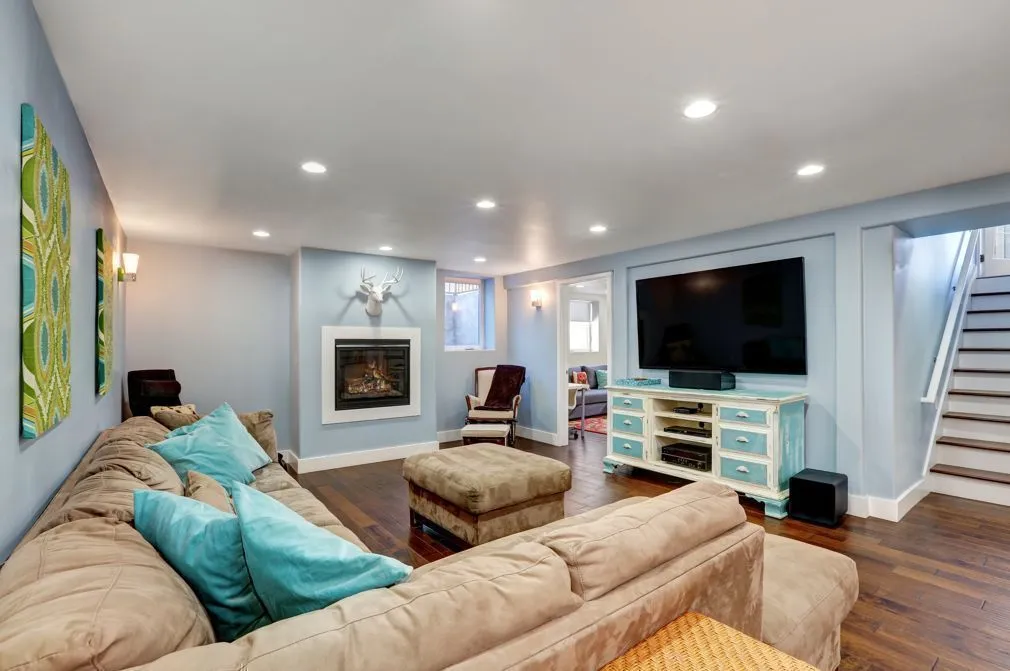
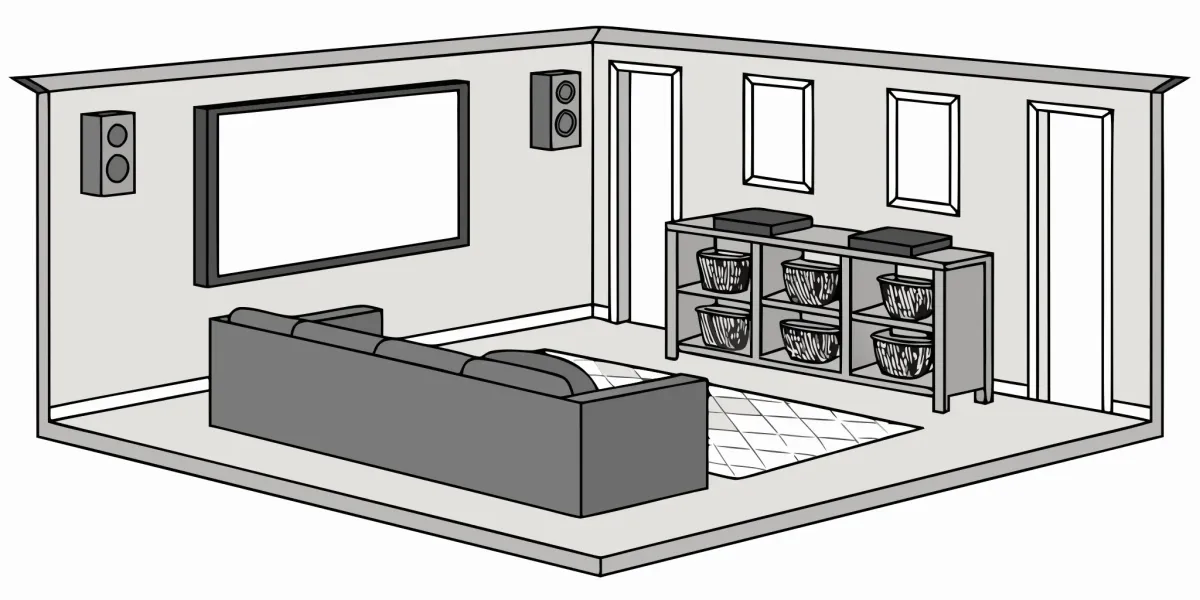
The right seating invites you to settle in and enjoy the show. In a small space, flexibility is key. Start with a small sofa or futon, then add a mix of seating that can be easily moved around, like bean bags, floor cushions, or ottomans. Layering different types of seating allows more people to fit comfortably without making the room feel cramped. For a true theater feel, you can build a simple, low-height platform from wood or pallets to create a second row of tiered seating. This ensures everyone has a great view of the screen. A dedicated project manager can help you plan the layout to make the most of your space.
How to Maximize Space in a Small Home Theater
A small room doesn’t have to limit your home theater dreams. With a bit of smart planning, you can create a cozy, immersive space that feels just right. The key is to use every square foot intentionally, from how you arrange the furniture to where you hide the clutter. A well-designed layout can make even the most compact room feel like a private cinema.
Thinking through the entire room is a core part of any successful remodeling project, and your home theater is no exception. By focusing on clever solutions for seating, storage, and sightlines, you can build a functional and inviting entertainment hub for your family and friends.
Arrange Furniture for the Best View
The first step to a great movie night is ensuring everyone has a fantastic seat. To do this, arrange your seating around the screen, making it the undeniable focal point of the room. This simple move guarantees everyone has a clear, direct view without straining their neck.
Don’t feel locked into using a single large sofa. You can often fit more people comfortably by mixing and matching different types of seating. Try combining a small sectional with a few comfy armchairs, bean bags, or even some plush floor cushions for a layered, relaxed feel. This approach not only maximizes your seating capacity but also adds a casual, inviting vibe to the space.
Incorporate Smart Storage
Nothing pulls you out of a movie faster than a distracting, cluttered space. Keeping your home theater tidy is essential for staying immersed in the action on screen. Smart storage solutions are your best friend here. Simple shelves and bins can go a long way in organizing media, cables, and accessories.
For a truly seamless look, consider built-in storage. Custom cabinets or shelving can be designed to fit your room’s exact dimensions, making the most of every inch. A dedicated project manager can help you map out a storage strategy that hides clutter while keeping your equipment easily accessible. This keeps the focus where it should be: on the screen.
Build DIY Risers for Tiered Seating
If you want to capture that authentic movie palace feeling, tiered seating is the way to go. It ensures that people in the back row can see over the heads of those in the front. You don’t need a major renovation to achieve this, either. A simple, low-height platform built from wood or even sturdy pallets can create a second elevated row for a sofa or chairs.
This DIY project instantly makes the room feel more like a real theater. For a more permanent and polished solution, you can have a custom riser built to perfectly match your space. This is a straightforward task for a residential construction professional and adds a high-end touch to your home theater.
What Are Some Affordable Screen Alternatives?
You don’t need to spend a fortune on a fancy, high-end screen to get a fantastic movie-watching experience. The most important thing is having a smooth, flat, and uniformly colored surface for your projector to display its image. Luckily, you can achieve this with a few creative and budget-friendly solutions. Thinking outside the box here can save you hundreds of dollars that you can put toward better sound or cozier seating, which often make a bigger difference in how much you enjoy the space.
Whether you’re a DIY enthusiast or just looking for the simplest possible setup, there are great alternatives to traditional projector screens. From specialized paint that turns your wall into a high-performance screen to simple fabric frames, you have options that deliver excellent results without the high price tag. Even a plain, well-prepared wall can work wonders. If you're planning a larger project, like finishing a basement or updating a living room, preparing the perfect surface for projection is a simple step to include. Integrating this into your overall remodeling plan ensures the final result is seamless and professional. Let’s look at a few of the best affordable screen options.
Try DIY Screen Paint
One of the sleekest and most integrated solutions is to paint a screen directly onto your wall. You can find specialized projector screen paint online or at hardware stores. This isn't just regular wall paint; it's formulated with optical properties to reflect light more uniformly, improving brightness and contrast. You can simply "paint your wall with specialized white or grey screen paint" for a permanent, custom-sized screen that blends into your room when not in use. For the best results, the wall needs to be perfectly smooth. This might require some sanding or even new drywall and painting to fix any imperfections, ensuring a flawless canvas for your home theater.
Use Fabric or Sheets as a Screen
If you’re looking for a low-cost, flexible option, fabric is your best friend. You can create a high-quality screen by stretching white blackout fabric over a simple wood frame. Blackout fabric is ideal because it prevents light from passing through, which keeps the projected image bright and crisp. This DIY project gives you a portable screen that you can move or take down as needed. For an even quicker and more immediate solution, a clean, wrinkle-free white sheet can work in a pinch. While it won’t provide the same quality as blackout fabric, it’s a great temporary fix for an impromptu movie night with friends or family.
Use a Plain Wall as Your Screen
The most affordable option? Using what you already have. If you have a large, empty wall, you might not need a screen at all. As long as the surface is smooth and free of blemishes, "you can use a projector with a blank painted wall." The key is the paint finish. A matte or flat finish in white, light gray, or off-white is best because it won’t create glare or hotspots from the projector's light. If your wall has a glossy finish or a noticeable texture, the image quality will suffer. A fresh coat of the right paint can make all the difference, creating a simple yet effective screen for almost no extra cost.
How to Improve Sound and Lighting on a Budget
Great picture quality is only half the battle. To truly get that movie theater feeling at home, you need to get the sound and lighting just right. The good news is you don’t need a Hollywood-level budget to make a huge difference. Simple, creative adjustments can transform your space from a regular living room into a cozy cinema. Think about it: the best theaters have carefully controlled sound that pulls you into the action and lighting that directs your focus entirely to the screen. You can replicate that experience by using items you might already have and making smart, affordable purchases. By controlling sound reflections and creating the perfect viewing ambiance, you can make your movie nights feel like a special event. These small changes can have a massive impact on your viewing experience, turning a casual watch into a full-blown cinematic escape. And if you ever decide to take it to the next level, a professional remodeling project can build these features right into the room's design, creating a dedicated space for entertainment.
Use Household Items for Soundproofing
Before you invest in expensive acoustic panels, look around your house. You can significantly improve your room's acoustics with everyday items. Hanging thick blankets or quilts on the walls, especially behind your speakers or on the wall opposite them, can absorb a surprising amount of sound and reduce echo. Placing pillows and cushions in the corners of the room can also help break up sound waves. While a professional setup might involve identical speakers, you can still get great sound by simply minimizing echo with these household hacks.
Control Sound with Soft Furnishings
Soft surfaces are your best friend when it comes to controlling sound. Hard surfaces like wood floors and bare walls reflect sound, which can make your audio sound muddled and chaotic. Adding an area rug, thick curtains, and upholstered furniture will help absorb those reflections, creating a clearer, more immersive soundscape. As one home theater expert puts it, you should "use soft items: Rugs, curtains, and upholstered furniture naturally soak up sound and stop echoes." These additions not only improve your audio experience but also make the space feel more comfortable and inviting for your next movie marathon.
Set the Mood with Affordable Lighting
The right lighting is key to creating a cinematic atmosphere. You want the room to be dark enough to see the screen clearly but not so dark that it feels like a cave. The trick is to create layers of soft, indirect light. You can achieve this easily with affordable options like string lights along the ceiling, inexpensive LED strips behind your TV or screen, and floor lamps with warm, dimmable bulbs. This approach allows you to adjust the brightness for the perfect movie-watching mood without spending a fortune on a complex lighting system. It’s a simple way to make your home theater feel special.
Which DIY Projects Make the Biggest Impact?
Once you have your gear and layout sorted, a few hands-on projects can make your home theater feel truly special. You don’t need to be a master carpenter to make a big difference. Focusing on a couple of key DIY upgrades can add major personality and function to your space, giving you that custom-built feel without the high price tag. These projects are all about adding thoughtful details that improve your viewing experience, from better sound to easier snacking. They’re the finishing touches that transform a room with a TV into a proper home theater.
Build Custom Storage for Your Media
Clutter is the enemy of a small space, and a tangle of wires, game consoles, and remotes can ruin the immersive vibe you’re going for. Building custom storage is one of the most effective ways to keep your media organized and your room looking clean. Whether it’s a simple set of floating shelves or a full media unit, creating a designated spot for each component makes a huge difference. If you’ve saved money by finding great used equipment, you can build a unit that fits its unique dimensions perfectly. A custom solution ensures everything has a home, making your setup look intentional and streamlined.
Make Your Own Acoustic Panels
Have you ever noticed how sound can echo in a small, hard-surfaced room? That’s a problem for a home theater. Experts point out that one of the most common mistakes people make is forgetting about room acoustics. Professional acoustic panels can be pricey, but you can make your own for a fraction of the cost. All you need is a simple wood frame, some sound-absorbing insulation, and a fabric of your choice to cover it. These panels absorb stray sound waves, which clarifies dialogue and makes sound effects more impactful. Plus, you can choose a fabric that complements your decor, turning a functional item into a piece of art.
Create a Simple Snack Bar
What’s a movie night without snacks? Dedicating a small area for treats is a fun project that makes your home theater feel more authentic. This doesn’t require a major remodeling project; it can be as simple as a stylish bar cart, a small bookshelf, or a few wall-mounted shelves. The goal is to keep things simple and organized. Use clear jars for candy, a basket for popcorn bags, and a mini-fridge for drinks. Having a designated snack station keeps messes contained and adds a touch of charm that your family and guests will love. It’s a small detail that makes the whole experience feel more special.
What Budget Mistakes Should You Avoid?
Creating your dream home theater is exciting, but a few common missteps can cost you time and money. The biggest mistakes aren't about buying the wrong brand, but overlooking the fundamentals of sight and sound in your specific room. From poor speaker placement to overspending on gear you don't need, these errors can turn a promising setup into a frustrating one. By learning about these pitfalls, you can plan a smarter remodeling project and build a budget-friendly home theater that you’ll love for years to come.
Avoid Poor Equipment and Furniture Layouts
You can have the best audio equipment, but if it’s not set up correctly, it won’t sound great. A common mistake is poor speaker placement. For balanced sound, your front and center channel speakers should ideally be the same make and model to create a seamless soundstage. Your furniture placement is just as important. Ensure everyone has a clear line of sight to the screen and that speakers are positioned for an immersive experience. A little planning goes a long way in making sure your layout enhances your movie nights.
Don't Forget About Room Acoustics
Ever noticed how a room with hardwood floors can sound echoey? That’s acoustics at play. Hard surfaces reflect sound, making audio muddy and unclear. You don’t need expensive acoustic panels to fix this. You can easily improve your room’s sound by using soft items you already own, like plush rugs, thick curtains, and upholstered furniture. These materials absorb sound waves, preventing echoes and creating a clearer listening experience. It’s a simple trick that makes a huge difference in any residential construction project.
Avoid Overspending on Fancy Features
When shopping for home theater gear, it’s easy to get caught up in the latest technology. But do you really need a top-of-the-line projector for a small room? Probably not. You can achieve a fantastic home theater effect without a massive investment; a great system can be built for just a few thousand dollars. Focus your budget on components that make the biggest impact, like a quality screen and sound system. A dedicated project manager can help you allocate your funds wisely, ensuring you spend money on features that truly matter.
Related Articles
Expert Home Theater Setup for an Immersive Viewing Experience
Home Theater Installation Services for Immersive Viewing | Pinkney Services
Frequently Asked Questions
What should I prioritize if my budget is extremely tight? If you have to choose, focus on your screen and sound first, as they create the core cinematic experience. You can achieve a large, impressive picture with something as simple as a smooth, painted wall and an affordable projector. For audio, a quality soundbar can provide a significant upgrade over TV speakers. Seating can be addressed later with items you might already own, like floor cushions and bean bags.
Can I just use my TV instead of getting a projector? Absolutely. While a projector delivers that classic, large-scale movie theater image, a modern TV can be the centerpiece of an amazing home theater. The same principles apply: pair it with a great sound system, arrange your seating for an optimal view, and control the room's lighting to create the right atmosphere.
How can I make my room sound better without buying new speakers? You can dramatically improve your room's acoustics by adding soft materials to absorb sound. Hard surfaces like bare floors and walls create echo, which can make audio sound muddy. Simply adding a thick area rug, heavy curtains over the windows, and even hanging a few decorative blankets on the walls will help absorb those reflections and clarify the sound.
My room is really small. What's the best way to arrange seating for a few people? In a compact space, flexibility is your friend. Instead of trying to fit a single large sofa, consider using a smaller loveseat combined with a mix of other options. Comfortable armchairs, ottomans that can double as seats, and large floor pillows allow you to accommodate more people without making the room feel crowded. This approach lets you easily adapt the layout for movie nights.
What is the single biggest mistake that can ruin a home theater experience? The most common mistake is overlooking the room's acoustics. Many people invest in great speakers but fail to consider how sound behaves in their space. If your room has a lot of hard, reflective surfaces, the audio will be full of echo and sound unclear. This can be easily fixed by adding soft furnishings, which is a simple step that makes a massive improvement.