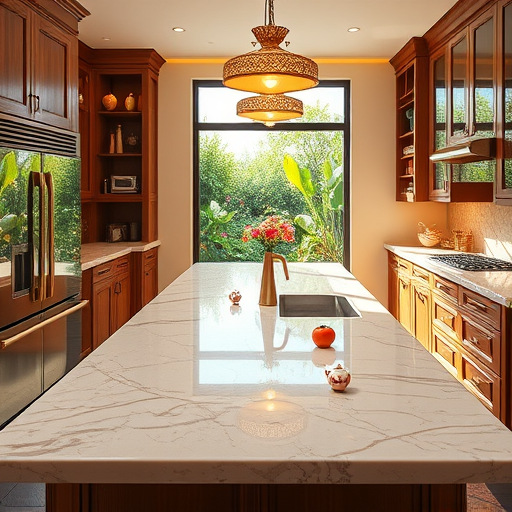
What is the Best Material for Kitchen Cabinets? Top Options Explored
What is the Best Material for Kitchen Cabinets? An In-Depth Scholarly Examination
The choice of materials for kitchen cabinets is a crucial decision that influences not only the aesthetic appeal of a culinary space but also its functionality, durability, and environmental footprint. With an array of options available, selecting the optimal material involves understanding the properties, benefits, and limitations of each. This comprehensive analysis aims to elucidate the key factors that determine what is the best material for kitchen cabinets by examining traditional, contemporary, and eco-friendly materials in depth.
How Do Material Properties Impact Kitchen Cabinet Performance?
The material composition of kitchen cabinets directly correlates with their durability, maintenance requirements, cost-effectiveness, and visual appeal. Properties such as resistance to moisture, ability to withstand temperature fluctuations, ease of cleaning, and aesthetic versatility are crucial considerations.
What Are the Most Common Materials Used for Kitchen Cabinets?
- Solid Wood: Classic and highly durable, offering natural beauty and versatile design options.
- Plywood: Known for its strength, stability, and resistance to warping, making it an excellent choice for long-term use.
- Medium Density Fiberboard (MDF): An affordable option with a smooth surface for painting, but less resistant to moisture.
- Particleboard: Cost-effective but generally less durable; often used in less visible cabinet areas.
- Laminate: A manufactured material with a resistant surface, ideal for high wear and tear environments.
- Thermofoil: A vinyl layer bonded to MDF, offering a sleek look with enhanced moisture resistance.
What Are the Advantages and Disadvantages of Solid Wood Cabinets?
Advantages: The natural grain patterns and customizable finishes make solid wood highly desirable. It ages well over time, gaining character rather than deterioration.
Disadvantages: Typically more expensive and susceptible to environmental changes, such as shrinkage or swelling if not properly maintained.
Is Plywood a Better Option Than Solid Wood for Kitchen Cabinets?
Plywood is often regarded as superior in terms of stability and resistance to warping, especially in humid climates. It provides a sturdy backing for veneer or paint and is generally more affordable than solid wood. The layered construction reduces the risk of cracking and is less likely to expand or contract over time.
What Role Does MDF Play in Modern Kitchen Cabinets?
MDF offers a smooth surface for a painted finish, making it a popular choice for contemporary designs. Its affordability and ease of fabrication allow for intricate detailing. However, MDF performs poorly in moist environments, which can compromise its integrity unless adequately sealed.
Can Eco-Friendly and Sustainable Materials Meet the Demands of Modern Kitchen Cabinets?
Increasing awareness of environmental impacts has led to the adoption of sustainable materials such as reclaimed wood, bamboo, and low-VOC (Volatile Organic Compounds) MDF. These options provide eco-conscious homeowners with durable, stylish, and environmentally friendly choices. For insights into sustainable remodeling practices, visit our post on eco-friendly kitchen remodels.
What Are the Considerations for Choosing Laminates and Thermofoil?
Laminates and thermofoil are excellent for busy kitchens owing to their resistance to stains, scratches, and moisture. They also come in a wide spectrum of colors and patterns, mimicking more expensive materials. Despite their durability, they may lack the same aesthetic depth as natural wood and can be challenging to repair if damaged.
How to Evaluate Which Material Fits Your Budget and Lifestyle?
Understanding your budget, maintenance capacity, and aesthetic preferences is crucial. Solid wood offers premium quality but at a higher cost, while MDF and particleboard provide affordable options for those prioritizing function over longevity. Eco-friendly options may initially be costly but pay off in sustainability and long-term satisfaction.
What Are the Current Trends in Kitchen Cabinet Material Selection?
Modern kitchens often blend traditional materials with contemporary finishes. For example, raw oak or walnut paired with matte paints, or reclaimed wood with glass inserts, create a balanced aesthetic. The trend toward sustainable materials reflects a broader shift toward environmentally responsible design choices.
How Can Proper Material Selection Enhance Your Overall Kitchen Renovation?
Choosing the right materials not only impacts daily enjoyment and maintenance but also adds to the long-term value of your property. Collaborating with experienced kitchen remodelers ensures that your selection aligns with your lifestyle and aesthetic objectives, resulting in a cohesive design.
What Are the Key Factors to Consider When Consulting with Kitchen Renovation Experts?
- Climate considerations: Humidity and temperature fluctuations influence material choice.
- Usage level: Heavy-use kitchens require more durable and resistant materials.
- Design style: Material should complement the overall aesthetic, whether traditional, contemporary, or transitional.
- Sustainability goals: Eco-conscious choices are increasingly significant in current renovations.
What Is the Future Outlook for Materials in Kitchen Cabinet Design?
The industry is trending toward sustainable, technologically advanced materials that meld aesthetics with environmental responsibility. Innovations such as recycled composites and biodegradable finishes promise to expand options for eco-friendly and high-performance kitchen cabinets.
What Are Common Mistakes to Avoid When Selecting Kitchen Cabinet Materials?
- Ignoring environmental factors that impact material longevity.
- Prioritizing appearance over durability and maintenance needs.
- Overlooking budget constraints and long-term costs.
- Failing to consider compatibility with existing kitchen elements.
Where Can You Find Expert Guidance for Material Selection?
Engage with professional interior designers and experienced kitchen remodelers to get tailored advice. For a comprehensive approach, explore our post on kitchen renovation experts who can provide invaluable insight into material choices that align with your specific needs and aesthetic ambitions.
Summary: Deciphering What Is the Best Material for Kitchen Cabinets
Ultimately, the optimal material depends on balancing durability, design preference, environmental impact, and budget. While solid wood remains a timeless choice, emerging sustainable options are making a significant impact in contemporary design. As technology advances, homeowners have a diverse array of materials to craft kitchens that are both functional and visually stunning.
FAQs about Kitchen Cabinet Material Selection
With proper maintenance, solid wood cabinets can last for decades, often exceeding 30 years, while aging gracefully and developing unique character over time.
Modern eco-friendly options, such as reclaimed wood and low-VOC MDF, are designed to meet durability standards, provided they are correctly selected and maintained for the intended use.
Particleboard and MDF present affordable options, especially for those prioritizing initial cost savings, but they require appropriate sealing and maintenance for optimal performance.
Absolutely. Combining materials like wood with laminate or glass can create a personalized, visually compelling kitchen that leverages the strengths of each material.
Choosing the right material for kitchen cabinets is a nuanced process that blends aesthetic desires with practical considerations. Staying informed and consulting with experienced professionals ensures your kitchen renovation achieves both beauty and longevity. For personalized guidance on your project, consider reaching out to our high-end remodeling team.