7 Best Fiber Cement Siding Colors for Your Home
Siding technology has come a long way. You’re no longer limited to options that fade, chip, or require constant repainting. Modern materials offer incredible durability and long-lasting beauty, especially when it comes to color. Innovations like factory-baked finishes mean the shade you choose is engineered to resist UV damage and harsh weather, keeping your home looking vibrant for years. This is particularly true for the impressive range offiber cement siding colorsavailable from top manufacturers. We’ll break down the technology behind these advanced products, compare the leading brands, and explain why investing in a high-quality finish is a smart move for any homeowner.
Key Takeaways
Test Your Color Before Committing: Use online visualizer tools to experiment with different palettes, but always get physical samples. Viewing them outside at different times of day is the only way to see how the color will truly look on your home.
Look Beyond Color to the Finish: A high-quality, factory-applied finish is your best defense against fading and peeling. Investing in a baked-on color process means less maintenance and a vibrant exterior that lasts for years.
Choose Siding That Adds Value: Your siding is a major investment, so maximize its return. Look for manufacturer rebates, ask your insurance agent about potential discounts for durable materials, and select a timeless color that improves your home's curb appeal.
What Are the Most Popular Siding Colors?
Choosing asidingcolor feels like a huge decision—and it is! The color of your home’s exterior sets the tone for its entire aesthetic and can significantly impact its curb appeal. While personal preference is key, understanding current trends can help you find a color that feels both fresh and timeless. The right choice can make your home stand out in your D.C. neighborhood for all the right reasons, whether you're in a historic district like Georgetown or a more modern area.
When you're ready to update your home's exterior, you'll find that popular colors generally fall into a few key categories: timeless neutrals, daring darks, and calming earthy tones. Each offers a distinct personality for your home. Top brands like James Hardie have even curated their color collections with the help of experts to make finding a beautiful, lasting option easier. Thinking about newsidingis the perfect first step toward a major home transformation. Let's explore some of the most popular color families to help you find the perfect fit.
Timeless Neutrals That Always Work
You can never go wrong with a classic. Timeless neutrals like crisp whites, soft grays, and warm beiges are always in style because they offer a clean, sophisticated look that appeals to almost everyone. These colors act as a perfect canvas, allowing your landscaping, trim, and front door to pop. A neutral palette can also make your home appear larger and brighter. If you want a look that will stand the test of time and maintain strong resale value, a beautiful neutral is a safe and stylish bet. They provide a versatile backdrop that complements both traditional and contemporary architecture found throughout the D.C. area.
Daring Darks and Modern Hues
If you want to make a statement, consider going dark. Deep, dramatic colors like charcoal gray, navy blue, and even black are gaining serious popularity. These bold shades create a modern, luxurious feel that instantly adds character and depth to a home's exterior. This year marks a shift away from exclusively traditional neutrals, with vibrant shades also making an appearance. Dark siding pairs beautifully with natural wood accents, light stone, or crisp white trim for a high-contrast look that is undeniably chic. A darker color can give your home a strong, grounded presence on the street.
Earthy Tones and Natural Palettes
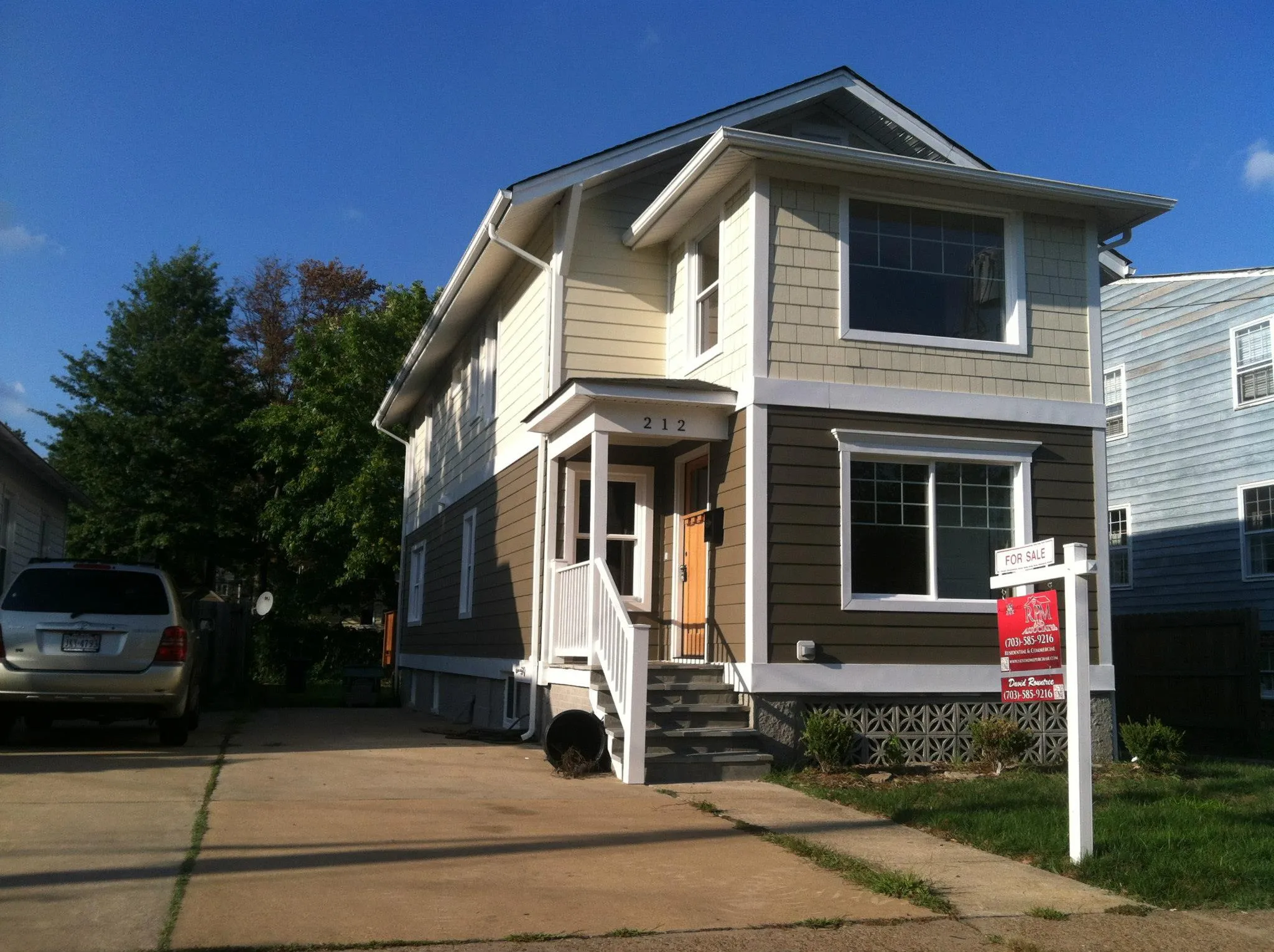
For a home that feels connected to its surroundings, look to earthy tones. Colors inspired by nature—like olive greens, warm browns, and muted blues—create a calming and welcoming vibe. These palettes are perfect for homes nestled among trees or featuring lush gardens, as they harmonize with the natural landscape. Common beautiful color options include brown, gray, and blue, which reflect a connection to nature and provide a serene aesthetic. Earthy tones are incredibly versatile and work well with a variety of architectural styles, from classic Craftsman homes to modern farmhouses.
Top Color Choices in the D.C. Area
In the Washington D.C. area, homeowners tend to favor colors that respect the region's historic character while still feeling fresh. Classic whites and grays are always popular, especially for colonial-style homes. We also see a lot of deep blues and rich greens that nod to the area's traditional roots. Because our region gets strong sun, choosing a durable finish is key. Brands like James Hardie use special technology where the color is baked on at the factory, helping it resist fading, peeling, or cracking. This ensures your investment in a fullremodelingproject looks great for years to come.
How Do Top Siding Brands Compare on Color?
Once you have a color family in mind, the next step is to see what the leading brands offer. Each manufacturer has its own unique color collections, application technologies, and finish options that can influence your final decision. Some brands are known for their baked-on, fade-resistant finishes, while others offer a wider range of custom colors or textures that mimic natural materials like wood and stone. Understanding these differences is key to choosing a product that not only looks great on day one but also holds its color and quality for years to come.
Choosing the right brand often comes down to balancing your aesthetic goals with your budget and long-term maintenance preferences. For example, a factory-finished product might have a higher upfront cost but could save you money on painting down the road. As you explore your options, think about how each brand’s color palette aligns with your home’s architectural style and your personal taste. We can help you source and install the perfectsidingfor your D.C. area home, ensuring a beautiful and durable result no matter which brand you choose.
James Hardie: Exploring ColorPlus® Technology
James Hardie is a leader in the fiber cement industry, largely thanks to its innovative ColorPlus® Technology. Instead of painting thesidingafter installation, this process involves applying multiple coats of a proprietary finish in a controlled factory setting. The finish is then baked on for a stronger bond. This creates a vibrant, consistent color that’s engineered to resist fading from harsh UV rays, meaning your home will look fresh for much longer. Their curatedsiding colorsare designed to be timeless and complementary, making it easier to find a shade that suits your home’s style.
Nichiha: Finding Custom Colors and Finishes
Nichiha is another top-tier fiber cement manufacturer known for its incredible versatility. They offer a vast range of textures, finishes, and colors that cater to both residential and commercial properties. If you’re looking for a specific aesthetic—like the look of concrete, wood, or metallic panels—Nichiha likely has a product to match. Theirfiber cement sidingis a favorite among architects and designers because it allows for a high degree of customization. This makes it an excellent choice if you want to create a truly unique exterior that stands out in your neighborhood.
CertainTeed: A Look at the WeatherBoards Collection
CertainTeed offers a durable and attractive fiber cement siding option with its WeatherBoards™ collection. This line is designed to provide the authentic look and feel of natural wood without the constant upkeep. CertainTeed provides a wide spectrum of designer colors, available as either a pre-finished product or primed and ready for your custom paint color. Their TrueTexture™ finish mimics the texture of real cedar, giving your home a classic, sophisticated appearance. This combination ofdurable performanceand aesthetic flexibility makes it a strong contender for any home renovation.
LP SmartSide: Diverse Options and Finishes
While not a fiber cement product, LP SmartSide is a popular engineered wood siding that competes directly with it and is worth considering. It’s made from wood strands treated with a resin binder and a water-resistant overlay. The LP® SmartSide® ExpertFinish® collection comes in a variety of pre-finished colors, saving you the step of painting after installation. This siding is celebrated for its remarkable durability against impacts, moisture, and pests. If you love the deep, rich texture of wood but want a more resilient andlow-maintenance option, LP SmartSide offers a compelling alternative with a beautiful finish.
Is ColorPlus® Technology Worth It?
When you're choosing James Hardie siding, one of the biggest decisions is whether to go with their ColorPlus® Technology. This isn't just about picking a color; it's about choosing a pre-finished product with a factory-applied, baked-on finish. It comes at a higher initial cost than pre-primed siding that you paint on-site, so it’s fair to ask if the investment really pays off. The answer often comes down to long-term value, maintenance, and durability.
Why a Factory-Applied Finish Matters
Imagine your siding arriving perfectly and uniformly colored. That's the advantage of a factory finish. Unlike painting on-site, which is subject to weather and human error, ColorPlus® Technology involves applying multiple coats of finish in a controlled environment. The color is then baked on for an incredibly strong bond. This process ensures a consistent, durable finish across your entire home, eliminating the variables of a typical paint job. It’s a level of quality control that’s nearly impossible to replicate in the field, giving your home’s newsidinga flawless look from day one.
Get Rich Color That Resists Fading
Washington D.C.'s sunny summers can be tough on exterior paint, causing it to fade over time. ColorPlus® Technology is specifically engineered to resist damage from UV rays. Because the color is baked into the board, it maintains its vibrancy much longer than traditional paint. This means the deep blue or warm gray you fall in love with will stay true for years, without looking washed out. With a wide palette of designer-picked colors, you can find the perfect shade that is formulated to last, protecting your home's curb appeal.
Enjoy Less Maintenance and More Value
One of the best parts of ColorPlus® Technology is what youdon'thave to do. Forget about the cycle of scraping and repainting every few years. This durable finish is designed to resist chipping, peeling, and cracking, which drastically cuts down on maintenance. While the upfront cost is higher, you save significant money and time on future paint jobs. This long-lasting, low-maintenance exterior is a huge selling point that adds tangible value to your home. It’s a smart choice that lets you enjoy your home more and work on it less.
Understand the Warranty and Guarantees
Peace of mind is a major benefit. James Hardie backs its ColorPlus® Technology with a 15-year limited warranty covering both paint and labor against peeling, cracking, and chipping. This is separate from the 30-year warranty on the siding panel itself, giving you layered protection. This strong backing not only protects you but also adds to your home's resale value, as the warranty can often be transferred to a new owner. It’s a powerful guarantee that yourhome remodelingproject is built to last.
How Can You Visualize Your New Siding Color?
Choosing a siding color feels like a huge commitment because, well, it is. You’re defining your home’s entire personality for years to come. Staring at tiny paint chips can feel overwhelming, and it’s tough to imagine how a two-inch square will look across your whole exterior. The good news is you don’t have to guess. There are practical tools and resources that help you see your vision come to life before the first board goes up, ensuring you make a choice you’ll love.
Use Online Color Visualizer Tools
One of the easiest first steps is to play with an online color visualizer. Many top siding manufacturers, like James Hardie, offer an exterior house color visualizer on their websites. These tools let you upload a photo of your own home or use a sample home with a similar style. You can then click through different siding colors, trim options, and even roofing to see how various combinations work together. It’s a fantastic, no-pressure way to experiment with bold choices or confirm that a classic neutral is the right fit for your home’s architecture.
Request Physical Samples for Color Matching
As helpful as digital tools are, computer screens don’t always show colors accurately. That’s why getting physical samples is a non-negotiable step. Companies likeNichihamake it easy to get samples of their products sent directly to you. Once you have them, don’t just glance at them indoors. Take them outside and hold them up against your home’s exterior. Check them in the bright morning sun, in the soft evening light, and on a cloudy day. This helps you see how the color interacts with your home’s permanent features, like brick or stone, and the natural light in your specific location.
Get a Professional Design Consultation
When you’re still feeling unsure, a professional consultation can provide the clarity you need. An experiencedproject manageror design expert brings a trained eye to the process. We can offer insights you might not have considered, like which colors complement your home’s architectural style or what palettes are popular in D.C. neighborhoods from Capitol Hill to Georgetown. A professional can also help you think about long-term value and curb appeal, ensuring your new siding is an investment that looks great and pays off. It’s the best way to get personalized advice tailored to your home and your goals.
How to Choose and Buy Your Siding Wisely
Once you’ve landed on the perfect color, the next step is making a smart purchase. Choosing newsidingis a significant investment in your home, and a little planning can go a long way in maximizing its value. From finding deals on materials to ensuring the final look adds to your home’s curb appeal, it’s important to think through the entire process. Here’s how you can make sure you’re getting the best quality and price for your
Find Manufacturer Rebates and Promotions
Before you buy, always check for deals directly from the manufacturer. Top brands often run seasonal promotions or offer rebates that can save you a considerable amount of money. For example, companies like James Hardie sometimes partner with builder networks to offer better pricing on their fiber cement siding solutions. A great contractor will stay on top of these offers for you, but it never hurts to do a little research yourself. Check the websites of the brands you’re considering to see if any promotions are available.
Ask About Professional Installation Discounts
The savings don’t stop with the materials. The type of siding you choose can lead to long-term discounts, especially with your homeowner's insurance. Because fiber cement is so durable and resistant to fire, rot, and pests, many insurance providers view it as a lower risk. In fact, some studies show that insurance professionals may offer a discount for homes with fiber cement siding. It’s worth a call to your agent to see what savings you might qualify for after your newsidingis installed.
Source from Local Suppliers in Washington D.C.
Working with local suppliers has several advantages. It often means lower shipping costs, faster delivery times, and the confidence that you’re getting materials suited for the D.C. climate. Local building centers typically stock a variety of siding options, from wood to fiber cement, in different lengths and finishes. When you partner with a local construction expert, they handle all the logistics of sourcing from trusted suppliers in the area. This ensures your project runs smoothly and uses high-quality materials without you having to manage the details.
Pick a Color That Improves Your Home's Value
Your siding color does more than just reflect your personal style—it directly impacts your home’s curb appeal and resale value. Choosing the right siding color can make your home look more attractive to potential buyers and even increase its market price. While you should pick a color you love, it’s also wise to consider timeless neutrals or shades that complement the architectural style of your home and fit in with your neighborhood, whether you’re in historic Capitol Hill or a newer development. A thoughtfulremodelingproject always keeps long-term value in mind.
Related Articles
Frequently Asked Questions
Is it better to choose a pre-finished siding or have it painted after installation?Choosing a pre-finished siding, like one with James Hardie's ColorPlus® Technology, often provides better long-term value. The color is applied in a controlled factory environment and baked on, creating a more durable and consistent finish that resists fading from the sun. While painting on-site gives you unlimited color options, it's subject to weather conditions and can be more prone to chipping or peeling over time, leading to more frequent maintenance.
Will a dark or trendy siding color hurt my home's resale value?Not necessarily. While timeless neutrals like gray and white are always a safe bet for resale, a well-executed dark or modern color can make your home stand out and feel luxurious. The key is to choose a color that complements your home's architecture and fits the character of your neighborhood. A bold choice that looks intentional and high-quality will often be seen as a feature, not a flaw, by potential buyers.
How do I choose the right trim color to match my siding?A great rule of thumb is to create contrast. If you choose a dark siding color like navy or charcoal, a crisp white or off-white trim will make the details of your home pop. For lighter siding, a darker trim can add depth and definition. You can also opt for a monochromatic look by choosing a trim color that is a few shades lighter or darker than your main siding color for a subtle, sophisticated effect.
How long can I expect my new siding color to last before it needs to be repainted?This really depends on the product you choose. A high-quality, factory-applied finish like those on fiber cement or engineered wood siding can last 15 years or more without needing a touch-up, as they are designed to resist fading and peeling. A standard paint job on primed siding will likely require repainting sooner, typically within 5 to 10 years, depending on the quality of the paint and your home's exposure to the elements.
What if I want a specific color that isn't offered by a manufacturer?You still have great options. Many siding products, like CertainTeed's WeatherBoards, come in a primed-for-paint version. This allows you to apply any custom paint color you desire after installation. This gives you complete creative freedom to match an existing color or create a truly unique look for your home, though it does mean you won't get the benefits of a baked-on factory finish.