
15 Inspiring Home Design Plans with Photos
Finding the right inspiration is the first step in creating a home that feels uniquely yours. While you might have a general idea of your style, seeing it come to life is another story. This is what makes browsinghome design plans with photosso valuable. They offer a rich visual catalog of what’s possible, sparking ideas you may not have considered. You might see a clever layout for a bathroom remodel or a stunning exterior finish that you instantly love. These plans aren’t just rigid templates; they are flexible starting points, and the photos show you how they can be customized to create a truly personal space.
Key Takeaways
Use Photos to See the Full Story: While floor plans provide technical details, high-quality photos are what truly bring a design to life. They help you understand a home's scale, natural light, and overall feel, allowing you to make confident decisions before breaking ground.
Make a Great Plan Your Own: Think of a house plan as a starting point, not a final draft. Partner with a design professional to modify layouts, add custom features, and select finishes that reflect your personal style and meet your family's specific needs.
Balance Beauty with Real-Life Function: It's easy to fall for a beautiful design, but a great home must also work for your daily life. Avoid costly mistakes by carefully considering the layout's practicality and how it fits your property before committing to a plan.
What Are Home Design Plans with Photos?
Ever looked at a traditional blueprint and felt a little lost? You’re not alone. While floor plans are essential for construction, they don’t always capture thefeelingof a home. That’s where home design plans with photos come in. Think of them as a complete visual story of your potential new home, showing you everything from the curb appeal to the kitchen layout before a single nail is hammered.
These plans pair detailed architectural drawings with high-quality photographs of a finished house, built from that exact design. This combination is incredibly powerful because it allows you to see how the space will look and feel once it’s complete. You can get a real sense of the room sizes, the natural light, and how the layout flows from one area to the next. It’s the difference between reading a recipe and seeing a picture of the finished dish—one gives you instructions, while the other shows you the delicious result.
Seeing real-life examples is also a huge source of inspiration for your ownnew custom home. Photos often showcase how a standard plan can be customized to fit different tastes and lifestyles. Maybe you’ll see a version with a stunning back deck that you hadn’t considered, or a clever modification to a bathroom layout. This visual evidence helps you make more confident decisions and communicate your vision clearly to yourproject manager, turning an abstract idea into a tangible goal.
Why Photos Are a Game-Changer for Home Design Plans
Blueprints and floor plans are essential, but let’s be honest—they can be hard to read. Lines on a page don’t always translate into a clear vision of what your future home will feel like. This is where photos make all the difference. They bridge the gap between a technical drawing and a tangible, livable space, allowing you to truly picture yourself walking through the front door. Seeing a finished home helps you understand the scale, the way light fills a room, and the overall atmosphere of the design in a way that schematics simply can’t.
Photos give you a real-world sense of a home’s layout and flow. You can see how the kitchen connects to the living area, what the sightlines are from the entryway, and how spacious the primary bedroom actually feels. This context is crucial for deciding if a layout truly fits your lifestyle. It helps you answer practical questions like, "Is there enough counter space?" or "Will my current furniture fit in this room?" Visual proof provides clarity and helps you avoid surprises during the construction process.
Beyond the practical aspects, photos are a fantastic source of inspiration. Seeing how other homeowners have built and customized a specific plan can spark incredible ideas for your own project. You might see a version with a different exterior siding, a modified porch, or a unique color palette that you fall in love with. It shows you that a design plan isn't a rigid set of rules but a flexible starting point for creating one of your ownnew custom homes. This makes the entire process feel more personal and creative.
Ultimately, photos give you confidence in your decision. Building a home is a significant investment of time, money, and emotion. Being able to see a beautiful, completed home that started from the exact same plan you're considering is incredibly reassuring. It removes the guesswork and confirms that the design is not only buildable but can also be stunning. This allows you to move forward with yourremodelingor building project feeling excited and certain about the path ahead.
Find Your Perfect Home Design Style
Choosing a design style is one of the most exciting parts of planning a new home or remodel. It’s where you get to infuse your personality into your space. But with so many options, it can also feel a little overwhelming. The best way to start is by exploring what you’re drawn to. Looking at photos of completed homes helps you see how different elements come together and imagine what your own home could look like.
Think of this as a discovery process. You might find you love the clean simplicity of a modern design or the cozy, detailed feel of a traditional home. Let’s walk through some popular styles to help you find the one that feels just right for you.
Modern and Contemporary
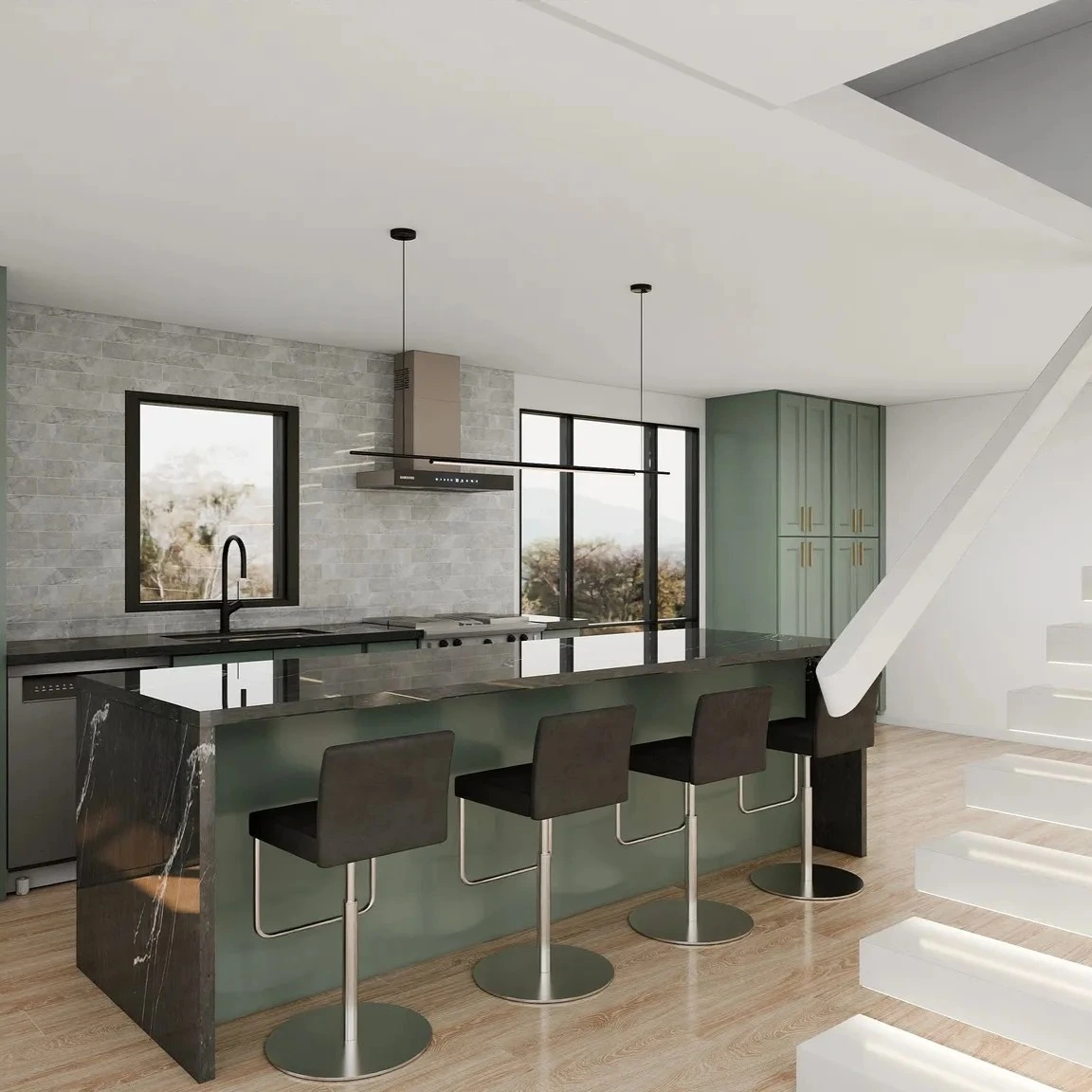
If you love clean lines, open spaces, and a clutter-free aesthetic, a modern or contemporary style might be your match. These designs emphasize simplicity, with neutral color palettes and natural materials like wood, metal, and glass. Large windows are a common feature, flooding the space with light and connecting the indoors with the outside. When you look at photos of modern homes, you can really visualize your future space and start thinking about how you might personalize the plans to fit your own lifestyle. It’s all about creating a calm, organized, and beautiful environment.
Traditional and Classic
Traditional design is all about comfort, order, and timeless appeal. It draws inspiration from classic European decor, featuring detailed woodwork, elegant furnishings, and rich color schemes. Think of homes with distinct living and dining rooms, beautiful crown molding, and a warm, inviting atmosphere. For many homeowners in the D.C. area, this style honors the historic architecture of the region. Looking at photos of traditional interiors and exteriors is a great way to make informed decisions before you start aresidential constructionproject, ensuring the final result feels both grand and welcoming.
Small and Tiny Homes
Living small doesn’t mean sacrificing style. In fact, small and tiny home designs are masterpieces of efficiency and smart planning. These homes make every square foot count with multi-functional furniture, clever storage solutions, and layouts that feel surprisingly spacious. This style is perfect for anyone looking to live more simply or add an accessory dwelling unit (ADU) to their property. If you find a small home plan you love but need to make a few changes, most designs can be customized to better suit your needs. A skilledproject managercan help you adapt a plan to perfection.
Luxury and Custom Designs
For those who want a home that is truly one-of-a-kind, a luxury or custom design is the way to go. This style is defined by high-end materials, unique architectural features, and a floor plan tailored precisely to your lifestyle. Whether you dream of a gourmetkitchen, a spa-like bathroom retreat, or a dedicatedhome theater, a custom plan makes it possible. You can work with a design team to createnew custom homesfrom scratch or modify an existing plan with major changes. It’s your opportunity to build a space that reflects exactly who you are.
Where to Find Quality Home Design Plans
Once you have a clear idea of your style, the next step is finding the perfect plan to match. It can feel like a huge task, but there are several great places to look for high-quality home designs. Your best option depends on how much customization you want, your budget, and how involved you want to be in the design process.
You can work directly with a design-build firm that offers a personalized experience from start to finish. This approach is perfect if you want a home tailored specifically to your needs with expert guidance every step of the way. Another popular route is to explore online plan marketplaces, which offer thousands of pre-designed options you can browse from home. For those seeking high-end inspiration or a completely unique build, looking through the portfolios of architectural firms is an excellent way to see what’s possible. Each path offers its own advantages, so let’s explore what makes each one a solid choice for finding your dream home plan.
Custom Designs with Pinkney Services
Working directly with a design-build team like Pinkney Services is the best way to get a home that’s truly yours. We offer a curated collection of beautiful house plans that already come with extensive photo galleries. Seeing detailed pictures of a finished home makes it so much easier to visualize yourself living there and understand the flow of the space. Our process is built around collaboration, allowing you to customize any of our plans to fit your family’s lifestyle. Whether you want to move a wall, add a home office, or design a dreamkitchen, we’ll work with you to refine the details and create the perfect layout for your new custom home.
Online Plan Marketplaces
If you love having tons of options, online plan marketplaces are a fantastic resource. Websites likeHouseplans.comand America's Best House Plans offer searchable databases with tens of thousands of designs in every conceivable style. You can filter by square footage, number of bedrooms, architectural style, and more. A major benefit of these sites is that most plans feature photos of previously built homes, giving you a real-world look at the final product. While you can purchase a stock plan online, you’ll still need a trusted local builder to adapt it to your specific property and local building codes before construction can begin.
Architectural Firm Portfolios
For those who draw inspiration from unique, high-end designs, browsing the portfolios of architectural firms is a must. Architects are masters at creating one-of-a-kind homes, and their websites are visual treasure troves of completed projects. These portfolios are filled with professional photos that showcase creative solutions, innovative materials, and impeccable craftsmanship. While hiring an architect to design a home from scratch is typically the most premium option, their portfolios are an invaluable free resource for gathering ideas. You can save images you love and bring them to your initial consultation with aconstruction managerto help communicate your vision.
What to Look for in a Home Design Plan
When you start browsing home design plans, it’s easy to get swept away by the beautiful images. But a great plan is much more than a pretty picture—it’s a detailed roadmap for your future home. Knowing what to look for ensures the design you fall in love with is practical, well-documented, and ready for construction. A thorough plan helps you and your build team stay on the same page, preventing costly surprises and delays.
Think of it as the foundation for your entire project. The right set of documents will give you a complete understanding of the space, from the overall layout to the smallest details. It allows you to visualize your life inside the home and make confident decisions before a single nail is hammered. Whether you're building from the ground up or planning a major renovation, paying close attention to the quality of the design plan is one of the most important steps you can take. A detailed plan is the first step toward creating one of Pinkney'snew custom homesthat perfectly fits your vision. The following elements are non-negotiable for any plan worth considering.
High-Quality Photos and Details
Vague, low-resolution images just won’t cut it. You need high-quality photos that show the home in crisp, clear detail. These visuals are your first real glimpse into what your future home could look like. They help you see the textures of the materials, the quality of the craftsmanship, and how natural light fills each room. Good photos also let you imagine how you might customize the space to fit your personal style. If you can’t clearly see the details in a photo, it’s hard to know if the design truly meets your standards. Don’t be afraid to ask for more images or a higher-resolution gallery if what you see isn’t clear enough.
Multiple Angles and 3D Renderings
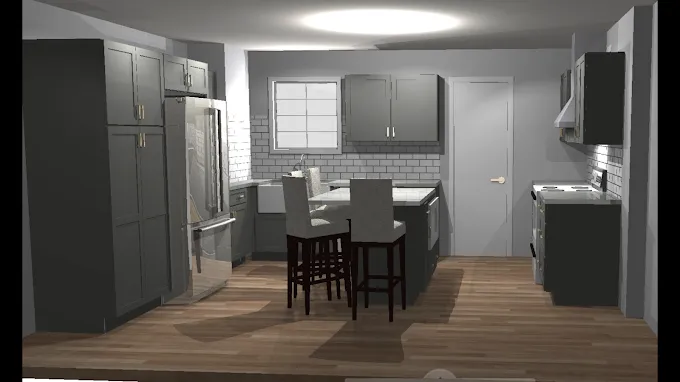
A single, perfectly staged photo can be misleading. To truly understand a home’s layout and flow, you need to see it from multiple perspectives. Look for plans that include photos from various angles, as well as 3D renderings. These tools give you a much more realistic sense of the space’s dimensions and how different rooms connect. A 3D walkthrough can help you visualize everything from your morning routine to how you’ll entertain guests. This comprehensive view is essential for anyremodelingproject or new build, as it helps you spot potential issues with the layout before construction begins, saving you time and money.
Complete Interior and Exterior Photos
A great home design feels cohesive, with the interior and exterior working together in harmony. That’s why it’s so important to see a full set of photos covering both. A stunning exterior is wonderful, but you also need to love the inside. Look for plans that provide a complete tour, showing you everything from the curb appeal of the front facade to the layout of the master suite. This ensures there are no surprises and that the home’s aesthetic is consistent throughout. A complete visual record gives you the confidence that you’re choosing a design that is thoughtfully planned from every angle.
Accurate Floor Plans and Scale
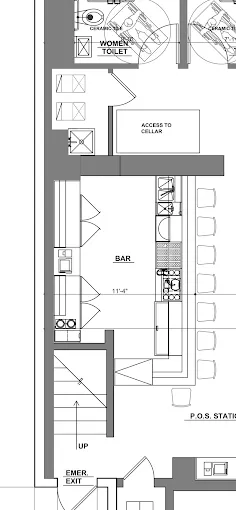
While photos provide the inspiration, the floor plan provides the facts. Every great design plan must include a detailed, accurate, and easy-to-read floor plan. This is the technical drawing that shows the layout, room dimensions, and the placement of key features like doors and windows. It’s the document yourproject managerand construction team will rely on most. Check that the scale is clear and that all measurements are precise. This is how you’ll confirm if your furniture will fit, if there’s enough closet space, and if the overall flow works for your lifestyle. A solid floor plan is the true blueprint for a functional, comfortable home.
How to Customize a Design Plan for Your Needs
Finding a home design plan you love is an exciting moment, but it’s rare to find one that checks every single box right away. Think of a design plan as a fantastic starting point—a solid foundation you can build upon and tailor to your specific lifestyle. Customization is a normal and essential part of creating a home that truly feels like it was made for you. Whether you want to make small tweaks or significant structural changes, you can absolutely adjust a plan to fit your needs.
This is where the fun really begins. You can move walls, add windows, or reconfigure entire rooms. Maybe you love a layout but need a dedicated home office, or you’ve always dreamed of a spa-like primary bathroom. Seeing photos of a built home can help you visualize the flow, but the real magic happens when you start making it your own. Working with an experienced team allows you to take a great plan and transform it into your perfectnew custom home, ensuring every detail reflects your vision and daily routines.
Work with a Design Professional
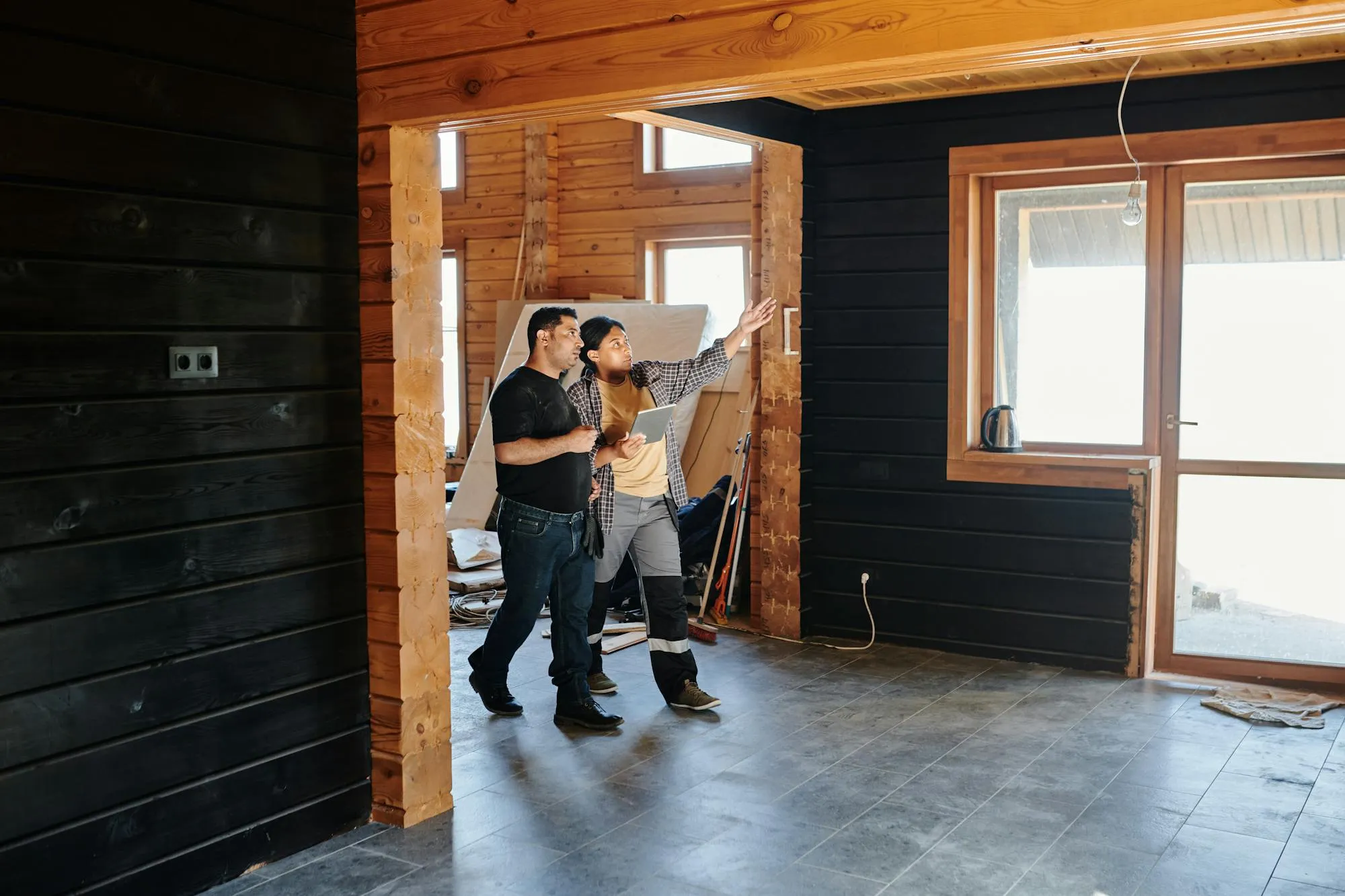
Once you find a plan with good bones, the next step is to partner with a design professional or a dedicatedproject manager. They are your expert guides for turning your ideas into a reality. When you find a plan you like but want to change something, you can ask to have it customized. A professional can review your requested changes, advise on what’s structurally possible, and provide realistic cost estimates. They handle the technical side of things—like ensuring all modifications meet local building codes—so you can focus on how you want your home to look and feel. This collaboration is key to a smooth and successful project.
Modify Room Layouts and Features
Don't feel locked into the exact layout you see on paper. Seeing photos of a finished home helps you understand the layout and flow, but you have the power to change it. You can customize any house plan to fit your needs, whether you want small or big changes. This could mean knocking down a wall between the kitchen and living room to create an open-concept space for entertaining. You might want to enlarge a bedroom to add a walk-in closet, convert an unused den into ahome theater, or add a large picture window to capture a beautiful view. These modifications are what make a standard plan feel custom-built for your family.
Personalize Finishes and Materials
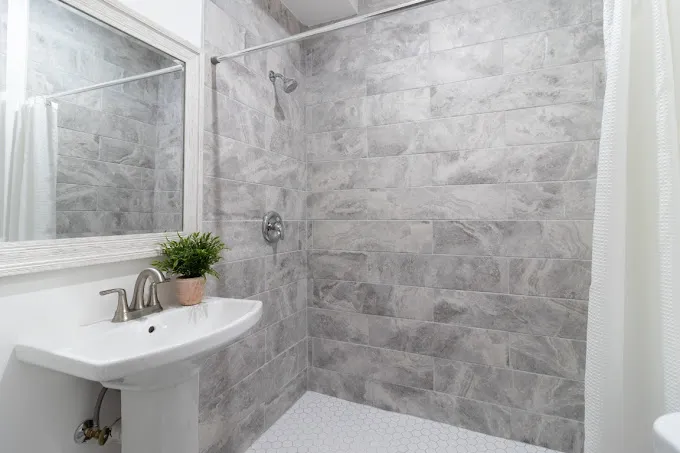
While the floor plan creates the home’s structure, the finishes and materials you choose give it character and personality. This is your chance to infuse your style into every room. Personalizing your home means selecting the perfect hardwood for the floors, the right tile for yourbathroom remodelingproject, and the ideal countertops for your dream kitchen. From paint colors and light fixtures to cabinet hardware and siding, every choice contributes to the final look. A good design team can help you select high-quality materials that align with your aesthetic and budget, ensuring your home is beautiful from the inside out.
Common Mistakes to Avoid When Choosing a Design Plan
It’s easy to get swept up in the excitement of browsing beautiful home designs. But before you commit, it’s important to think critically. The right plan is more than just a pretty picture; it’s the foundation for a home that truly works for you. A few common missteps can lead to frustration and costly changes down the road. By being aware of these potential pitfalls from the start, you can choose a design with confidence and ensure your new space is everything you dreamed it would be.
Prioritizing Aesthetics Over Function
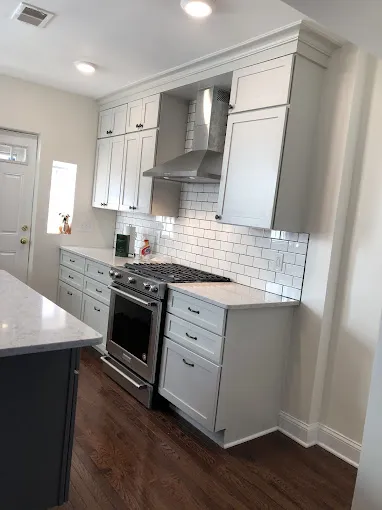
We’ve all pinned a stunning kitchen with dramatic lighting, only to realize it has almost no storage. Falling for a design's looks while ignoring its practicality is a classic mistake. A beautiful home that doesn't fit your lifestyle will quickly lose its charm. Before you settle on a plan, think about your daily life. Where will the kids drop their backpacks? Do you need a dedicated workspace? A successfulkitchen remodelingproject, for example, balances gorgeous finishes with a workflow that makes sense for how you cook. The goal is to find that perfect blend of a home that looks amazing and feels effortless to live in.
Forgetting Your Property's Unique Features
A design plan has to work with the specific piece of land it's built on. Overlooking your property’s unique traits—like the direction of the morning sun, the slope of the yard, or an incredible view—can mean missing a huge opportunity. A plan designed for a flat lot won't work on a sloped property in a historic D.C. neighborhood without significant changes. The best designs feel connected to their surroundings. Buildingnew custom homesmeans your house can complement the land, maximize natural light, and feel like it truly belongs right where it is.
Rushing the Selection Process
The pressure to get a project started can lead to hasty decisions, but rushing your design plan selection is a recipe for regret. This is the architectural blueprint for your daily life for years to come, so it deserves careful consideration. Taking your time now prevents expensive change orders during construction and ensures you won't be second-guessing your layout later. Imagine walking through the rooms and hosting a holiday. A dedicatedproject managercan help guide you through this crucial planning phase, making sure every detail is considered before breaking ground. A little patience upfront makes all the difference.
What Do Home Design Plans Cost?
Let's talk about one of the most important questions on your mind: the budget. The cost of home design plans can vary quite a bit, and understanding the price tag is the first step in making your dream home a reality. The final cost depends on whether you choose a pre-made stock plan or opt for a fully custom design tailored to your property and lifestyle.
Think of it like this: a stock plan is like buying a ready-to-wear outfit—it’s affordable and gets the job done beautifully. A custom plan is like getting a bespoke suit—it’s crafted to fit you perfectly, accounting for every unique detail. Both are great options, but they come with different price points and processes. The key is figuring out which path aligns with your vision and financial plan. We’ll break down the factors that influence the price and share some tips for making the most of your investment.
Key Factors That Influence Price
When you start looking at house plans, you'll see prices that range from a few hundred to several thousand dollars. Most homeowners can expect to pay between$500 and $2,000for a stock floor plan, with the average cost sitting around$1,300. The price fluctuates based on a few key things: the complexity of the design, the square footage, and the level of detail included. A simple, small home plan will naturally cost less than one for a large, multi-story home with intricate architectural features.
Another major factor is the source of the plan. A pre-drawn plan from an online marketplace is the most budget-friendly option. However, if you need significant modifications or want a completely unique design, you’ll want to work with an architect or a design-build firm. A customnew homeplan will be a larger investment, but it ensures every inch of your home is designed specifically for you and your family’s needs.
How to Find Savings and Special Offers
While quality design is worth investing in, there are definitely ways to be smart with your budget. If you're browsing online marketplaces for stock plans, keep an eye out for promotions. Many sites offer discounts for signing up for their newsletter or run seasonal sales. These small savings can add up, giving you a little extra to put toward that kitchen backsplash you’ve been eyeing.
The biggest savings, however, often come from preventing costly mistakes down the road. A well-thought-out, detailed plan from a professional ensures yourconstruction teamhas a clear roadmap, minimizing expensive change orders and delays during the build. Working with an integrated design-build firm can also streamline the process, combining the design and construction phases under one roof. This approach not only simplifies communication but can also create efficiencies that save you both time and money in the long run.
Bringing Your Design Plan to Life
Once you’ve landed on the perfect design plan, the next exciting phase begins: turning those drawings and photos into your actual home. This is where a solid partnership with your construction team becomes the most important part of the process. A beautiful plan is a fantastic starting point, but its success hinges on skilled execution and clear collaboration. The transition from paper to physical structure involves countless details, from foundation work to fixture installation, and handling it smoothly requires a focus on two key areas: consistent communication and realistic expectations for your project’s timeline.
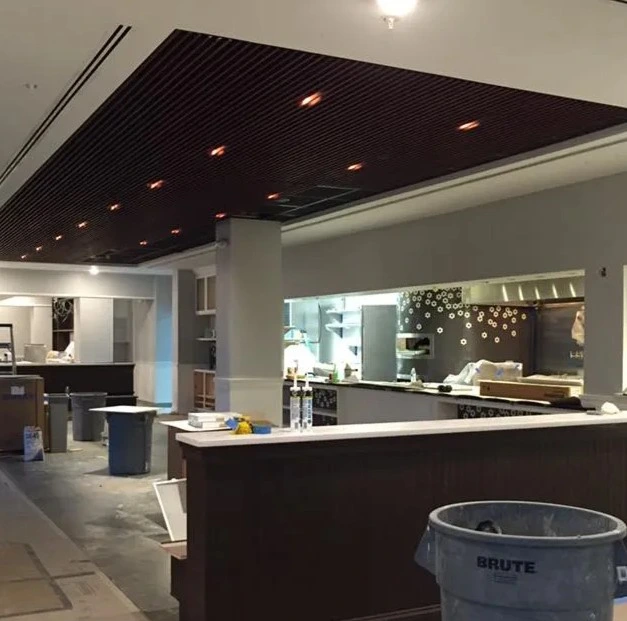
Successfully building or remodeling a home is about more than just materials and labor; it’s about translating a vision into a tangible reality. This requires everyone to be on the same page, from the initial groundbreaking to the final walkthrough. Having a dedicatedconstruction managercan make all the difference, as they serve as the central point of contact, coordinating tradespeople and ensuring that every step aligns with your chosen design. By staying engaged and informed, you can help steer the project toward the finish line and ensure the final result is everything you dreamed it would be. This stage is where your ideas truly take shape, and a strong team makes that transformation seamless.
Communicate Clearly with Your Construction Team
Think of your relationship with your builders as a partnership. Open and frequent communication is the glue that holds the project together. Poor communication can lead to misunderstandings and mistakes that are costly and time-consuming to fix. It’s essential to stay involved and talk regularly with your team to ensure your vision is being built exactly as you imagined. Don’t be afraid to ask questions or request clarification. A great team will welcome your input and provide clear updates. Having a designatedproject manageras your main point of contact can streamline this process, making sure nothing gets lost in translation.
Manage Your Project Timeline and Expectations
Building a custom home or completing a major remodel takes time. It’s a multi-stage process that includes design approvals, permitting, and the construction itself, so it’s important to set realistic expectations from the start. Understanding that the full process fornew custom homescan take many months will help you plan accordingly and reduce stress. Thinking through the details of how you’ll use each space can also prevent future delays. For example, if you’re planning a home office, confirming the placement of electrical outlets and lighting during the design phase helps avoid change orders and adjustments down the line. A professional team will provide a clear timeline and keep you informed of progress and any potential setbacks.
Related Articles
Kitchen Remodeling Ideas Pictures | Inspiring Modern Kitchen Designs
Kitchen Design 4m x 3m: Stylish & Efficient Small Kitchen Ideas
Frequently Asked Questions
I found a plan I like online. Can I just buy it and start building?Not quite. Think of an online plan as a fantastic starting point, but it needs to be adapted to your specific piece of land and local D.C. building codes. A professional team will review the plan to ensure it works with your property’s slope, sun exposure, and utility connections. They will also handle the necessary permits and make sure every detail is up to code before construction begins.
How much can I really customize a pre-designed plan?You can customize a plan quite a bit, from small tweaks to significant changes. Simple adjustments might include moving a non-structural wall, adding a window, or reconfiguring a closet. More substantial modifications could involve expanding a room, adding a bathroom, or even altering the roofline. The key is working with a design professional who can advise you on what’s structurally sound and how your desired changes will impact the overall flow and budget of the home.
What's the biggest difference between using a stock plan versus a fully custom design?The main difference comes down to personalization and process. A stock plan gives you a proven layout that has been built before, which can save time and money on the initial design phase. A fully custom design is created from scratch, tailored precisely to your family’s lifestyle, your property’s unique features, and your specific vision. It offers the ultimate level of personalization but typically involves a longer design process and a larger investment.
How do I make sure a plan I love will actually work on my property?The best way to ensure a plan fits your property is to consult with aconstruction or project managerbefore you commit. They will conduct a site analysis to assess factors like the lot size, topography, and local zoning regulations. A plan that looks perfect on a flat, wide lot might need significant adjustments for a narrow or sloped property in a historic neighborhood. This professional assessment is crucial for avoiding costly surprises.
Why are detailed floor plans so important if I already have photos?Photos are wonderful for inspiration and for getting a feel for the space, but they don't provide the technical information needed to actually build the house. The floor plan is the essential roadmap for your construction team. It contains precise measurements, room dimensions, and the exact locations of walls, doors, and windows. Without an accurate floor plan, it’s impossible to ensure the home is built correctly, safely, and to your specifications.