New Home Construction Cost: The Full Breakdown
If you’re planning to build a home in the Washington, D.C. area, you can toss those national average cost calculators out the window. Building in a high-demand market like ours comes with a unique set of financial considerations, from the price of land in neighborhoods like Georgetown to local labor rates and complex permit processes. Understanding the true 'new home construction cost' here requires local insight. This guide is built for that purpose. We’ll explore the specific factors that influence building expenses in our region, helping you see beyond the generic numbers and create a budget that reflects the realities of building in the D.C. metro, so you can plan with confidence and avoid sticker shock.
Key Takeaways
Plan for More Than Just the Build: Your total cost includes the land, permits, utilities, and landscaping. Factoring these "soft costs" into your budget from the very beginning is essential for understanding the true investment required.
Create a Smart Budget with a Safety Net: Get detailed quotes from local builders, decide on your non-negotiable features, and set aside a 10-20% contingency fund. This proactive approach helps you handle unexpected issues without financial stress.
Lock In Your Choices Early to Control Costs: Making changes mid-project is the fastest way to inflate your budget and timeline. Finalize your design and material selections before construction begins to keep the project on track and on budget.
What's the Average Cost to Build a New Home?
Figuring out the cost of building a new home can feel like trying to hit a moving target. While it’s tempting to look for a single magic number, the truth is that costs are incredibly specific to your location, your design, and your vision. National averages can give you a general idea, but they’re just a starting point. For example, the national cost of building a house can range from around $440,000 to over $665,000, and that’s before you even purchase the land. This number tells you what's possible, but it doesn't tell you what's probable for your specific project in the D.C. area.
The best way to get a clear picture is to understand the key factors that influence the final price tag. The biggest variables are almost always where you build, how big you build, and what you build with. Everything from the price of lumber to the hourly rate for a skilled electrician changes from one zip code to the next. Think of it less like a fixed price and more like a custom quote that gets refined as you make decisions. By breaking down these elements, you can move from a vague national average to a realistic budget for your dream home. Let’s explore how these factors come into play so you can start planning with confidence.
How Costs Vary by Region
It’s no surprise that building a home in Washington, D.C., costs more than it would in rural Ohio. Everything from land value and local labor rates to permit fees and material transportation contributes to the regional price difference. The national average cost to build is around $195 per square foot, but this can swing dramatically depending on the state and city. High-cost-of-living areas will always be on the higher end of the spectrum. Working with a local builder who understands the market is key to getting an accurate estimate for your new custom home and avoiding sticker shock down the road.
City vs. Country Pricing Differences
Even within the same region, costs can vary significantly between an urban center and a more rural setting. Building a home in a dense neighborhood like Georgetown involves different challenges than building on a spacious lot in the suburbs. City projects often face tighter lot constraints, more complex zoning laws, and higher labor costs. For instance, building a home in a pricey California coastal city can cost several times more than building the exact same house just a few hours inland. These micro-location factors play a huge role in your overall budget, making local expertise invaluable.
How Square Footage Affects Your Total Cost
While it’s true that a larger home will have a higher total cost, the price per square foot can be a bit misleading. Interestingly, smaller homes often have a higher cost per square foot. This is because expensive, fixed-cost items like the kitchen, bathrooms, and HVAC system are spread across fewer square feet, driving up the average. So, while your 1,800-square-foot home will cost less overall than a 3,500-square-foot one, don’t be surprised if its price per square foot is higher. A great project manager can help you balance size and features to create a realistic budget that aligns with your priorities.
What Factors Drive Up Construction Costs?
Building a new home is a major investment, and the final price tag can feel like a moving target. While every project is unique, the costs are driven by a few key factors. Understanding what they are from the start is the best way to create a realistic budget and avoid surprises down the road. The location of your lot, the materials you choose, the professionals you hire, and the complexity of your design all play a significant role in your total spending. Let’s break down how each of these elements impacts your bottom line.
Your Lot and the Local Market
Before you even think about floor plans, the piece of land you build on sets the stage for your budget. The cost to build varies dramatically depending on where you are, and here in the Washington, D.C. area, both land and labor costs are higher than in many other parts of the country. The specific characteristics of your lot also matter. A sloped property might require more extensive foundation work, while a remote lot could mean higher costs for running utility lines. Researching local zoning laws and permit fees is also crucial, as these can add thousands to your initial expenses before construction even begins on your new custom home.
Your Choice of Materials and Finishes
From the foundation to the faucets, every material you select comes with a price tag. This is one area where you have a great deal of control over your budget. Interior finishes alone can account for a quarter of your total construction costs. Opting for standard, "builder-grade" materials for things like flooring, countertops, and fixtures can keep expenses down. On the other hand, high-end, custom finishes will quickly increase the total. A great strategy is to decide where you want to splurge and where you can save. You might invest in durable hardwood floors but choose more affordable tile for a guest bathroom remodeling project.
Labor and Contractor Rates
Skilled labor is essential for a high-quality build, and it represents a major portion of your budget. Your general contractor’s fee, which typically runs between 10% and 25% of the total project cost, covers the immense task of managing the entire build. This includes scheduling subcontractors, ordering materials, and ensuring everything is up to code. While it might seem like a big percentage, a great construction manager is invaluable. They prevent costly mistakes, keep the project on schedule, and handle the day-to-day logistics so you don’t have to. Investing in an experienced and reputable team is one of the smartest decisions you can make.
Custom Features and Design Complexity
The architectural design of your home has a direct impact on how much it costs to build. A simple, rectangular footprint with a straightforward roofline is far more affordable to construct than a complex design with multiple wings, curves, and intricate angles. Every corner and custom feature adds to both material and labor costs. Things like vaulted ceilings, large custom windows, or a dedicated home theater installation will also increase the price. It’s important to balance your dream home vision with your budget, prioritizing the features that will have the biggest impact on your daily life.
Building New vs. Buying an Existing Home
Deciding whether to build a new home or buy an existing one is one of the biggest choices you'll make. There’s no single right answer—it really comes down to your budget, timeline, and what you value most in a home. Both paths can lead to your dream space, but they involve very different financial and personal commitments. Let's break down the key differences to help you figure out which route is the best fit for you.
Comparing the Upfront Investment
Let’s talk about the money upfront. Generally, building a new home requires a larger initial investment than buying an existing property. The process of securing land, getting permits, and starting construction from scratch simply costs more at the outset. The timeline is also a major factor. While closing on an existing home might take a month or two, the journey of building new custom homes can take a year or more, depending on the project's complexity. This longer timeline can impact your finances, especially if you're paying for your current housing while the new one is being built. It’s essential to have a clear financial plan that accounts for this extended schedule and higher initial cost.
Which Option Builds More Long-Term Value?
When you think about long-term value, a new build often has the edge. Many homebuyers prefer new construction because everything is brand new, which means fewer surprise repairs and less maintenance in the first few years. You’re the very first owner, and you get to design the space exactly how you like, from the layout down to the doorknobs. This level of personalization not only creates a home that perfectly fits your lifestyle but can also be a smart investment. Modern, energy-efficient appliances and building materials can lead to lower utility bills, and a custom design tailored to the lot can maximize the property's appeal and resale value down the road.
The Hidden Costs You Might Miss
A common pitfall when building a new home is overlooking the "hidden" costs that pop up along the way. Your construction budget covers the structure, but what about everything else? Remember to budget for essentials you'll need after moving in, like landscaping, driveways, decks, fences, and even window blinds. These items can add up quickly. It’s also wise to plan for the unexpected. Construction delays can happen, and design changes can increase costs. Working with an experienced project manager helps keep these surprises to a minimum, but having a contingency fund of 10-15% of your total budget is a smart safety net to ensure you’re prepared for anything.
What to Budget for Beyond the Build
When you picture your dream home, you probably think about the framing, the roof, and the beautiful interior finishes. But the total cost of new home construction extends far beyond the physical structure. Several significant expenses, often called "soft costs," come into play before the first wall ever goes up and after the last nail is hammered in. These items are just as critical to your budget as lumber and labor, and forgetting them can throw your entire financial plan off track.
From purchasing and preparing the land to navigating the maze of permits and inspections, these initial steps carry their own price tags. You also have to account for the practicalities of modern living, like connecting to essential utilities such as water, sewer, and electricity. And once the house is built, the exterior work—like landscaping, driveways, and patios—is what truly transforms the property into a home you can be proud of. Overlooking these elements can lead to budget overruns and a lot of stress down the road. Planning for them from the very beginning ensures a smoother process and helps you get a complete, accurate picture of your total investment.
Buying and Preparing Your Land
Before you can build, you need a place to do it. The cost of land is one of the most variable parts of a new home budget and is often a major upfront investment. The price of a lot can range from $3,000 to over $150,000, depending heavily on its location and size, especially in a competitive market like the Washington, D.C. area. Beyond the purchase price, you’ll also need to budget for preparing the site. This can include clearing trees, grading the soil for a stable foundation, and excavation—all necessary steps to get your project started on the right foot.
Permits, Fees, and Inspections
Working with the local government is a non-negotiable part of any construction project. Before breaking ground, you must secure building permits, which ensure your home is built to current safety and zoning standards. The cost for these permits can range from around $1,500 to $5,000, depending on your municipality and the scope of your project. Throughout the build, you'll also have inspections at key milestones—like foundation, framing, and electrical—to verify that the work is up to code. These fees protect your investment by making sure your home is safe, sound, and legally compliant from day one.
Connecting Utilities
Your new home won't feel very new without electricity, water, and internet. Connecting to local utilities is a crucial step that comes with its own set of costs. If you’re building on a raw, undeveloped lot, you may need to pay to have utility lines extended to your property, which can be a significant expense. In some cases, it can be more cost-effective to purchase a lot with an older, tear-down house. This often means the essential connections for water, sewer, and power are already in place, saving you both time and money on this part of the process.
Landscaping and Exterior Finishes
The work isn’t over once the house is built. Your budget should also include funds for everything outside the four walls. This includes exterior finishes like siding, as well as landscaping, which turns your property into a welcoming retreat. Think about the cost of a driveway, walkways, a lawn, and any planting you want to do. If you’re dreaming of outdoor living spaces, you’ll also want to factor in the cost of decks and patios. These finishing touches are what create curb appeal and make your home feel complete, and their costs can add up quickly if not planned for in advance.
Where Does Your Money Go? A Construction Cost Breakdown
When you’re building a new home, it can feel like your budget is being pulled in a dozen different directions. Understanding the major cost categories helps you see the full picture and make smarter decisions about where to invest and where you might be able to save. Think of your total budget as a pie—each slice represents a critical phase of construction, from the ground up. While every project is unique, the costs for new custom homes generally fall into a few key areas. Let's break down where your money is most likely to go so you can plan your project with confidence and clarity.
Foundation and Structural Frame
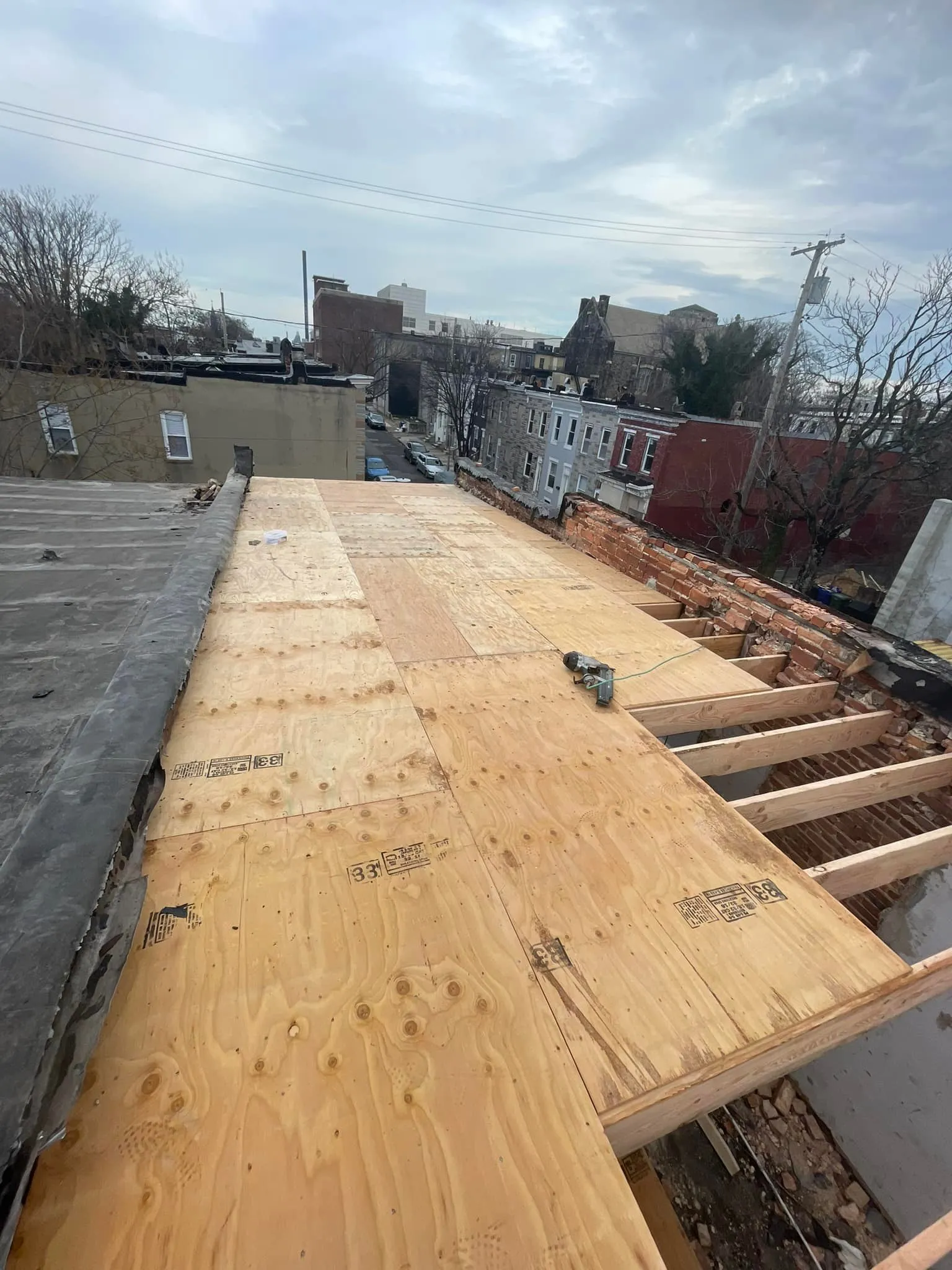
Before you can even think about paint colors or kitchen cabinets, you need a solid base. The foundation and structural frame are the bones of your house, providing the strength and stability for everything that follows. This is a non-negotiable expense and a significant part of your overall budget. Because this work is so fundamental, it’s reflected in the total cost to build a house, which can range from around $439,000 to over $665,000 on a national average. Getting the foundation and framing right is essential for the safety and longevity of your home, making it one of the most important investments in your entire build.
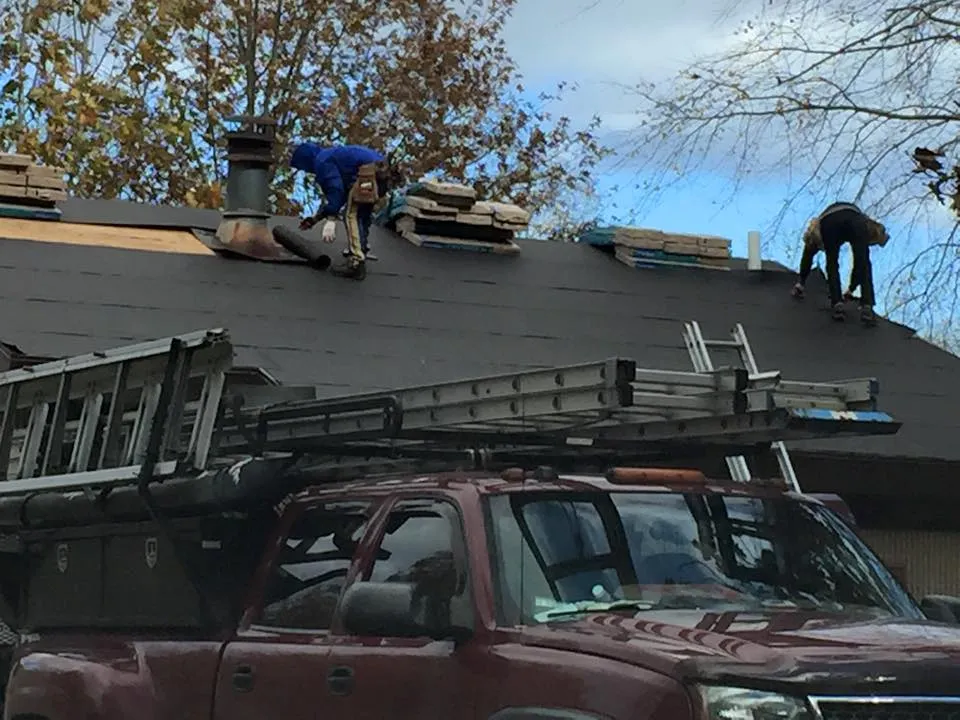
Roofing, Siding, and Exterior Work
The exterior of your home is its first line of defense against the elements and the first thing people see. Your choices in roofing and siding not only define your home’s curb appeal but also protect it from rain, wind, and sun. Costs here can vary widely based on the materials you select. For a standard home, you can expect exterior work to fall between $200 and $400 per square foot. If you’re planning a more custom design with high-end materials like stone or specialized siding, that figure could increase to $400 to $600 per square foot. This is an area where your aesthetic preferences directly impact the bottom line.
Electrical, Plumbing, and HVAC Systems
What makes a house a comfortable, functional home are the systems running behind the walls. Your electrical, plumbing, and HVAC (heating, ventilation, and air conditioning) are the vital organs of your home, and they need to be installed correctly from the start. Budgeting for these essentials is crucial. Typical costs can include $8,000–$18,000 for electrical wiring, $8,000–$12,000 for plumbing, and $7,000–$16,000 for the HVAC system. While these systems are hidden from view, their performance affects your daily life and utility bills for years to come, so it’s wise to allocate a healthy portion of your budget here.
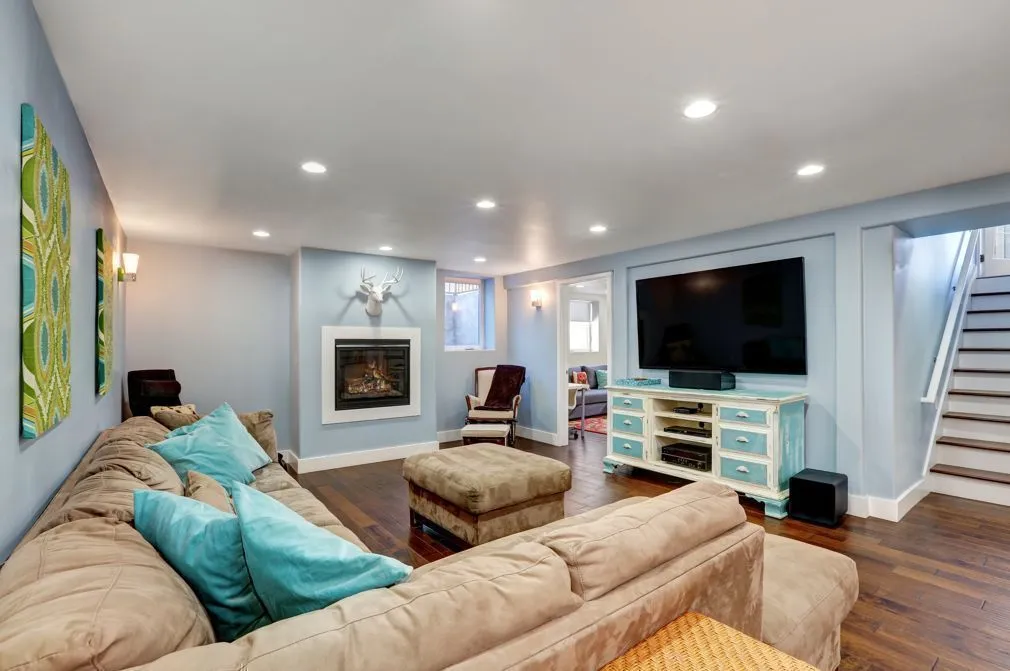
Interior Finishes, Fixtures, and Appliances
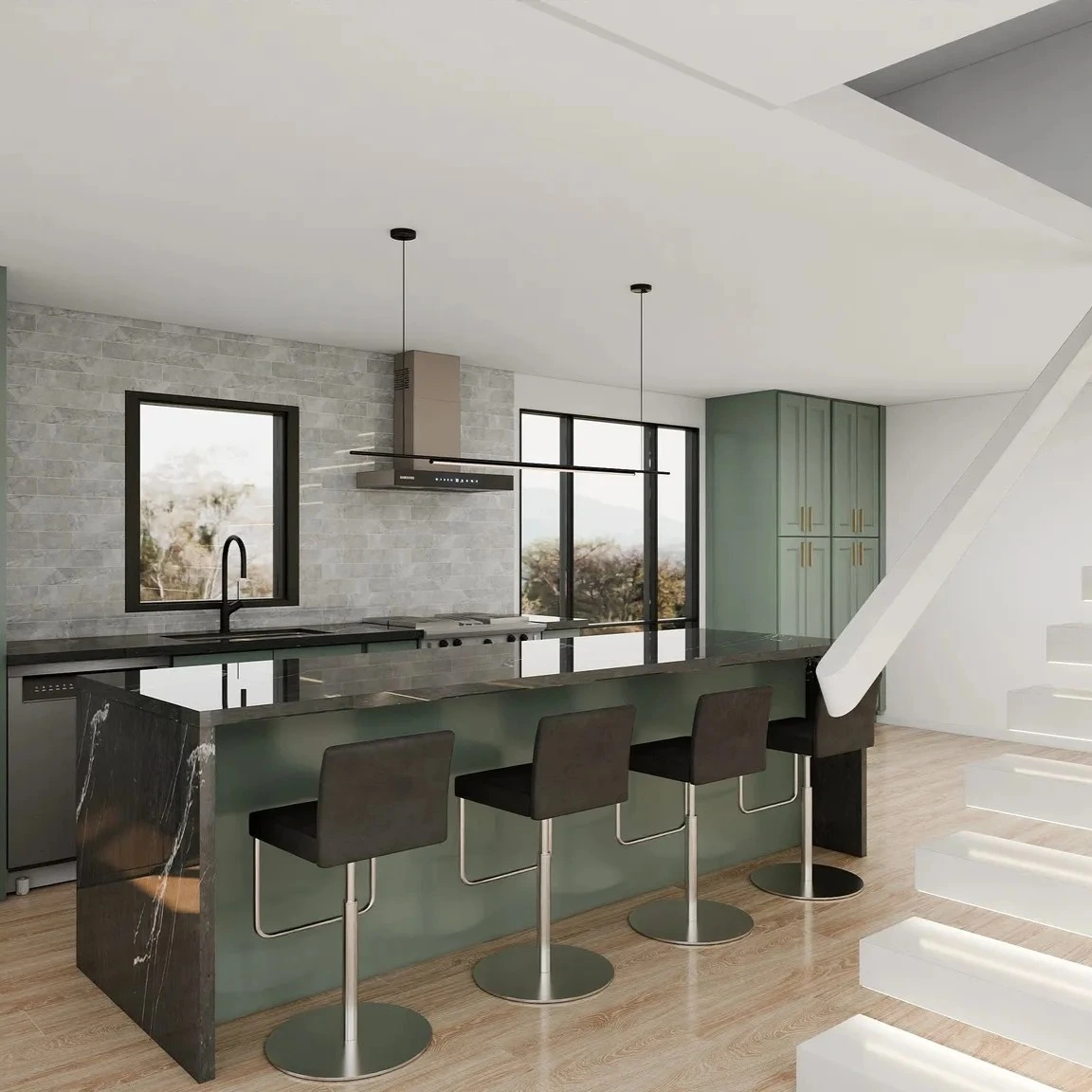
This is where your personality truly shines through. Interior finishes cover everything from flooring and paint to cabinets, countertops, and light fixtures. This category often accounts for about a quarter of your total construction costs, with expenses ranging from $75,000 to over $300,000. The final number depends entirely on your taste and the quality of materials you choose. A standard kitchen remodeling project, for example, will cost much less than one with custom cabinetry, marble countertops, and professional-grade appliances. This is the area with the most flexibility, allowing you to splurge on your must-haves and save on lower-priority items.
How Do You Finance a New Home Build?
Figuring out how to pay for your dream home is a huge step. The financing process for building a new home is a bit different from buying an existing one, but with the right information, you can approach it with confidence. Let's walk through the key financial pieces you'll need to put in place.
Construction Loans vs. Traditional Mortgages
When you're building from the ground up, you won't be using a typical mortgage. Instead, you'll likely need a construction loan. These loans are designed specifically for the building process and differ from traditional home loans in a few key ways. First, their interest rates are usually higher—think 2-3% more than a standard mortgage. The upside is that you only pay interest on the funds as they are paid out to your builder in stages, which helps manage your cash flow. This is different from a traditional mortgage, where you receive the full amount at once. This structure is tailored to the unique timeline of creating new custom homes.
Down Payments and How to Qualify
Getting approved for a construction loan can be a bit more rigorous than for a standard mortgage. Lenders see new builds as a higher risk, so they want to see that you're fully invested. Be prepared for a substantial down payment, which is typically around 20% of the total project cost. This upfront investment shows the lender your commitment and financial stability. Having a clear budget and a detailed plan from your construction manager can also make a huge difference in demonstrating that your project is well-organized and a sound investment for the lender.
Understanding Interest Rates and Payments
One of the biggest financial hurdles to plan for is the larger amount of cash you'll need upfront compared to buying an existing house. Those higher interest rates on construction loans directly impact the total cost of your project, so it’s essential to factor them into your budget from day one. You’ll need a solid financial plan to manage these interest-only payments throughout the construction phase before the loan converts to a traditional mortgage. Working closely with your builder to create a realistic budget is the best way to ensure you’re prepared for every expense involved in your new home construction.
How to Create a Budget You Can Stick To
Creating a budget for your new custom home is less about restriction and more about empowerment. It’s the roadmap that guides every decision, ensuring your vision comes to life without causing financial stress down the line. A well-planned budget is the single best tool for a smooth, predictable, and enjoyable building process. It helps you, your builder, and your designer stay aligned on the same goals from the first day of excavation to the final walkthrough. Think of it as the foundation for your entire project—get it right, and everything else falls into place.
Set a Realistic Spending Plan
It’s easy to get swept up in the excitement of designing your dream home, but a grounded financial plan is your best friend. First, it’s important to understand that, as a general rule, building a new house usually costs more upfront than buying an existing one. Start by taking a clear-eyed look at your finances to determine what you can comfortably afford. This involves more than just a loan pre-approval; it means setting a total project cost that won’t strain your lifestyle. Research land prices and average building costs in your target D.C. neighborhood, whether it's Columbia Heights or Georgetown, to create a baseline number that feels achievable and responsible for your family’s future.
Build a Contingency Fund for Surprises
If there’s one universal truth in construction, it’s that the unexpected will happen. That’s why a contingency fund isn’t a “nice-to-have”—it’s an absolute must. This is a portion of your budget, typically 10% to 20%, set aside specifically for unforeseen costs. As one homebuilder wisely put it, you should "always set aside money for unexpected costs," because projects rarely finish exactly on the initial estimate. This fund covers things like discovering difficult soil conditions during excavation, weather-related delays, or a sudden spike in the price of lumber. Having this buffer protects your project from being derailed and prevents you from having to make compromises on your vision later on.
Get Detailed Quotes from Contractors
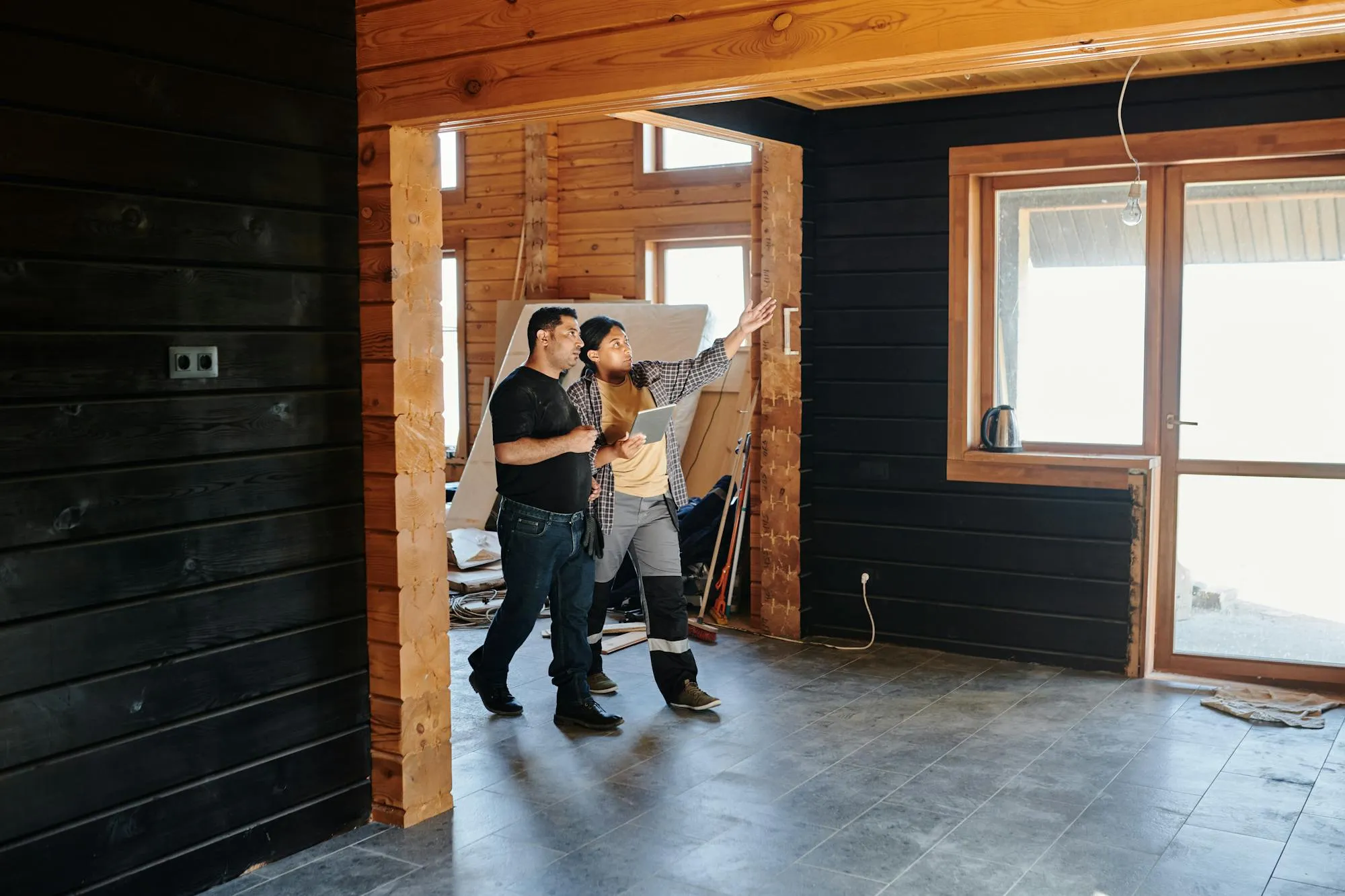
Your budget is only as accurate as the information you base it on. Vague estimates lead to costly surprises, which is why getting detailed quotes is a critical step. The best approach is to "get quotes from builders" and architects in your specific area to truly understand local costs. A trustworthy quote isn't just a single number; it’s an itemized breakdown of every anticipated expense, from permits and foundation work to materials and labor. When you partner with an experienced project manager, they will source these comprehensive bids and help you compare them, ensuring you’re evaluating not just the price but the quality and thoroughness of the plan.
Prioritize Your Must-Haves
Unless you have an unlimited budget, you’ll likely need to make some trade-offs. The key is to make them strategically. Start by making two lists: your "must-haves" and your "nice-to-haves." This helps you allocate your funds to the areas that matter most to you. For example, you might decide that a high-end, custom kitchen remodel is a top priority, but you’re willing to be more flexible on the guest bathroom fixtures. Choosing basic or "builder-grade" materials and finishes for less critical areas is a smart way to keep costs down without sacrificing the features you truly care about. This approach ensures your budget is spent on what brings you the most value and joy.
Common Budgeting Mistakes to Avoid
Building a new home is an exciting process, but it’s easy to get tripped up by a few common financial hurdles. Knowing what to watch for from the beginning can save you a lot of stress, time, and money down the road. Let’s walk through some of the most frequent budgeting mistakes so you can sidestep them and keep your project on solid ground. A well-planned budget is the foundation of a successful build, ensuring your vision for a dream home becomes a reality without any unwelcome financial surprises.
Underestimating the Total Cost and Timeline
It’s one of the most common stories in home construction: the budget and timeline that seemed realistic at the start begin to stretch. Unexpected expenses always have a way of popping up, and building a new house often costs more than buying an existing one. The timeline can also be longer than anticipated. While managing the project yourself might take over 15 months, hiring a dedicated construction manager can often shorten that to about a year. The key is to build a generous contingency fund—typically 10-20% of your total budget—and work with your builder to create a realistic schedule from day one.
Making Changes Mid-Project Without a Plan
You’ve finalized the blueprints, the crew has broken ground, and then you have a brilliant new idea. While it’s tempting to make adjustments on the fly, these mid-project changes are a primary cause of budget overruns and delays. Even a seemingly small tweak can have a ripple effect, impacting everything from material orders to subcontractor schedules. These unplanned changes can add tens of thousands of dollars to your final bill. Your best strategy is to invest time in the planning phase to ensure your design for a new custom home is exactly what you want before construction ever begins.
Assuming Building is Always the Cheaper Option
Many people believe that building a home from scratch is more affordable than buying one that’s already on the market. In reality, new construction is almost always the more expensive route. National averages for a new build can range from around $439,000 to over $665,000, and that’s before you factor in the cost of land. While an existing home might have a lower sticker price, a new build offers a different kind of value: everything is brand new, under warranty, and designed specifically for your lifestyle. It’s not about which is cheaper, but which investment is right for you.
How to Keep Costs Under Control During Construction
Even with the most detailed budget, the fear of unexpected costs can be stressful. The good news is that you aren't just along for the ride. Staying proactive and making informed decisions throughout the build process is the key to keeping your project on track financially. It all comes down to careful planning, clear communication, and a solid partnership with your build team. By focusing on a few key areas, you can maintain control over your budget without compromising the vision for your new home. Here’s how you can stay in the driver's seat from groundbreaking to final walkthrough.
Make Smart Material Selections
Your choice of materials and finishes has one of the biggest impacts on the final price tag. While high-end, custom finishes are beautiful, they can quickly inflate your costs. Opting for quality "builder-grade" materials for foundational elements can provide significant savings that you can then allocate to features that matter most to you. Think about where you want to make a statement. You might decide to invest in stunning countertops for your kitchen remodeling project while choosing more standard, durable flooring for bedrooms. This balanced approach allows you to add personal, high-impact touches without letting the entire budget spiral.
Partner with an Experienced Local Contractor
It might seem counterintuitive, but one of the best ways to save money is to hire the right professional. A skilled and reputable local contractor is an investment, not just an expense. While a general contractor typically charges between 10% and 20% of the total project cost, their expertise is invaluable. They bring established relationships with suppliers, manage scheduling to avoid costly delays, and foresee problems before they become expensive disasters. A dedicated construction manager acts as your advocate, ensuring the project runs smoothly and efficiently, which ultimately protects your bottom line and delivers a higher-quality home.
Manage Change Orders Effectively
Few things can derail a construction budget faster than mid-project changes. A "change order" is any modification made to the plan after construction has already started. While some changes are unavoidable, these frequent modifications can add up quickly in both material and labor costs, and they often cause significant timeline delays. The best strategy is to finalize every detail—from the floor plan to the faucet selection—before the first hammer swings. If a change becomes absolutely necessary, make sure you receive a detailed breakdown of the additional costs and time required, and sign off on it in writing before the work proceeds.
Related Articles
Frequently Asked Questions
Is it true that a smaller home can cost more per square foot? It sounds strange, but yes, this is often the case. The reason is that every home has expensive, fixed-cost rooms like the kitchen and bathrooms, plus major systems like plumbing and HVAC. In a smaller home, these high costs are spread across fewer square feet, which drives up the average price per square foot. While your overall total will be less than a larger house, don't be surprised if the per-square-foot number looks a little high.
What's the single biggest budgeting mistake I can make? The most common pitfall is failing to plan for the unexpected. This usually shows up in two ways: not setting aside a contingency fund and making design changes after construction has already started. A solid budget anticipates surprises from the beginning. By finalizing your plans upfront and having a 10-20% buffer for unforeseen issues, you protect your project from the stress and cost overruns that can derail your vision.
How can I save money without sacrificing the quality of my home? The key is to be strategic with your spending. Decide where you want to splurge and where you can save. You might invest in high-quality, durable materials for the foundation, roofing, and your kitchen countertops, since those areas see the most use and impact. Then, you can choose more standard, "builder-grade" finishes for things like guest bathroom fixtures or closet shelving. This approach ensures your budget goes toward the features that have the biggest impact on your daily life.
Why is a contingency fund so important, and how much should I set aside? Think of a contingency fund as your project’s essential safety net. No matter how well you plan, surprises are a natural part of any construction project—from a sudden spike in lumber prices to unexpected issues with the soil on your lot. This fund prevents these issues from causing major delays or forcing you to make compromises on your design. A healthy contingency fund is typically 10% to 20% of your total construction cost.
Besides the house itself, what are the major costs I need to plan for? It’s easy to focus on the structure, but several other big-ticket items need a place in your budget. The most significant costs beyond the build itself include purchasing and preparing the land, which can involve clearing and grading. You also need to account for permits and inspection fees, the cost of connecting to utilities like water and electricity, and all of your exterior work. This includes essentials like a driveway, walkways, landscaping, and any decks or patios you plan to build.