A Guide to Restaurant Design Build Companies
When you decide to build or remodel a restaurant, you’re not just constructing a building; you’re creating an experience. Every detail, from the kitchen workflow to the dining room ambiance, plays a role in your success. Juggling different teams for design and construction can feel overwhelming and often leads to miscommunication. This is where restaurant design build companies step in to simplify the entire process. By handling everything from the initial sketches to the final coat of paint, they ensure a seamless transition from one phase to the next. In this article, we’ll cover what to expect from this integrated approach, how to select the best firm for your needs, and how to avoid common pitfalls along the way.
Key Takeaways
Choose a unified design-build team: This integrated model streamlines your project by combining design and construction, which means better budget alignment, clearer communication with a single point of contact, and a more efficient timeline.
Vet for specific restaurant expertise: Look for a firm with a strong portfolio of restaurant projects because they will understand the critical details of kitchen workflow, D.C. health codes, and creating a great guest experience, ensuring your space is both stunning and operationally sound.
* Demand transparency in budget and process: A trustworthy partner will be upfront about costs, timelines, and their communication plan. Ask direct questions about their bidding process, who will manage your project, and how they handle quality control to avoid surprises.
What is a Restaurant Design-Build Company?
If you're dreaming of opening or renovating a restaurant, you've probably realized it's a huge undertaking with a lot of moving parts. That's where a restaurant design-build company comes in. Think of them as your all-in-one partner for bringing your culinary vision to life. Instead of you having to juggle a separate architect, designer, and construction crew, a design-build firm handles the entire project from the first sketch to the final coat of paint. This integrated approach is designed to make the process smoother, more efficient, and less stressful for you, the owner. It’s about creating a beautiful, functional space where your business can thrive, with one cohesive team guiding the way.
What They Do
A restaurant design-build company is your single point of contact for turning an idea into a fully operational restaurant. Their job is to manage every stage of the project, ensuring the design is not only stunning but also practical for day-to-day operations. This includes everything from initial space planning and interior design to selecting kitchen equipment and managing the entire construction process. They help you create a space that reflects your brand and provides an amazing experience for your guests. By handling both the creative and technical aspects, a design-build firm ensures your restaurant remodeling project stays on track and true to your original vision.
Design-Build vs. Traditional Construction
The traditional way of handling a construction project involves hiring an architect or designer first, then taking their finished plans to multiple contractors for bids. This can create a disconnect. The design might be beautiful, but it could end up being way over budget once the construction costs are calculated, leading to frustrating delays and redesigns. The design-build model flips this process on its head. Here, the design and construction teams work together under one roof from day one. This means cost and feasibility are part of the conversation from the very beginning, creating a more streamlined and predictable path for your commercial construction project.
The Benefits of an Integrated Team
Having one integrated team manage your restaurant build-out offers some major advantages. First, it simplifies communication. You have one point person to talk to, which means fewer meetings and less chance of important details getting lost in translation between different companies. This unified approach often leads to faster project completion because the design and construction phases can overlap, and decisions can be made quickly. It also provides better cost control. With everyone on the same team, your project manager can ensure the design aligns with your budget from the start, preventing costly surprises down the road and delivering a more efficient, cohesive, and enjoyable experience.
Finding the Best Restaurant Design-Build Partner
Choosing the right design-build partner is one of the most important decisions you'll make for your restaurant. This team is responsible for bringing your vision to life, so you need a partner who understands your brand, operational needs, and customers. It’s about more than just construction; it’s about creating an experience. Let’s walk through what to look for.
The Pinkney Services Approach to Restaurant Remodeling
A great design-build firm doesn’t use a one-size-fits-all template. They take time to understand what makes your restaurant unique. The best approach to restaurant remodeling focuses on transforming your space to improve the customer experience and reflect your brand’s identity. This means the design must align with your vision and your day-to-day operational needs. A beautiful dining room that creates workflow issues for your staff isn't a success. Your partner should be invested in creating a space that is both stunning and functional, ensuring every choice serves a purpose.
Must-Have Qualities in a Top Firm
Beyond a great portfolio, you need a firm built on integrity and quality craftsmanship. Look for a team that shows unparalleled attention to detail and a genuine dedication to customer satisfaction. While excellent work is the baseline, the true test of a top firm is how they manage the project and their relationship with you. Open communication and transparency are non-negotiable. You should feel confident that your team is honest and forthcoming, ensuring you’re not just getting a remodel, but a trusted collaborator dedicated to your success.
How to Evaluate a Company's Portfolio
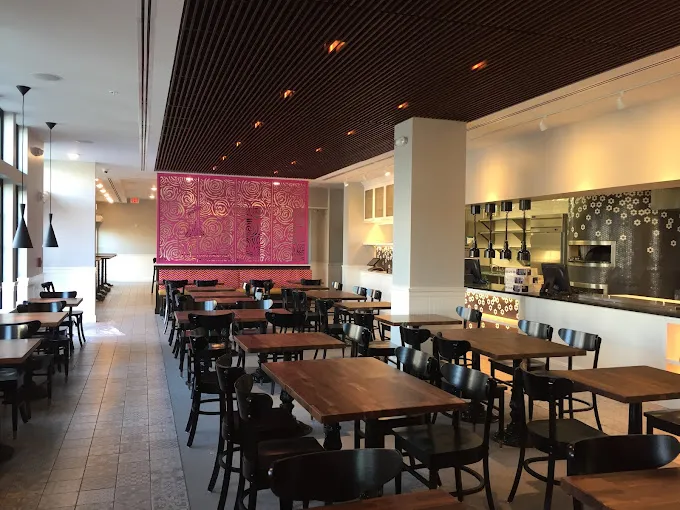
A company’s portfolio is your window into their capabilities. When you review their past work, look for more than just attractive photos. Pay attention to the diversity in their design styles, as this shows flexibility and a wide range of expertise. A strong portfolio should showcase successful outcomes and include testimonials from previous clients. These stories give you a sense of the firm’s reliability and how they handle the client experience. Reviewing a company's completed remodeling projects is a great way to gauge their commitment to quality and see if their work aligns with your standards.
How to Choose the Right Design-Build Company
Finding the right partner for your restaurant remodel is one of the most important decisions you'll make. This isn't just about finding a contractor; it's about finding a team that understands your vision, respects your budget, and has the specific expertise to bring a complex commercial space to life. To make sure you find the perfect fit, focus on their experience, financial transparency, communication style, and the answers they give to a few key questions.
Prioritize Restaurant Industry Experience
A restaurant is more than just a building; it’s a highly specialized environment. You need a team that gets the unique challenges of the food service industry. A firm with a deep portfolio of restaurant remodeling projects will understand the critical details, like designing an efficient kitchen workflow, ensuring ADA compliance, and meeting specific health and building codes in D.C. Their past work is the best indicator of their ability to deliver on your vision, so don't be afraid to ask for examples.
Align on Budget and Timeline
Before you sign any contracts, it’s essential to have a clear and honest conversation about money and scheduling. A great design-build firm will be transparent about costs from the very beginning. They should explain their bidding process, what’s included in their estimate, and how they handle allowances for items you’ll select later. One of the biggest advantages of the design-build model is that a dedicated project manager helps integrate budget considerations from day one, preventing costly surprises down the road.
Check Client References and Communication Style
You can learn a lot about a company by talking to its past clients. Ask for references from recent restaurant projects and take the time to make the calls. Ask about their experience with the team’s communication, professionalism, and problem-solving skills. Because a design-build project relies on seamless collaboration, a clear and consistent communication style is vital. You want a partner who keeps you informed and makes you feel like a valued member of the team throughout the entire remodeling process.
Key Questions to Ask During Your Consultation
Walking into your initial consultation prepared with the right questions will help you effectively evaluate each firm. This is your opportunity to understand their process and see if their approach aligns with your needs.
Here are a few essential questions to ask:
How do you handle the budget? What is included in your initial estimate versus what is covered by allowances?
Who will be my main point of contact, and who is the construction manager overseeing the project on-site?
Is your team responsible for securing all necessary engineering plans and permits?
Can you describe your process for quality control and how you address any issues that arise during construction?
What to Expect from the Design-Build Process
Once you’ve chosen your design-build partner, the real work begins. The process is typically broken down into distinct phases, each one building on the last. This structured approach keeps everyone aligned and ensures your project moves forward smoothly from concept to completion. Understanding these stages helps you know what’s happening, what’s needed from you, and what to expect next. It’s a collaborative journey where your ideas are translated into architectural plans and then brought to life. Let’s walk through the four key phases of a typical restaurant design-build project.
Phase 1: Initial Consultation and Vision
This first meeting is all about your big idea. It’s your chance to share your vision for the restaurant’s atmosphere, brand identity, and customer experience. The more clearly you can articulate what you want, the better your design-build team can translate it into a functional space. As one industry expert notes, "The sooner your vision is communicated, the more accurately the construction can reflect your brand." Come prepared with inspiration photos, menu concepts, and a clear idea of your target audience. This foundational conversation sets the tone for the entire restaurant remodeling project and ensures your final space truly feels like your own.
Phase 2: Design Development and Permits
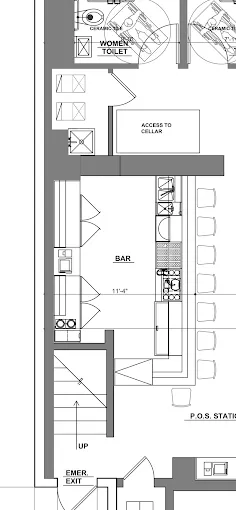
With your vision established, the team gets to work on the details. Architects and designers will create initial drawings, floor plans, and material selections. This is also when the budget gets refined. When planning for a restaurant remodeling project, it's important to consider design complexity, materials quality, labor costs, and potential permits. An experienced team will guide you through these choices, balancing aesthetics with practicality. A knowledgeable construction manager is essential here, as they will handle the complex process of securing the necessary permits and ensuring all designs comply with local D.C. codes and regulations.
Phase 3: Construction and Quality Control
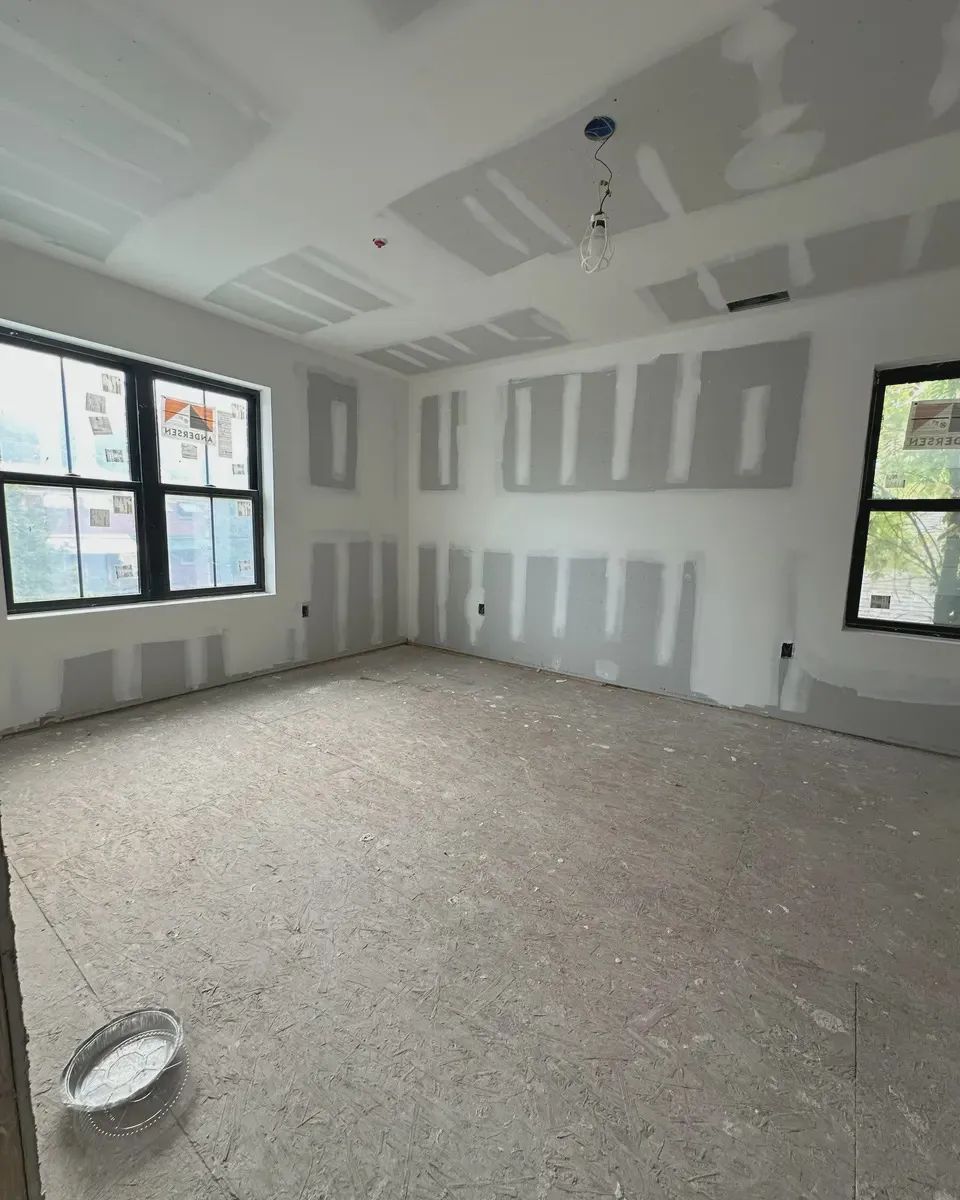
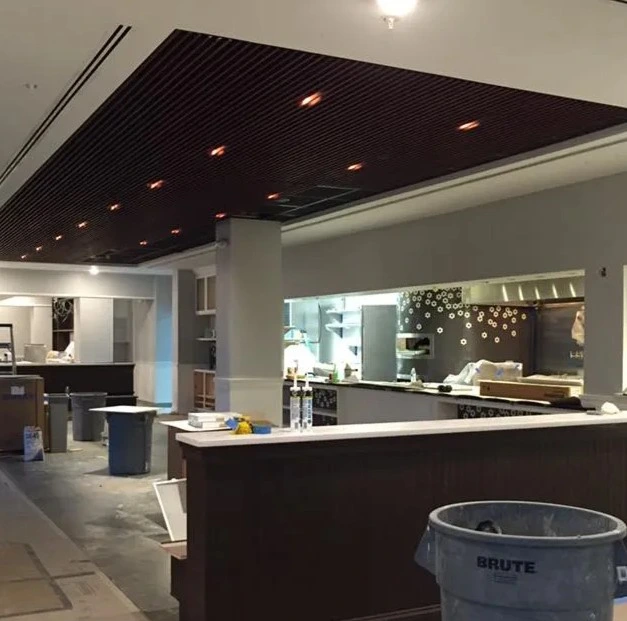
This is the most exciting phase, where you see your restaurant physically take shape. The construction team gets to work, turning blueprints into walls, fixtures, and finishes. Throughout this stage, consistent oversight is key to keeping the project on schedule and within budget. Hiring a professional construction manager for your project ensures efficient coordination, adherence to timelines, and careful budget management. They will oversee every detail, from framing and drywall to flooring and painting, making sure the quality of craftsmanship meets the highest standards. Regular updates will keep you informed as your vision becomes a reality.
Phase 4: The Final Walkthrough
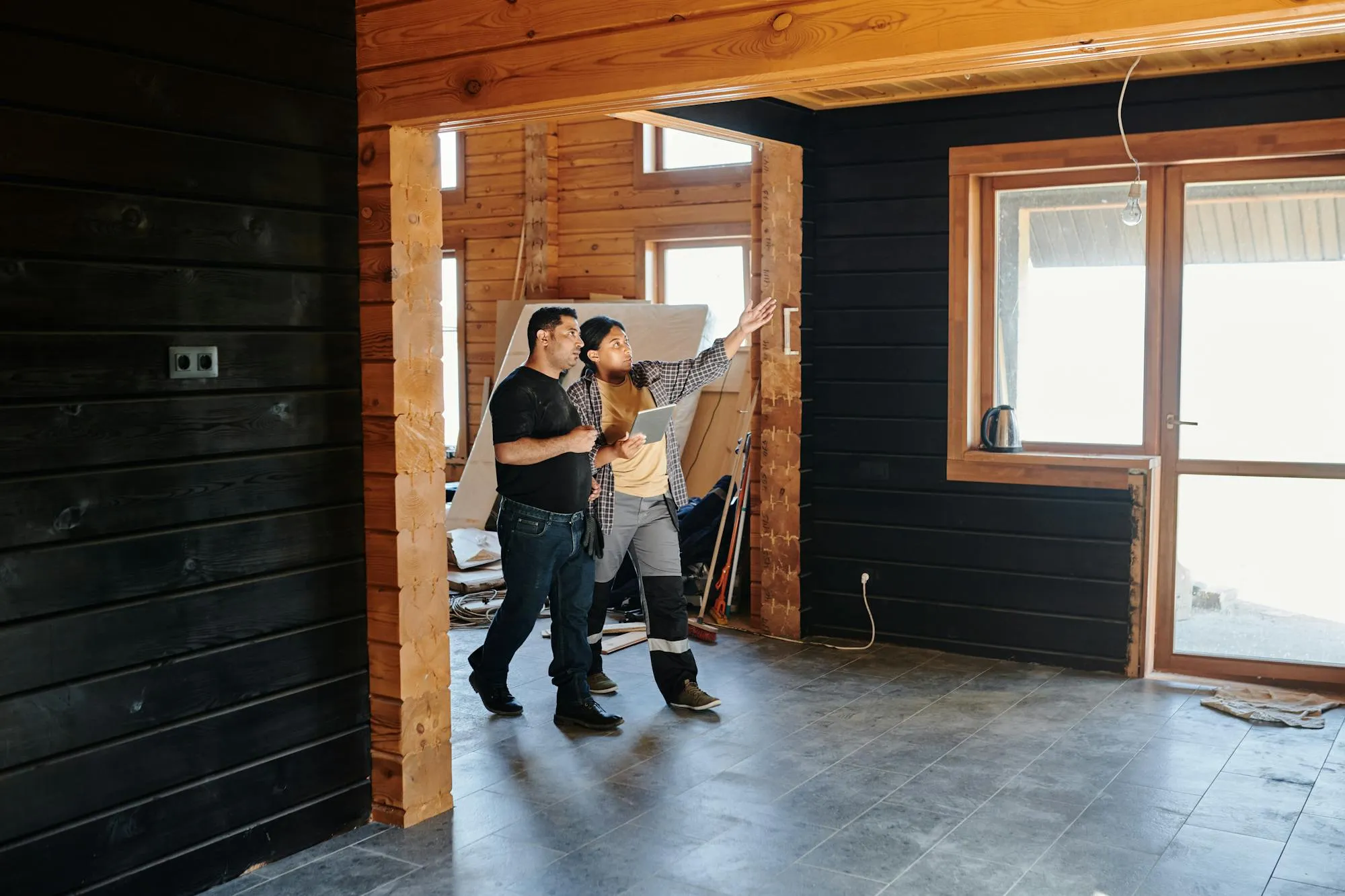
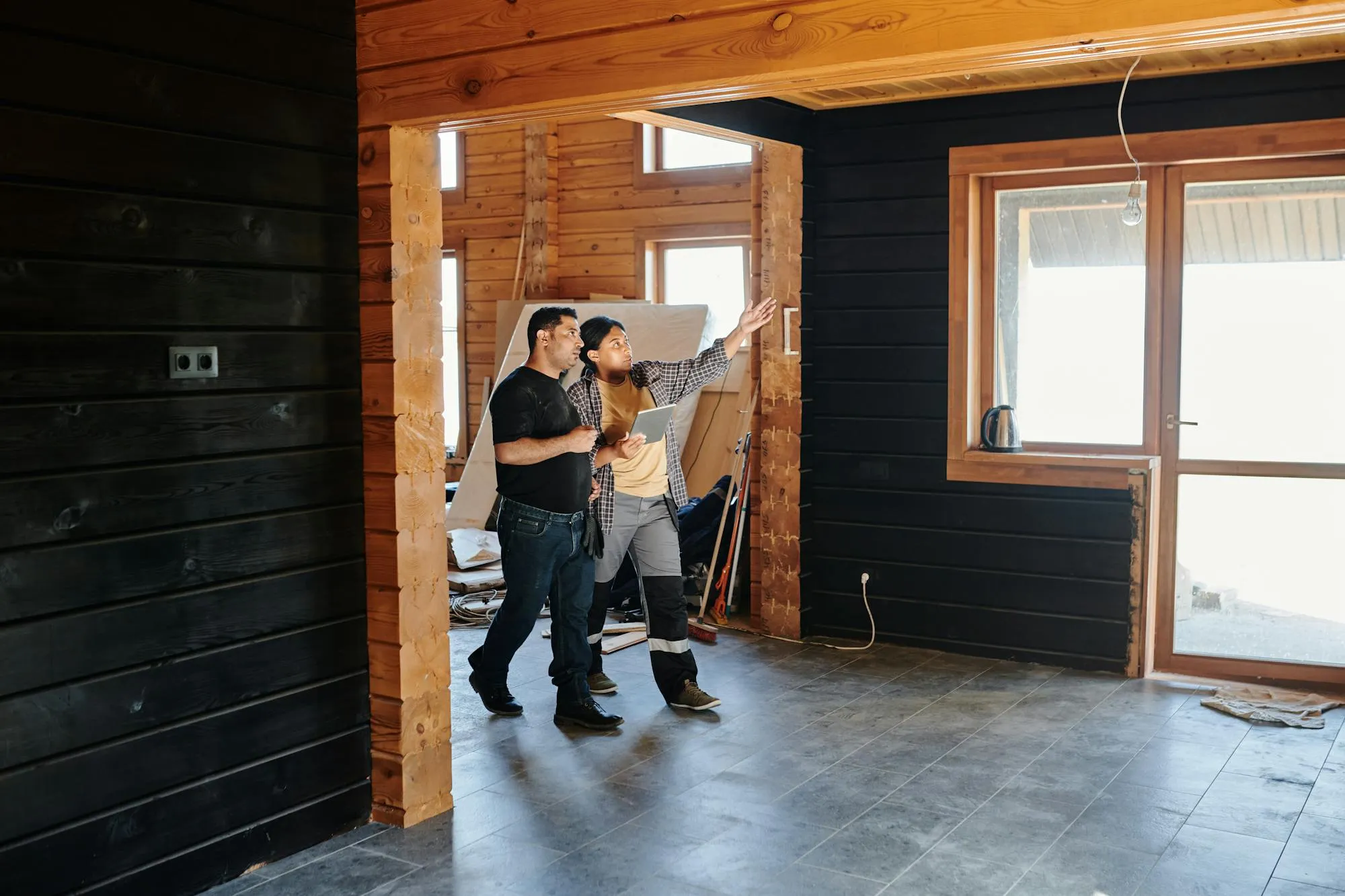
Before the keys are handed over, you’ll do a final walkthrough with your project manager. This is your opportunity to inspect every corner of the new space and ensure the work matches the plan and your expectations. You’ll check that fixtures are installed correctly, paint finishes are perfect, and all systems are functioning properly. This step is a testament to the team's unparalleled attention to detail and a dedication to customer satisfaction. It’s the last quality check before you officially take possession of your beautifully transformed restaurant, ready to welcome your first guests.
Common Challenges and How to Avoid Them
Even the most exciting restaurant project can hit a few bumps. From budget surprises to unexpected delays, knowing the common pitfalls is the first step to avoiding them. The right design-build partner will anticipate these issues and have a clear plan to keep your project on track. By focusing on transparency, realistic planning, and open communication from day one, you can ensure your restaurant's transformation is a smooth and successful process. Here’s how to handle the most frequent challenges.
Manage Your Budget with Transparency
Sticking to a budget is one of the biggest concerns in any construction project. The last thing you want is to finalize a design you love, only to find out it’s financially out of reach. A great design-build firm brings budget conversations to the table from the very beginning. Because the design and construction teams work together, they can price materials and labor as they design, helping you understand the financial trade-offs of your decisions in real time. This integrated approach to restaurant remodeling prevents costly surprises down the road. Look for a partner who offers a transparent, line-item budget and works with you to make choices that align with your financial goals without sacrificing your vision.
Set Realistic Timeline Expectations
In the restaurant industry, time is money. Every day your doors are closed is a day of lost revenue. A major advantage of the design-build model is its efficiency. Since the design and construction phases overlap and are managed by one team, projects are often completed faster. There’s no time wasted on back-and-forth between separate architects and contractors. When you meet with a potential firm, discuss your ideal opening date and ask for a detailed project schedule. A seasoned project manager will create a realistic timeline that accounts for design, permitting, construction, and even a little buffer time for those just-in-case moments, ensuring you can plan your grand opening with confidence.
Establish Clear Communication from the Start
When you have separate designers, architects, and contractors, you can feel like a switchboard operator, constantly relaying messages and trying to get everyone on the same page. This can lead to miscommunications, mistakes, and delays. The design-build approach simplifies everything by giving you a single point of contact. With one dedicated construction manager overseeing your project, you always know who to call with a question or concern. This streamlined communication means decisions are made quickly, and everyone on the team is working together from the same playbook. It reduces headaches for you and keeps the entire project moving forward cohesively.
Ensure Quality and Resolve Problems Quickly
Your restaurant’s design and construction quality directly impact your brand and customer experience. A design-build firm is fully accountable for both the design and the final build, which means they have a vested interest in getting every detail right. Before hiring a firm, carefully review their portfolio of past commercial construction projects and ask about their quality control process. Because the team is integrated, potential issues are often identified and resolved faster than in a traditional model. This collaborative problem-solving ensures high standards are maintained throughout the project, delivering a beautiful, functional, and durable space for your business to thrive in.
Related Articles
Frequently Asked Questions
Why should I choose a design-build firm instead of hiring an architect and a contractor separately? The biggest advantage is having one cohesive team responsible for your entire project. When you hire separately, you often have to act as the middleman between the designer and the builder. With a design-build firm, the architect, designer, and construction manager are all on the same team from day one. This streamlines communication, makes problem-solving much faster, and ensures that the design is created with your budget in mind from the very first conversation.
How much control will I have over the design and material choices? You will have a great deal of control. The design-build process is highly collaborative, and your vision is the starting point for everything. Your team's job is to translate your ideas into a functional and beautiful space. They will present you with options for floor plans, finishes, lighting, and materials, offering expert guidance on what will work best for your concept, budget, and daily operations. You make the final decisions at every key stage.
How does a design-build firm help keep the project on budget? Because the construction experts are involved during the design phase, they can provide real-time cost estimates for different ideas and materials. This prevents the common problem of falling in love with a design that turns out to be too expensive to build. If a specific element is pushing the budget, the integrated team can immediately suggest creative alternatives that achieve a similar look and feel without the high price tag, keeping you on track financially.
What is my role as the restaurant owner during the construction phase? Your primary role is to be the decision-maker, but you won't be bogged down with daily management. Your project manager will handle the on-site coordination, scheduling, and problem-solving. You can expect regular updates and meetings to review progress and approve key milestones. Your involvement is crucial, but the goal is to let you focus on your business while your team handles the complexities of the build.
How long does a typical restaurant remodeling project take from start to finish? The timeline for a restaurant remodel can vary significantly based on the project's size, the complexity of the design, and how long it takes to secure permits. A simple cosmetic update might take a few months, while a complete gut renovation or new build could take much longer. A reliable design-build partner will provide you with a detailed and realistic project schedule during the planning phase so you know exactly what to expect.