
How to Vet Restaurant Remodeling Contractors
The thought of a major renovation can be stressful. Visions of blown budgets, endless delays, and operational chaos are enough to keep any owner up at night. But these common fears don’t have to be your reality. The difference between a smooth, successful project and a frustrating ordeal often comes down to a single decision: the contractor you hire. A great restaurant renovation company does more than just swing hammers; they anticipate problems, manage complex schedules, and communicate clearly every step of the way. This guide is designed to help you find a reliable partner who can prevent the headaches and deliver a beautiful, functional space.
Key Takeaways
Hire a restaurant specialist, not a generalist: Your project requires a team that understands the unique challenges of food service, from commercial kitchen compliance and ventilation to creating an efficient workflow. Look for a contractor whose portfolio is filled with successful restaurant remodels.
Create a detailed plan to guide the project: A successful renovation starts with a clear roadmap. Outline your specific requirements, establish a realistic budget with a 10-20% contingency fund for surprises, and use visual aids like mood boards to communicate your aesthetic vision.
Vet your partner and establish clear communication: Protect your investment by asking for proof of insurance and speaking with past clients. Before signing a contract, agree on a regular schedule for updates to ensure you, your project manager, and the construction team are always aligned.
What Does a Restaurant Renovation Company Actually Do?
When you think about a restaurant remodeling project, you might picture swinging hammers and fresh coats of paint. While that’s part of it, a full-service renovation company handles much more than just the construction. They are your partner from the initial idea to the final inspection, managing every detail to ensure your vision comes to life smoothly and successfully. A great company takes the weight off your shoulders by overseeing the entire process, letting you focus on what you do best: running your business. They coordinate the design, build-out, and all the complex logistics in between, turning a potentially chaotic process into a streamlined project.
Design and Space Planning
Before any walls come down, a renovation company helps you perfect the blueprint. This involves more than just picking out new decor. They focus on creating a space that balances your brand's story with operational efficiency. The layout, lighting, and overall flow are designed to create an unforgettable dining experience for your guests while ensuring your staff can work effectively. A successful remodeling plan considers everything from where to place tables for maximum comfort to how to design a workflow that keeps the kitchen running smoothly during a dinner rush. It’s about building an environment that looks great and functions even better.
Kitchen and Equipment Installation
The heart of any restaurant is its kitchen, and renovating it is a specialized task. A professional renovation company has the expertise to handle the complexities of commercial kitchen installations. They ensure that every piece of equipment, from ovens to ventilation systems, is installed correctly and meets all legal health and safety standards. This isn't just about hooking up appliances; it's about creating a functional, high-performance workspace tailored to your menu and staff. Whether you're updating an existing kitchen or building a new one from scratch, their experience in commercial construction is essential for getting the job done right.
Handling Permits and Code Compliance
One of the biggest headaches of any renovation project is dealing with permits and regulations. A restaurant renovation is a complex project, and unexpected building issues or code violations can quickly derail your timeline and budget. An experienced renovation company manages this entire process for you. They understand local D.C. building codes and zoning laws, ensuring your project is fully compliant from the start. They handle the paperwork, schedule inspections, and communicate with officials, saving you from the bureaucratic maze and preventing costly delays. This expertise is invaluable for keeping your project on track.
Project Management and Construction
Throughout the renovation, your contractor acts as the central hub for all activity. A dedicated project manager is responsible for coordinating every aspect of the construction phase. This includes scheduling specialized trades like plumbers and electricians, managing material orders, and overseeing the daily work on-site. Clear communication is key. They provide regular updates, address any issues that arise, and ensure all stakeholders are on the same page. This hands-on management ensures the project sticks to the agreed-upon timeline and budget, transforming your detailed plan into a tangible reality without the stress of you having to manage it yourself.
How to Choose the Right Restaurant Renovation Company
Finding the right partner for your restaurant renovation is one of the most important decisions you’ll make. This isn’t just about finding a builder; it’s about finding a team that understands the unique rhythm of the food service industry, from the flow of the front of house to the complex mechanics of a commercial kitchen. A great renovation can redefine your brand, improve your team's efficiency, and create an unforgettable experience for your guests.
When you start your search, you’ll want to look beyond a simple price quote. Focus on four key areas: their specific experience with restaurants, the quality of their past work, their communication style, and their approach to budgeting. A contractor who excels in these areas will be invested in creating a space that not only looks incredible but also functions flawlessly for your staff and guests. Choosing a contractor with extensive experience with restaurant renovations ensures you’ll be in safe hands when it comes to managing timelines and reducing potential disruptions. This careful vetting process will set the foundation for a successful project that helps your business thrive.
Vet Their Commercial Food Service Experience
Not all commercial construction is the same. A team that builds office spaces might not understand the specific requirements for kitchen ventilation, grease traps, or health code compliance. Look for a company that specializes in restaurant remodeling and can speak confidently about the challenges unique to your industry. They should be familiar with designing efficient workflows for your kitchen staff, creating durable yet inviting dining areas, and installing specialized equipment. This expertise is what prevents costly mistakes and ensures your new space operates as good as it looks from day one. Ask them directly about their experience with projects similar to yours in size and scope.
Review Their Portfolio and Licensing
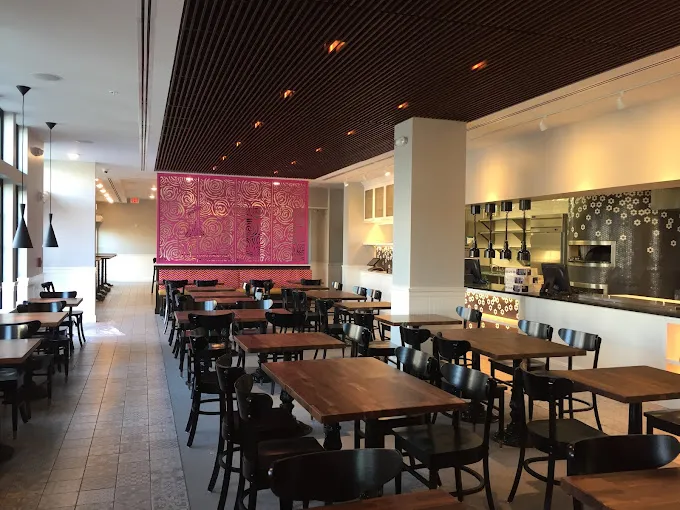
A contractor’s portfolio is their resume. As you review their past projects, look for evidence that they understand how to create a functional and appealing atmosphere. After all, a successful restaurant design blends aesthetics, efficiency, and comfort. Do their finished spaces look like places you’d want to dine in? Pay attention to the quality of the finishes, the lighting, and the overall layout. Beyond the visuals, always verify that the company holds the proper licenses and insurance for commercial work in the D.C. area. This is a non-negotiable step that protects your investment and your business from liability.
Assess Their Communication and Project Management Style
Even the best renovation plan can fall short without clear communication. During your initial conversations, pay close attention to how a potential contractor listens and responds to your questions. A great partner will establish a clear line of communication from the start, whether it’s through a dedicated project manager or regular scheduled check-ins. Ask about their process for providing updates and handling unexpected issues. You want a team that is proactive and transparent, so you’re never left wondering about the status of your project. This open dialogue is the key to a low-stress renovation experience.
Demand Budget Transparency and a Reliable Timeline
A trustworthy contractor will provide a detailed, itemized bid that breaks down all the anticipated costs, from materials and labor to permits. Be wary of anyone who gives you a single, vague number. Unexpected issues can always arise, so it’s important to understand how the company handles change orders and potential budget overages before you sign a contract. As one expert notes renovation costs can quickly go up if you don't plan well. A realistic timeline is just as critical. Your contractor should understand that every day your doors are closed is a day of lost revenue, and their schedule should reflect that urgency.
What to Look for in a Renovation Company's Portfolio
A company’s portfolio is your first real look into their work. It’s more than just a collection of pretty pictures; it’s a resume of their experience, a showcase of their skills, and a testament to their ability to deliver. When you’re flipping through a gallery of past projects, you’re not just looking for a style you like. You’re looking for proof that they can handle the unique demands of a restaurant build-out. A great portfolio should give you confidence in a company's ability to manage complex commercial construction and turn a vision into a functional, beautiful space. Pay close attention to the details, because they tell the real story of a contractor’s capabilities.
Specialization in the Restaurant Industry
A restaurant isn't just a commercial space; it's a highly specialized environment with specific operational needs. When reviewing a portfolio, look for a clear focus on restaurant remodeling. A general contractor might show you beautiful office spaces or retail stores, but that doesn’t prove they understand the complexities of commercial kitchen ventilation, grease traps, or health code compliance. A specialized portfolio will feature dining rooms, bars, and commercial kitchens, demonstrating a deep understanding of workflow, customer experience, and the technical requirements of the food service industry. This kind of focused experience is what separates a smooth project from a stressful one.
Quality of Craftsmanship and Design
This is where you get to be a detective. Look closely at the photos and assess the quality of the work. Are the tile lines straight? Do the paint edges look clean? Does the custom millwork fit perfectly? High-quality photos should allow you to see these details. A strong portfolio will display a range of projects that showcase excellent craftsmanship across different materials and styles. It should also reflect a good sense of design, proving the company can create a space that is not only durable and functional but also has the right atmosphere to attract and retain customers.
Client References and Project Results
A portfolio shows you the finished product, but references tell you about the process. Look for testimonials, case studies, or a list of past clients in the portfolio. A reputable company will be proud of their work and happy to connect you with previous customers. Don't hesitate to ask for references from restaurant projects similar to yours. Speaking with a former client gives you invaluable insight into the company’s communication style, budget management, and problem-solving skills. A dedicated project manager is key to a successful outcome, and hearing from others is the best way to confirm you’re in good hands.
Understanding Restaurant Renovation Costs
Thinking about a restaurant remodeling project is exciting, but the budget is often the biggest question mark. Costs can swing dramatically based on your vision, the condition of your space, and the scope of work. Getting a handle on the potential expenses from the start is the best way to plan a successful renovation that doesn't break the bank. Let's walk through the main cost categories you should expect so you can build a realistic budget.
Breaking Down Cost Per Square Foot
A common way to estimate renovation costs is by looking at the price per square foot. For restaurants, this typically falls between $150 and $600. A light, front-of-house refresh with new paint, lighting, and furniture might land in the $150 to $250 per square foot range. If you’re planning a partial renovation that touches both the dining area and parts of the kitchen, you can expect to spend around $250 to $400 per square foot. For a complete overhaul, a full gut renovation of both the front and back of the house, costs can easily exceed $400 to $600 per square foot, especially for high-end finishes and complex commercial construction.
Factoring in Labor and Specialized Trades
Labor is a major slice of any renovation budget. General construction and carpentry work usually run from $50 to $150 per hour. However, restaurants require specialized trades that come at a higher rate. You can expect to pay electricians between $90 and $200 per hour, while plumbers might charge from $100 to $225 per hour. Given the complex systems in a commercial kitchen, HVAC and mechanical work can be even pricier, ranging from $120 to $250 per hour. An experienced construction manager is essential for coordinating these experts, ensuring the work is done correctly and efficiently.
Accounting for Permits and Hidden Expenses
Beyond the visible construction, there are other significant costs to plan for. Securing the necessary permits for a commercial renovation can range from $3,000 to over $20,000, depending on your project's scope and local D.C. regulations. It’s also smart to prepare for the unexpected. Hidden issues like old wiring or plumbing problems can pop up once walls are opened. It’s a good rule of thumb to set aside a contingency fund of 10% to 20% of your total project cost to cover these potential change orders. This buffer will help your remodeling project stay on track without financial stress.
Planning for Lost Revenue During Closure
One of the most overlooked costs of a restaurant renovation is the revenue you'll lose while your doors are closed. Depending on your restaurant's typical earnings and how long the renovation takes, this loss could be anywhere from $10,000 to over $100,000. This figure needs to be a line item in your total renovation budget. Working with a reliable company that has a dedicated project manager is key. A team that can create and stick to a tight, efficient timeline will minimize your downtime and get you back to serving customers as quickly as possible.
Common Challenges to Prepare For
A restaurant renovation is an exciting project, but it’s smart to go in with your eyes wide open. Even with a perfect plan, you can run into a few common roadblocks. Knowing what to expect helps you prepare for these hurdles, keeping your project on track and your stress levels in check. From navigating city paperwork to keeping your doors open during construction, a little foresight goes a long way. Let’s walk through some of the biggest challenges you might face and how to handle them.
Permit Delays and Code Compliance Hurdles
Getting the right permits is a critical step, and it’s often where the first delays happen. In the D.C. area, securing the necessary approvals can be a complex process that takes time. Permitting costs can range from a few thousand dollars to over $20,000, depending on the scope of your project. These aren't just suggestions; they are legal requirements for safety and accessibility. An experienced construction manager who understands local building codes can be your greatest asset here. They can prepare and submit paperwork correctly, helping you avoid common mistakes that lead to frustrating and costly delays.
Managing the Budget and Timeline
It’s easy for renovation costs to swell if you don’t have a solid plan. Unexpected issues, like discovering old wiring or plumbing problems once the walls are open, can quickly add to your expenses. That’s why it’s so important to build a contingency fund (usually 10% to 20% of your total budget) from the very beginning. A detailed contract that clearly outlines every aspect of the project is also essential. Working with a company that has a deep portfolio in restaurant remodeling ensures you get a realistic budget and timeline from the start, minimizing surprises along the way.
Minimizing Disruptions to Your Operation
If you plan to stay open during the renovation, your main goal is to keep disruptions to a minimum for both your staff and your customers. This requires careful, phased planning. You can manage customer expectations by communicating clearly about the renovation, offering a special discount, or even creating a fun theme around the construction. Choosing a contractor with extensive experience in commercial construction is key. They will know how to manage timelines effectively, section off work areas safely, and schedule the noisiest work for off-hours, helping you maintain business continuity as much as possible.
How to Communicate Your Vision to a Contractor
Once you’ve chosen a renovation company, the next critical step is clearly communicating your vision. This is where your dream for a new dining space begins to take shape. Effective communication is the foundation of a successful project, ensuring that what you’ve imagined is what gets built. A great contractor wants to understand your goals completely, so don’t be shy about providing details. Think of your contractor as your partner in bringing this vision to life.
The goal is to leave no room for assumptions. From the overall ambiance to the smallest details of the finishings, every element should be discussed and documented. When you provide a clear and comprehensive brief, you empower your construction team to execute your plan accurately and efficiently. A dedicated project manager will use this information as a guidepost for the entire renovation, helping to keep the project on schedule and aligned with your expectations. Taking the time to prepare your ideas will save you time, money, and stress down the road.
Develop Clear Project Requirements
Before your first meeting, take the time to write down everything you want for your restaurant. This document should go beyond a general idea and outline specific requirements. Detail the new floor plan, list the types of materials you prefer for flooring and countertops, and specify the finishes for walls and fixtures. The more detailed you are, the better. Once you’ve finalized your renovation plan, it becomes the official guide for the project. This clarity helps your contractor provide an accurate quote and a realistic timeline for your restaurant remodeling project, preventing misunderstandings from the start.
Use Visual Aids and Design Examples
Words can be subjective, but visuals create a shared understanding. Create a mood board or a digital folder with images that capture the look and feel you’re after. Use platforms like Pinterest or pull pages from design magazines. These visuals help translate your brand’s personality and style into a tangible design concept. A well-curated collection of images showing lighting, color palettes, furniture, and textures will give your contractor a concrete understanding of your aesthetic. This ensures the final design enhances your restaurant’s ambiance and aligns perfectly with your vision.
Establish a Schedule for Check-ins and Updates
Even the best renovation plan can fall short without consistent communication. From the beginning, agree on a schedule for regular updates. This could be a weekly on-site meeting, a daily check-in via text, or a bi-weekly phone call. Establishing this rhythm ensures you stay informed about progress and can address any issues promptly. Regular check-ins maintain clarity and keep the project moving forward smoothly. A professional construction manager will appreciate this structure, as it helps keep everyone aligned and accountable throughout the renovation process.
Key Questions to Ask Potential Renovation Companies
Once you have a shortlist of potential contractors, it’s time to start the interview process. Think of this as hiring a key partner for your business, because that’s exactly what it is. The right questions will help you look past the sales pitch and understand how a company truly operates. Asking direct, specific questions about their experience, processes, and credentials is the best way to find a team you can trust to bring your vision to life while protecting your investment.
Inquire About Their Experience and Specialization
Not all construction experience is created equal. A contractor who primarily builds decks or remodels bathrooms won’t understand the unique complexities of a commercial kitchen. When choosing a contractor for your restaurant remodeling project, it’s crucial to select one with extensive experience in this specific area. Ask them to walk you through similar projects they’ve completed. How many restaurants have they renovated in the D.C. area? Do they understand the specific plumbing, ventilation, and electrical needs of a commercial food service business? A specialized contractor is better equipped to manage timelines and minimize potential disruptions during the renovation.
Clarify Expectations for Timeline, Budget, and Communication
Even the best renovation plan can fall short without clear communication. Before signing any contracts, you need to know how a company will keep you in the loop. Ask about their communication process. Who will be your main point of contact? How often can you expect updates? It’s essential to establish expectations regarding the timeline and budget upfront to ensure that everyone is on the same page. A dedicated project manager should provide a detailed schedule with key milestones and a transparent budget breakdown, helping you avoid any surprises down the line.
Ask for Proof of Insurance and References
This step is non-negotiable. Before hiring a renovation company, always ask for proof of insurance and references. A reputable contractor will be happy to provide this information. Specifically, you need to see their certificate of liability insurance and proof of workers' compensation. This protects you from being held responsible for accidents on your property. When you call their references, ask specific questions: Did the project stay on budget? Was it completed on time? How did the team handle unexpected challenges? This feedback gives you peace of mind and helps you gauge their reliability and quality of work.
How to Set Your Renovation Up for Success
Hiring the right renovation company is a huge step, but your work isn’t done yet. A successful restaurant remodel depends just as much on your preparation as it does on your contractor’s execution. By laying a solid foundation before the first wall comes down, you can ensure the project runs smoothly, stays on budget, and results in the space you envisioned. Think of it as your project’s mise en place; getting everything in order beforehand makes the entire process more efficient and less stressful.
Create a Comprehensive Project Plan
A detailed project plan is your roadmap for the entire renovation. This document should go beyond just design aesthetics and include a clear scope of work, a realistic timeline with key milestones, and a breakdown of every task. Think through the operational flow of your new space. How will the layout affect your staff’s efficiency? Where will new equipment be installed for optimal workflow? A dedicated project manager can help you map out these details, ensuring nothing is overlooked. Once you’ve finalized your plan, it becomes the single source of truth that keeps you and your construction team perfectly aligned from start to finish.
Set a Realistic Budget and Contingency Fund
No one likes financial surprises, especially during a major renovation. Your budget should be thorough, but it also needs to be realistic. This means planning for the unexpected. We always advise clients to set aside a contingency fund of 10% to 20% of the total project cost. This buffer is essential for covering unforeseen issues, like discovering outdated wiring or plumbing problems, which can be common in older D.C. buildings. An experienced restaurant remodeling partner will provide a transparent and detailed quote, but having that extra cushion gives you peace of mind and prevents a small issue from derailing your entire project.
Coordinate with Your Staff and Suppliers
Even the best renovation plan can fall short without clear communication with your stakeholders. Your team and suppliers are the lifeblood of your business, so keep them in the loop. Inform your staff about the renovation schedule, how it will affect their work, and what to expect when you reopen. You’ll also need to coordinate with your food and beverage suppliers to pause or adjust deliveries. Proactive communication prevents confusion, manages expectations, and ensures everyone is ready for a smooth transition back to business. A contractor with a background in commercial construction will understand these operational needs and work with you to minimize disruptions.
Why Partner With Pinkney Services for Your Restaurant Renovation?
Choosing the right renovation partner is one of the most important decisions you'll make for your restaurant. You need a team that understands the unique challenges of the food service industry, from complex kitchen layouts to strict health codes. It’s about more than just a new coat of paint; it’s about creating an experience for your guests and an efficient workspace for your team. We get that, and our approach is built around bringing your vision to life while respecting your budget, timeline, and daily operations.
Our Expertise in Commercial Construction
Renovating a restaurant isn't like a home remodel. It requires a deep understanding of commercial-grade materials, ventilation systems, plumbing, and electrical needs specific to a high-traffic kitchen and dining area. Our team specializes in commercial construction, which means we know exactly how to handle these complexities. We manage everything from the initial design and space planning to securing the right permits, ensuring your new space is not only beautiful but also fully compliant and built to last. We’ve transformed business spaces across Washington D.C., helping owners create functional, inviting environments that meet modern standards.
Dedicated Project Management in the D.C. Metro Area
We know that every day your doors are closed is a day of lost revenue. That’s why our process is centered on minimizing disruption to your business. You’ll work with a dedicated project manager who serves as your single point of contact from start to finish. They are responsible for keeping the project on schedule and within budget, coordinating all the moving parts so you don’t have to. Our team works closely with you throughout the entire process, making sure every detail aligns with your vision and operational needs. This hands-on management style is how we deliver exceptional results for our clients in the D.C. metro area.
Custom Solutions for Food Service Businesses
Your restaurant has a unique brand and a specific clientele, and your space should reflect that. We don’t believe in one-size-fits-all solutions. Instead, we provide custom restaurant remodeling services tailored to your specific goals. Whether you need to optimize your kitchen workflow for better efficiency or create a standout ambiance that keeps guests coming back, our design and construction experts are here to help. We take the time to understand your business, your customers, and your brand identity to create a space that is both highly functional and truly memorable.
Related Articles
Frequently Asked Questions
How can I keep my renovation costs from getting out of control? The best way to manage your budget is through detailed planning before any work begins. A trustworthy contractor will provide an itemized bid that breaks down all costs, which helps you see exactly where your money is going. It's also smart to set aside a contingency fund, typically 10% to 20% of the total project cost, to cover any unexpected issues that might pop up. This preparation prevents small surprises from turning into major financial problems.
What's the most important factor that determines the project timeline? While many things can affect a timeline, the project's scope is the biggest factor. A simple cosmetic update will be much faster than a full gut renovation that involves moving walls and reconfiguring the kitchen. Securing the necessary permits in the D.C. area can also take time, so starting that process early is key. Your ability to make decisions quickly on materials and finishes also helps keep the project moving forward without delay.
Is it really possible to stay open during a renovation? Yes, it can be done, but it requires careful and strategic planning with your contractor. This usually involves a phased approach where work is completed in sections to minimize disruption. Your contractor might schedule the loudest work for off-hours and use temporary walls to keep construction dust contained. Clear communication with your customers about the ongoing work is also essential for managing their expectations.
Why can't I just hire a general contractor who does home remodels?A restaurant is a highly specialized commercial environment, not a home. It has unique requirements for ventilation, plumbing, electrical systems, and health code compliance that a residential contractor likely won't understand. A company that specializes in restaurant renovations knows how to design for operational workflow, install commercial-grade equipment correctly, and handle the specific permits needed for a food service business.
What's the one thing I can do to make the whole process smoother for my contractor and me?Clear and consistent communication is the single most important thing you can bring to the project. Start by providing a detailed plan and visual examples of what you want to achieve. Then, establish a regular check-in schedule with your project manager. When you and your contractor are aligned and talking openly, you can solve problems quickly and ensure the final result perfectly matches your vision.