Siding Replacement Estimate: A Cost Breakdown
Getting a quote for new siding can feel like trying to read a secret code. You see a big number at the bottom, but what does it all really mean? A comprehensive siding replacement estimate is much more than just the price of the panels; it’s a detailed breakdown of every single component, from the cost of labor and specific materials to necessary permits and final cleanup. Understanding these elements is the key to feeling confident in your decision. It helps you see exactly where your money is going and why costs can vary so much from one contractor to the next. This guide will walk you through each line item, so you can read any estimate like an expert.
Key Takeaways
An estimate is more than just the siding: A professional quote will detail every cost, including labor, old siding disposal, necessary prep work, and permits. This transparency is key to comparing offers fairly and avoiding surprise fees.
Vet your contractor as carefully as you choose your materials: The lowest price often comes with risks. Protect your investment by verifying each contractor's license and insurance, reading recent reviews, and confirming they offer strong warranties for both materials and their own workmanship.
Plan ahead to manage your project costs: You have several ways to make your siding replacement more affordable without sacrificing quality. Consider scheduling the work in the off-season for potential savings, researching financing options early, and choosing durable materials that offer long-term value.
What Goes Into a Siding Replacement Estimate?
When you get a quote for newsiding, you’re looking at more than just the price of the panels. A comprehensive estimate is a detailed breakdown of all the moving parts that go into transforming your home's exterior. Understanding these components helps you see exactly where your money is going and why costs can vary from one project to the next. From the materials you choose to the specific challenges of your home’s design, several key factors come together to form that final number. Let's walk through what a professional contractor considers when building your
Breaking Down Material vs. Labor Costs
It might surprise you to learn that labor often makes up the largest portion of a siding replacement bill—sometimes as much as 50% to 70% of the total project cost. This is because proper installation is a skill that protects your investment and ensures your home is shielded from the elements. Your estimate will also include the cost of thesidingmaterial itself, plus any necessary extras like trim, corner pieces, and fasteners. Don't forget to account for the removal and disposal of your old siding, as well as any permits required in your area. It’s a complete package, not just a simple product purchase.
How Location Impacts Your Estimate
Where you live plays a significant role in the cost of your siding project. Material and labor prices can differ quite a bit across the Washington, D.C. area, influenced by local market rates, supplier availability, and regional building codes. Just as the cost of living can vary from one neighborhood to another, so can the expenses associated with a majorremodelingproject. A contractor’s estimate will reflect these local conditions, ensuring all pricing is accurate for your specific address. This is why getting a custom quote tailored to your home and location is always the best approach.
Why Project Complexity Matters
No two houses are exactly alike, and the unique features of your home will influence the final cost. A simple, one-story rectangular house is much easier to side than a three-story home with complex angles, dormers, and turrets. The more cuts and custom fittings required, the more time and skill are needed from the installation crew. If your old siding is difficult to remove—like stucco, for instance—that will also add to the labor costs. A dedicatedproject managerwill assess your home’s architecture and accessibility to account for these details in your estimate.
Key Factors That Influence Your Siding Estimate
When you get asidingestimate, you'll see it's more than just the cost of the material. Several key factors come together to determine the final price. Understanding these elements helps you see exactly where your money is going and why one quote might differ from another. Let's walk through the main components that shape your project's cost, so you can feel confident when reviewing your proposal.
Your Home's Size and Square Footage
It probably goes without saying, but the bigger your home, the more your siding project will cost. Contractors typically pricesidingjobs by the square foot, which covers both materials and labor. Costs can range anywhere from $4 to over $30 per square foot, depending heavily on the material you choose and your home's specific needs. A straightforward calculation of your home's exterior surface area gives us the starting point for your entire estimate, making it the single most significant factor in the budget. This is why an accurate measurement is the first step in any siding project.
Siding Removal and Disposal
If you're replacing existing siding, we first have to account for taking off the old material. This isn't just a quick tear-down; it requires careful work to avoid damaging the structure underneath. The cost for removal and disposal can add between $1,000 and $3,000 to your project. This price can also change based on what we're removing—for example, materials like stucco are more labor-intensive to take down than vinyl. Your estimate should clearly list this as a separate line item so you know exactly what to expect before the work begins.
Necessary Structural Repairs and Prep Work
Sometimes, the real work begins after the old siding comes off. What we find underneath can impact the project's scope and budget. It’s not uncommon touncover hidden issueslike wood rot, mold, or water damage that must be addressed before any new siding can be installed. A thorough initial inspection helps anticipate some of these problems, but it’s wise to have a small contingency fund set aside. Taking care of these repairs properly ensures your new siding has a solid, healthy foundation to protect your home for years to come.
Your Home's Design and Accessibility
The shape and style of your home play a big role in labor costs. A simple, two-story colonial is much more straightforward to side than a Victorian with turrets, gables, and intricate trim. Every corner, window, and architectural detail requires precise cuts and careful installation, which adds to the time and skill involved. Similarly, if your home is on a steep hill or has extensive landscaping ordecks and patiosright up against the walls, it can make it harder for our crew to set up and work safely, which can also influence the final cost.
A Look at Siding Materials and Their Costs
Choosing the rightsidingfor your home is a big decision, and the material you pick plays the largest role in your total project cost. From budget-friendly vinyl to classic wood and durable fiber cement, each option comes with its own price tag and set of benefits. Let's walk through some of the most popular
The Costs and Benefits of Vinyl Siding
Vinyl is easily the most popular siding choice, and for good reason—it's the most affordable option on the market. You can typically expect to pay between $4.50 and $8.20 per square foot for professional installation. Because it's so budget-friendly, vinyl makes it possible to give your home a fresh, clean look without a massive financial commitment. It’s a practical, low-maintenance choice that comes in a huge variety of colors and styles, making it a versatile fit for many D.C. homes. If you're looking for a cost-effectivesidingsolution, vinyl is definitely worth considering.
Investing in Fiber Cement Siding
If you're looking for a material that offers incredible durability and a high-end look, fiber cement is an excellent investment. While the upfront cost is higher—usually between $8 and $15 per square foot installed—it pays off in the long run. Fiber cement is resistant to rot, fire, and pests, and it holds paint much longer than wood, meaning less maintenance for you. This durability not only saves on future replacement costs but can also increase your home's resale value. It's a smart upgrade that adds both beauty and resilience to your property, making it a great choice for anyremodelingproject.
The Price of Wood Siding
There's nothing quite like the classic, natural beauty of wood siding. It offers a timeless charm that can make any home feel warm and inviting. The cost for wood siding generally falls between $6.90 and $13.90 per square foot installed. The main thing to keep in mind with wood is that it requires consistent maintenance. You'll need to stain or paint it regularly to protect it from moisture, rot, and insects. For homeowners who love the aesthetic and are prepared for the upkeep, wood siding is a beautiful choice that adds incredible character to outdoor spaces, much like customdecks and patios.
Exploring Metal and Other Premium Options
Beyond the big three, there are other fantastic materials to consider. Metal siding, including aluminum, is a durable and surprisingly eco-friendly option, typically costing between $5.60 and $10.30 per square foot installed. It's low-maintenance and stands up well to harsh weather. For a truly show-stopping look, stone veneer offers unmatched texture and elegance, though it's a premium choice at around $14.16 per square foot. Because it's so heavy, stone veneer requires expert installation to ensure it's secure. These high-end materials are often featured innew custom homeswhere homeowners want a unique and lasting finish.
How to Calculate Square Footage for Your Siding Project
Getting a handle on your home's square footage is one of the best first steps you can take when planning asidingreplacement. While a professional contractor will always take their own precise measurements, doing a preliminary calculation yourself helps you understand the scope of your project and make sense of the estimates you receive. It puts you in a better position to discuss your budget and material needs. Think of it as your homework before the big test—it prepares you for a more confident conversation. Ready to grab a tape measure? Let's walk through the three simple steps to get a solid estimate of how muchsidingyour home will need.
Measure Your Exterior Walls
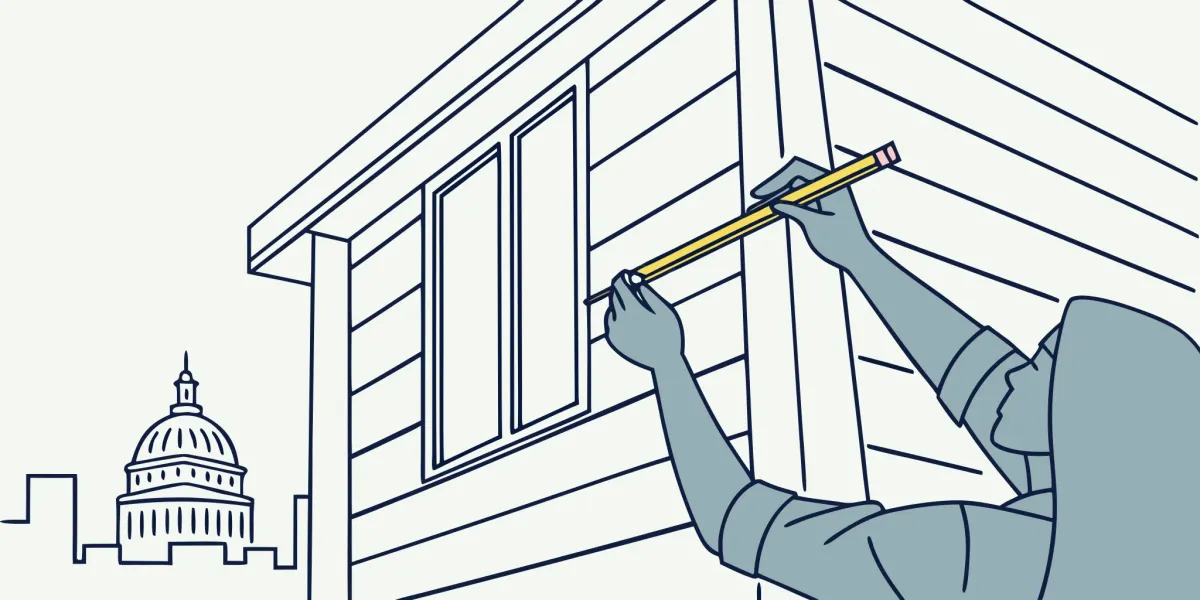
First, you'll need to find the total surface area of your exterior walls. The easiest way to do this is tomeasure the total length of all your home's walls and multiply that by the height of your house, from the foundation to the roofline. For example, if your home has four walls, each 40 feet long, your total perimeter is 160 feet. If your house is 20 feet tall, your total wall area is 3,200 square feet (160 x 20). Don't forget about the gables—those triangular sections at the peaks of your roof. To calculate their area, measure the base and height of the triangle, multiply them, and divide by two. Add this number to your total wall area for a complete picture.
Subtract for Windows and Doors
Your initial measurement gives you the gross square footage, but you won't be putting siding over your windows and doors. The next step is tosubtract the areas of windows and doors from your total wall measurement. Go around your house and measure the height and width of every window, door, and any other opening you won't be covering, like garage doors or large vents. Multiply the height and width of each one to find its individual area. Once you have the area for every opening, add them all together. Then, simply subtract that total from the overall wall area you calculated in the first step. This will give you a much more accurate net square footage for your project.
Account for Trim and Waste
No matter how carefully you measure, you'll always need a bit more material than your final number suggests. This is because siding needs to be cut to fit around corners, vents, and fixtures, and there's always a chance for a miscut or a damaged piece. That's whyit's a good idea to always purchase a little extra siding than what your calculations figure, perhaps as much as 10 percent of the total order. This buffer, often called a "waste factor," is standard practice in the industry. To calculate it, take your net square footage and multiply it by 1.10 (for 10% extra). This ensures your installation team has everything they need to finish the job without delays.
What Should a Comprehensive Estimate Include?
When you receive asidingestimate, you want more than just a final number. A truly professional quote is a transparent, detailed document that outlines every aspect of the project. It’s your roadmap, showing you exactly where your money is going and protecting you from surprise costs down the line. A comprehensive estimate should break down the project into four key areas: materials, labor, administrative costs, and cleanup. This level of detail not only helps you budget effectively but also allows you to compare different bids on an apples-to-apples basis.
A Detailed Breakdown of Material Costs
Your estimate should clearly list all the materials needed for the job, not just the siding itself. The type ofsidingyou choose—whether it's vinyl, wood, or fiber cement—is one of the biggest factors influencing the price. A good quote will specify the brand, style, and color of the siding, along with the total quantity required. It should also include line items for all supporting materials, such as house wrap, insulation, flashing, trim, soffit, and even the specific nails or fasteners being used. This ensures there’s no ambiguity about the quality of the products being installed on your home.
All Labor and Installation Fees
Labor often makes up a significant portion of the total project cost, so it’s crucial that this section is clear. The estimate should detail the costs associated with every phase of the work, from the tear-off of your old siding to the final installation of the new material. This includes the project-based rates for the installation crew. A transparent labor breakdown demonstrates that your contractor has a solid plan and has accurately calculated the time and skill required. A dedicatedproject managerwill oversee this process, ensuring the work stays on schedule and meets quality standards.
Permits, Inspections, and Other Expenses
Most siding replacement projects require a building permit from your local municipality, which can add a few hundred dollars to the total cost. Your contractor should handle the entire permitting process, and the associated fees should be included in the estimate. This section should also account for any necessary inspections that will take place during or after the project. Other potential expenses to look for include fees for specialized equipment rentals or costs for minor repairs to the underlying structure. A thorough contractor will anticipate these needs and build them into the quote from the start.
Cleanup and Disposal Fees
The job isn’t done until your property is left clean and tidy. A professional estimate will always include the cost of removing and properly disposing of your old siding and any other construction debris. This can be a significant expense, so you want to see it clearly itemized. This part of the quote may also include a small contingency for addressing any hidden damage, like rot or mold, that might be discovered once the old siding is removed. Including these potential costs upfront is a sign of an experienced and honest contractor who plans for every possibility.
How to Compare Siding Estimates Like a Pro
Once you have a fewsidingestimates in hand, the real work begins. It’s tempting to just scan for the lowest price, but a successful project depends on understanding the details hidden within each quote. Comparing estimates isn't just about the final number; it's about comparing the value, quality, and peace of mind each contractor offers. A thorough comparison ensures you’re not just getting a good price, but a great result that protects your home for years to come. Let’s walk through how to analyze these documents so you can make a confident and informed choice for your home.
Get Detailed Quotes from Multiple Contractors
A good rule of thumb is to get at least three detailed estimates. This gives you a solid baseline for what your project should cost in the D.C. area. Be wary of any contractor who gives you a quote on the spot without a thorough inspection or pressures you to sign immediately. The biggest mistake homeowners make is choosing a contractor based on a low bid without verifying their credentials. A suspiciously low price can signal subpar materials, inexperienced labor, or cut corners. Ask each contractor for an itemized quote that breaks down the costs for materials, labor, permits, and disposal. This transparency makes it much easier to compare offers accurately and understand exactly what you’re paying for when you invest in newsiding.
Evaluate Each Contractor's Credentials
The numbers on the page only tell part of the story. The team you hire is just as important as the materials they use. Before you commit, do a little homework on each company. Are they licensed and insured in your area? Proper insurance protects you from liability if an accident happens on your property. Look for established contractors with a strong portfolio and positive online reviews. Don’t be afraid to ask for references from recent clients. You want to find a team that treats your home like their own, where installer experience and a commitment to quality are clear. A dedicatedproject manageroverseeing the work is also a great sign of a professional and organized operation.
Compare Material Quality and Warranties
Not all siding is created equal, even if it’s the same type. One contractor might quote for a basic vinyl siding, while another specifies a premium, insulated brand with a longer lifespan. Your estimate should clearly state the manufacturer and product line for all materials. Poor installation can ruin even the best materials, so a strong warranty is your safety net. Look for two types of warranties: a manufacturer's warranty that covers defects in the siding itself, and a workmanship or labor warranty from the contractor that covers installation errors. A contractor who stands behind their work with a solid labor warranty is showing confidence in their skills and giving you long-term peace of mind.
Spot the Red Flags in an Estimate
A professional estimate should be clear, detailed, and easy to understand. If a quote is vague or confusing, that’s your first red flag. Be cautious of contractors who ask for a large upfront deposit—more than 30% of the total cost is unusual. Another warning sign is a lack of detail about prep work. For example, if the estimate doesn't mention repairing damaged sheathing or properly preparing the wall surface, those hidden costs could surprise you later. A qualityremodelingproject starts with a solid foundation, and that includes proper prep. Finally, trust your gut. If a salesperson is overly aggressive or dismisses your questions, it might be best to walk away.
Common Mistakes That Inflate Siding Costs
Asidingreplacement project is a significant investment, and it’s natural to want to keep costs under control. However, some common cost-cutting measures can backfire, leading to bigger expenses and headaches down the road. Being aware of these potential pitfalls from the start helps you make smarter decisions for your home and your budget. A well-planned project avoids surprise fees and ensures your new
Choosing a Contractor Based on Price Alone
It’s always tempting to jump on the lowest bid, but when it comes to your home, the cheapest option is rarely the best. A surprisingly low estimate can be a red flag for inexperienced labor, low-quality materials, or a contractor who cuts corners on crucial steps like surface preparation. Some contractors might even present a low initial price only to add unexpected charges once the work has begun. Instead of focusing solely on the bottom line, look for asidingcontractor who provides a detailed, transparent quote and can show you proof of their credentials and past work. Investing in an experienced, reputable team protects you from the stress of a job gone wrong.
Underestimating the Project Scope
A siding project is more than just nailing up new panels. There are several factors that can expand the scope beyond what you might initially expect. For instance, once the old siding is removed, your contractor might uncover hidden issues like wood rot, pest damage, or problems with the sheathing that need to be addressed before new siding can be installed. Choosing the wrong material for your home’s style or the D.C. climate can also lead to poor performance and future replacement costs. A thorough contractor will inspect your home and discuss these possibilities with you upfront, ensuring the project plan is comprehensive from the start.
Overlooking Permits and Extra Expenses
Beyond materials and labor, several other costs can impact your total budget. Many siding replacement projects require local building permits, and failing to secure them can result in fines and delays. Your estimate should also account for the cost of removing and disposing of your old siding. Another often-overlooked expense is proper surface preparation. If your home’s exterior walls aren’t properly cleaned and repaired, the new siding won’t adhere correctly, which can void warranties and lead to premature failure. A professionalremodelingteam will manage these details, including them in the estimate so there are no surprises.
How to Manage Your Siding Replacement Budget
A siding replacement is a significant investment in your home’s value and curb appeal, but that doesn’t mean it has to break the bank. With a bit of strategic planning, you can make smart decisions that keep costs manageable without compromising on the final result. Thinking through the timing of your project, how you’ll pay for it, and the materials you choose can make a huge difference. It’s all about finding the right balance between your vision and your budget.
The key is to approach your project with a clear financial plan. Instead of just reacting to an estimate, you can proactively shape the project’s cost from the very beginning. From scheduling work during a contractor’s slow season to selecting materials that offer long-term savings, you have more control than you might think. Let’s walk through a few practical ways to manage yoursidingreplacement budget and get the beautiful, durable exterior you want for your home.
Time Your Project for Off-Season Savings
One of the simplest ways to save money is by scheduling your project during the off-season. Most homeowners plan exterior renovations for the spring and summer, which means contractors are busiest during these months. If you can wait, you might get discounts by scheduling your siding replacement in the late fall or winter. During these slower periods, companies are often more flexible with their pricing to keep their skilled crews working. It’s a win-win: you get the same high-quality installation, and your contractor maintains a steady workflow. This simple shift in timing can free up room in your budget for other priorities.
Explore Your Financing Options
You have several ways to pay for new siding, so it’s worth looking into the one that best fits your financial situation. Many homeowners use a home equity loan or a home equity line of credit (HELOC) to fund major renovations. A personal loan from a bank or credit union is another common option. In some cases, if your siding was damaged by a storm or other covered event, your homeowner's insurance might cover a portion of the replacement cost. Before committing, take the time to research each option and find the most favorable terms for yourremodelingproject.
Plan for Energy-Efficient Upgrades
Choosing the right siding material is about more than just looks—it’s an opportunity to make a long-term investment in your home’s energy efficiency. Insulated siding can help reduce your heating and cooling bills, providing savings year after year. While materials like fiber cement may have a higher upfront cost than vinyl, their durability and insulating properties often make them a smarter financial choice over time. Additionally, selecting materials that are easier to install can help lower labor costs, giving you another way to save on the initial project price. It's a practical approach that pays off both now and in the future.
Related Articles
Frequently Asked Questions
What happens if you find unexpected damage, like rot, after removing the old siding?This is a common concern, and it's something an experienced contractor is always prepared for. If we uncover any structural issues like wood rot or water damage, we stop work immediately to show you exactly what we've found. We will then discuss the best course of action and provide a clear change order that details the cost of the necessary repairs. A professional team will never just cover up a problem, as that would compromise the integrity of your new siding and your home.
Why can't I just get a rough estimate over the phone?While a phone call is a great starting point, a truly accurate estimate isn't possible without seeing your home in person. Every house has unique characteristics, from its specific dimensions and architectural details to the condition of the existing siding and the accessibility of the property. An on-site inspection allows a project manager to take precise measurements and identify any potential challenges that could affect labor costs, ensuring the quote you receive is comprehensive and reliable.
Is it a bad sign if one contractor's estimate is much lower than the others?A significantly lower bid can be a red flag. While it's tempting, it often indicates that corners are being cut somewhere, whether it's with lower-quality materials, less experienced labor, or inadequate insurance coverage. A professional estimate accounts for every detail, from proper prep work to cleanup and disposal. Instead of focusing only on the final price, compare the itemized details of each quote to ensure you're evaluating the same scope and quality of work.
Does my choice of siding color affect the price?For most standard siding materials like vinyl, the price difference between standard color options is usually minimal or nonexistent. However, if you're interested in premium or custom colors, you can expect the cost to be higher. The finish can also play a role, as some textures or wood-grain patterns are priced differently than a smooth finish. It's always a good idea to discuss your color and style preferences with your contractor, as they can provide exact pricing for each option.
How long should I expect thesiding installation processto take?The timeline for a siding project depends on several factors, including the size of your home, the complexity of its design, the type of siding being installed, and of course, the weather. For an average-sized home, the entire process from tear-off to final cleanup typically takes about one to two weeks. Your contractor should provide you with a projected schedule as part of their proposal so you know exactly what to expect from start to finish.