A Guide to Hiring Tenant Build Out Contractors
When you sign a lease on a new commercial property, you’re often handed the keys to an empty shell. It’s a space full of potential, but turning that blank canvas into a functional, branded environment for your business is a complex job. This is where the expertise of professional tenant build out contractors becomes essential. They are the specialists who manage every detail of the interior construction, from creating architectural plans and securing permits to overseeing electricians, plumbers, and painters. A great contractor acts as your single point of contact, transforming your vision into a reality while you focus on running your business. This guide will walk you through their role, how to choose the right one, and what to expect during the process.
Key Takeaways
Your contractor is your project's single point of contact: They manage everything from initial design and permitting to construction and final inspections, freeing you up to concentrate on running your business.
Prioritize vetting over price: A great contractor is worth the investment. Always confirm their license and insurance, call their references, and review a portfolio of relevant projects to find a reliable partner.
Plan your budget with a buffer: Understand your Tenant Improvement (TI) allowance from your landlord and always include a contingency fund of 10 to 15 percent in your total budget to handle unexpected costs without derailing your project.
What Do Tenant Build-Out Contractors Do?
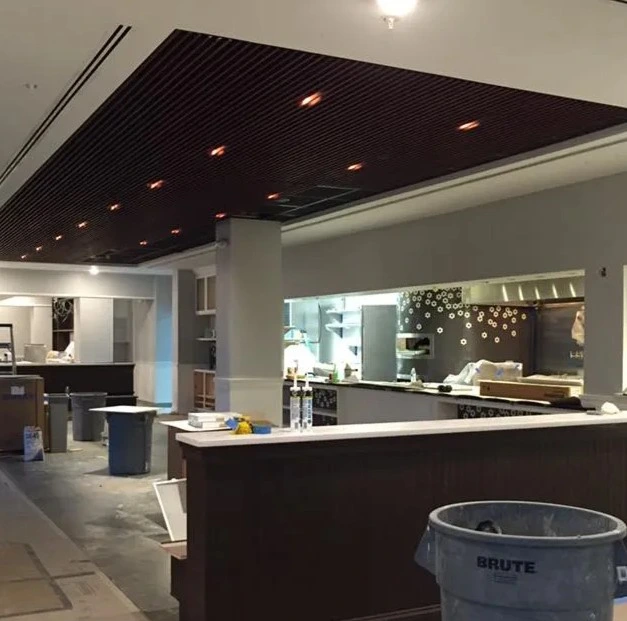
When you lease a commercial space, it’s often a blank canvas. A tenant build-out contractor is the professional who transforms that empty shell into a space that’s perfectly suited for your business. Think of them as your partner in turning a vision into a functional reality, whether you’re opening a new office, a boutique shop, or a bustling restaurant. They handle every detail of the interior construction process, ensuring the final space not only looks great but also meets your specific operational needs. From initial design to the final coat of paint, a good contractor manages the entire commercial construction project so you can focus on running your business. They bring the expertise, resources, and oversight needed to get the job done right.
Plan and Design Your Space
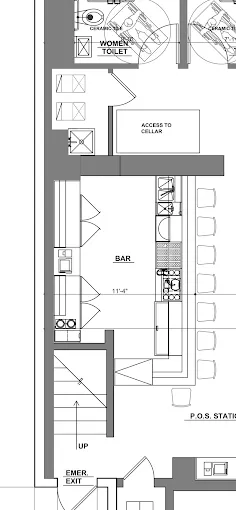
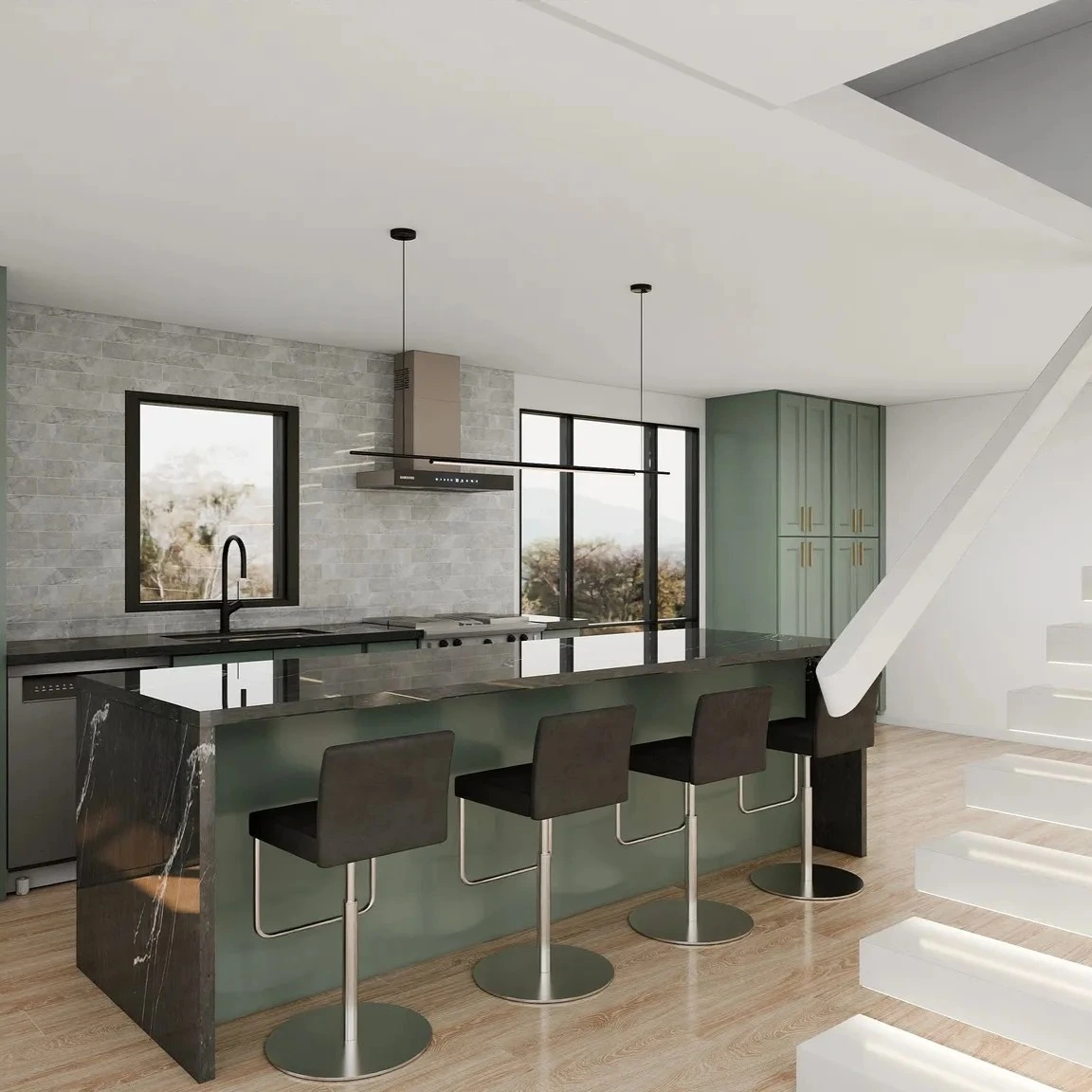
The first thing a tenant build-out contractor does is work with you to plan and design your new space. They specialize in tailoring commercial properties to a tenant's unique requirements. This goes beyond just picking out paint colors. They’ll help you with space planning to optimize workflow, select durable materials that fit your budget, and create a design that reflects your brand’s identity. Whether you need an open-concept layout for your tech startup or a specific configuration for a new office space remodeling project, your contractor translates your ideas into detailed architectural plans and blueprints that will guide the entire construction process.
Handle Construction and Renovation
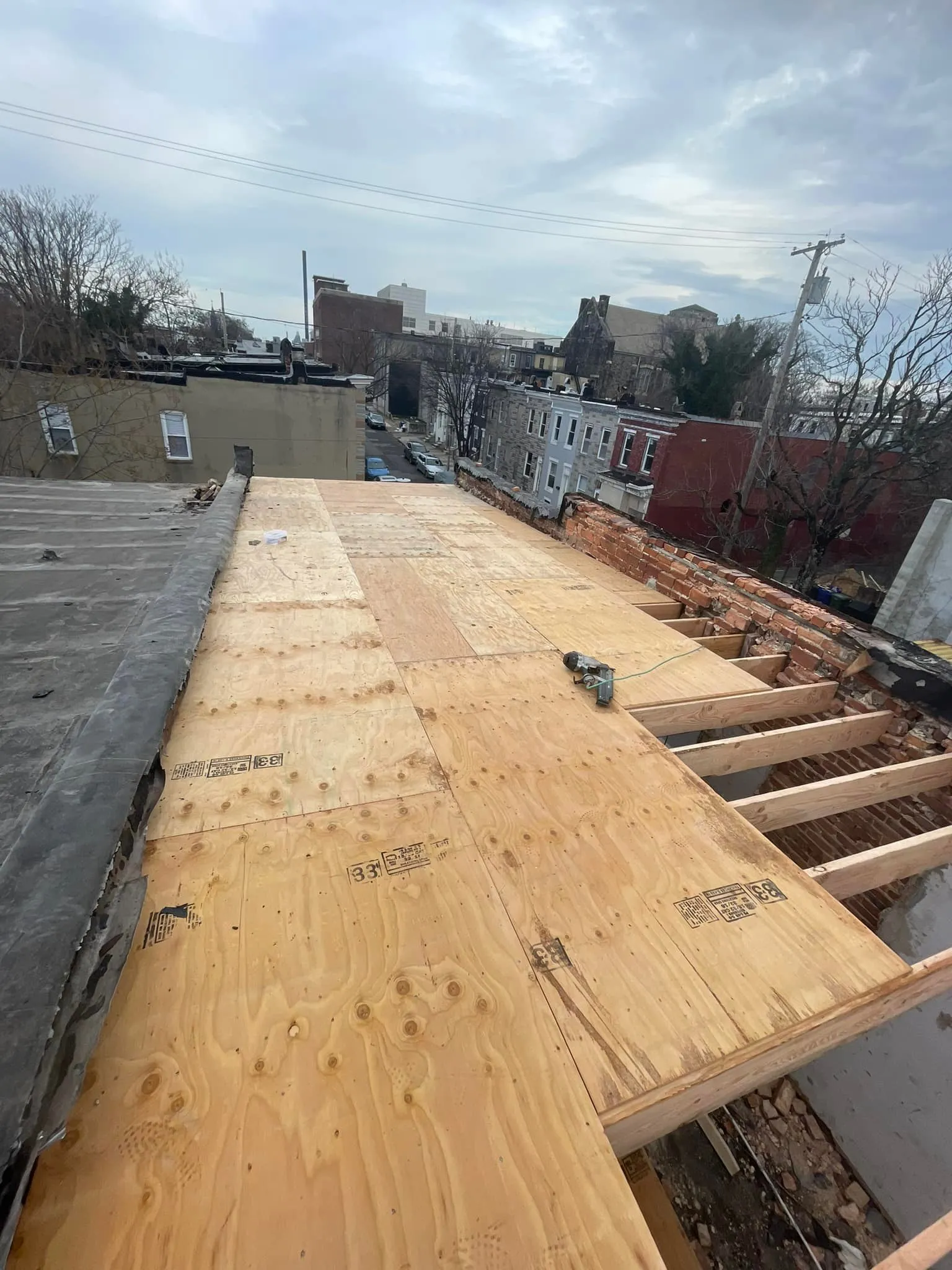
Once the design is finalized, your contractor rolls up their sleeves and gets to work on the physical construction. They have the experience and knowledge to complete the project on time and within budget, managing all the moving parts of the renovation. This includes everything from demolition and framing to installing drywall, flooring, lighting, and plumbing fixtures. A professional contractor oversees a team of skilled tradespeople to ensure every aspect of the remodeling is executed with high-quality craftsmanship. They are responsible for turning the lines on the blueprint into a tangible, functional space ready for business.
Manage the Entire Project
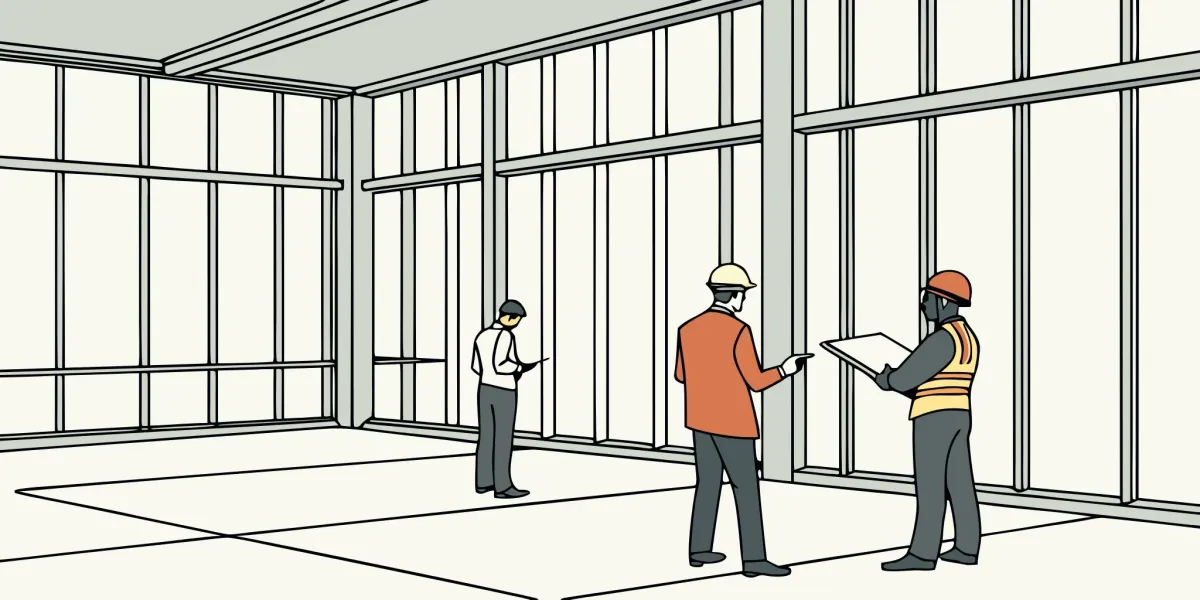
A huge part of a tenant build-out contractor's job is acting as the project manager. They oversee the end-to-end process, serving as your single point of contact from start to finish. This means you don’t have to juggle multiple subcontractors or worry about scheduling deliveries. Your contractor handles all the logistics, including coordinating electricians, plumbers, and painters, ordering materials, and managing the project timeline and budget. Having a dedicated project manager ensures the build-out runs smoothly, communication stays clear, and any issues that arise are dealt with quickly and efficiently, saving you time and stress.
Secure Permits and Ensure Compliance
Navigating building codes and permit requirements can be one of the most challenging parts of a commercial renovation, especially in a place like Washington, D.C. A tenant build-out contractor is responsible for making sure your project complies with all local, state, and federal regulations. They handle the entire permitting process, from submitting applications to scheduling inspections with city officials. This expertise is invaluable, as it helps you avoid costly fines, project delays, and potential legal trouble. By ensuring every aspect of the build-out is up to code, they give you peace of mind that your new space is safe and legally sound.
Install Specialized Equipment
Many businesses require specialized equipment to operate, and a tenant build-out contractor ensures it’s installed correctly. This could mean setting up commercial-grade ovens and ventilation systems for a restaurant remodeling project, installing complex IT infrastructure for an office, or fitting out a medical clinic with specific diagnostic machines. They have the technical knowledge to coordinate these installations, ensuring that all electrical, plumbing, and structural requirements are met. This capability is crucial for creating a space that is not just aesthetically pleasing but also fully equipped for your business’s day-to-day operations from the moment you open your doors.
How to Choose the Right Tenant Build-Out Contractor
Finding the right contractor is the most critical decision you'll make for your tenant build-out. This partnership will shape your project's timeline, budget, and final quality. A great contractor acts as your guide, handling the complexities of construction so you can focus on your business. To find a team that fits your vision and can deliver on its promises, it’s important to do your homework. Taking the time to carefully vet your options will help you start the project with confidence and clarity, ensuring the team you hire is a true partner invested in your success.
Verify Their Credentials and Qualifications
Before you even look at a portfolio, make sure any potential contractor is properly licensed and insured. This is a fundamental step that protects you and your investment. A legitimate contractor will have no problem providing proof of general liability insurance and worker's compensation. Checking these credentials ensures they operate legally and are prepared for any on-site accidents, preventing you from being held liable. This initial check is the easiest way to filter out unqualified or unprofessional candidates and focus on serious, reliable partners for your commercial construction project.
Look for Relevant Experience
Not all construction experience is created equal. A contractor who primarily builds home additions may not have the specific skills needed for a commercial build-out. Look for a company with a strong track record in projects similar to yours. If you’re opening a new restaurant, find a contractor who has completed restaurant remodeling projects. If you’re designing a new corporate headquarters, seek out a team with experience in office space remodeling. Specialized experience means they’ll understand the unique building codes, material requirements, and workflow needed to get your space ready for business.
Review Their Portfolio and References
A portfolio shows you the quality of a contractor's work, but references tell you what it’s like to actually work with them. Start by looking through their past projects to see if their style and craftsmanship align with your vision. Then, ask for a list of recent clients and take the time to call them. Ask about their experience with the contractor’s communication, professionalism, and ability to stick to the budget and timeline. A contractor who builds strong, lasting relationships with clients is one who demonstrates honesty and a real commitment to their success.
Assess Their Communication and Timelines
Clear and consistent communication is the backbone of a successful construction project. From your very first conversation, pay attention to how a contractor responds to your questions. Are they prompt, clear, and thorough? A great contractor will establish a clear communication plan from the start, often assigning a dedicated project manager to be your main point of contact. They should also provide a realistic and detailed project timeline, outlining key milestones and being upfront about potential challenges. This transparency builds trust and ensures everyone is on the same page from start to finish.
Get a Clear, Accurate Estimate
While it’s tempting to go with the lowest bid, a cheap estimate can often lead to expensive problems down the road. A trustworthy contractor will provide a detailed, transparent quote that breaks down all anticipated costs, including materials, labor, permits, and subcontractor fees. Don’t hesitate to ask questions to understand exactly what is and isn’t included in the price. A clear estimate not only helps you manage your budget but also serves as a sign that the contractor is organized, thorough, and honest about the financial scope of your remodeling project.
How Much Does a Tenant Build-Out Cost?
Figuring out the budget for a tenant build-out can feel like trying to hit a moving target. The final cost depends on so many variables, from the size of your space to the style of light fixtures you choose. While there’s no single price tag, you can get a solid understanding of the potential costs and what drives them. This will help you plan your budget, negotiate your lease, and create a space that works for your business without any financial surprises. Let's break down the numbers and what goes into them.
Typical Cost Ranges
The cost of a tenant build-out is usually calculated per square foot, and the range is pretty wide. A simple refresh with new paint and carpet might only cost between $5 and $15 per square foot. However, if you’re starting with a "cold shell" (a completely unfinished space with no plumbing, electrical, or interior walls), you could be looking at costs from $60 to over $150 per square foot.
According to some industry reports, the nationwide average for a total build-out can approach $200 per square foot when you factor in everything from design to construction. For business owners in the D.C. area, it's wise to budget on the higher end of these estimates. The scope of your commercial construction project will be the biggest factor in determining where you fall on this spectrum.
What Influences the Final Price?
Several key factors will shape your final build-out cost. The first is the initial condition of the space. Are you taking over a spot that just needs cosmetic updates, or are you building out a completely raw space? The more work needed to get to a finished state, the higher the cost.
The complexity of your design also plays a huge role. An open-plan office space remodeling project will be less expensive than a full restaurant remodeling project that requires a commercial kitchen, specialized ventilation, and complex plumbing. Finally, your choice of materials and finishes will heavily influence the price. High-end flooring, custom cabinetry, and designer lighting will cost more than standard, builder-grade options.
Understanding Your Tenant Improvement Allowance
When you sign a commercial lease, your landlord may offer a Tenant Improvement (TI) allowance. Think of this as a contribution from the landlord to help you customize the space for your business needs. This allowance is typically offered as a certain dollar amount per square foot, for example, $30 per square foot. It's a fantastic tool for offsetting your initial costs, but it's crucial to understand the details.
Make sure you read your lease carefully to see what the TI allowance covers. Some landlords have strict rules about how the money can be used, while others are more flexible. You’ll also want to know if you’ll be reimbursed for expenses or if the landlord will pay contractors directly. Understanding your TI allowance is a key part of lease negotiations and can significantly impact your out-of-pocket expenses.
How to Plan for Hidden Costs
Even with a detailed plan, unexpected costs can pop up during a build-out. These often come from things like updating a building’s systems to meet current codes, dealing with unforeseen structural issues, or paying for permit fees and architectural drawings that weren't in the initial quote. It’s a smart practice to set aside a contingency fund of about 10% to 15% of your total project budget to cover these surprises.
The best way to minimize hidden costs is to work with an experienced construction manager from the very beginning. A professional can perform a thorough site inspection, anticipate potential issues, and create a comprehensive budget that accounts for all the details. This proactive approach helps you avoid costly delays and ensures your project stays on track financially.
The Benefits of Hiring a Professional Contractor
When you’re facing a tenant build-out, the idea of managing it yourself might seem like a good way to save money. But in reality, bringing in a professional contractor is one of the smartest investments you can make. A great contractor does more than just oversee construction; they bring experience, efficiency, and a network of resources to the table, ensuring your project runs smoothly from start to finish. This partnership allows you to focus on your business while they handle the complexities of transforming your space.
Hiring an expert means you have a dedicated construction manager who can anticipate challenges, solve problems, and keep everything on track. It’s about protecting your investment and getting the high-quality results your business deserves, without the stress of going it alone.
Gain Technical Expertise
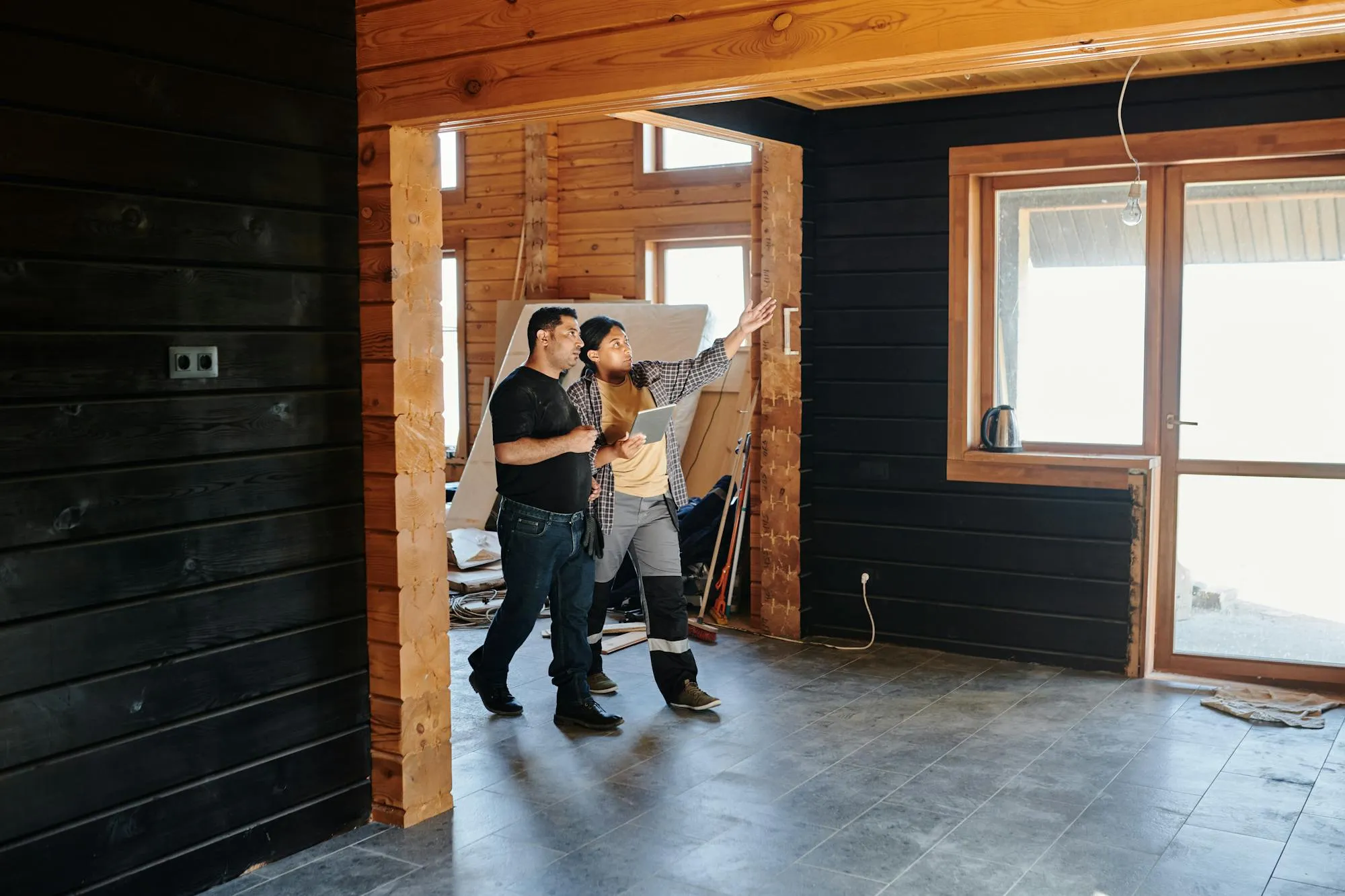
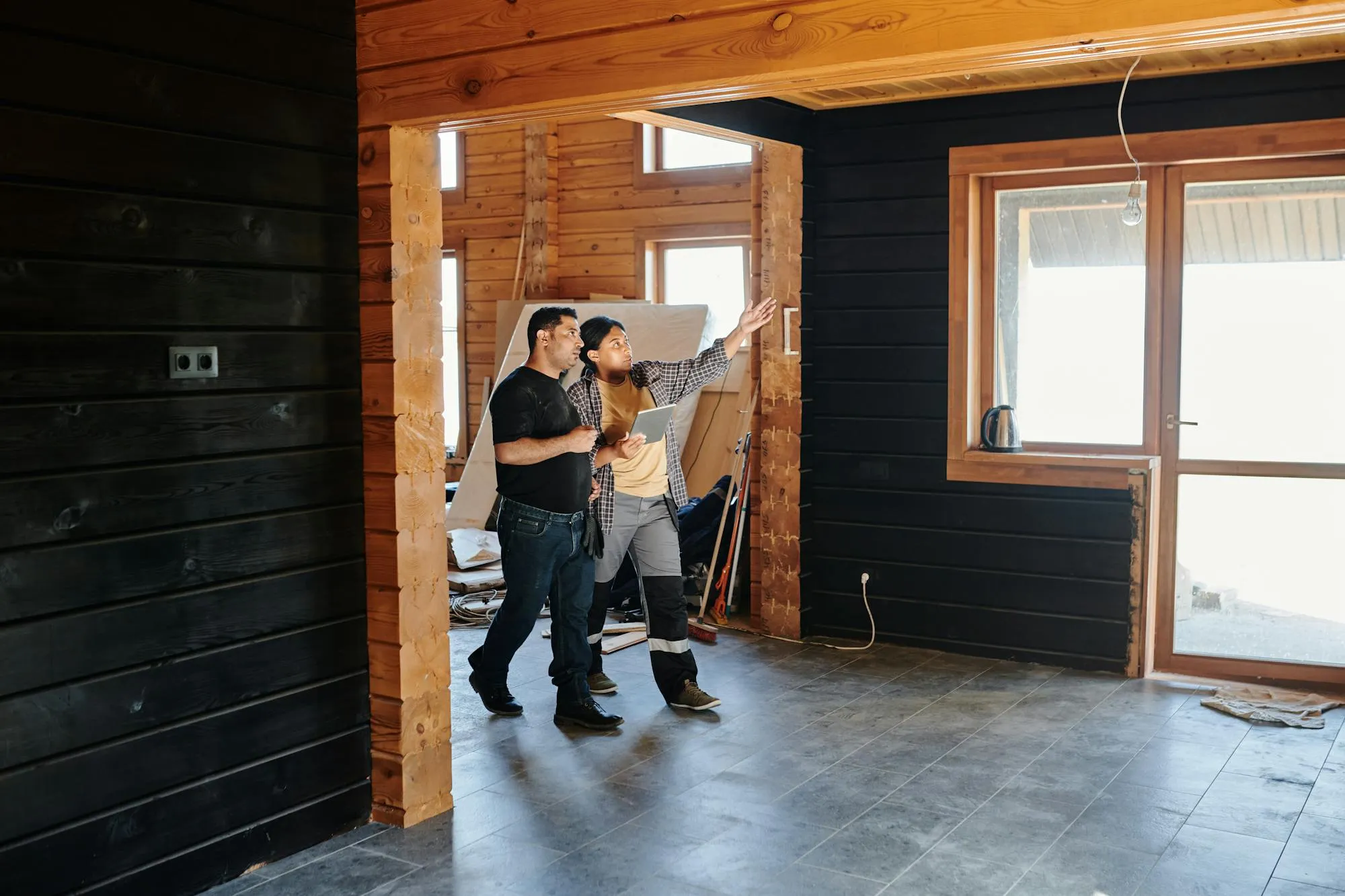
A professional contractor brings years of hands-on experience to your project. They understand the specific challenges that come with commercial construction, from structural requirements to the flow of a functional workspace. This expertise is critical for completing a project on time and within budget. They know how to read blueprints, coordinate different trades, and ensure every detail meets industry standards. Instead of you having to learn the ins and outs of construction, you can rely on their knowledge to guide the project and make informed decisions, preventing costly mistakes before they happen.
Save Time and Finish Faster
In business, time is money. Every day your commercial space is under construction is a day it’s not generating revenue. Professional contractors are masters of project management. A typical tenant improvement project can take several months to complete, but a contractor’s job is to streamline that process. They create realistic timelines, schedule subcontractors efficiently, and manage the entire workflow to avoid unnecessary delays. By handling everything from permits to final inspections, they ensure the project keeps moving forward, helping you open your doors and get back to business as quickly as possible.
Get Access to Better Materials and Subcontractors
One of the biggest advantages of hiring a professional contractor is gaining access to their network. They have established relationships with trusted suppliers and skilled subcontractors, from electricians to painters. This means you get high-quality materials, often at better prices than you could find on your own. It also means you don’t have to spend time vetting dozens of different tradespeople. Your contractor brings a team of proven professionals to your project, ensuring every aspect of the job is handled with expert craftsmanship and care.
Avoid Compliance Issues and Reduce Risk
Navigating building codes and permit requirements can be a major headache, especially in the D.C. area. Professional contractors are well-versed in local regulations and ensure your build-out is fully compliant from day one. They handle the paperwork, schedule inspections, and make sure every part of the construction meets legal standards. This protects you from the risk of fines, forced work stoppages, and other costly compliance issues. With a professional managing the process, you can have peace of mind knowing your project is being built safely and correctly.
Common Mistakes to Avoid When Hiring a Contractor
Choosing the right contractor is the most critical decision you'll make for your tenant build-out. A great partnership leads to a smooth project and a fantastic final space, while the wrong one can cause endless headaches and budget overruns. Knowing what pitfalls to look for can help you make a confident choice. By sidestepping these common errors, you can ensure your project is handled professionally from start to finish, saving you time, money, and stress. Let’s walk through the key mistakes to avoid so you can find a reliable partner for your commercial construction project.
Don't Just Choose the Lowest Bid
It’s tempting to go with the lowest price, but this is often a recipe for disaster. An unusually low bid can be a red flag for subpar materials, inexperienced labor, or a contractor who plans to cut corners. You might save money upfront, but you could pay for it later in costly repairs or a space that doesn’t meet your standards. Instead of focusing only on the price tag, evaluate the overall value. A quality contractor’s bid reflects their commitment to excellent craftsmanship, durable materials, and reliable project management. Think of it as an investment in a space that will serve your business well for years to come.
Always Vet and Check References
Hiring a contractor without checking their background is a huge gamble. A professional contractor should be happy to provide you with a list of recent clients. Don't just glance at the list; take the time to call them. Ask about their experience, the contractor's communication style, and whether the project was completed on time and within budget. You should also ask to see a portfolio of their completed projects, especially those similar to yours. Reviewing past office space remodeling or restaurant projects will give you a clear idea of their quality and capabilities, ensuring they’re the right fit for your vision.
Verify Licensing and Insurance
This step is non-negotiable. A legitimate contractor must have the proper licensing for your area and carry both liability insurance and workers' compensation. Overlooking this can expose you to serious financial and legal risks. If a worker is injured on your property and the contractor isn't insured, you could be held responsible. Before signing anything, ask for proof of their license and insurance certificates and verify that they are current. A trustworthy construction manager will have all this documentation ready and will understand that it’s a standard part of the hiring process. It’s a simple check that provides essential protection.
Set Clear Expectations
Misunderstandings are a primary source of conflict in any construction project. To avoid them, you need to establish clear expectations from the very beginning. This starts with a detailed, written contract that outlines every aspect of the project: the full scope of work, specific materials to be used, a clear timeline with milestones, and a payment schedule. It should also specify how changes or unexpected issues will be handled. Good communication is just as important. Agree on a regular schedule for updates so you always know the status of your project. This clarity ensures everyone is on the same page and working toward the same goal.
Don't Underestimate Permit Timelines
Securing the necessary permits can be one of the most time-consuming parts of a build-out, especially in a busy area like Washington, D.C. Many people underestimate how long this process can take, leading to frustrating and costly delays before construction can even begin. An experienced local contractor will be familiar with the city’s codes and permitting procedures, which is a major advantage. They can manage the application process, but they can’t control the city’s timeline. Be sure to discuss permits with your contractor and build extra time into your project schedule to account for potential delays.
Related Articles
Frequently Asked Questions
How long does a typical tenant build-out project take? The timeline for a build-out can vary quite a bit depending on the project's complexity and size. A simple cosmetic update might take a few weeks, while building out a raw, empty space for a restaurant or medical office could take several months. Factors like securing permits, the availability of materials, and the scope of custom work all play a role. A good contractor will provide a detailed and realistic schedule upfront so you know exactly what to expect.
What's the difference between a tenant build-out contractor and a general contractor? While there's a lot of overlap, a tenant build-out contractor is a specialist. A general contractor can handle a wide range of construction projects, but a tenant build-out contractor focuses specifically on customizing commercial spaces for tenants. They have deep experience with the unique demands of commercial leases, specific business workflows, and the fast-paced timelines often required to get a business open and operating.
What is my role as the business owner during the construction process? Your primary role is to be the decision-maker and visionary. While your contractor manages the day-to-day logistics, your input is crucial during the design phase to ensure the space meets your needs. Once construction begins, your main responsibilities are to communicate clearly with your project manager, make timely decisions on things like finishes or fixtures, and be available for scheduled check-ins. This partnership ensures the final result aligns perfectly with your goals.
What happens if I want to make a change to the design after construction has started? Changes are a normal part of the construction process, and a professional contractor will have a clear system for handling them. Typically, you'll discuss the desired change with your project manager, who will then assess its impact on the budget and timeline. They will present you with a formal "change order" document that outlines the new work and any associated costs for your approval. This process keeps communication transparent and ensures there are no surprises.
Does the Tenant Improvement (TI) allowance from my landlord cover the entire cost? It's rare for a TI allowance to cover the full cost of a build-out, especially for a highly customized or high-end space. The allowance is a fantastic contribution from the landlord to help offset your expenses, but you should plan on budgeting for costs that go beyond it. Your contractor can help you create a detailed budget that accounts for the TI allowance and gives you a clear picture of your total out-of-pocket investment.