Average Cost for Drywall Installation: A 2025 Guide
Figuring out a budget for your renovation can feel like trying to hit a moving target. You know drywall is a key expense, but what does that really mean for your bottom line? The final price is more than just the cost of the sheets themselves. It includes the skilled labor for a flawless finish, the disposal of old materials, and sometimes, unexpected prep work. Understanding the average cost for drywall installation is the first step, but knowing what influences that number is what truly empowers you. In this article, we’ll walk through everything from material choices to labor rates in the D.C. area, helping you avoid common budgeting mistakes.
Key Takeaways
Look Beyond the Basic Rate: While the average cost is $1.50 to $3.50 per square foot, your final price depends on the room's complexity, ceiling height, and the specific type of drywall needed for the space.
Account for the Full Scope of Work: A complete budget includes more than just hanging drywall. Factor in costs for demolition, debris removal, permits, and the detailed finishing work required to get a paint-ready surface.
Invest in a Professional for a Guaranteed Result: DIY can be tempting, but hiring an experienced contractor ensures a smooth, seamless finish and helps you avoid costly mistakes and a project that drags on for weeks.
How Much Does Drywall Installation Cost Per Square Foot?
When you’re planning a renovation, one of the first questions that comes to mind is, "How much will this cost?" Drywall is a fundamental part of most projects, from finishing a basement to a full-scale kitchen remodeling project. Understanding the cost per square foot is the best way to start building a realistic budget. Let's break down the numbers so you know what to expect.
Understanding Standard Installation Rates
So, what's the going rate for drywall? Generally, you can expect to pay between $1.50 and $3.50 per square foot for professional installation. This price typically covers both the materials and the labor needed to hang and finish the sheets. According to a recent cost analysis, the national average for a standard project falls comfortably within this range. This figure gives you a solid baseline for your initial budget, whether you're updating a single room or tackling a larger construction project.
How D.C. Metro Area Prices Compare
Of course, location plays a big role in any construction cost. Here in the Washington, D.C. metro area, prices tend to be slightly higher than the national average. This is mainly due to higher labor rates and the general cost of doing business in a major city. While the baseline rates are a good starting point, it’s wise to budget for costs that may lean toward the higher end of that spectrum. When planning your remodeling project in neighborhoods from Georgetown to Capitol Hill, getting a detailed local quote is key to creating an accurate budget.
What Factors Influence Your Final Drywall Cost?
When you're planning a budget for your project, it’s easy to think of drywall as a simple line item. But the final cost is shaped by more than just the size of your room. Several key factors come into play, from the type of drywall you choose to the complexity of the installation itself. Understanding these variables will help you create a more accurate budget for your remodeling project and ensure there are no surprises along the way. Let’s break down the main components that will influence your total investment.
Room Size and Ceiling Height
It’s no surprise that the bigger the room, the more you’ll pay. More square footage requires more materials and more hours of labor to hang, tape, and finish the drywall. For example, installing drywall in a small 100-square-foot bathroom might cost between $400 and $650, while a large living room could run from $1,500 to $3,000. But it's not just about the floor plan. Ceiling height is a major factor. Taller ceilings require more material and often specialized equipment like scaffolding, which adds to the labor costs. A room with complex angles, numerous windows, or architectural details will also be more time-consuming and expensive than a simple, box-shaped room.
Drywall Type and Thickness
Not all drywall is the same, and the type you need depends on the room's function. Standard drywall is the most affordable, but spaces like bathrooms and kitchens need a different approach. For these areas, you’ll want moisture-resistant drywall (often called "green board"), which can cost between $1.65 and $2.75 per square foot for materials and installation. If you’re creating a home office or theater, you might opt for soundproof drywall to minimize noise, which can range from $3.55 to $7.50 per square foot. The thickness of the board also matters—thicker panels offer better durability and sound dampening but can be more difficult, and thus slightly more expensive, to install. Your choice will directly impact your material costs for a kitchen remodeling project.
Labor Rates and Project Complexity
Labor is one of the most significant variables in any drywall estimate. Professional installation rates typically range from $1.50 to $3.50 per square foot, and this price is heavily influenced by your location and the specifics of the job. A straightforward installation in an empty, new construction space will be on the lower end of that scale. However, a project that involves working around existing plumbing, electrical wiring, or intricate layouts will require more skill and time, pushing the cost higher. The level of finish you desire also plays a role. A basic, unfinished surface for a garage will cost less than a perfectly smooth, Level 5 finish that’s ready for high-gloss paint in a formal dining room. A dedicated project manager can help coordinate these details to keep the work on schedule.
Materials vs. Labor: A Cost Breakdown
When you’re planning a drywall project, it’s helpful to see where your money is going. The total cost is typically split between two main categories: the materials themselves and the professional labor required to get the job done right. Understanding this division helps you create a realistic budget and make informed decisions about the scope of your remodeling project. Let's look at what you can expect to pay for each component.
The Price of Drywall Sheets by Type
The cost of drywall itself will be your first major material expense. A standard 4x8 foot sheet usually runs between $10 and $20. However, not all drywall is created equal. If you’re working on a bathroom or basement, you’ll likely need moisture-resistant drywall (often called "green board"), which costs a bit more. For spaces where noise is a concern, like a home office or a home theater installation, soundproof drywall is an excellent option but comes at a premium price. According to recent industry data, you can expect specialized sheets to influence your material costs significantly, so be sure to choose the right type for your specific needs.
What to Expect for Professional Labor Rates
Labor is almost always the biggest piece of the pie, often accounting for 65% to 75% of the total project cost. This is because proper drywall installation is a multi-step process that requires skill and precision. The work includes hanging the sheets, followed by finishing—a detailed process of taping seams, applying joint compound (or "mud"), and sanding everything smooth for a flawless surface. Labor rates for hanging and finishing drywall typically fall between $1.00 and $2.70 per square foot. A skilled construction manager ensures this process is handled efficiently, preventing costly mistakes and delays that can arise from improper installation.
Budgeting for Additional Supplies and Tools
Beyond the drywall sheets and labor, there are other materials you’ll need to factor into your budget. These include essentials like screws, joint tape, and corner bead, plus buckets of joint compound. These miscellaneous supplies can add another $0.20 to $0.50 per square foot to your total. If you’re planning on adding a textured finish to your walls or ceiling, that will be an additional cost for both materials and labor, often ranging from $0.80 to $2.00 per square foot. Accounting for these smaller items upfront ensures there are no surprises when the final bill arrives and helps you build a truly comprehensive budget for your project.
What Are the Hidden Costs of Installing Drywall?
When you start budgeting for a drywall project, it’s easy to focus on the two big line items: the cost of the drywall sheets and the labor to hang them. But if you stop there, you might be in for a surprise when the final bill arrives. Several other costs can sneak into your budget, turning what seemed like a straightforward project into something more expensive. Thinking about these "hidden" expenses from the start is the key to a smooth and stress-free project.
From the paperwork required by your local D.C. office to the final coat of paint, every step has a price tag. The process isn't just about putting up new walls; it often involves tearing down old ones, dealing with the debris, and getting that perfect, paint-ready finish. Understanding these extra steps is crucial for creating a realistic budget for any remodeling project. A good contractor will outline these for you, but it’s always smart to know what to ask about so you can feel confident in the estimate you receive.
Factoring in Permits and Inspections
One of the first things people forget to budget for is the cost of permits. While you likely won't need a permit for a small patch job, any project that involves adding or removing walls—like finishing a basement or reconfiguring a room—will almost certainly require one from your local D.C., Maryland, or Virginia jurisdiction. The fees for these permits can vary, but they are a necessary step to ensure your project is up to code. A dedicated project manager will handle all the paperwork and scheduling for inspections, which is a huge weight off your shoulders.
Prepping Walls and Removing Old Drywall
If your project involves updating an existing space, you have to account for what’s already there. Removing old, damaged, or outdated drywall is a labor-intensive task that adds to your total cost. This isn't just about brute force; it requires care to avoid damaging the underlying studs, electrical wiring, and plumbing. This demolition phase is a messy but essential part of many kitchen remodeling projects. The cost covers the labor for tear-down and prepares the space for a clean, professional installation of the new boards.
Accounting for Disposal and Cleanup Fees
Once the old drywall is down, it has to go somewhere. You can’t just leave it on the curb with your regular trash. Drywall debris is heavy and bulky, and it needs to be disposed of properly. Professional contractors will factor in the cost of a dumpster rental and hauling fees to transport the waste to an appropriate facility. This cleanup and disposal fee is a standard part of any demolition project and ensures your property is left clean and safe, without you having to figure out the logistics of waste management.
Adding Texturing and Finishing Work
Getting drywall hung is only part of the job. The finishing process—taping, mudding, and sanding the seams to create a smooth surface—is where the real skill comes in. While a standard smooth finish is common, you might want a specific texture, like knockdown or orange peel, to match existing walls or add character. These textures require additional materials and time, which will increase the cost. The level of finish you choose also impacts the price, with a flawless, Level 5 finish being the premium option before the painting can even begin.
How Costs Change Based on Room and Project Size
It’s no surprise that the size and function of a room are two of the biggest drivers of your final drywall cost. A straightforward, square bedroom will always be a different project than a large, open-concept living room or a basement with multiple corners and utility cutouts. The total square footage you need to cover is the primary factor, but the room’s purpose also plays a key role, especially when special materials are required.
Understanding how these variables work together will help you create a more realistic budget. Whether you’re finishing a single room or planning a full-scale renovation, knowing the typical price ranges for different spaces gives you a solid foundation for discussing your project with a contractor. From a small powder room to an entire floor, the scope of your project will define the bottom line.
Pricing for Bedrooms, Living Rooms, and Basements
The cost to install drywall can vary significantly from one room to the next. For example, hanging drywall in a small, 100-square-foot bathroom might cost between $400 and $650. In contrast, a large living room with more wall space and higher ceilings could range from $1,500 to $3,000. This difference comes down to the amount of material needed and the labor involved in covering a larger area. A complete remodeling project that includes multiple rooms will have its own pricing structure based on the combined scope and complexity of each space.
Comparing Costs for Small Rooms vs. Large Spaces
When you look at pricing on a per-square-foot basis, you can expect to pay between $1.50 and $3.50 for professional installation. This rate helps illustrate how project size scales. For a smaller job covering 500 square feet of wall or ceiling space, your total cost might land somewhere between $750 and $1,750. For a more extensive residential construction project requiring 1,500 square feet of drywall, the total could easily exceed $5,000. While larger projects cost more overall, the per-foot rate can sometimes be more efficient as crews are already on-site with their tools and materials.
Budgeting for Areas Needing Moisture-Resistant Drywall
Any room with high humidity—like a bathroom, basement, or kitchen—needs more than standard drywall. For these spaces, you’ll want to use moisture-resistant drywall, often called "green board," to prevent mold and water damage. This specialty material costs slightly more, typically running between $1.65 and $2.75 per square foot for materials and installation. While it adds a little to the upfront cost, it’s a non-negotiable investment for protecting your home’s structure and air quality. Factoring this in is essential for any bathroom remodeling budget.
How Your Choice of Drywall Affects the Price
When you think of drywall, you might picture a standard, plain white sheet. But the truth is, not all drywall is created equal. The type you choose for your remodeling project plays a huge role in both the performance of your walls and the final cost of your installation. Think of it like choosing tires for your car—you need the right type for the conditions you expect. A standard sheet works great for a living room, but it won’t hold up in a steamy bathroom.
Understanding the different options available helps you make an informed decision that balances your budget with the specific needs of each room. From moisture-resistant boards for kitchens and baths to fire-rated panels for garages, each type comes with a different price point. Let's break down how these choices can affect your overall budget, so you can plan your project with confidence and avoid any surprises.
Standard vs. Green Board vs. Purple Board
For most rooms in your home, like bedrooms and hallways, standard drywall is the go-to choice. It’s the most affordable option and does its job perfectly in low-moisture environments. However, when you move into areas with high humidity, you need something more robust. That’s where green board and purple board come in. These are moisture- and mold-resistant drywall types specifically designed for spaces like bathrooms, kitchens, and laundry rooms. While they cost more than standard sheets, this added investment protects your walls from potential water damage and mold growth, which is essential for a successful bathroom remodeling project.
The Cost of Fire-Resistant and Soundproof Options
Sometimes, a room needs more than just a basic wall. For enhanced safety, fire-resistant drywall, often called Type X, is a smart choice. It’s denser and contains glass fibers that help slow the spread of flames, which is why it’s often required by building codes for garages or walls separating units. On the other hand, if peace and quiet are your priority, soundproof drywall can be a game-changer. It’s made with multiple layers to dampen sound vibrations, making it perfect for a home office, a nursery, or a home theater installation. Both of these specialty options come at a higher price, but the added safety and comfort are often well worth it.
How Thickness and Eco-Friendly Materials Impact Price
Drywall thickness also factors into the cost. While half-inch drywall is common for residential walls, a thicker 5/8-inch board offers better durability and improved sound dampening. This added thickness often comes with a slightly higher price but can make a noticeable difference in the sturdiness of your walls. Additionally, if sustainability is important to you, eco-friendly drywall options are available. These products, such as paperless drywall, are made from recycled materials and are designed to be more resistant to mold. As with many green building materials, you can expect to pay a premium for these environmentally conscious choices.
DIY vs. Hiring a Pro: A Cost Comparison
Deciding whether to tackle a drywall project yourself or call in the experts is a classic homeowner dilemma. On one hand, DIY can seem like a great way to save money, and there's a certain satisfaction in doing it yourself. On the other, a professional finish is hard to beat, and a botched job can be a real eyesore. The right choice really comes down to balancing your budget, your timeline, and your own skills. Let's break down the real costs of each approach so you can make a decision that feels right for your home and your wallet.
The True Cost of a DIY Drywall Project
At first glance, the DIY route looks tempting. For a standard 12' x 12' room, you can expect to spend between $200 and $400 on materials alone. But that's just the starting point. You'll also need to rent or buy specialized tools, like a drywall lift (around $40 a day), taping knives, and sanders. Don't forget the physical effort—each panel weighs 50 to 60 pounds, making it a two-person job at minimum. The biggest hidden cost, however, is the skill gap. Achieving a perfectly smooth, seamless finish is an art form. Without experience, you could spend hours fixing mistakes, only to end up with visible seams and an uneven surface.
When It Makes Sense to Hire a Professional
Hiring a professional might seem more expensive upfront, but it often provides better value and peace of mind. The average cost to install drywall ranges from $1.50 to $3.50 per square foot, which covers not just the materials but also the expert labor for hanging, taping, mudding, and sanding. For a full project, homeowners typically spend around $2,100. When you hire an experienced team for your home remodeling, you're paying for efficiency and a flawless result. They handle the heavy lifting, manage the messy sanding process, and ensure the job is done right the first time, saving you from a major headache and a project that drags on for weeks.
Avoid These Common Drywall Budgeting Mistakes
A successful drywall project hinges on a realistic budget. While it might seem straightforward, a few common oversights can quickly inflate your costs and add unnecessary stress to your renovation. Thinking through the entire scope of the project—from preparation to the final coat of paint—is the key to staying on track. By anticipating potential challenges and understanding where your money is really going, you can create a budget that works for you, not against you. Let’s walk through some of the most frequent budgeting mistakes and how you can sidestep them.
Forgetting to Budget for Prep and Finishing
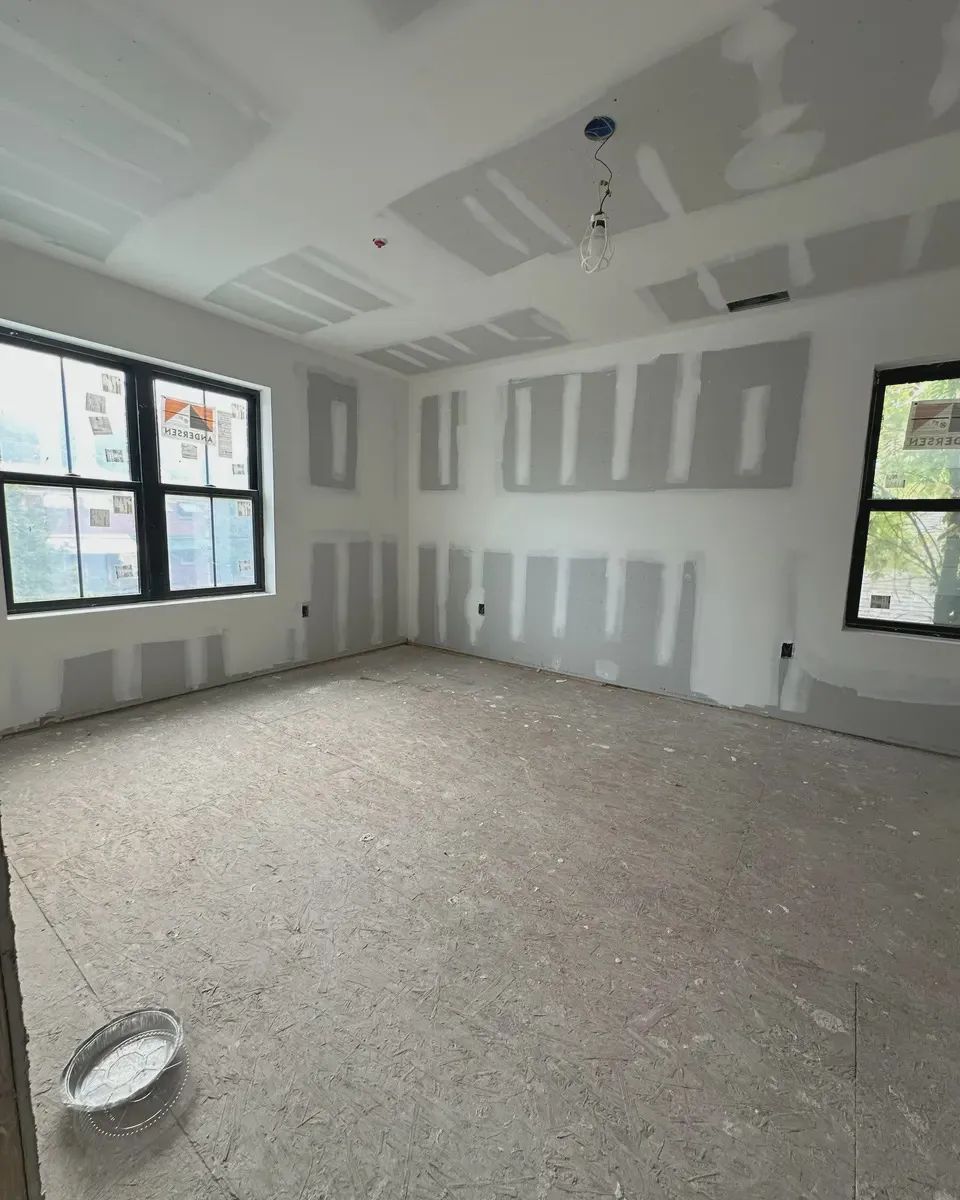
When you think about drywall costs, it’s easy to focus only on the price of the sheets themselves. But the real work, and a significant portion of the budget, lies in the prep and finishing. This includes taping the seams, applying multiple coats of joint compound (mud), sanding everything smooth, and priming the walls for paint. Remember that professional drywall installation often involves a team of at least two people, and their time adds up. Forgetting to account for these essential finishing steps is one of the quickest ways to blow your budget before you’ve even picked out a paint color.
Not Planning for Unexpected Structural Issues
What lies behind your existing walls? It’s a question every homeowner should ask before starting a drywall project. Tearing down old plaster or drywall can reveal unwelcome surprises like water damage, mold, faulty wiring, or pest infestations. These issues must be addressed before any new drywall can go up, adding unexpected costs for materials and specialized labor. Ignoring these problems isn't an option, as poor installation can compromise your home's structural integrity and lead to much more expensive repairs down the road. A smart budget includes a contingency fund—typically 10-15% of the total cost—to handle these unforeseen challenges without derailing your project.
Choosing a Contractor on Price Alone
It’s always tempting to go with the lowest bid, but this can be a costly mistake in the long run. An unusually low quote might signal inexperience, subpar materials, or a contractor who cuts corners. Quality drywall work is a craft that prevents visible seams, cracks, and imperfections later on. Instead of focusing only on the bottom line, it’s wise to get free estimates from several reputable local contractors. This helps you understand the fair market rate in the D.C. area and allows you to choose a professional, like a dedicated project manager, who guarantees high-quality work and transparent pricing.
How to Get Accurate Quotes from Drywall Contractors
Getting clear, detailed quotes is one of the most important steps in any remodeling project. A good quote sets clear expectations for everyone involved and helps you avoid surprise costs down the line. When you’re ready to bring in the pros, you want to be sure you’re comparing apples to apples. This means knowing what to ask, what a good estimate looks like, and which red flags to watch out for. Taking the time to do this now will save you headaches and help you find a trustworthy partner for your project.
Key Questions to Ask Every Contractor
Before you agree to anything, it’s smart to talk to a few different professionals. A great first step is to get free estimates from local drywall contractors to get a feel for the market rates in the D.C. area. As you meet with them, have a list of questions ready. This isn’t just about the price; it’s about finding a team you can trust in your home.
Here are a few essential questions to ask:
Are you licensed and insured in Washington, D.C.?
Can you provide a few references from recent, similar projects?
What’s the estimated timeline for my project, from start to finish?
Who will be my main point of contact or project manager?
How do you handle unexpected issues or changes to the project plan?
What a Comprehensive Estimate Should Include
A vague quote is a recipe for confusion. A professional and transparent contractor will provide a detailed breakdown of all the costs involved. Your estimate should be more than just a single number; it should tell a story of what you’re paying for.
A comprehensive quote should always include all costs: materials, labor, and cleanup. Look for a clear line-by-line breakdown that specifies the type and amount of drywall, the cost of supplies like tape and mud, and the specific labor charges for hanging and finishing the drywall. A detailed estimate shows that the contractor has thoroughly assessed your project and is committed to transparency, which is the foundation of a great working relationship.
Red Flags to Watch for in Pricing
While you’re reviewing quotes, keep an eye out for a few warning signs. An unusually low bid might seem tempting, but it can often lead to cut corners or surprise fees later. Another major point to consider, especially in older D.C. homes, is the potential for hazardous materials. A responsible contractor will recommend you test for asbestos or lead paint before removing old drywall, as safe removal can add to the project cost.
Be wary of quotes that don’t specify the level of finish. The labor for drywall finishing can vary significantly based on the installer’s skill and the quality of the initial work. Finally, high-pressure sales tactics or a demand for a large cash deposit upfront are definite red flags. A professional team will give you the space and information you need to make a confident decision.
Smart Ways to Manage Your Drywall Installation Budget
A drywall project is a foundational step in any renovation, but it doesn't have to break the bank. With some careful planning, you can keep costs in check while still achieving a flawless finish. The key is to understand where your money is going—primarily materials and labor—and make strategic choices that align with your goals and budget. Whether you're finishing a basement or undertaking a full-scale remodeling project, a little foresight goes a long way. Let's look at two practical ways you can manage your drywall installation budget effectively.
Find Quality Materials That Fit Your Budget
The type of drywall you choose directly impacts your total cost. On average, you can expect to pay between $1.50 and $3.50 per square foot for standard drywall installation, which includes materials and labor. However, not all rooms have the same needs. For areas prone to dampness, investing in moisture-resistant drywall (around $1.65 to $2.75 per square foot) is a smart move that prevents future issues during a bathroom remodeling project. If you're creating a quiet home office or media room, soundproof drywall might be worth the higher price tag of $3.55 to $7.50 per square foot. The trick is to match the material to the room's function, so you're only paying for special features where you truly need them.
Reduce Labor Costs with Good Timing and Preparation
Since labor can account for up to 75% of your total drywall installation cost, making the job easier for your crew is one of the best ways to save money. An efficient project means fewer billable hours. You can help streamline the process by preparing the space beforehand. This includes clearing all furniture, decor, and obstacles from the room and ensuring there's a clear path for workers to bring in materials. A clean, accessible worksite allows the team to get started immediately. Discussing the project timeline and prep work with your project manager ensures everyone is on the same page, preventing delays that could add to your final bill.
Related Articles
Frequently Asked Questions
Why is labor such a large part of the total drywall cost? It’s easy to think of drywall installation as just hanging sheets on a wall, but the real skill and time are in the finishing work. Labor costs cover the multi-step process of taping every seam, applying several coats of joint compound, and sanding everything perfectly smooth. This detailed work is what creates a flawless, professional surface that’s ready for paint, and it requires a level of precision that only comes with experience.
Do I really need special drywall for my bathroom or basement? Yes, this is one area where you definitely don't want to cut corners. Standard drywall can absorb moisture, which can lead to mold, mildew, and rot over time. Using moisture-resistant drywall in rooms with high humidity, like bathrooms, kitchens, and basements, is a crucial investment. It protects the structure of your home and prevents you from having to deal with much more expensive water damage repairs down the road.
Besides the drywall itself, what other costs should I definitely include in my budget? It's smart to plan for the entire scope of the project. If you're renovating, you'll need to budget for the removal and disposal of the old walls. You should also account for the cost of any necessary permits, especially for larger projects. Finally, remember that the job isn't done when the drywall is up; factor in the costs for priming and painting to get that truly finished look.
How much should I set aside for unexpected problems? A good rule of thumb is to add a contingency fund of about 10-15% of your total project cost. This is especially important in older D.C. homes where you might not know what’s behind the existing walls. This buffer gives you peace of mind to handle any surprises, like old plumbing, faulty wiring, or hidden water damage, without derailing your entire budget.
Is it cheaper to drywall multiple rooms at once instead of one at a time? While the total project cost will be higher, you can often get a more efficient per-room price by bundling the work. When a professional crew is already on-site with their tools and materials, adding more rooms to the project can reduce the overall labor time compared to scheduling separate, smaller jobs. If you know you have a few rooms that need work, it’s always worth discussing a multi-room project with your contractor.