Siding Replacement Cost: A Complete Breakdown
Getting quotes for a major home project can feel overwhelming, especially when the numbers vary so much. One contractor’s price might seem reasonable, while another’s feels astronomical. This confusion often comes from not knowing what truly goes into the final siding replacement cost. It’s not just about the material you choose; it’s about the skilled labor, the necessary prep work, and the small details that ensure your home is protected for decades. In this article, we’ll demystify the pricing process and walk you through the key factors that influence your total investment, helping you compare quotes intelligently and spot true value.
Key Takeaways
Look beyond the material price: A complete quote covers more than just the siding; it includes essential costs for labor, old siding removal, prep work, and permits, giving you a true picture of the total investment.
Prioritize long-term value over initial cost: While budget-friendly siding can be tempting, more durable materials often provide a better return through lower maintenance needs and a significant increase in your home's resale value.
Protect your project with smart planning: Set aside a 10% to 20% contingency fund for unexpected repairs and take the time to hire a licensed, insured contractor with excellent references to guarantee a quality installation.
What Goes Into a Siding Replacement Quote?
When you get a quote for a siding replacement, you’re looking at much more than just the cost of the siding itself. A detailed quote breaks down every part of the job, from the materials and labor to the less obvious tasks that ensure your home is protected for years to come. Understanding these components is the key to comparing bids accurately and seeing where your money is going. Think of it as a complete recipe for your home’s exterior transformation.
A trustworthy quote will account for the unique features of your home, the specific materials you choose, and the skilled labor required to get the job done right. It’s a comprehensive plan that covers everything from tearing off the old siding to the final cleanup. This transparency helps you avoid surprise costs and ensures the remodeling project stays on track. Let’s walk through the main factors that shape the final price.
Your Home's Size and Shape
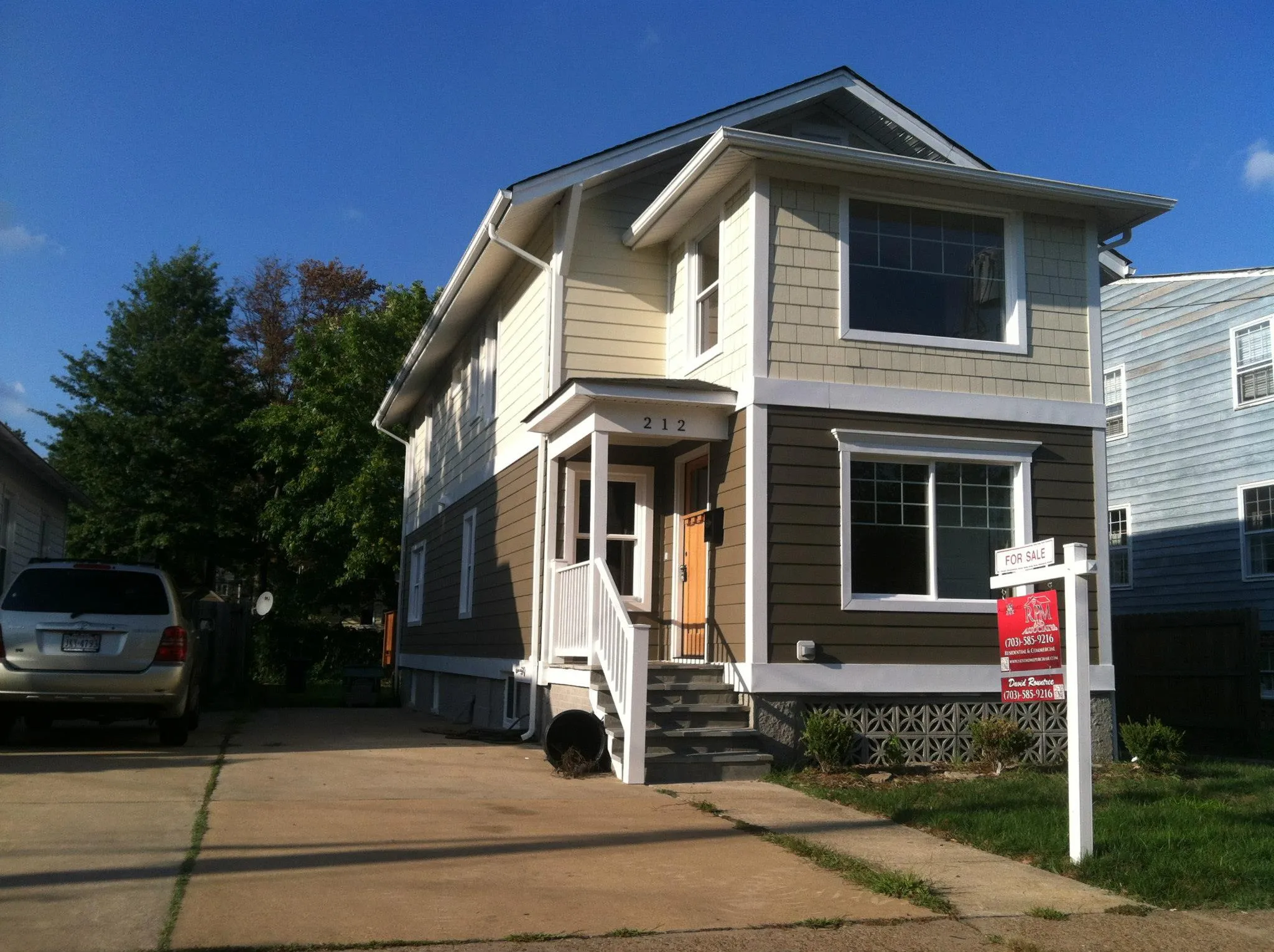
It makes sense that the bigger your house, the more your siding project will cost. The total square footage directly impacts the amount of material and labor needed. But it’s not just about size; the complexity of your home’s architecture plays a huge role, too. A simple, one-story rectangular house is far easier to side than a multi-level home with dormers, gables, and intricate trim. These complex designs can increase the cost by 15% to 20% because they require more precise cuts, additional materials, and significantly more time from the installation crew.
Labor and Installation Details
Labor is often the largest line item on a siding quote, typically making up 50% to 70% of the total cost. This isn’t just for the physical work of installing the siding. It covers the skill and experience of the professional crew, their insurance, and the project management needed to keep everything running smoothly. Quality installation is what protects your home from moisture, pests, and the elements. Paying for experienced professionals ensures the job is done correctly, follows local building codes, and will stand the test of time, preventing costly repairs down the road.
Removing the Old Siding
Before the new siding can go on, the old siding has to come off. This step adds to the overall cost and includes the labor for the tear-off, fees for proper disposal, and the complexity of the removal itself. Some materials are heavier or more difficult to remove than others, which can influence the price. This is also a critical diagnostic phase of the project. Once the old siding is gone, your contractor can inspect the underlying structure for any hidden damage, like rot or pest infestations, that needs to be addressed before the new siding is installed.
Prepping for the New Siding
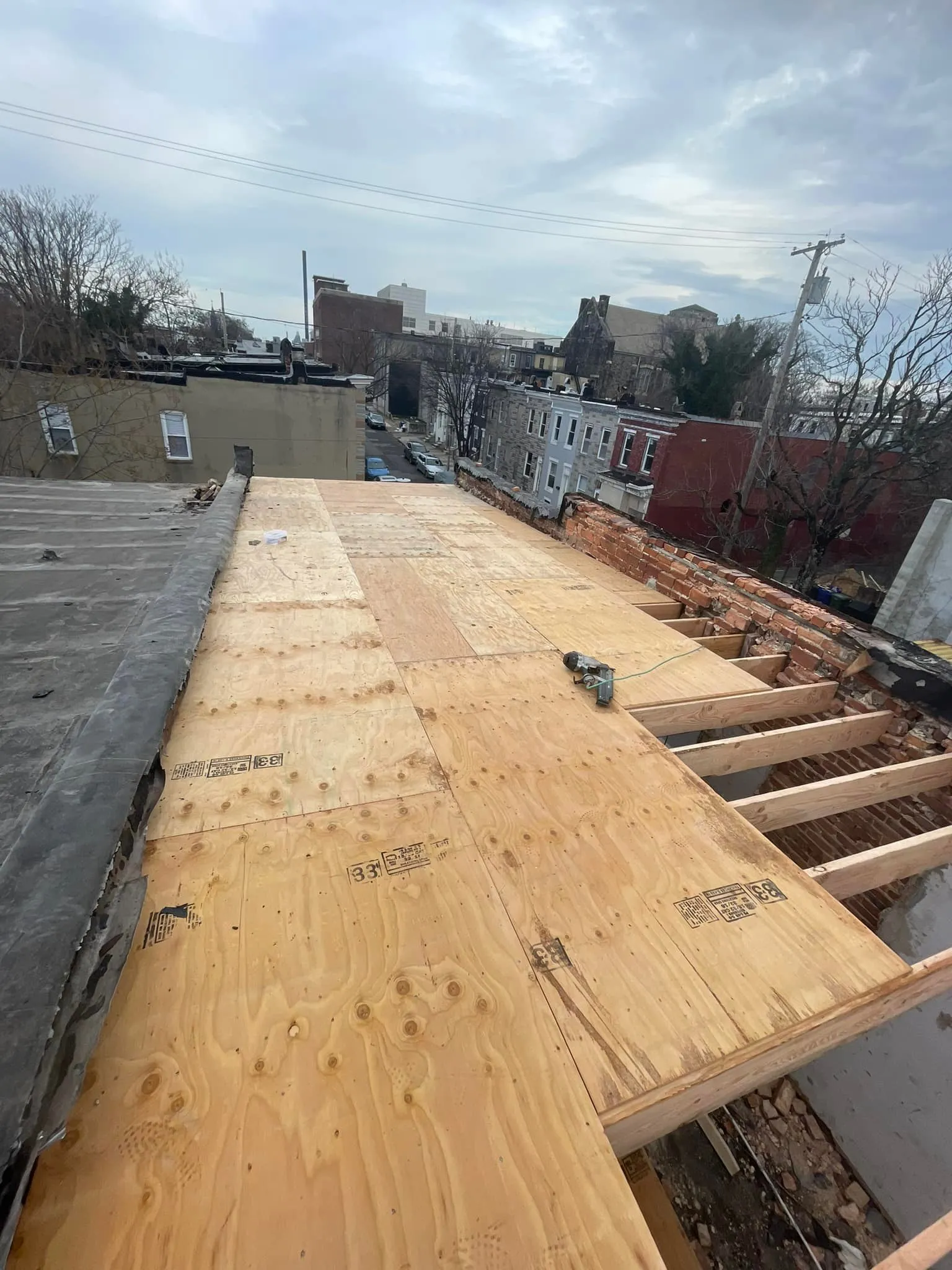
Installing new siding isn't as simple as just attaching it to your house. A proper installation involves preparing the entire outer layer of your home to ensure it's airtight and watertight. This often includes inspecting and, if necessary, replacing hidden layers like the sheathing (the wooden boards that form the wall surface), adding a housewrap or vapor barrier to prevent moisture intrusion, and installing new insulation. This prep work is what truly protects your home’s structure and improves its energy efficiency. It’s a foundational step that a quality construction manager will never skip.
How Siding Materials Affect the Price Tag
The material you choose for your home’s exterior is the single biggest factor influencing your total project cost. Each option offers a unique blend of aesthetics, durability, maintenance needs, and, of course, price. Understanding these differences is the first step in selecting the right siding for your home and budget. From the affordability of vinyl to the timeless appeal of stone, your choice will define your home's curb appeal for years to come. Let's break down the most popular siding materials so you can see how they stack up.
Vinyl Siding
If you’re looking for a budget-friendly and low-maintenance option, vinyl siding is an excellent place to start. It’s the most common siding choice for a reason. It resists pests and moisture and never needs to be painted, which saves you time and money down the road. For a typical home, you can expect the installed cost to be around $4.50 to $8.20 per square foot. Its versatility and affordability make it a practical choice for many remodeling projects, allowing you to achieve a clean, fresh look without a hefty price tag.
Fiber Cement Siding
Fiber cement offers a fantastic middle ground between the cost of vinyl and the look of natural wood. Made from a mix of cement, sand, and cellulose fibers, this material gives you a durable, wood-like appearance without the constant upkeep. It’s resistant to fire, rot, and insects, making it a tough and long-lasting choice. The price is a step up from vinyl, typically landing around $9 per square foot for materials and installation. For homeowners who love the aesthetic of wood but want something more resilient, fiber cement is a leading contender.
Wood Siding
Nothing beats the classic, natural beauty of real wood siding. It offers a traditional charm that can be stained or painted in any color you can imagine. However, this beauty comes with a commitment to regular maintenance to protect it from rot and pests. A more modern alternative is engineered wood, which combines wood strands with resin to create a durable and more affordable product, often costing just $2 to $4 per square foot. Whether you choose traditional or engineered, wood siding gives your home a warm and timeless feel.
Stone and Brick Veneer
For a high-end, durable, and incredibly beautiful finish, stone or brick veneer is unmatched. These materials provide a natural and long-lasting look that adds significant curb appeal and value to your home. Because of the higher material and labor costs, many homeowners use stone or brick as an accent, perhaps on the front-facing wall, and pair it with a more affordable siding on the other sides. It’s a popular feature in new residential construction and major remodels for creating a powerful first impression.
Metal Siding
Metal siding, typically made from aluminum or steel, is a sleek and modern option known for its incredible durability. It stands up well to harsh weather and requires very little maintenance over its long lifespan. While it is strong, it can be susceptible to dents and scratches depending on the specific material and thickness. The cost for metal siding generally falls between $5.60 and $10.30 per square foot, making it a competitive option for homeowners who prioritize strength and longevity. Its clean lines work well with contemporary and industrial architectural styles.
What Other Costs Should You Expect?
When you get a quote for new siding, it usually covers the big-ticket items: materials and labor. But a siding project is more than just nailing up new panels. Several other factors can influence your final bill, and thinking about these potential costs ahead of time helps you create a more accurate budget and avoid surprises down the road. Let's walk through what else you should plan for so you can feel confident about your investment.
Permits and Local Inspections
Most major home exterior projects, including siding replacement, require permits from your local municipality. Here in the D.C. area, this process ensures the work meets safety and building codes. The cost of the permit itself is usually a small part of your budget, but it's a non-negotiable step. Your contractor should handle the application process, but you might have extra costs for things like removing old siding or making necessary repairs to pass inspection. Factoring in building permits from the start keeps your project on track and fully compliant with local regulations.
New Insulation and Weatherproofing
Removing your old siding gives you a golden opportunity to improve your home's energy efficiency. Adding or upgrading insulation can make a huge difference in your heating and cooling bills. The type of foam insulation you choose can greatly change the cost. A thin layer is cheaper, but thicker, rigid insulation creates a more complete "house envelope" upgrade that offers better performance. While this adds to the upfront investment, the long-term energy savings can be substantial. It's a smart upgrade to discuss with your construction manager when planning your project.
Finishing Touches and Trim
The siding itself is the main event, but the finishing details are what give your home a polished, complete look. This includes things like trim around windows and doors, soffits (the underside of your roof eaves), and fascia boards. A full siding replacement involves putting up new materials plus trim and other parts that tie everything together. The material and style you choose for these elements will affect the final cost. It’s an important detail to discuss during the planning phase of your remodeling project to ensure the final look matches your vision and your budget.
Dealing with Unexpected Repairs
You never truly know what’s hiding behind your old siding until it comes off. Sometimes, we find issues like rotted sheathing, water damage, or pest infestations that need to be addressed before the new siding can be installed. For example, if old wood siding was nailed directly to the house frame, there might be damaged wood underneath that needs fixing. This is why we always recommend building a contingency fund of 10% to 15% into your budget. It gives you peace of mind knowing you’re prepared for any surprises during your residential construction project.
How to Get the Best Value for Your Money
Choosing new siding is a major decision, but it doesn't have to be overwhelming. When you focus on long-term value instead of just the initial price tag, you can make a smart investment that protects your home and pays you back for years to come. It’s about finding that sweet spot where quality materials, expert installation, and a solid warranty come together to give you peace of mind and a beautiful result. Let’s walk through how to make sure you’re getting the most for your money.
Balancing Upfront Cost with Long-Term Durability
It’s tempting to focus on the initial quote, but the real value of new siding comes from its longevity. A full siding replacement can cost anywhere from $8,000 to $30,000, with labor making up a significant portion of that price. Cheaper materials might save you money today, but if they require frequent repairs or an earlier replacement, you’ll end up paying more in the long run. Investing in a more durable material can protect your home from the DC area’s weather for decades. Think of it as an investment in your home’s future, reducing maintenance headaches and preserving its structural integrity. A good construction manager can help you weigh these options.
Popular Siding Brands: Pros and Cons
The siding material you choose has the biggest impact on your project's cost and performance. Vinyl siding is a popular choice because it’s affordable, low-maintenance, and comes in countless colors and styles. For a step up in durability, fiber cement offers the classic look of wood without the vulnerability to rot or pests. It’s a tough material made from a mix of cement, sand, and cellulose fibers. If you love the authentic appearance of wood, engineered wood siding is an economical option that’s lightweight and easy to install, making it a great fit for many residential construction projects.
What to Look for in a Warranty
A strong warranty is a sign that both the manufacturer and the contractor stand behind their product and work. You should look for two separate warranties: one for the siding material itself and another for the installation or labor. The manufacturer’s warranty covers defects like cracking or fading, while the labor warranty protects you from issues caused by improper installation. Remember, a warranty is only useful if the company is still around to honor it. That’s why it’s so important to work with an established, reputable contractor who has a long history of quality work and happy clients in your community.
How New Siding Impacts Resale Value
New siding is one of the smartest home improvements you can make, offering an excellent return on investment. It dramatically improves your home’s curb appeal, making a strong first impression on potential buyers. According to industry reports, homeowners can expect to recoup over 80% of their siding replacement cost when they sell their home. This kind of high-value return makes a siding project more than just a necessary repair; it’s a strategic upgrade. By choosing the right materials and a quality installer, you’re not just protecting your home, you’re actively increasing its market value through a smart remodeling choice.
Common Siding Cost Myths to Avoid
When you’re planning a big project like replacing your home’s siding, it’s easy to get tripped up by misinformation. Believing common myths about pricing can lead to sticker shock, a busted budget, and a lot of frustration. Let’s clear up a few of the most common misconceptions so you can approach your project with a realistic financial plan and a clear understanding of what you’re paying for. Knowing the truth behind the numbers helps you make smarter decisions for your home.
The Problem with Online Cost Calculators
It’s tempting to plug your home’s square footage into an online calculator and get an instant estimate. Unfortunately, these tools rarely reflect real-world costs. The prices you see online often don’t account for regional differences in labor and material costs, which can vary significantly. What you might pay in the Midwest is very different from the costs here in the D.C. area. These calculators also can’t assess the specific complexities of your home’s architecture or the prep work needed. For an accurate picture, you need a detailed quote from a professional who can assess your property in person.
Why a "Cheap" Quote Can Cost You More
Getting a quote that’s significantly lower than all the others might feel like a win, but it’s often a major red flag. Some companies cut corners by using lower-quality materials that won’t last, or they offer flimsy warranties that leave you unprotected. Be cautious of businesses that send a salesperson instead of an experienced contractor; a large portion of your payment could be going toward their commission rather than quality materials and labor. A trustworthy construction manager will provide a transparent quote that prioritizes durable materials and expert installation, saving you from costly repairs down the road.
Siding Repair vs. a Full Replacement
Deciding between a small repair and a full replacement can be tough. It’s important to understand that a full siding replacement is more than just a cosmetic update; it’s a reconstruction of your home’s outer layer. The process often involves removing old siding and addressing what’s underneath, which can include the housewrap, sheathing, and insulation. Sometimes, we find hidden issues like rotted wood that must be fixed before the new siding can be installed. While a repair might seem cheaper upfront, a full remodeling project ensures your home is protected, insulated, and structurally sound for years to come.
Smart Ways to Save on Your Siding Project
A full siding replacement is a significant investment in your home’s value and protection, but that doesn’t mean it has to break the bank. With some strategic planning, you can manage the costs effectively without compromising on the quality of the final result. It’s all about making informed decisions at the right time. From scheduling your project during a less busy season to choosing materials that fit your budget, there are several practical ways to get the best value for your money. Thinking through these factors ahead of time will help you create a realistic budget and feel confident in your investment.
Choose the Right Time of Year
Like many construction projects, siding installation has peak and off-peak seasons. Most homeowners schedule exterior work during the warm, predictable weather of spring and summer, which makes contractors incredibly busy. If your project isn't urgent, consider scheduling it for the late fall or winter. During these slower months, you may find that contractors have more availability and can sometimes offer more competitive pricing. This simple shift in timing can lead to significant savings and a more flexible project schedule, making it a smart move for any budget-conscious homeowner looking to start a remodeling project.
Explore Your Financing Options
Paying for a major home improvement project entirely out of pocket isn't always practical. Thankfully, financing can make the cost of a siding replacement much more manageable by spreading it out over time. Many contractors have relationships with lenders who specialize in home improvement loans, and they can guide you toward trusted financing partners. You can also look into options like a home equity line of credit (HELOC) or a personal loan from your bank. A dedicated project manager can often help you understand the financial side of your project, allowing you to move forward without the stress of a large upfront payment.
Select Your Materials Wisely
The siding material you choose is one of the biggest variables in your total project cost. Options range from affordable and popular vinyl to high-end materials like natural stone veneer, with many choices in between. Saving money isn’t just about picking the cheapest option; it’s about finding the best balance of cost, durability, and aesthetics for your home. For example, vinyl siding is a cost-effective choice that offers great performance, while fiber cement provides enhanced durability for a higher initial investment. Discussing your budget and goals with your contractor will help you select a material that protects your home and aligns with your vision for your residential construction project.
How to Choose the Right Siding Contractor
Selecting the right siding material is only half the battle. The quality of the installation is just as crucial to the final look and long-term performance of your home’s exterior. A great contractor ensures your investment is protected, while a poor one can lead to costly repairs and headaches down the road. Finding a trustworthy professional means looking for someone with a proven track record, transparent communication, and the right credentials. Think of it as hiring a partner for a major project, because that’s exactly what it is. A skilled construction manager will not only install your siding correctly but will also guide you through the process, making sure the project runs smoothly from start to finish.
Check for Proper Licensing and Insurance
Before you even think about quotes, make sure any contractor you consider is properly licensed and insured. This is your first line of defense. A valid license proves they meet local and state requirements for their trade, while insurance protects you from liability if an accident happens on your property. A certified contractor is more likely to provide a high-quality installation using the best materials because their reputation depends on it. Don’t be afraid to ask for proof of both. A professional company will have these documents ready and will be happy to share them. This simple step weeds out unqualified individuals and gives you peace of mind.
Get and Compare Multiple Quotes
It’s wise to get estimates from at least three different contractors. This isn’t just about finding the lowest price; it’s about understanding the value you’re getting. A detailed quote should break down the costs for materials, labor, permits, and any other expenses. When you compare them, look for consistency in the scope of work. If one quote is significantly lower than the others, find out why. Are they using cheaper materials or cutting corners on preparation? A thorough quote is a sign of a professional who has taken the time to assess your home’s specific needs for a remodeling project.
Read Reviews and Check References
What past clients say about a contractor is incredibly valuable. Start by looking up online reviews on sites like Google, but don’t stop there. Ask each contractor for a list of recent references you can contact directly. Speaking with a former customer allows you to ask specific questions about their experience. Were they happy with the communication? Did the project stay on schedule and on budget? A local company with a strong reputation in your community is often a great choice, as their success is built on word-of-mouth and consistent results in residential construction.
Contractor Red Flags to Watch For
Trust your gut. If something feels off, it probably is. Be cautious of contractors who use high-pressure sales tactics or demand a large cash deposit upfront. Another red flag is a vague contract that doesn’t detail the scope of work, materials, or a clear timeline. You should also be wary of companies that send a salesperson who isn’t an actual contractor. These reps may not fully understand the installation process, and a large portion of your cost could be going toward their commission rather than quality materials and labor. A true professional will be transparent, patient, and focused on the project itself.
How to Create a Realistic Siding Budget
Setting a budget for a siding project involves more than just the cost of materials and labor. A truly realistic budget accounts for the entire scope of the project, from start to finish, including any surprises that might pop up along the way. Thinking through these details ahead of time helps ensure your project runs smoothly and stays on track financially. Proper planning is the key to a successful home remodeling project, preventing stress and ensuring you get the beautiful, durable results you’re looking for without breaking the bank. Let's walk through a few key areas to consider when building your budget.
Build in a Contingency Fund
It’s always smart to expect the unexpected, especially with home renovations. A contingency fund is simply extra money set aside to cover unforeseen costs. When we remove old siding, we might find hidden issues like water damage, pests, or wood rot that need to be addressed before the new siding can be installed. To be safe, we recommend adding an extra 10% to 20% to your total project estimate. This buffer gives you peace of mind, ensuring that a surprise discovery doesn’t derail your project or force you to make compromises on your vision.
Factor in Energy-Efficient Upgrades
New siding is a fantastic opportunity to improve your home's energy efficiency. While you have the walls open, consider adding or upgrading your home’s insulation and weather-resistant barriers. These materials can significantly reduce drafts and help maintain a more consistent indoor temperature, which often leads to lower heating and cooling bills over time. While it adds to the initial investment, think of it as a long-term saving strategy that also makes your home more comfortable year-round. It’s a practical upgrade that adds real value beyond just curb appeal.
Consider Your Project Timeline
Timing plays a big role in any construction project. The best contractors often have their schedules fill up quickly, particularly during the busy spring and summer seasons. If you’re hoping to get your siding replaced during peak months, it’s a good idea to start planning three to six months in advance. This lead time gives you plenty of room to research materials, get detailed quotes, and secure a spot with a trusted construction manager. Planning ahead helps you avoid rush fees and ensures you have access to the best teams and materials for your home.
Related Articles
Frequently Asked Questions
Why can't I just install new siding over my old siding? While it might seem like a simple way to save money, installing new siding over the old material is rarely a good idea. The old siding can hide serious problems like wood rot, pest damage, or moisture issues. Removing it is the only way for a contractor to properly inspect the sheathing underneath and make necessary repairs. This step ensures your home's structure is sound and gives you a clean, flat surface for a secure and long-lasting installation.
How long does a typical siding replacement project take? The timeline for a siding project can vary quite a bit depending on the size and complexity of your home, the type of siding being installed, and even the weather. For an average-sized house, the entire process from tear-off to final cleanup usually takes about one to two weeks. A good contractor will give you a more specific timeline based on your home's unique needs before the work begins.
Is it worth paying more for premium siding materials? Investing in a higher-quality material often pays off in the long run. While options like vinyl are budget-friendly, more durable materials like fiber cement or engineered wood can offer better resistance to weather, impact, and pests, meaning fewer repairs over the years. They also tend to have a higher return on investment when you sell your home. It's about balancing your upfront budget with the long-term costs of maintenance and replacement.
What happens if you find damage under my old siding? Discovering hidden damage is more common than you might think, and it's exactly why we recommend having a contingency fund. If we find issues like rotted wood or water damage after removing the old siding, we stop and discuss the situation with you immediately. We'll explain the problem, outline the necessary repairs, and provide a clear cost estimate for the extra work before moving forward with the project.
Besides the material, what's the biggest factor that can change the final price? The architectural complexity of your home plays a huge role in the final cost. A simple, rectangular house is much quicker and easier to side than a home with multiple gables, dormers, and intricate angles. These features require more detailed cuts, additional trim work, and more time from the installation crew, which can significantly influence the labor portion of your quote.