Siding Repair Cost Calculator: A Homeowner's Guide
Think of an online siding repair cost calculator like a weather app. It gives you a good general forecast, but it can’t tell you if it’s going to rain on your specific street at the exact time of your backyard barbecue. Similarly, these calculators provide a helpful but broad estimate for your project. To get a truly accurate picture, you need to understand the variables they can’t measure, from the complexity of your home’s architecture to the cost of materials and labor right here in the Washington, D.C. area. This guide will help you use these tools effectively while showing you what other factors you need to consider for a realistic budget.
Key Takeaways
Treat online calculators as a starting point: They are great for getting a general budget idea but miss crucial details like permit fees, old material disposal, and potential underlying damage that only an in-person inspection can reveal.
Know what influences your final cost: The price of your repair is determined by the siding material you have, the extent of the damage, and your home's specific design. Understanding these factors helps you interpret any quote you receive.
Transition from an estimate to a professional quote for accuracy: An online number is just a guess. A professional on-site assessment is essential for uncovering the full scope of work and getting a reliable price, which helps you avoid unexpected costs later on.
How Siding Repair Cost Calculators Work
Online siding repair cost calculators can be a great starting point for budgeting your project. Think of them as a digital tape measure for your finances, giving you a rough idea of what to expect. These tools typically use a few key pieces of information to generate an estimate, helping you frame your initial budget before you start contacting professionals.
However, it's important to remember that these calculators provide an estimate, not a firm quote. The final cost of your remodeling project can be influenced by factors that a simple online form can't account for, like hidden structural damage or specific site challenges. Using these tools effectively means understanding what they do well and where their limitations lie. By providing accurate information, you can get a much more realistic preliminary number to work with.
What You'll Need for an Accurate Estimate
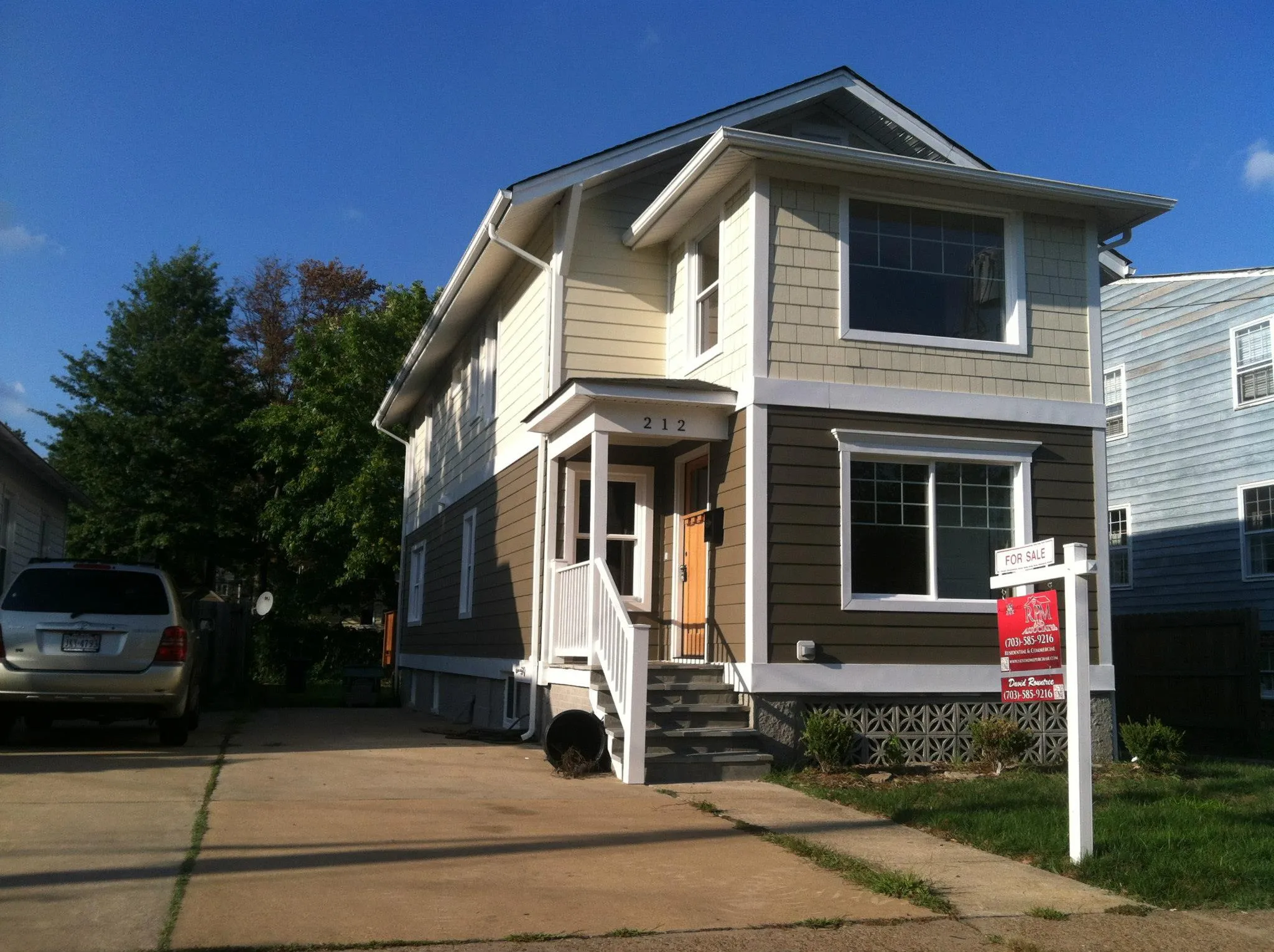
To get the most out of a siding cost calculator, you’ll want to have some information ready. Most tools will ask for the square footage of the area that needs repair, the type of siding material on your home, and the complexity of your home’s design. For example, a simple, rectangular one-story home will be less complex than a three-story home with multiple gables and dormers.
Gathering these details beforehand makes the process smoother. You can calculate the approximate square footage by measuring the length and height of the exterior walls and multiplying them. Don't forget to subtract the area of large windows and doors. Knowing these key details helps the calculator provide a more tailored and useful estimate for your project.
Common Mistakes That Skew Your Estimate
One of the biggest pitfalls of using online calculators is getting an inaccurate estimate that leads to sticker shock later. This often happens when homeowners guess their measurements or underestimate the complexity of the job. A rough guess on square footage can throw the entire calculation off, as both materials and labor are priced based on the size of the project.
Another common mistake is not knowing the specific siding material. The cost difference between vinyl, wood, and fiber cement is significant, so selecting the wrong one in a calculator will give you a misleading figure. It’s also easy to forget that a "repair" can mean anything from patching a few small holes to replacing an entire wall. Being specific about the scope of the work is key to getting a number that reflects your actual needs.
How to Get the Most Accurate Results
For the best results, precision is your friend. Take the time to measure your home's exterior accurately. If you're unsure how, a quick search for "how to measure house for siding" will give you simple instructions. When the calculator asks about your home's complexity, be honest. If you have a lot of corners, windows, and architectural details, select the more complex option.
It’s also helpful to understand that these tools have limitations. They can’t see underlying issues or account for regional price differences in labor. Use the estimate as a guide, not a guarantee. The ultimate goal is to have a productive conversation with a contractor, and a well-researched estimate is the perfect starting point. A dedicated project manager can later help you refine this budget based on a detailed, in-person assessment.
What Factors Drive Your Siding Repair Costs?
When you’re trying to budget for siding repairs, you’ll quickly find that there’s no one-size-fits-all price tag. Several key factors come together to determine your final quote. From the type of siding on your home to the extent of the damage, each element plays a significant role in the overall cost. Understanding these variables will help you interpret any estimate you receive and make a more informed decision for your home. Let’s walk through the main components that influence the price of getting your siding back in top shape.
Siding Material and Quality
The biggest factor affecting your siding repair cost is the material covering your home. Vinyl siding is often the most budget-friendly to fix, with repairs typically costing between $2 and $12 per square foot. On the other hand, materials like wood or fiber cement require more specialized skills and tools, which increases labor costs. Wood siding, for example, demands a certain level of craftsmanship to seamlessly patch and finish. The quality of the material also matters. Higher-grade siding will cost more to replace per panel, but it often comes with better durability and a longer lifespan, which is a key consideration for any residential construction project.
The Scope of the Damage
The size of the problem directly impacts the size of the bill. A few cracked panels from a stray baseball is a relatively small and inexpensive fix. However, widespread issues like rot, pest infestations, or significant storm damage covering a large section of your home will require a much more extensive and costly repair. A thorough inspection is crucial to uncover the full extent of the damage, as sometimes what appears to be a small issue on the surface is hiding a bigger problem underneath. A dedicated project manager can help assess the situation accurately to ensure the repair addresses the root cause.
Labor and Project Complexity
The cost of labor is a major part of any siding repair quote. A straightforward job on a single-story home with easy-to-access walls will naturally cost less than a complex repair on a three-story house with intricate architectural details. Factors that add to the complexity include working around windows and doors, matching aged or custom-colored siding, and ensuring the new installation is perfectly weatherproof. Projects that require scaffolding or special equipment will also see higher labor costs. Having an experienced construction manager overseeing the work ensures even the most complex jobs are handled safely and efficiently.
Your Home's Location
Where you live plays a surprisingly large role in how much you’ll pay for siding repair. Labor rates and material costs can vary significantly from one city to another. Here in the Washington, D.C. area, prices might differ from those in other parts of the country. Local building codes and permit requirements can also add to the total expense. Furthermore, the age of your home can introduce unique challenges. For instance, older homes in historic neighborhoods might have siding containing asbestos, which requires specialized (and more expensive) removal procedures. A local contractor who understands the specific needs of our region is essential for any remodeling project.
Average Siding Repair Costs by Material
The material covering your home is one of the biggest factors determining your final repair bill. Each type of siding has a different price point for both materials and the labor required to fix it. Some materials are simple to patch up, while others require more specialized skills and tools. Understanding these differences will help you set a realistic budget for your project. Here’s a look at what you can generally expect to pay for repairs based on the most common siding materials found on homes in the D.C. area.
Vinyl
Vinyl is a popular choice for a reason: it’s budget-friendly. Repairing vinyl siding typically costs between $2 and $12 per square foot, with most homeowners paying somewhere in the $4 to $8 range. This makes it one of the most affordable options for fixing minor issues like cracks, holes, or a warped panel. If a neighborhood baseball game left you with a small dent, the fix will likely be quick and relatively inexpensive. Because the material is lightweight and easy to work with, labor costs for vinyl repairs tend to stay on the lower end, making it a practical choice for many residential construction projects.
Wood
Wood siding offers a classic, beautiful look, but its repair costs can be a bit more varied. On average, you can expect to pay between $4 and $13 per square foot. A small, simple fix like filling a hole might only cost around $100, but more extensive damage could run closer to $1,500. The final price depends on the type of wood, the extent of the damage (like rot or insect infestation), and the finishing work required. Matching the existing paint or stain perfectly requires a skilled hand, which can add to the overall cost of the remodeling job.
Fiber Cement
Fiber cement is known for its incredible durability, but when it does get damaged, the repairs can be more involved. Instead of paying per square foot, you’ll often be quoted a price per panel, which typically ranges from $300 to $800. This material is heavy and can be brittle, so it requires careful handling and specific tools to cut and install correctly. While you may pay more for a repair, fiber cement’s resistance to rot, fire, and pests means you’ll likely be dealing with repairs far less often than with other materials.
Metal and Stucco
Metal siding, like aluminum, is quite durable and doesn't require much maintenance. However, if a panel gets dented or scratched, the cost can vary widely depending on whether the panel can be repaired or needs a full replacement. Stucco repairs are in a category of their own. Fixing cracks or holes in stucco is a multi-step process that involves matching the texture and color, which can be tricky. Because of this complexity, stucco repairs often require a professional to ensure the patch is seamless and prevents moisture from getting in, which is a key part of any quality commercial construction or residential project.
Repair or Replace: Making the Call
Deciding between a quick fix and a complete overhaul for your siding can feel like a major crossroads. On one hand, a repair seems easier on the wallet right now. On the other, a full replacement is a long-term investment in your home's protection and curb appeal. The right answer isn't always obvious, and it really depends on the age of your siding, the extent of the damage, and your overall budget. Making the wrong call could mean spending money on a temporary patch when a larger problem is brewing underneath, or paying for a full replacement when a simple fix would have done the job.
To help you make the best choice for your home, it's helpful to weigh the pros and cons of each approach. A small, isolated issue might just need a simple patch, but widespread problems often point to a bigger issue that a simple repair can't solve. Think of it this way: you wouldn't put a small bandage on a deep wound. Similarly, you don't need major surgery for a paper cut. Understanding the signs for both repair and replacement will give you the confidence to move forward with the right project for your home's health and your peace of mind. Let's break down when each option makes the most sense.
When Repairing Makes Sense
If the damage is limited to a small area, a repair is usually your best bet. Think a few cracked vinyl panels from a stray baseball or minor rot on a single wood board. Fixing a few vinyl panels can cost between $100 and $400, while repairing wood or fiber cement might run from $300 to $800. When the rest of your siding is in great shape, a targeted repair is a smart and cost-effective remodeling decision. However, it's important to think long-term. If you find yourself scheduling small repairs every year, those costs add up. Spending $500 annually on fixes becomes $5,000 over a decade, which could have gone toward a full replacement.
Signs You Need a Full Replacement
Sometimes, a simple patch-up just won't cut it. If your siding shows widespread issues like extensive cracking, warping, or rotting, it's a clear signal that it has reached the end of its life. Faded color across the entire house is another sign that the protective finish has worn away. These problems are more than cosmetic; they mean your siding is no longer protecting your home from water and pests. While the upfront cost is higher, a full replacement offers better long-term value by preventing costly structural damage down the road. It's an essential step in maintaining your home's integrity and a core part of any major residential construction project.
What Costs Do Online Calculators Miss?
Online siding calculators are a fantastic starting point for budgeting. They give you a general idea of what to expect based on square footage and material choice. However, they often provide an incomplete picture because they can't account for the specific variables of your home. These tools are programmed with averages for materials and labor, but your home isn't average; it's unique. They can't see the two-story addition on the back, the tricky landscaping crews will have to work around, or the specific building codes for your neighborhood.
Think of an online estimate as the base price. It doesn't include the "options package" that your specific project might require. Things like local regulations, the condition of your home beneath the surface, and the logistics of the job site can add to the final cost. A professional quote, on the other hand, is tailored to your home and includes these details from the start. An experienced contractor assesses all these factors during an on-site visit. Understanding these potential hidden costs helps you create a more realistic budget and avoid surprises down the road. Let's look at the most common expenses that online calculators tend to overlook.
Permits and Inspection Fees
Many homeowners are surprised to learn that significant siding work often requires a building permit. In the Washington, D.C. area, local municipalities have specific codes to ensure all construction work is safe and up to standard. Obtaining these permits involves paperwork and fees, which are almost never included in an online calculator's estimate. After the work is done, an inspection may also be required to sign off on the project, which can carry its own cost. A professional contractor will manage the entire permitting process for you, but the fees will be part of your project's total cost.
Old Material Disposal
When new siding goes on, the old siding has to come off. Disposing of old construction materials isn't as simple as leaving them on the curb. The process involves labor for the tear-down, plus the cost of a dumpster rental and disposal fees at a designated facility. Some materials, like old wood siding treated with certain chemicals, may even have special disposal requirements. These costs for removal and waste hauling are essential for a clean and responsible job site, but they are a line item you won't find in most digital estimation tools.
Underlying Structural Repairs
This is the biggest and most unpredictable cost that online calculators miss. The condition of your existing siding can sometimes hide more serious issues underneath. Once the old siding is removed, your contractor might find problems like rotted sheathing, water damage to the frame, or pest infestations. These issues must be fixed before any new siding can be installed to protect the integrity of your home. A calculator has no way of knowing what’s lurking beneath the surface, which is why a thorough, in-person inspection is a key part of any accurate residential construction quote.
How Accurate Are Online Siding Calculators?
So, you've plugged your numbers into an online siding calculator. How much faith should you put in that final figure? The short answer is: it's a great starting point, but it's not the final word. Think of these digital tools as a way to get a general idea of your budget, helping you understand the potential scale of your investment before you start making calls. They are fantastic for initial planning and comparing the relative costs of different materials, like vinyl versus fiber cement. They can give you a sense of what to expect and help you frame your initial questions.
However, these calculators work with broad averages and algorithms. They can't see the unique quirks of your home, the specific challenges of your property, or the current market rates for labor and materials right here in the Washington, D.C. area. A simple online tool can't account for the detailed work that goes into a high-quality remodeling project, from navigating local building codes to ensuring a flawless finish. The number it gives you is a ballpark estimate, not a firm quote. It’s a helpful first step, but the next one should always involve a conversation with a professional who can assess your project in person and provide a detailed, accurate proposal for your specific home.
The Limitations of Digital Tools
The biggest issue with online calculators is that they can't see the specifics. They don't know if your home has intricate architectural details, multiple stories, or hard-to-reach areas that require special equipment. These factors significantly impact labor costs. Many homeowners experience "sticker shock" when a professional quote comes in higher than the online estimate, simply because the calculator missed these crucial details. It also can't diagnose underlying issues like rotted sheathing or pest damage, which must be addressed before new siding can be installed. A calculator provides a number based on a perfect-world scenario, not the reality of your unique property.
What to Look For in a Reliable Calculator
While no calculator is perfect, some are better than others. A more reliable tool will ask for more than just your home's total square footage. Look for calculators that prompt you to enter the type of siding material you're considering, the number of stories your home has, and its general complexity (e.g., a simple rectangle versus a home with many corners and gables). Some advanced tools may even use your zip code to adjust for local pricing. Using a more detailed calculator will give you a more refined estimate, bringing you one step closer to a realistic budget for your residential construction project.
From an Online Estimate to a Professional Quote
An online calculator gives you a great ballpark figure, a starting point for your budget. But to get a number you can actually count on, you need to transition from a digital estimate to a professional quote. This step is where you get clarity on the real scope of your project, the materials involved, and the final cost. Think of the online calculator as your research phase and the professional quote as your action plan. A detailed quote from an experienced contractor is the only way to truly understand what your siding repair will entail and ensure there are no surprises down the road.
Why a Professional Assessment Is Key
A professional contractor does something a calculator can’t: they see your home with their own eyes. They can spot things like hidden water damage, warped boards under the siding, or insulation issues that an online tool would completely miss. This on-site assessment is crucial because homeowners who rely only on online estimates often face sticker shock when the actual project cost is far higher than they expected. The total cost of a siding repair project really depends on the scope of the damage, which can only be determined by a thorough inspection. A pro will give you a complete picture, ensuring your remodeling project addresses the root cause of the problem, not just the surface-level symptoms.
How to Find a Trusted Siding Contractor
Once you have your estimate, the next step is to find the right team for the job. It’s always a good idea to contact reputable professionals for detailed quotes before you make any decisions. Start by asking for recommendations from friends or neighbors, and check online reviews for local contractors. When you reach out, make sure they are licensed and insured in the D.C. area. A trustworthy contractor will provide a detailed, written quote that breaks down the costs for labor and materials. They should also be able to discuss material options with you. A dedicated project manager can guide you through these choices, helping you understand how investing in durable siding now can lead to lower repair costs in the future.
Related Articles
Frequently Asked Questions
Why did my professional quote come in higher than the online calculator's estimate? This is a very common experience, and it highlights the difference between a general estimate and a specific quote. Online calculators work with broad averages for materials and labor. They can't see the unique details of your home, such as a complex roofline, multiple stories, or landscaping that makes access difficult. A professional quote is tailored to your property and accounts for these real-world factors, giving you a much more accurate picture of the final cost.
How can I know if I just need a repair or a full siding replacement? The decision usually comes down to the extent of the damage. If you have a few cracked panels or a small, contained area of rot while the rest of your siding is in good condition, a repair is often the most sensible choice. However, if you're seeing widespread issues like extensive cracking, warping, fading across the entire house, or boards that feel soft, it's a strong sign that your siding has reached the end of its life and a full replacement is needed to protect your home.
What's the most common "hidden cost" that calculators don't include? The biggest variable that online tools can't account for is the condition of the wall underneath your siding. Once the old material is removed, a contractor might discover issues like rotted sheathing, water damage, or even pest infestations. These problems must be addressed before new siding can be installed, and the cost for these structural repairs is something a calculator has no way of predicting.
Is it really that much more expensive to repair certain siding materials? Yes, the material makes a significant difference. Repairing vinyl siding is often straightforward and less costly because the material is lightweight and easy to work with. Materials like wood or fiber cement, however, require more specialized skills, tools, and time to fix correctly. The higher cost reflects the craftsmanship needed to ensure the repair is seamless, durable, and properly weatherproofed.
What's the best way to get an accurate price for my siding project? The only way to get a truly reliable number is to schedule an on-site assessment with a qualified contractor. An in-person inspection allows a professional to measure accurately, assess the full scope of the damage, identify any potential challenges, and discuss material options with you. They can then provide a detailed, written quote that covers all aspects of the job, from labor and materials to permits and disposal.